This coming Friday, National Opera Studio brings their ‘Voices Of Now’ to London for a couple of days (playing the old gay Bloomsbury theatre haunt The Drill Hall – now RADA Studios – which certainly saw plenty of operatics of one kind or another during its previous life).
“Directed by award-winning director Michael McCarthy (Artistic Director, Music Theatre Wales), ‘Voices Of Now’ celebrates scenes from contemporary opera written in English. This programme will showcase 21st century operas, with scenes from works by John Adams, Judith Weir, George Benjamin, Philip Glass, Emma Ruth-Richards, Mark-Anthony Turnage, Stuart MacRae and Unsuk Chin, and hark back to one of contemporary opera’s pioneers with an extract from Michael Tippett’s King Priam. Featuring our four talented Young Artist répétiteurs at the piano, the scenes will be conducted by NOS Head of Music, Mark Shanahan.
“On Friday 7th June at 6.15pm there will be a pre-performance talk with Michael McCarthy as well as some of the composers and publishers behind the contemporary opera scenes. Discussing both the creative process behind the works and how this is translated onto the stage, this exclusive talk will be hosted by NOS Director of Artist Development, David Sulkin. Tickets for the talk cost £5.00; however they are free to members of the Friends of the National Opera Studio.”
* * * * * * * *
On 18th June, composer Robert Hugill presents the world premiere of his new opera ‘The Gardeners’ at London’s humanist/ethical fortress Conway Hall.
“Following the stunning productions of ‘The Genesis Of Frankenstein’, ‘When A Man Knows’ and ‘Garrett’, one of the UK’s most distinguished composers, Robert Hugill, presents the world premiere of his latest chamber opera ‘The Gardeners’. With a libretto by Otradek Records and ‘Notes Upon Notes‘ editor Joanna Wyld, this enduring modern opera sees tensions rise between three generations of the same family who look after war graves in a politically divided region.
“Inspired by a newspaper article about a family of gardeners tending war graves in the Middle East, the opera is set within a Commonwealth War Graves Commission cemetery, amongst the family which maintains the gardens in the cemetery, and it deals with issues of remembrance, tolerance, and brotherhood. The graves belong to the Dead, who once invaded the land in which they lie. Tensions rise between three generations of the same family who look after war graves in a politically divided region. The Dead communicate with the Old Gardener, to the bewilderment of his family, who cannot hear them. The Gardener works with his father, trying to keep the peace, whereas his son, the Angry Young Man, resents the Dead and is on the cusp of being radicalised. His Mother and Grandmother try to resolve the divisions within their family.
“After the Gardener discovers that the graves have been vandalised, and suspects his son may be the culprit, the conflict between the Angry Young Man and his family escalates, culminating in the Old Gardener collapsing and dying. Filled with remorse, the Angry Young Man reflects on his actions. As he does so, he starts to hear the voices which had spoken to his grandfather: the voices of the Dead.”
“The way the family maintain the gardens in the cemetery against difficult odds, and with graves of a variety of different religions, provides a metaphor for the current tensions in the Middle East; and in Joanna’s libretto the garden provides a further metaphor for the easing of tension and the creation of harmony and brotherhood.”
‘The Gardeners’ has a dedicated website and a Facebook page with further background and developing news. Joanna Wyld has also written in ‘The Cross-Eyed Pianist‘ about the construction of the libretto. Here’s a clip from Robert’s previous opera ‘When A Man Knows’.
* * * * * * * *
Dates:
National Opera Studio presents:
‘Voices of Now: Scenes From Contemporary Operas’ RADA Studios, 16 Chenies Street, Bloomsbury, London, WC1E 7EX, England
Friday 7th June 2019, 7.30pm / Saturday 8th June 2019, 3.00pm & 7.30pm
Pre-concert talk: Friday 7th June 2019, 6.15pm
– information here and here
Conway Hall Sunday Concerts presents:
‘The Gardeners’ Conway Hall, 25 Red Lion Square, Bloomsbury, London, WC1R 4RL, England
Tuesday 18th June 2019, 7.30pm – information here, here and here
Two June concerts from the Echo Ensemble chamber orchestra showcase new works by their director and conductor Noah Max. Barely twenty, Noah’s already a frighteningly accomplished artistic polymath – a conductor, cellist, chorister, New Music advocate and musical entrepreneur who’s also nurturing successful side careers as a painter, poet and filmmaker. As a composer, he’s already lined up a stack of diverse works, performed not only by Echo but by the Ebor Singers, the Marryat Players, the Barbican Piano Trio and Duo d’Oro. (All this, and still no website…) As for the ensemble, they’re a mere couple of years old, but are already making significant ripples in the British classical community and being hailed for their power and imaginative focus.
The first of the two concerts is part of the Albert Hall’s ‘Love Classical’ season, tucked away in the Elgar Room: it also features Mozart’s ‘Symphony No. 29’ and Taneyev’s ‘Piano Quintet in G minor, Op. 30’. The Max piece is the world premiere of his complete suite ‘Immolation Dances’ which, as he recalls, “began life a year ago as a ballet which wound together tales such as Icarus and the myth of the Phoenix. The writing process has burned away all but the fiery core of the piece, a white-hot suite of warped dances which explore my fascination with heat and light, resonance, pain and healing. Although its narrative has become more abstract, I hope the piece remains a blazing, emotionally charged inferno, all the more intense for its brevity.”
The second – ‘The Ancient Tomorrow’, at St Gabriels Pimlico – presents “a programme spanning from Edvard Grieg’s vision of 1600s Norway to the world premiere of a major new work for string orchestra… via neglected French composer André Jolivet’s neoclassical firecracker of a flute concerto.” The Grieg work is ‘Aus Holbergs Zeit’; the Jolivet is his “spontaneous and symmetrical” 1949 ‘Concerto for Flute and Strings’ which they’ll be playing with guest flautist Frederico Paixão (interesting, too, to note the polymathic interests Jolivet and Max share). The new string orchestra piece (another world premiere) is the Max one, ‘The Chakras’, for which information is thin on the ground: check later for the Echo Ensemble’s Facebook page, which seems to be Noah’s main outlet for comments and updates.
A couple of Noah Max’s previous orchestral pieces are on show below…
* * * * * * * *
Marsyas Trio (featuring flautist Helen Vidovich, cellist Val Welbanks and, since late 2017, pianist Olga Stezhko) continue their mission to encourage and perform new repertoire with a concert at the 1901 Club entirely dedicated to premieres, courtesy of various members of the London Composers’ Forum.
On the programme are Peter Openshaw ‘Caput redivivum’; ‘Drift’ (by former Fin De Siecle frontwoman and current soundtrack composer Isa Suarez); Illumination Chamber Choir leader Miriam Mackie‘s ‘Same Place’; Alan Taylor‘s ‘Muted & Changing Voices’; Michael Regan‘s ‘In The Shadows’, Alan Hilton‘s ‘Trio’ and Elizabeth Sharma‘s ‘Songs Of The Night’. I’ve not been able to find much in the way of summaries for any of these, but you might be able to find out a little more if you wangled your way into the pre-concert LCF workshop at Goldsmith’s on 2nd June (free to students and LCF members).
In addition, below are some previous examples of work from most of the composers involved, including what sounds like a synthesized demo of the Hilton piece (plus a little of the Marsyas Trio in action a few years ago, with soprano Jessica Summers at the much-missed Forge in Camden).
On the subject of Goldsmiths, several of their postgraduate music students (alongside others from Guildhall School of Music & Drama and from the University of Cambridge) will be debuting compositions at a Union Chapel concert on the 10th.
‘Mixture: New Music For Organ and Electronics’ is the capstone concert in a six-month series in which current compositional and performance technology is being brought into play with the chapel’s reknowned Henry Willis pipe organ. For such a grand undertaking, this is a surprisingly undersung event (which I’m going to latch onto as my excuse for not having followed the whole series). The Goldsmiths contingent are Robert Murray Jamieson, Maeve, Elisabeth Salverda, Rachel Gibson and Elizabeth Hill-Laurence: that leaves one place apiece for Cambridge and Guildhall, but it’s not clear who those last two composers are. Still, at a ticket price of only £3.50, it’s probably worth dropping by on spec just to find out.
* * * * * * * *
Dates:
London Composers’ Forum Workshop with Marsyas Trio for ‘Trios For Our Time’
Room 163, Richard Hoggart Building @ Goldsmiths (University of London), Lewisham Way, New Cross, London, SE14 6NW, England
Sunday 2nd June 2019, 12.30pm and 4.30pm – information here and here
Echo Ensemble @ Love Classical
Elgar Room @ Royal Albert Hall, Kensington Gore, Knightsbridge, London, SW7 2AP, England
Tuesday 4th June 2019, 7.30pm – information here and here
‘Mixture: New Music For Organ and Electronics’ Union Chapel, 19b Compton Terrace, Islington, London, N1 2UN, England
Monday 10th June 2019, 7.30pm – information here, here and here
London Composers Forum presents:
Marsyas Trio: ‘Trios For Our Time’ 1901 Club, 7 Exton Street, Waterloo, London, SE1 8UE, England
Wednesday 12th June 2019, 6.30pm – information here and here
Echo Ensemble: ‘The Ancient Tomorrow’ St Gabriel’s Pimlico, Warwick Square, Pimlico, London, SW1V 2AD, England
Thursday 27th June 2019, 8.00pm – information here and here
Currently in the process of celebrating a remarkable ten years of bringing cuddly/eclectic pay-what-you-can family music events to London (or, more accurately, of encouraging inspiring music to happen with the minimum of cynical compromises while ensuring that there’s a family-friendly space for it to happen in), Daylight Music is back for another season of Saturday lunchtime gigs with all manner of different people playing.
* * * * * * * *
The summer season launch gig, on 1st June, focusses on experimental brass-themed acts:
“West Yorkshire’s The Slowest Lift (Sophie Cooper and Julian Bradley), present a new chapter in the long-running tradition of radical English music duos. Cooper (an accomplished solo performer and collaborator) and Bradley (from frequent VHF delinquents Vibracathedral Orchestra) play a kind of gentle post-industrial psychedelia, a ghostly tapestry of earthen whirring, phantasmal resonances, sheets of textured skree and touching, hazy vocals. The songs are a blend of straightforward performance and eccentric bricolage, with rude electronic interjections sitting comfortably alongside delicate guitar and keyboard melodies.
“Laura Jurd and Chris Batchelor will perform as a duo. Laura is a London-based, award-winning trumpet player and composer, currently a BBC New Generation Artist for 2015-2017: an active improviser playing regularly in the UK and more recently in Europe, she specialises in writing for hand-picked musicians in her own projects and ensembles. Her band Dinosaur has performed throughout the UK and Europe. Chris is an innovative and creative trumpet player and composer based in London: as well as leading several projects, including the avant-trad band Pigfoot, he is also featured as a sensitive and versatile soloist in many highly regarded groups on the European jazz scene, and is a prominent soloist and composer in the re-formed Loose Tubes.
“ORE is the drone/doom brass sound of tuba player Sam Underwood and baritone horn/trombone player Beck Baker. The pair create weighty dronescapes that evolve at a glacial pace. ORE’s sound rewards the patient listener as their dissonant tones rub together; enhanced by the use of two custom-built resonant gong speakers. The audience slowly becomes awash with the sound of ORE.
“We’re happy to announce that Jim Bishop will return to play the chapel’s own Gothic synth – the Henry Willis organ, joining the dots between the other main performers. Jim came to Daylight as part of all-male 60’s dance troupe The Action Men, who have returned a couple of times since. He plays in Ancient Egyptian instrumental group The Mirage Men, The Band Who Fell To Earth (who play Bowie in the style of Booker T. and The MGs) and The Fay Hallam Group, alongside another Daylight performer, Andy Lewis.”
* * * * * * * *
The ‘Come As You Are’ concert on 8th June sees the series dive into comfy covers again…
“Daylight Music goes to the indie disco in its own inimitable fashion with the Jam Tarts Choir and Independent Country, who will be teaming up for an unforgettable rendition of the Nirvana song of the event title, and expect a surprise or two on the Chapel’s organ…
“Independent Country, a six-piece band from Birmingham, play your favourite indie hits in a country music style. Here are songs originally by the Happy Mondays, the Smiths, Blur, Jesus and Mary Chain, Pulp and Oasis as you’ve never heard them before.
“Now into their fifteenth barnstorming year, Brighton’s Jam Tarts are an indie choral collective who perform unique and shimmering arrangements of post-punk, electro, Britpop and artrock classics. Four (or five or even eight) part harmonies, sixty pairs of mighty lungs and six degrees of celebration. Think choirs aren’t your cup of tea? You’ve never heard your favourite songs quite like this before…Their set is likely to include big choral versions of songs by Ezra Furman, The Stone Roses, Tom Waits, Jesus and Mary Chain and Arcade Fire. Hungover commuters on the 8.18 from Brighton can expect the train to be packed with singing Tarts, complete with trumpeters and cellist!
“Indie and alternative music was the natural choice for the choir after director and musical arranger Li Mills bribed John Peel with chocolate to help write her music degree finals thesis on punk, obliterating her early teenage record collection of Dire Straits and Phil Collins albums. Praise be to the late Mr Peel, or Jam Tarts might be singing Another Day in Paradise arranged for sixty voices…
“Sarah Gonputh is a London-based keyboard player for Green Seagull, Manuela, Twink and The Lysergics. She has a special love for vintage organs such as the Vox Jaguar, Vox Continental, Farfisa Compact, The Philacorda and the Hammond Organ. Her keyboard-playing heroes include: Ray Mazareck of The Doors, Steve Winwood and Garth Hudson of The Band. Having performed several times at past Daylight Music events with Green Seagull, Manuela and playing piano for the “in-between” bits last year for The Left Outsiders, this will be Sarah’s Union Chapel Organ playing debut, pumping out some indie hits.”
* * * * * * * *
All gigs are at the usual place – Union Chapel, 19b Compton Terrace, Islington, London, N1 2UN, England – with a suggested donation of five pounds (as ever, an absolute bargain). Dates below:
Daylight Music 307: The Slowest Lift + Laura Jurd & Chris Batchelor + ORE – Saturday 1st June 2019, 12:00pm – information here and here
Daylight Music 308: ‘Come As You Are’ with Jam Tarts Choir + Independent Country – Saturday 8th June 2019, 12:00pm – information here and here
Details on June’s continuing Daylight concerts to follow in due course…
On 31st May, there’ll be an evening of works for strings by London-based American composer Jon Paul Mayse. As the concert title (‘Faith & Memory: New Works For Strings’) suggests, it’ll be an interesting mixture of religiosity and scientific enquiry: an unusual juxtaposition, and rare in its determination to pay equal concern to both.
Producing music that’s “spacious, colorful, and often quiet, almost to the point of silence”, Jon’s already known for his interest in “memory, gesture, perception, and the expressive potentials of virtuosity” and for his interest in the crossing of disciplines, forms and modes of working. Back home in Philadelphia, he’s been an advocate and champion of various electro-acoustic and multi-media musical formats across concert halls and classical dance space as well as within opera, partly through founding the city’s Live/Wire Opera Company and its related Ensemble; he’s also written a piece for bassoon in which the player triggers and controls the stage lighting, and is looking into developing an ambisonic choral piece. But even when the technology’s not present and he’s working with traditional and purely acoustic orchestral instruments, the preoccupation with sophisticated psychological processes continues, Some of his pieces, such as the recorder trio ‘Assembly’, plays around with compositional deconstruction and reconstruction like a Lego champion; and as his website notes, he’s investigated “style and imitation in ‘Tapas’ (for cello and bassoon), color and sound in ‘Color Studies’ (for cello and percussion quartet), and faith in ‘Seven Last Words’ (for solo cello), ‘Psalm for Cello and Choir’, and his ‘String Trio’…”
Entirely acoustic, this particular London concert seems to be paring down Jon’s concerns to a manageable few, beginning with two of the aforementioned “works of matters of faith”. In the tradition of Bach and James Macmillan (in terms of cultural continuity, if not necessarily musical approach), the cello solo ‘Seven Last Words’ explores the final utterances of Christ at Golgotha. “The first movement reflect upon Christ’s physical suffering, the punishments and beatings laid upon him. The middle movement is a duet between a normal, minor elegy and a calming countermelody entirely in harmonics, depicting Mary at the foot of the cross being consoled by Christ. The final movement reflects upon the spiritual isolation Christ would have felt under the weight of the world’s sins, shown in violent cries and outbursts answered by only silence.”
Jon also explains that the preceding ‘String Trio’ is “a study of biblical Light and Darkness. Darkness is portrayed by scratch tones, extreme dynamics, and fast, nervous figurations, while Light is portrayed by harmonics, longer tones, and a rising melody, which is taken from my setting of the end of the Easter Exultet:(“May this flame, be found still burning, By the morning star, the one morning star…”). At the outset, the Light theme emerges out of scratch tones, which then crescendo into a series of alternations between hammered and harmonic chords. After a number of episodes, the piece ends with a meditation on the baptism of Christ, in which all the instruments play short harmonic notes and the Light theme appears in the viola (the Son), then cello (the Father), the violin (Descending Dove).”.
Here’s a previous performance:
The final piece – a premiere – is Jon’s ‘String Quartet’, which “explores memory, sonically and personally” and draws on both Beethoven and post-Impressionist painter Pierre Bonnard for inspiration. It’s a further extrapolation of Jon’s earlier piece ”Three Errors in Recall’, which he notes “maps memory recall errors to bow technique (I know, sexy).” Here’s what the source piece sounded like…
Jon Paul Mayse: ‘Faith & Memory: New Works For Strings’ Rudolf Steiner House, 35 Park Road, Marylebone, London, NW1 6XT, England
Friday 31st May 2019, 7.00pm – information here and here
Some quick signal-boosing for those of you who might enjoy augmented string quartet music…
* * * * * * * *
“In the first of a brand new series, Solem Lates, the Solem Quartet present ‘batózeyal’: a night of music for string quartet and electronics.
“Excitingly, ‘batózeyal’ will feature two specially commissioned premieres, from Larry Goves and Aaron Parker, alongside Anna Meredith‘s ‘Tuggemo’ (a dance-inspired romp mixing the sounds of live string quartet with synth electronics), and other exhilarating recent works from Jonathan Dove (‘Quite Fast’ from his 2001 string quartet ‘Out of Time’) and Paul Zaba (‘Sidechains’, a dizzying musical incarnation of the electronic effect of the same name).
“In the context of this contemporary music, we will also be performing Bartók’s 3rd Quartet which sounds as fresh and visceral as it did at its conception, almost one hundred years ago.
“The title of the night shares its name with the piece by Aaron Parker, which responds to and interacts with the Bartók Quartet (while incorporating electronics and film). So come and join us for sparkling new music and a masterpiece of twentieth-century chamber music!”
There were no initial details for what the Goves piece was called, but talk on Twitter has confirmed that it’s a nine-minute composition called ‘Two-Way Mirror’. Meanwhile, here’s the Solem playing the Bartók (along with a Paul Zaba Soundcloud clip of ‘Sidechains’ and a performance of ‘Quite Fast’ by the Eurasia Quartet).
* * * * * * * *
“Artist Trevor Paglen and the ever-inventive Kronos Quartet present Sight Machine, a multimedia performance putting a string quartet under the gaze of machine-vision and artificial intelligence.
We live in a data-driven world, but is it really possible to quantify human emotion? This concert puts that question under surveillance. While the Kronos Quartet perform works by Terry Riley, Laurie Anderson, Steve Reich, Egyptian electronic musician Islam Chipsy and others, the musicians are monitored by cameras feeding into a suite of artificial intelligence algorithms. The software turns this abstracted information back into images, which are then projected onto the screen behind the performers, showing us how machines and their algorithms perceive what we are seeing.
“Utilising algorithms ranging from consumer-grade facial detection to advanced surveillance systems and even guided missiles, ‘Sight Machine’ is a fascinating and unsettling illustration of the discrepancy between what we experience as human beings and what machines ‘see’.
“This is part of Life Rewired – the 2019 Barbican season exploring what it means to be human when technology is changing everything.”
This work was originally performed in New York back in 2017 – read some more about that here. No extra details on the setlist yet…
* * * * * * * *
Dates:
Solem Quartet: ‘batózeyal’
The CLF Art Café, Block A, Bussey Building, 133 Copeland Road, Peckham, London, SE15 3SN, England – Thursday 2nd May 2019, 8.00pm – information here, here and here
Soup Kitchen, 31-33 Spear Street, Northern Quarter, Manchester, M1 1DF, England – Friday 10th May 2019, 7.00pm – information here and here
Serious presents:
Kronos Quartet & Trevor Paglen: ‘Sight Machine’
Barbican Hall @ Barbican Arts Centre, Silk Street, City of London, London, EC2Y 8DS, England
Thursday 11th July 2019, 8.30pm – information here and here
* * * * * * * *
Also, I guess it’s worth mentioning that the Markus Reuterstring quartet record I previewed back in February is now out. Here are some promotional clips for those of you who missed out on the previous post…
The last time that Bergen rock dramatists Major Parkinson came to England, they amazed and were amazed – bringing an evening of dark-tinged theatrical music, and leaving grateful and a little thunderstruck at the attention they’d received and the energy and loyalty they’d stirred up. It had something to do with the fact that they’d unexpectedly tapped into the interests of Cardiacs fans, known for their family loyalty and their generally un-English zest for manic expressiveness and musical complexity. A perfect match, really. Fronted by Jon Ivar Kollbotn and massing up an armoury of violins, guitars and keyboards, Major Parkinson are a Jägerbomb of a band. Rich, heady, a little reminiscent of Cardiacs’ turbulent complexity, but with plenty of other things in the brew – a dash of Nick Cave’s Gothic cabaret, the huge dark orchestral-pop airs of Cousteau, the shipwreck timbers of black metal, the ambitions that come from staring at a shelfload of out-there music while still pawing over your childhood copy of ‘Sgt. Pepper’.
They’re back in England at the beginning of next month to play a London double – an official show at Tufnell Park’s Dome, plus (for Dome ticket holders) a pre-Dome warm-up at a secret location. No idea where the latter is. They’re selling it as some kind of thieves’ kitchen or secret cupboard, in which you’ll come as an audience member but helplessly spill onto the stage, presumably becoming one of the characters in a Parkinson tale. It’s all a mystery. Pick up a Dome ticket and be prepared to make an early weekend of it.
At the Dome show, there’s support from Alwanzatar, a solo “extraterrestrial world music” project from Krizla (who plays with Norwegian prog-psych-folkers Tusmørke). Founded around electronics, flute, synth gloop and incantations, it sounds a little like a reanimated Popul Vuh, raised up by dark rites and dragged into the world of bedroom electronica. Also on hand are Army Of Moths: usually a similarly theatre’lectrical racket to Major Parkinson themselves, playing an unhinged kind of power pop (great brick arches of song with a definite Cardiacs-y clamberosity involved, plus vocals scurrying around them like woozy wayward ivy or clamouring like a young Bowie). This time they’re playing in acoustic format.
It’s going to be a busy Thursday for this kind of tuneful, extravagant fringe rock. Also on the 2nd – balefully powerful London avant-prog band Thumpermonkey up sticks for an evening and roll their dark laughter, their constantly shapeshifting compositions and their baffling, brainiac-surreal perspective out of London, taking the road down to Southampton to play for the determined diehards at Solent Area Prog.
Like Major Parkinson, Thumpermonkey are a heady brew of ideas and drama. In their way, they’re one of Britain’s most ambitious rock bands, deftly striding and shifting between different musical kernels from prog, dark pop or experimental metal to a kind of science-fiction cabaret, languidly licking up and stirring in any intriguing nugget or story fragment they birth or encounter. Unpacking their decade-plus back catalogue of recordings is like getting trapped in one of those clever-dick contemporary polymath novels written about everything and anything, stitched together with a little magic and mystique – they’ve sung about computer games, Nigerian fraudsters, Mexican acid westerns and strange diseases and made it sound as if it were all part of the same complex semi-submerged story. Their most recent album, ‘Make Me Young, etc.’ is a surprisingly sober banking-down of the usual playful creative fires: a crepuscular meditation on the end of the world as observed through dreams, portents, reality and intimations.
Once a concoction of pointy elbows and sudden shifts, Southampton avant-rockers A Formal Horse (playing in support) are growing up, out and a little away from their post-prog beginnings, powered by Hayley McDonnell’s strong carolling tones. More recent songs (like 2018’s Bird) yearn toward a kind of florid dream-folk, even as the drumming nails mozaics into the floor and the guitar describes steely math-rock machinery forms. A couple of years ago, I described them as “a bounding conceptual glitterball”. In some respects, they’ve calmed down a little since then, but only in order to apply more considered forms of straining at their genre. At the moment, they’re like a muscle developing – over-straining, gently tearing, but with the intention and ability to rebuild and go further.
* * * * * * * *
In contrast to the journeys being carried out by Major Parkinson and Thumpermonkey next week, My Octopus Mind are staying happily at home in Bristol for their own 2nd May gig. Following their jaunt around the country back in February (and a brief vigorous five-date sizzle through France and Belgium earlier this month) this time they’re choosing to draw the wider world over to themselves.
Here’s what I wrote about them last time, which they’ve liked enough to quote themselves, and which I might as well requote myself – “My Octopus Mind occupy a pleasing position, settled in their own web of connections between a number of different influences but reliant upon none of them. There’s a jazzy rattle, predominantly via the gloriously noisy effected double bass of Izy Ellis (a growling, punchy, conversational art-box; upfront timber and raw electronic treatments). The whole band’s informed by post-Radiohead/Mars Volta art rock and by the mating of contrasts implicit in assorted culture collisions (such the Hindustani-classical meets New-York-loft-music teaming achieved in one particular favourite, Philip Glass and Ravi Shankar’s ‘Passages’). Frontman singer and guitarist Liam O’Connell cites the sonic and psychological crescendos of Jeff Buckley and Josh Homme’s mix of heaviness and irony, but also the restraint of Jose Gonzales. Ex-Lambhorneer Oliver Cocup adds refreshed drum bounce, and racing through the whole thing is a rivulet – or, more accurately, an unstoppable jet of skittish Balkan folk.”
While going out on tour, My Octopus Mind are a trio. On home turf, they’re a sextet. They’ve had an extra pair of plug-in string players for a while, but the sixth member remains a mystery for the moment. The other thing they’ll be unveiling at this gig is their second video release: a “magical” piece of stop-motion animation by Roos Mattaar, part of Bristol’s crop of world-class animators, and the woman previously responsible for most of the video for Father John Misty’s Things It Would Have Been Helpful To Know Before The Revolution.
More music visuals come from Bethany Stenning, whose “tender genderless, measureless, dimensionless”Stanlæy project has migrated between Paris, Ireland and Bristol in various shapes and forms since 2016 (with Bethany constantly at the core of the catherine wheel, throwing off strands of violin, piano, guitar, voice, synth and found sound). As musician and multi-instrumentalist, Bethany starts from a perspective of “ethereal gypsy punk-pop” and moves outwards from there into the kind of neverland/neverwas experimental folk music that we used to hear from Joanna Newsom; with her fey, unusual, offbeat-beautiful voice and lyrics exploring “human life in the modern world…our ancient relationships to nature… contemplations about consciousness and free will” while nestling in sparse yet evocative post-classical, free-sounding arrangements.
Stanlæy’s current incarnation (a spacious acoustic quartet) would fit right into the night’s gig lineup; but instead we’re getting a look at Bethany’s broader artistic concerns and abilities. Her involvement tonight has more to do with her visual art side and her passion for painting, illustrating, observing and questioning the human body via story and dance. In collaboration with cinematographer Rob Ellis, she scripts and directs video art, something which first came substantially together in 2017’s ‘The Human Project’ (“seven elements embodied within seven sonic visuals… seven hues, revealing the body as a canvas to represent natural elements as a metaphor for cognitive states of mind, and the evolution of the body. The human body transforms itself into a real life canvas.”) On this occasion, she’s presenting ‘Wear The Line’, a twenty -minute short film that’s “a thought-provoking and uncannily realised representation of the current climate of gender roles and their ambiguity. Set in a universe much like our own where one word or concept can have as many meanings as there are people, the film explores the formula of femininity. It features lead performances by Flora Whitmarsh, Taylor Young and Phoebe Hopwood.” Bethany also provided the music for the film – from what I’ve heard, a hypnotic and open-ended chamber-classical ambience.
Also on board for the evening is Daniel Inzani, playing a mid-bill set of piano pieces. Though he’s perhaps best known at the moment for the classical/jazz/folk chamber fusion music (simultaneously luxuriant, ghostly and sprightly) which he composes for his Spindle Ensemble quartet, Daniel’s work has also embraced vigorously visual Ethopian jazz fusion with his Tezeta octet; the performance of ska, rocksteady and Mahavishnu Orchestra music; and support work in a pair of Bristolian psychedelic assemblages (Graeme Smith’s blues-reggae-meets-lounge project Dubi Dolczek and Conrad Singh’s buzz/drone Americana folk-pop array Cloudshoes). His piano solos catch up and rework bits of his own compositions, rearrangements for different spaces.
* * * * * * * *
Dates:
Major Parkinson:
(secret location, London) – Thursday 2nd May 2019, time t.b.c. – special warm-up gig available to ticketholders for the Dome show
The Dome, 2a Dartmouth Park Hill, Tufnell Park, London, NW5 1HL, England – Friday 3rd May 2019, 7.00pm – information here, here and here
Solent Area Prog presents:
Thumpermonkey + A Formal Horse The Joiners, 141 St Mary Street, Southampton, SO14 1NS, England
Thursday 2nd May 2019, 8.00pm – information here, here and here
My Octopus Mind + Daniel Inzani + Bethany Stenning’s ‘Wear The Line’ (video premiere) Cube Microplex, 4 Princess Row, Bristol, BS2 8NQ, England
Thursday 2nd May 2019, 7.30pm – information here, here and here
Baeutifully abrasive experimental noise cellist Jasmine Pender – better known as Rotten Bliss – is the linking factor between two London gigs towards the end of the month.
For the first one, she joins a crew of classically-slanted avant-gardistes ensconced for an evening on board The Golden Hinde, the London-docked reconstruction of Francis Drake’s sixteenth-century global circumnavigating galleon. Also below decks for the occasion are experimental flautist Alex McKenzie, experimental violinist Nnja Riot and sacred-pagan-minded, multi-national experimental folk ensemble Seven-Headed Raven (led by Chrome Hoof-er Tim Bowen on cello and vocals and singing multi-instrumentalist Catherine Gerbrands of Valerie & Her Week of Wonders/An Infernal Contraption, incorporating bowed saw, Latvian dulcimer, choral vocals and whatever else performers have to hand).
“While on board The Golden Hinde, artists will collectively interbreed two species: noise music and classical music. How can a classical instrument be noise? Find out by watching three different noise classical crossover projects within the heart of a ship drenched in history and mystery. For those of you already familiar with noise we will add to your already well developed misconceptions, and for those of you who are less familiar with noise we may surprise you with where the music travels.
“With experimentation at the heart of the music, the artists performs music as a gesture, the essence of live performance. The ship itself is seeping with memory, making it the noise-perfect host for this cross over to take place. Artists will bring together the cello, violin, flute and a choir in one evening. We will welcome sound waves resonating creatures of the sea, wood spirits and nautical murder ballads on this very special evening on board The Golden Hinde.
“’Fair Isle’ is a special collaboration between noise cellist Rotten Bliss and international folk choir Seven-Headed Raven. Created especially to haunt The Golden Hinde, ‘Fair Isle’ is inspired by our enduring fascination with the sea in art and folklore and draws from 16th century poetry, nautical murder ballads, and ship diaries, told through fragile and beautiful vocal harmonies, panoramic cello drones, and electronics.
“Alex McKenzie’s work evokes a landscape of sound using the flute and electronics. The flute will echo the wooden quality of the ship in a concoction of resonating wood spirits and electronic sound waves. Alex’s performances are semi-improvised using a mix of analog and digital electronics alongside the flute.”
“Event curator Lisa McKendrick (a.k.a. Nnja Riot) will deliver a violin noise piece which is improvised using the violin and a series of effects, loops and vocals. The performance evokes an interaction between noise elements in the live electronic set up, vocals and violin sounds. By listening to the sounds of the instrument interacting with live effects this noise becomes the second instrument. Utilising this interaction she will build textured layers of sound and deep echoing violin; conjuring mythical creatures of the sea. Expect elements of a witch-craftian and song-craftian nature.”
* * * * * * * *
Four days later, Jasmine returns as Rotten Bliss to join the bill at IKLECTIK which launches ‘The Sky Untuned‘, the new album by Laura Cannell.
“‘The Sky Untuned’ takes as its starting point the theory of ‘the music of the spheres’, in which the universe is constantly making sound that humans cannot hear. The music is teased out of the land and sky and performed using Cannell’s signature minimalist chamber sounds, utilising extended instrumental techniques of overbowed violin (with deconstructed bass viol bow wrapped around the violin to produce drone and melody), scordatura violin tunings and double recorders (inspired by medieval stone carvings).
“She comments “it is not the result of one commission but a performance drawn from the ideas that have travelled in my thoughts wherever I’ve been over the past 18 months. The ones which wouldn’t leave my… heart and head, the ones which demanded to be played over and over through internal speakers, the ones which need to be explored and performed as if it’s the first time every time.”
“The album was recorded in one take at St Andrew’s Church, Raveningham, Norfolk, UK on 10th December 2018; while the seven tracks were composed and developed during a hectic period of commissions, tours and musical adventures including: York Mediale Festival & The National Centre for Early Music, Laura Cannell’s ‘Modern Ritual’ UK tour, Huddersfield Contemporary Music Festival, Bergen Kunsthall in Norway and The Cut Arts Centre in Suffolk.”
* * * * * * * *
For a couple of dates in Cambridge and London, adventurous mezzo-soprano Loré Lixenberg collaborates with Ensemble Entropy, presenting “imaginative music by established and emerging living composers, exploring the space between contemporary composed music and free mprovisation.”
Led by composer saxophonist Matt London (a 2018 British Composers’ Award nominee), Ensemble Entropy blends music from composed contemporary music and free improvisation. With the core lineup completed by Georgia Cooke (flute), Rebecca Raimondi (violin), Seth Bennett (double bass) and Mark Sanders (drums), they are accustomed to working with prominent, showcased guests (previous examples have included assertive polygenre pianist Matthew Bourne and electrophonic inventor/composer Jenn Kirby). In February 2018 an expanded ten-piece Orchestra Entropy playing at IKLECTIK incorporated improvisers Sarah Gail Brand, Seb Silas, Benedict Taylor, Tom Ward and Joel Bell.
A former Theatre de Complicite performer (and a voice student to many vocal stars including Galina Vishnevskaya) with a startling presence, Loré Lixenberg made her mark as the obscenity-spewing heckler-killing act ‘Tourettes Soprano’ (in association with Richard Thomas, for whom she also performed in ‘Jerry Springer: The Opera’). In formal opera circles she’s sung work by a host of contemporary composers (Georges Aperghis, Bent Sørensen, Helmut Oehring, Mark-Anthony Turnage, György Ligeti, Karlheinz Stockhausen, Beat Furrer, Harrison Birtwistle, Peter Maxwell Davies, Earle Brown, Luc Ferrari, Frederic Acquaviva and Gerald Barry), often working closely with the composers themselves. She has also performed audio-visual and installation work with Stelarc, Bruce Mclean and David Toop.
An accomplished composer in her own right, Loré makes her long-term base in Berlin in order to pursue more of her own projects, including her album ‘The Afternoon Of A Phone’, her +raum projects series with Frederic Acquaviva and her artist book ‘Memory Maps’. Since the start of 2018, she’s declared her body of work to be “an extension of her voice and singing practice… therefore to be considered an extended vocal.”
Classical Enemy in Noise Waters: Rotten Bliss with 7 Headed Raven + Alex McKenzie + Nnja Riot The Golden Hinde, St Mary Overie Dock, Bankside, London, SE1 9DE, England
Friday 26th April 2019, 7.00pm – information here and here
Café Oto, 18-22 Ashwin Street, Dalston, London, E8 3DL, England – Sunday 28th April 2019, 7.30pm – information here and here
Baba Yaga’s Hut presents:
Laura Cannell + Rotten Bliss IKLECTIK, Old Paradise Yard, 20 Carlisle Lane, Waterloo, London, SE1 7LG, England
Tuesday 30th April 2019, 8.00pm – information here, here and here
Usually busy in New York or Berlin, multimedia musician and performer Joe Snape drops back into England this week and next week for a five-date tour of his ‘Joyrobix’ project – “a suite of nimble, polychrome post-pop songs” which “(pay) weird homage to a musical America that doesn’t quite exist. Part soft-rock guitars, part gospel grooves, part Broadway aria, this is music that’s resolutely strange and oddly familiar at once.”
Amen to that. I might not hear much Hall & Oates or Mahalia Jackson in what he does, but ‘Joyrobix’ is an enchanting experience – pitch-bent fragmentary experimental pop arranged in a jaunty shatter. Joe sings wordlessly in a gentle, sensual welter of jazzy, Autotuned melisma amidst a cavalcade of perky noises and thumbed guitar, echoes of doo-wop and looming noise clouds, kinked brass and woodwind and broken-beat invention. Stemming from “a danceable refix of pieces for chamber ensemble”, its final form is apparently inspired by how his move to America went wrong: a crisped-up experience of “dislocation and burnout… dejection and displacement” which resulted in a sheaf of pieces which are as uplifting as their inspirations were sad.
Consequently, ‘Joyrobix’ is part musical diary, part therapeutic bounceback and part meander: too elusive to pin down easily, but a kaleidoscopic tapestry of complicated feelings expressed through pop tunes which wink and beckon at you around extra-dimensional twists. You’ll find yourself humming along even as you get lost. Live, the music’s being performed by a trio of Joe plus Jethro Cooke (electric guitar, electronics) and Louise Snape (trumpet and vocals), and Joe has collaborated with witty Swiss video absurdist Leonie Brandner to provide a set of ten short films as backdrops.
On all five dates Joe is headlining an evening of mingled multi-media music and performance art. At each gig, he’s joined by Laurie Tompkins and Suze Whaites – a.k.a. simply Laurie & Suze, two of the three co-directors of Newcastle’s hybrid electronic/improvised music label Slip (which is both promoting the tour and releasing much of the music involved in it). As a performing duo, they’re presenting their ‘Coop’ project, a first substantial step into collaboration (though I’m not sure whether that should be ‘Coop’ as in “co-operative” or as in “chicken”). Laurie deals with the music, Suze the visuals, with ‘Coop’ offing “a meshing of Tompkins’ sonic negotiations of pop cultural trauma, ritual self-abasement, and gunky funk, with Whaites’ illusive video renderings of the alien, microscopic, and fleshy.”.
The third act on the bill varies from city to city. In Birmingham, it’s Belgian experimental composer and former Acid Police Noise Ensemble member Maya Verlaak. I’ve heard nothing about what (or how) she’s going to perform, but previous live outings have had her picking and choosing from an arsenal of voice, melodica, keyboards, recorder, light sources, self-built electronics, cow horns, nail violin and bicycle. This – plus her preference for creating contextual compositions around factors of “place, musician, instrument, etiquette, conventions, history” – suggest that she’ll have scoped out the venue (Digbeth’s Vivid Projects space) and created something enigmatically appropriate.
In Brighton, battle is joined by local dark-space “electro-acoustic muck” noiseniks Blood Stereo, who base their disturbing atmospherics around “feral hissing and rumbling tape loops” including field recordings and home conjurings, plus electronics and objects. The object is to voice – or suggest – deep disturbances and anxieties seeping to the surface of the psyche and from there out into the broader world. Should rattle and chip a few teacups over in Hove.
In London it’s performance duo O Yama O, within which a “micro-orchestra” of small domestic objects, toys and mechanisms manipulated by Rie Nakajima ally with the body and voice performance of Keiko Yamamoto. They probe and map a (very) Japanese landscape of everyday life and noises, underlaid and informed by myth, tradition and national folk music, attempting a philosophical marriage of “the non-spectacular and the sublime”; a soundtrack for friendly or indifferent spirits floating across the tatami in a danchi apartment.
On album, O Yama O tend to incorporate more instrumentation and melody in a kind of skittering avant-garde Noh-dub. Live, it’s a strangely matter-of-fact immersive affair, domestic, dramatic and keyed to the performance space, with Keiki alternately tiptoeing, romping and stamping around using a full range of vocalisations (“chanting, incanting, thundering, whispering”).
In Bristol, it’s Orxid, a spinoff of visually-triggered, immediate-response Glaswegian rhythmic randomists Still House Plants, who finesse garage rock and Fine Art influences into something which sounds like neither (and who were once cheeky enough to release a live album consisting solely of them being introduced onstage before a cut to the aftershow chatter: check here for a long breakdown of their complex ethos).
Orxid is a solo project for SHP singer Jessica Hickie-Kallenbach, who adds the tattered fragments of song expression to their clangs, hisses and staggers. What she does on her own is less clear, but you could glean some clues from her general art-mission statement of “being concerned with value in the immaterial and everyday… the translation of experience” and by her summary of the project as “Orxid is, Jessica Hickie-Kallenbach is, triumphant when barking, flirting with misdirection, with weak knees, malfunctioning. All brushed up when just-heard through bedroom doors.”
Update, 11th April – I’ve just noticed that there’s a fifth date, in Newcastle, so am adding it in a hurry while I’m supposed to be doing something else… and it looks as if I missed two earlier Bradford and Manchester dates as well… Nuts.. oh well, here’s what’s left. Ripping the Newcastle support acts’ blurbs here…
“Competition (a.k.a. Craig Pollard) makes (mild) pop music and performs live with a sampler and voice. The songs think about smallness and vulnerability, and build hooks from within their own limited means. Most recent tape ‘You Turned Into A Painting’ was released by Slip in November 2018.”
“Gwilly Edmondez is a person-project forced into a pop packaging that inevitably gets mangled up by person-to-person cataclysmics. Because Gwilly is influenced by anybody you can possible think of (Billy Joel, Coil, Lucinda Williams, Laurie Anderson, AIDS Wolf…) there’s no point trying to categorise… Abstract Exhibitionism? Troubled Intimacy? Wild Pop… Gwilly Edmondez represents a coagulation of multiple character strands derived out of one private/public individual whose corporeal manifestation carries it through live shows, albums, videos and numerous collaborations in improvised music. Born in Lake Fear, Pen-Y-Bont, Gwilly has returned. Other incarnations include Radioactive Sparrow co-founder Bill Bargefoot, JRMY PAXMN out of YEAH YOU and the writer/composer/artist Gustav Thomas which is probably his real name. In all guises he is a purveyor of reaLFake Wild Pop, tearing open the terrified quotidian regimes of colonized consciousness (through, and in, his own brain) in order to plunge intensities between the cracks exposed. This doesn’t actually, necessarily, work – per se – but it’s the in engagement of attempts where the drama takes place.”
Finally, Mariam Rezaei is a turntablist and vocalist with a yen for making electronic theatre soundtracks: she’s part of Gateshead DJ-haunt turned mixed-arts incubator TOPH (or The Old Police House). Below is a taste of her esoteric clubtronica, although on this occasion I think she’s just playing other people’s music…
And while I’m making additions, here’s a Snape video from ‘Joyrobix’…
* * * * * * * *
Dates:
Joe Snape’s Joyrobix + Laurie & Suze’s ‘Coop’:
Vivid Projects, 16 Minerva Works, Eastside, Birmingham, B5 5RS, England – Thursday 11th April 2019, 7.30pm(with Maya Verlaak) – information here and here
The Rose Hill, 70-71 Rosehill Terrace, Brighton, BN1 4JL, England – Saturday 13th April 2019, 7.30pm(with Blood Stereo) – information here and here
Stour Space, 7 Roach Road, Fish Island, Bow, London, E3 2PA, England – Wednesday 17th April 2019, 7.30pm (with O Yama O) – information here, here and here
Café Kino, 108 Stokes Croft, Bristol, BS1 3RU – Thursday 18th April 2019, 7.30pm (with Orxid) – information here and here
Star & Shadow Cinema, Warwick Street, Newcastle-upon-Tyne, NE2 1BB, England – Friday 19th April 2019, 7.30pm(with Competition + Gwilly Edmondez + DJ Mariam Rezaei) – information here, here and here
Another Kammer Klang in Dalston provides a two-day weekend residency for Annea Lockwood; the New Zealand-born composer who started her career in the ferment of 1960s summer-schools at Darmstadt (with their focus on organised electronic composition) but who rapidly went far beyond that. Curated by former ‘Wire’ online editor Jennifer Lucy Allan, the weekend features various Lockwood European premieres alongside work by Chiyoko Szlavnics, EVOL, Yoshi Wada and Peter Hannan.
* * * * * * * *
For the Saturday event, Jennifer will be reading from ‘Annea Lockwood – Sound Streams’, an essay written by The Wire’s Louise Gray (for the Edition Festival for Other Music) which explores Annea’s ethos through from her early Darmstadt days to the present. En route, it touches on her playful Fluxus-influenced piano stunts, such as floating a tiny, tinkling musical box, attached to a bright childlike bunching of helium balloons, out of the body of a grand and into a the space of formal concert hall; or kitting out an old upright with integrated, foregrounded toys which not only made avant-garde noises but also visibly kept their toy nature.
The essay also delves into Annea’s later approach of mapping sound and space as a listener, mapper and translator – having ditched electronic sound-sources as master tone generators (while retaining electronics for processing), she moved to reconfiguring and (crucially) interacting sympathetically with natural environmental sounds. Even while imposing her own will on those sounds as recordings and as material, she’s consistently respected and illuminated their original sources and context, including the functions which they represent and the continuance which they embody.
There will be audio playbacks of two entirely electroacoustic Lockwood pieces. 2012’s ‘Dusk’ presents a mixture of “low frequency sounds generated by seafloor black smoker hydrothermal vents, transposed bat calls, and percussionist William Winant playing a tamtam”. Initially, 2013’s ‘Bouyant’ seems to travel from the pastoral to the sinister to comfortingly aural wit, as dipping, paddling water noises alternate with sinister low-frequency drones, haunting frictional creaks and indistinct faraway howls, which in turn give way to cheerful, pastoral farmyard animals bleating and babbling in the middle distance. It’s as if a canoeing trip (filmed in rapid disassociated jumps between panoramic scene shots and extreme close-ups, and between air and underwater) had started out being stalked by eldritch forest monsters and emerged in the millflow beside Old McDonald’s farm.
I’ve just read that last bit back and am laughing at myself again for the splats of fancy that I came up with. Maybe I’m just too trapped in a habit of floridly verbalising what I hear, as I try to shift my impressions from incoming sound to outflowing text. I suspect that in doing so I’m missing the point of what Annea does with her compositional process and what her intentions are when she brings it out of the sound lab and to the listener. Jamming a corny, boyish narrative of external horror-movie threat and cartoon silliness onto what I’m hearing isn’t the right approach. What I should be doing is dropping the whimsy and listening to the sounds as they were made and processed, without my input. It’s probably more accurate to interpret ‘Buoyant’ as a full-range representation of a segmented river journey passing through inscrutable wildernesses and the managed densities of rural agriculture (each of them with their differing environments and functionality) while realising that my listening human ears impose subjective meaning and story onto what they hear; as those of any listener might.
If you’re interested in the purest end of Annea’s interpretations of field-recordings, her four-channel sound installation, ‘A Sound Map of the Housatonic River’ will be open to the public at Cafe Oto Project Space throughout the weekend. It’s another water piece – extracted from a hundred-and-fifty-mile stretch of New England waterway via recordings made at points from river source to river mouth, both underwater and on the surface. Subsequently, it’s been formed into a polyphonic tricklerushflow of noises, crafted to capture the character of a river made up from the sum of its users, denizens, dynamics and fluid functions: a character which available to the ears if you know how to sit back and absorb it. You can listen to a downloadable excerpt here.
Saturday also provides the opportunity to listen to another strand of Annea’s music: two piano pieces performed by Xenia Pestova Bennett which are closer to the concert hall, building on bedrock conceptual carvings more akin the deconstructions of John Cage and the rumbles of James Tenney. In 1993’s ‘Red Mesa’ clustered drips of piano notes, gently sophisticated chordings and zither-strums inside the case result in something (to these misleadable ears, at least) strangely close to a Bill Evans jazz romance. 2001’s ‘RCSC’ takes the same principles and techniques but pursues them somewhere much darker and more reverberant, where the piano body becomes a roiling haunted canyon of clangs, stutters and trapped lashing stiflings, or perhaps just an objective map of unforgiving terrain. There’s an earlier interpretation of ‘RCSC’ below:
Supporting the Lockwood work will be a pair of duets played by emerging violinists Evie Hilyer and Amalia Young. ‘This Is Only Here’ and ‘HC91’ are both composed by electroacoustic specialist Chiyoko Szlavnics, who devises her pieces (in part) through drawings, and whose work has a focus on the “beating” phenomenon which occurs when two imperfectly tuned pitches interact with each other in an oscillating throb.
The Fresh Klang contribution for Saturday will be ‘Three hundred grams of latex and steel in one day‘: a 2011 spatial performance piece being restaged by students from the CRiSAP program (Creative Research into Sound Arts Practice, at the University of the Arts London). Using groupings of balloons and hex nuts at varied distances from the observer, it was originally composed/conceived by EVOL (the dual-composing, music-squashing, party-hooligan-cum-research-science team of Roc Jiménez de Cisneros and Stephen Sharp) as a way of exploring a modelled algorithmic process in perverse, potentially frustrating real-world terms. In practise, it’s mostly about EVOL’s fondness for deformatory music, and about the inspiring, embraceable awkwardness and randomness of trying to get an avant-garde composition off the ground by molesting blown-up latex. Squu-u-u-u-u-arr-r-r-r-r-kk-k-k….
* * * * * * * *
The Sunday event starts with a free afternoon Q&A session with both Annea Lockwood and composer/improviser Nate Wooley. During the evening concert, Nate will be performing the European premiere of his 2018 co-composition with Annea, ‘Becoming Air’, on trumpet and tamtam. It made its debut at Nate’s own FOR/WITH festival, and uses circular breathing, an effects pedal and a constantly-fiddled-with miked-up trumpet to capture overtones: it’s been noted for “using much of his improvising electro-acoustic vocabulary (while being) absolutely an Annea Lockwood composition: performative, shamanic, and with an attention to the naturalness of sound that makes the audience rethink their aural surroundings.” as well as containing sounds which (as ‘The Information Superhighway‘ put it) are “suggestive of a sprinkler system that’s gained consciousness.”
The other Lockwood composition for the evening will be the vocal piece ‘Water & Memory’, again receiving a European premiere. Based around hums and reiteration of water-words in Hindi, Thai and Hebrew and spacing a group of voice performers all around the venue, it’s conceived for amateur musicians and requires audience participation. This is billed as being performed by the “Cafe Oto Experimental Choir”. In practise – and on the night – I guess that that means you as well.
In addition to the evening’s Lockwoodia, there’ll be a visit from iterant Early/avant-music specialist Laura Cannell (see passim), interpreting ‘Rsrch 4/83’ by electro-acoustic orientated composer Peter Hannan; himself a former recorder player who wrote the ‘Rsrch’ series to explore, express and comment on musical and technical problems with the instrument. For this one, the recorder and the performer’s voice go through electronic delay system to pursue and realise “a rich texture of overtones” resulting in an incantatory buzzing reminiscent of throat singing.
More overtone work is provided by the CRiSAP students, returning for another Fresh Klang piece. This time they’re reviving ‘Lament for the Rise and Fall of Handy-Horn’, a (probably) deafening 1990s composition by Japanese Fluxus/drone composer Yoshi Wada. For this one, a set of nautical air horns are triggered and left to blare until all the compressed air has blown out of their tanks.
The impact of ‘Lament’ has relatively little to do with planned pitches, and everything to do with other factors such as the oppressive volume (which helps with the overtones), the sense of situational alarm (springing up even in a prepared audience), and the increased air pressure in the room (which comes with the discharging of the horns). I just hope that the performance of ‘Little Miss Sunshine’ next door at the Arcola Theatre will already be particularly noisy, rowdy and oblivious…
* * * * * * * *
Dates:
Kammer Klang presents:
Jennifer Lucy Allan/Diffusions/Xenia Pestova Bennett perform Annea Lockwood / Evie Hilyer and Amalia Young perform Chiyoko Szlavnics / CRiSAP students perform EVOL Café Oto, 18-22 Ashwin Street, Dalston, London, E8 3DL, England
Saturday 6th April, 7.30pm – information here, here and here
Kammer Klang presents:
Annea Lockwood/Nate Wooley/Cafe Oto Experimental Choir perform Annea Lockwood / Laura Cannell performs Peter Hannan / CRiSAP students perform Yoshi Wada Café Oto, 18-22 Ashwin Street, Dalston, London, E8 3DL, England
Sunday 7th April 2019, 7.30pm – information here, here and here
Details on the upcoming season of Sam Lee’s ‘Singing With Nightingales’ – slightly massaged press text follows…
“Join folk singer, song collector and nature lover Sam Lee in the forest, sit by the fireside and listen to intoxicating song, as some of the finest musicians in the land duet with the sweet sound of the nightingale. Immerse yourself in the folklore and ways of our native birds, savour the music of world-renowned guest artists from folk, classical, world music, and jazz arenas. Join us in a rare and thrilling journey as darkness falls upon the springtime woodlands of Kent, Sussex and Gloucestershire from 18th April to 26th May.
“Each year, for a few months from mid-April, a few thousand nightingales fly to the southern UK from Africa. They can be heard in just a small number of special locations, taking up songful residence after dusk. The territorial males serenade loyally each night for no more than six weeks among the blackthorn and forest margins, giving unbelievable privilege to those who know where to go. Inspired by infamous recordings of cellist Beatrice Harrisonplaying with nightingales as far back as 1924, Sam has been hosting reverent celebrations of this endangered bird each spring since 2014. These events have spanned multiple events at four different sites, a ‘Pick of The Year’ BBC Radio 4 documentary, a critically acclaimed adaptation for theatres and concert halls, and many broadcasts on BBC Radio 3.
“As well as the outdoor night shows, you can also enjoy the sound of the nightingales’ song in the comfort of concert halls across the UK from 14th April. After a hugely popular run in 2018, our ‘Singing With Nightingales: Live’ tour is back, bringing you diverse musicians in relaxed, low-lit settings improvising in collaboration with live birdsong via live broadcast feed from the countryside. Joining Sam on stage will be a duo (depending on the date) of either violin-playing jazz world/folk singer Alice Zawadzki plus kora-playing Senegalese Griot Kadialy Kouyate, or Welsh folk-singer/songwriter/harpist Georgia Ruth plus Bristolian post-jazz trumpeter/multi-instrumentalist Pete Judge. In addition, an abridged version of ‘Singing With Nightingales: Live’ will feature at London’s South Bank as the late show in the ‘Absolute Bird’ concert (a night of classical music inspired by birdsong).
“Brand new for this year, we are launching a mini festival experience with the nightingales at Fingringhoe Wick , Essex, on 27th April. Hosted by Sam, the night will feature three performances from Irish 10-string drone fiddler Caoimhin O’Raghallaigh and from experimental songwriters and instrumentalists Serafina Steer and Cosmo Sheldrake, all joined in song with the nightingale.
We’re offering return travel from London for selected events; and we’re very happy to say that we have received some funding from Arts Council England which means we’re able to put a number of concessions tickets on sale for selected events. These are strictly for people on low income. We also have a number of concession tickets available for our Singing With Nightingales Festival event at Fingringhoe Wick nature reserve, Essex on April 27th.”
Other musicians involved in the open air concerts come from a variety of different genres. There are classical and jazz flautists (Paul Cheneour; and Marsyas Trio‘s Helen Vidovich) and assorted polygenre players (eclectic South African cellist Abel Selaocoe, post-classical/post-folk chamberist Kate St John, Globe Theatre music director Bill Barclay, multi-instrumental composer Christo Squier). There are singers from various strands of contemporary folk (Lisa Knapp, Furrow Collective’s Lucy Farrell, ESKA) and soul-jazz singer-cellist Ayanna Witter-Johnson. There’s the choral work of vocal trio Blood Moon Project (featuring Heloise Tunstall Behrens, Tanya Auclair and Luisa Gerstein). There are also representatives of music from further afield (Zimbabwean singer/mbira master Chartwell Dutiro, travelling shakuhachi-ist Adrian Freedman, Afghan music specialists John Baily & Veronica Doubleday and Dublin vocalist Fergus “Faró” Cahillane, the latter known for Irish and Irish/Viking acappella folk work with Anúna and M’anam).
Update, 13th April – in the latest development, ‘Singing With Nightingales’ is linking up in London with the Extinction Rebellion movement, on 29th April, for a “peaceful sit down intervention” in central London, called ‘A Nightingale Sang in Berkeley Square‘:
“In the midst of the heightened attention to climate change and environmental catastrophe we want to bring people together in celebration of the musical beauty of the natural world. Poets, musicians and nature lovers will join together to perform the most romantic rebellion.
“Written in 1939, the renowned ballad tells of the impossible moment when a now critically endangered nightingale (Luscinia megarhynchos) sings in Mayfair’s famous garden square. Nightingales have not been heard in Central London, let alone Mayfair, for several hundred years. However, through the magical power of people and technology this April 29th, XR, Sam Lee, The Nest Collective and a pop-up flash mob of nature enthusiasts, musicians and supporters will gather to rewild nightingale song back into Berkeley Square.
“Through synchronised streaming of the nightingale’s mesmeric yet seldom heard courtship song via mobile phones and mobile speakers, our pop-up action will fill the park and surrounding streets with the song of a creature nearing extinction on this island. The birdsong will be accompanied by offerings from musicians, singers, poets and anyone who wants to collaborate with the finest singer in the world. This central London rewilding action aims to bring poetic focus to the shocking demise of our own native species and give Londoners the opportunity to hear a once ubiquitous songbird, now near extinct in the UK, in its mythic notional home.”
* * * * * * * *
Full dates for everything:
Open-air shows at Green Farm Kent, Church Lane, Shadoxhurst, Kent, TN26 1LS, England
Friday 19th April 2019, 6.30pm(featuring Sam Lee & Bill Barclay) – information here and here
Saturday 20th April 2019, 6.30pm(featuring Sam Lee & Paul Cheneour) – information here and here
Sunday 21st April 2019(featuring Sam Lee & Christo Squier) – information here and here
Friday 17th May 2019, 6.30pm(featuring Sam Lee & Helen Vidovich) – information here and here
Saturday 18th May 2019, 6.30pm(featuring Sam Lee & Abel Selaocoe) – information here and here
Sunday 19th May 2019, 6.30pm(featuring Sam Lee & Blood Moon Project) – information here and here
Open-air shows at a secret location near Spithurst, Lewes, Sussex, BN8 5EF, England
Thursday 25th April 2019, 6.30pm(featuring Caoimhin O’Raghallaigh) – information here and here
Friday 26th April 2019, 6.30pm(featuring Caoimhin O’Raghallaigh) – information here and here
Friday 3rd May 2019, 6.30pm(featuring Sam Lee & Lisa Knapp) – information here and here
Saturday 4th May 2019, 6.30pm(featuring Sam Lee & Kate St John) – information here and here
Sunday 5th May 2019, 6.30pm(featuring Ayanna Witter-Johnson) – information here and here
Monday 6th May 2019, 6.30pm(featuring Sam Lee & Lucy Farrell) – information here and here
Saturday 25th May 2019, 6.30pm(featuring Sam Lee + ESKA + John Baily & Veronica Doubleday) – information here and here
Sunday 26th May 2019, 6.30pm(featuring Sam Lee & Fergus Cahillane) – information here and here
Open-air shows at Highnam Woods, Highnam, Gloucestershire, GL2 8AA, England
Thursday 9th May 2019, 6.30pm(featuring Sam Lee & Pete Judge) – information here and here
Friday 10th May 2019, 6.30pm(featuring Sam Lee & Chartwell Dutiro) – information here and here
Saturday 11th May 2019, 6.30pm(featuring Sam Lee & Adrian Freedman) – information here and here
‘Singing With Nightingales: Live’ (indoor concerts)
Ropetackle Arts Centre, Little High Street, Shoreham-by-Sea, West Sussex, BN43 5EG, England – Sunday 14th April 2019, 8.00pm(featuring Sam Lee + Alice Zawadzki + Kadialy Kouyate) – information here and here
The Old Fire Station, 40 George Street, Oxford, OX1 2AQ, England – Tuesday 23rd April 2019, 8.00pm(featuring Sam Lee + Alice Zawadzki + Kadialy Kouyate) – information here and here
Warwick Arts Centre, University Road, Coventry, CV4 7AL, England – Wednesday 24th April 2019, 8.00pm(featuring Sam Lee + Alice Zawadzki + Kadialy Kouyate) – information here and here
Dartington Hall, Totnes, Devon, TQ9 6EL, Tuesday 30th April 2019, 8.00pm(featuring Sam Lee + Alice Zawadzki + Kadialy Kouyate) – information here and here
Wyeside Arts Centre, Castle Street, Builth Wells, LD2 3BN, Wales – Wednesday 8th May 2019, 8.00pm(featuring Sam Lee + Pete Judge + Georgia Ruth) – information here and here
St Laurence’s Church, Church Street, Stroud, GL5 1JL, England – Wednesday 15th May 2019, …(featuring Sam Lee + Pete Judge + Georgia Ruth) – information here and here.
Gulbenkian Theatre, University of Kent, Canterbury, Kent, CT2 7NB, England – Wednesday 22nd May 2019, 8.00pm(featuring Sam Lee + Pete Judge + Georgia Ruth) – information here and here
Junction II @ Cambridge Junction, Clifton Way, Cambridge, CB1 7GX, England – Thursday 23rd May 2019, 8.00pm(featuring Sam Lee + Pete Judge + Georgia Ruth) – information here and here
’Absolute Bird: Translating Nature’ Queen Elizabeth Hall @ Southbank Centre, Belvedere Road, Waterloo, London, SE1 8XX, England – Friday 24th May 2019, 8.00pm(featuring Sam Lee, Alice Zawadzki plus selected members of City of London Sinfonia) – information here and here.
Singing With Nightingales: Festival (with Sam Lee + Serafina Steer + Caoimhin O’Raghallaigh + Cosmo Sheldrake)
Visitor Centre @ Fingringhoe Wick Nature Reserve, South Green Road, Colchester, Essex, CO5 7DN, England
Saturday 27th April 2019, 8.00pm – information here, here and here
Extinction Rebellion: ‘A Nightingale Sang in Berkeley Square’
Berkeley Square, Mayfair, London, W1J, England
Monday 29th April 2019, 6.00pm – information here
A little way into the western edge of the City of London, between the jewellers’ quarter of Hatton Gardens and the gated enclave of Ely Place, there’s an inviting little alleyway – a tuckaway court still marked by Victorian streetlights, a little like an urban Narnia portal. As you wend your way up it, negotiating the gentle kink in the middle, a pub appears – a pub which gives the damnedest impression of having materialised from elsewhere and wedged itself into the cut-through.
Ye Olde Mitre (photographer unknown)
This pub, Ye Olde Mitre, has actually been around in some shape or form since the middle of the sixteenth century – and for a long time it was perhaps London’s only example of a place which was in another place. Specifically, it was legally a part of Cambridgeshire. The beneficiary of a legal agreement regarding land jurisdiction set up around the London estate of the Bishop of Ely, it was the drinking establishment for his London servants. There are tall tales about people on the run from the City of London coppers claiming sanctuary in there, and arguing that the City police had no jurisdiction within the pub walls; no more than the Met did either.
Obviously this is a quirk of law, power and accommodation – mostly a long-standing in-joke for pint-supping conveyancers dropping in from the Inns of Court. Nonetheless, visiting Ye Olde Mitre always feels like taking a step into another kingdom, one which disregards standard unities of time and place in favour of fashioning its own. There’s the mythic touch added by the resident cherry tree, of course (which dates back to Elizabethan times and comes complete with its own Queen Elizabeth legend); but even when you’re not looking for magical signifiers – and long before you’ve become swimmy-headed on beer – the pub has the relaxed, self-contained air of somewhere entirely separate from the London bustle. Many pubs strive to become places in their own right; friendly drop-in nations. Content as its own little capsule of peace, Ye Olde Mitre manages it much better than almost anywhere else I know.
It’s unsurprisingly that such a place – one that flaunts and celebrates its quirky liminality – has drawn the attention of Marchland, the music-and-theatre production alliance which fixes and thrives on ideas of history and borderlines (as evidenced in their previous festival at the Bridewell a year ago.). This coming weekend, they’ll be taking over the pub, recasting it as “The Marchland Arms” and filling it with nine performances in three separate sections, turning the different spaces within the pub into murmuring, discursive rooms within which performance, music and song will gently ricochet.
* * * * * * * *
Marchland Arms – ‘Once & Future Europe’
Three pieces make up the ‘Once And Future Europe’ section, triggered by Marchland’s “fascinat(ion with) the cultural history of the legendary states that once straddled Europe’s borders. For the three shows that make up this session we asked the artists involved to, in the words of Rimbaud, remember Europe and her ancient ramparts. This is work that explores the influence of those half-imaginary places on the European psyche, and how their legacy continues to influence our notions of identity and belonging.”
The first of these pieces, ‘Lyonesse’, appears to be (at root) a conceptual celebration and exploration of the mythical drowned kingdom between Cornwall and Brittany – in other words, the sunken link in the geographical continuity of the broader Celtic nation. On spec, that sounds like a dusty old disinterral of Edwardian romanticism; but judging by the participants and their preoccupations, it won’t be. Poet-ecologist Dom Bury will, I guess, be mingling Lyonessean legend from his own West Country roots with contemporary concerns about flooding and dissolution, bolstered interjections and engagements from Katharina Engel, a German academic and theatre director whose preoccupation with hills and climbing may also feed into the work. The two will be accompanied by music from singer Sophia Brumfitt and veteran percussionist/hammer dulcimer player Dhevdhas Nair in a rich blend of European Early Music, Indian subcontinental music, jazz and African elements: Euromyth interfolding with full-world diaspora.
The pub snug will house ‘The Capital of Europe’ in which Charles Webber – whose two-decade-plus career as a sound artist has seen him write multimedia sound/light-and-music operas (he’s the artistic director of operaNCV), plus work with Crass’ Eve Libertine and innumerable experimental musicians and theatre companies – and Strasbourgian poet/Théâtre Volière co-director Mick Wood collaborate on “an installation of treated sound, found objects, and cut up poetry”, providing “an unguided tour through the abandoned corners, quiet squares and restless banlieues of an ideal, unreal city on the Rhine.” Sounds delightfully like an old pub story, but one which unfolds into multiple additional dimensions and textures; like that European flaneur’s collaboration between Johnny Morris and China Miéville which never actually happened.
Transforming the lounge, the last of the three ‘Once And Future Europe’ pieces – ‘Ionic’ – asks us to reimagine the space as“a café in fin de siècle Alexandria” in which a new dance theatre piece will play out. Rambert School graduate Janacek Wood choreographs an episode of interweaving texts and movements based around the work of Cairo-based, Alexandria-born Egyptian-Greek poet Constantin Cavafy, whose early life saw his family relocate between France, England and Constantinople in their own mournful, economically-driven private diaspora.
Cavafy himself ended up writing a body of work that’s a Hellenistic re-examination of what Wiki summarises as “uncertainty about the future, sensual pleasures, the moral character and psychology of individuals, homosexuality, and a fatalistic existential nostalgia.” The best-known of these poems is the sardonic Waiting For The Barbarians, in which an external exotic threat serves as both spice and hollowing-out of a moribund politics: I can’t think what that reminds me of now. Music comes from two Greek musicians – singer Savina Yannatou and classical guitarist Nikos Baroutsakis – and from electric guitarist/composer/personal ethnologist Alex Roth, who’s recently been pursuing his own Jewish diasporan heritage on a three-cornered journey that’s taken in Manchester, London and his current dwelling place of Warsaw.
* * * * * * * *
Marchland Arms – ‘Customs & Duty’
Three more pieces make up ‘Customs & Duty’, “a session of shows exploring the interaction between folk culture and high art, and how identities shift when the lines between arbitrarily imagined communities are blurred… Must we declare our customs at the customs post? Is it our duty to pay duty on them? To whom do they belong? Who decides what they’re worth? What will they cost us when they’re taken away, dissected, repackaged, and sold back to us?”
For this, there’ll be a variation on the ‘Before and After Schengen’ piece which was one of last year’s Marchland centrepieces: Hungarian-born poet George Szirtes responses to Spanish photographer Ignacio Evangelista’s photos of border facilities, with guests and actors from the Marchland Arms Company contributing to a staging of the outcome, making the room “the Kafka-esque border post of a once or future East-European regime.”
Last time around at Marchland, Carneval String Trio’s viola player Shiry Rashkovsky contributed the ‘Shengen’ music. This year, she’s reviving a nineteenth-century middle-European tale with storyteller James Peacock in the shape of ‘Fritz and the Bohemian’ a tale of kindness, cyclic events and wanderings (“each year, on the first day of Spring, an itinerant musician comes to play beneath Fritz Kobus’ window…”).
Rounding off this section is a new Théâtre Volière play, ‘Goethe in Alsace’ – a one-act historical tale of cultural enrichment, “careless play-acting (and) casual cruelty” set around the border region of France and Germany, and questioning the assumptions and entitlements surrounding nascent male artists and the women whom they select as muses.
* * * * * * * *
Marchland Arms – ‘The Northern Marches’
The three final Marchland Arms pieces comprise ‘The Northern Marches’ and focus specifically on the Scottish and English border country “(a) region, rich with the history of the Border Reivers of the debatable lands, the Roman garrisons of Hadrian’s Wall, and dramatic elopements to Gretna Green, has other, fresher stories to tell. How does its often romanticised past inform the Scottish borders’ present, and to whom do its stories old and new actually belong?” For this section, there’s a play (of sorts), a talk and a musical session.
Théâtre Volière return – teamed with poet Katie Hale and singing, fiddle-playing Scottish music specialist Lori Watson – to deliver a preview of ‘Gretna’: an actors/reciter/musician performance and ongoing project “exploring the culture of the region from the perspective of the women so often written out of its history.”
On the trail of linguistics and naming, University of Glasgow professor Eila Williamson provides ‘The Meaningful Merse’; throwing a little light on her REELS project work (Recovering the Earliest English Language in Scotland) in “a fascinating look at how history’s great, long term shifts in ethnic and cultural identity are often written in to the localised place-names, folk memory and dialects of Europe’s border regions.”
Finally, Lori Watson returns with her own set, performing in duo and bringing Scottish coastal and border folk music to close out the section in “a haunting collision between traditional music and found, ambient sound, in a performance ranging from the intimate to the epic.”
* * * * * * * *
There’s a general preview here:
Dates and times:
Marchland presents:
‘The Marchland Arms’ Ye Olde Mitre, Ely Court, off Ely Place/Hatton Garden, Holborn, London, EC1N 6SJ, England
‘Once And Future Europe’ – Saturday 23rd March 2019, 11.30am and 5.00pm / Sunday 24th March 2019, 7.50pm – information here, here and here
‘Customs & Duty’ – Saturday 23rd March 2019, 2.15pm; Sunday 24th March 2019, 11.30am and 5.00pm – information here, here and here
‘The Northern Marches’ – Saturday 23rd March 2019, 7.50pm; Sunday 24th March 2019, 2.15pm – information here, here and here
A new Edmund Finnis composition is doing the rounds on a Britten Sinfonia micro-tour next week, taking in concerts in Cambridge, London and Norwich. The piece is a piano trio nestled in amongst a programme of compositions which examine chamber music’s historical connection to, and evolution from, Bach’s Violin Sonata No. 1. Starting with this sonata, the concert progresses through Leoš Janáček’ ‘Pohádka’ and Olivier Messiaen’s ‘Le merle noir’, with the piano trio then preceding a performance of Bohuslav Martinů’s ‘Sonata for flute, violin and piano’. The performers are flautist Emer McDonough, violinist Thomas Gould, cellist Caroline Dearnley and pianist Huw Watkins.
I can’t find a title – or indeed, much more context and background – for the piano trio beyond this, although all will probably be revealed at the time. At the London date, Edmund’s also providing more details in a ticketed public talk with Dr Kate Kennedy before the concert begins. I’ve previously noted his compositional style as “flow(ing) from the luminously minimal to frenetically eerie orchestral jousts”, so he should have plenty to talk about.
Britten Sinfonia: At Lunch 2 2018-2019 – Bach, Janácek, Messiaen, Finnis and Martinu
Wigmore Hall, 36 Wigmore Street, Marylebone, London, W1U 2BP, England – Wednesday 13th February 2019, 1.00pm
– information here, here and here(Edmund Finnis in conversation with Dr Kate Kennedy, 12.15pm – free event – information here)
St Andrew’s Hall @ The Halls, St Andrew’s Plain, Norwich, NR3 1AU, England – Friday 15th February 2019, 1.00pm – information here, here and here
Edmund Finnis: ‘The Air, Turning’
Meanwhile, the first recorded collection of Edmund’s compositions – ‘The Air, Turning’, which has been six years in the making – is out on 9th February on NMC Recordings. Besides the sensual title composition (an orchestral work inspired by the concept of how music’s sound vibrations thrum and manipulate the atmosphere around us), it includes five other Finnis works. There’s the slow-ringing string orchestra piece ‘Between Rain’ (as performed at the Roundhouse and at ‘Organ Reframed‘ in 2016); the crepuscular, haunting ‘Shades Lengthen’ violin concerto; the blossoming ensemble work ‘Parallel Colour’ (in which clarinet, piano, strings and percussion drip and swell like heavy dew in an unexpected spot of bluster) and his ‘Four Duets’ for clarinet and piano.
Players include the BBC Scottish Symphony Orchestra, the London Contemporary Orchestra, violinist Eloisa-Fleur Thom and Birmingham Contemporary Music Group. The more electronic/electrophonic side of Edmund’s work isn’t really present (for a few examples of that, visit his Soundcloud page), but it’s nodded to via the violin-plus-reverb concert hall piece ‘Elsewhere’ (which was touched on in here around two years ago when I plugged its second ever performance by Daniel Pioro). All in all, it’s exciting music – simultaneously translucent, muscular and subtly cerebral, with a rare quality of mystique and engagement.
Seeing that I’ve drawn myself into writing about Edmund’s album, I’ll add something about Markus Reuter’s upcoming string quartet project ‘Heartland’. This isn’t out on record for a couple of months but has just begun to tease on Bandcamp, although Markus was good enough to send me the whole recording this week to listen to. This isn’t the first time Markus has created music which has disengaged from his usual electrophonic world of direct sound-processing and touch guitar, or in which he hasn’t felt the requirement to be present as performer. That would have been the orchestral version of ‘Todmorden 513’ a few years ago: a dense slowly-evolving soundpool built from algorithmic processes, assuming a vast, eerie and slightly melancholic ritual character to overlay its logical progression.
Across the sixty minutes and eight sections of ‘Heartland’, algorithmic processes are once again the driving engines: mathematics lurk within the extended composition, with fractals, magic squares, and other numerical devices defining its elegant form. The piece, however (beautifully recorded in Berlin’s Kirche Zum Heiligen Kreuz, Berlin last October by the Matangi Quartet) brings more to the listener than an appreciation of structures. Beyond the initial brain-tickle, it seems that different listeners are inspired into different psychoactive responses. Active voyages of discovery seem to be a common theme. Various sleevenote contributors compare the journey through ‘Heartland’ to a Jungian river-ride through the collective subconscious, or to a Kubrickian Star Gate trip; while in the teaser video, Matangi violinist Maria-Paula Majoor appreciates the essential character of ‘Heartland’ as being “contemplative, maybe, (but) not very sure… I like that, in music… I think it’s nice to feel there is a doubt…that also gives the space for interpretation, and also for the listener to create (their) own interpretation”, and cellist Arno van der Vuurst comments that the music seems to be “searching for something”.
On a superficial level, ‘Heartland’ sometimes also suggests a bridge between the technical perfection of Bach baroque and the programmatic patterning of New York minimalism. It’s true that that particular bridge has already taken some heavy traffic, and from many different composers; but in Markus’ case he seems to have built his own separate bridge across the same river, and it’s only a part of the architecture and living space which the piece enables – it’s by no means its raison d’être. For initial promotion, Markus has mostly restricted himself to talking about translating processes into music, and about how his algorithmic/fractal note rows (and what progresses from them) work like carefully decorated modes or ragas; but the twinkle in his eyes suggests more. On the literary side, there are explicit references to Scarlett Thomas, short stories and sad goodbyes, and implicit ones to Thomas Mann: Markus also talks about “music that is there already and only needs to be uncovered”, and he’s clearly revelling in his opportunity to go wherever he wants and that “people want to be surprised, and they kind of like the fact that I’m an explorer.”
Due to my own circumstances, I often find that I have to run much of my music-listening time in parallel with entirely unassociated work time. In some cases this works fine: the higher levels of my brain are usually bored with lying fallow while other tasks have to be done, and the business of processing and appreciating music occupies brain space which would otherwise make me rattle and rebel. However, I do find that certain kinds of music are tougher to listen to. Much of contemporary classical music is too immediately information-dense, too neurotically intellectual – and, in a strange way, simultaneously too directly assertive and too demandingly needy for to be able to split my attention while listening to it. (Oddly enough, I have a similar response to hip hop).
‘Heartland’ is certainly full of coding, but when I ran it through the mill of listening necessity I’ve described above – while concentrating fiercely on a pile up of day-job things which needed to be fixed – I found that it also had surprisingly calming qualities. In particular, it had qualities of order – as if the pulse and pitching of the music was putting things right without relying on the usual structural/dramatic clichés to which I respond. While ‘Heartland’ is full of detail and mechanism, and while Markus is particularly open about that, much of its devicery is camouflaged: the piece does not anxiously assert its complexity and importance. Instead, I found it subtle and confident in its own intelligence, like the workings of a brain; not the chaotic, nervy dramatisation of an unbalanced mind, but something more Apollonian, with a matter-of-fact humanity. On this particular pass I didn’t feel skilled enough to analyse everything in it, but from the off I felt the structures and the processes… and also felt that I was somehow sharing in them.
This might not be a purely rational conclusion (and a different week might produce a different flexion of the imagination) but for now I’m sticking to it. Perhaps, beyond its number processes, ‘Heartland’ is a self-contained flexible map for an inner journey; perhaps, for me, it works as a set of complex mental debugging routines generated and given impetus by the chug of bow on string and the singing self-contained musicality that’s propelled string quartets in common for three centuries (and which has built a proportion of my own responses for about a sixth of that time). To these ears, this mind, ‘Heartland’ is a generous piece. It inspires a kind of serenity, even a kind of hope.
‘Heartland’ is out on Solaire Records on 12th April, and can be pre-ordered here and here.
On Tuesday next week, there’s yet another chance to see sometime Anna Calvi drummer/harmoniumist Mally Harpaz present her solo composer side, via live performances of her soundtracks for Clara Aparicio Yoldi’s video-art extrapolations from classic paintings. Debuted a little over a year ago (and revisited a couple of times since then, they’re post-classical piano-centric mood pieces. Various guests will be joining Mally as part of her ensemble – in the past, these have included Mark Neary, Hazel Iris, Ciara Clifford, Jessica Lauren, Eran Karniel and, indeed, Anna Calvi (a close friend rather than an employer, and one who repays loyalty).
As for the future, Mally is still incubating her intended debut album, with two brooding instrumentals having broken cover on Soundcloud two years ago – glowering Gothic impressionism for piano, drum and ghost guitar, dabbed with synth strings and wordless soprano wails. You can hear the imprint of mediaeval-toned cinema epics, Dead Can Dance, some of the foggier Braonáin-isms… but someone really needs to let this woman loose on a New Weird Britain film about a haunted pantry somewhere in the New Forest. Something nasty, with a scary cutlery drawer.
As she usually does, Mally is presenting this as part of one of her “off-the-beaten-track” Blind Dog Studio evenings, which also showcase other performers. In the past these events have often favoured under-the-radar female singer-songwriters with impressive multi-instrumental abilities. This month’s show is no exception, featuring Valeria Pozzo.
Originally from Italy, Valeria currently floats in that strangely nationless zone of acoustic jazz pop, where it’d be difficult to tell where she was from unless you asked. She’s the possessor of handy guitar and violin skills as well as being the owner of a supple voice; and from what I’ve heard of her so far she’s hovering on a cusp where she could either carve out a comfortable career supplying smooth, edgeless jazz-folk entertainment at upscale pizza restaurants or take a couple of small, delicate gambles and persistently deliver songs which could turn heads and stop jaws champing.
I much prefer it when she does the latter: easing subtly strange chordings and tunings into her work, adding an extra dimension. Not necessarily unsettling, let alone perverse, but providing a deepening, an extra quality of storytelling undercurrent. What would be, if she dealt in written stories, the story beyond the words: the bit that crept up on you.
Valeria’s also making another appearance later in the month, this time at Rami Radi’s Laid Bare At the Ritzy acoustic night in Brixton; where she’ll be appearing with assorted other south London singer-songwriters including post-Damien Rice caroller Archie Langley, Berlin-born acoustic soulster Adwoa Hackman and her white-soul-boy-next-door counterpart Josh Collins. As a bill it’s got its moments, but it’s a little too generic for me to say much here, to be honest; although George Pelham’s buttery lite-soul voice and apparently effortless shuffling of McCartney, Prince and Elton John songwriting sounds pretty good. I’m also going to go back sometime and have a closer listen to the coastal autoharp folk of Olive Haigh – the deliverer of a cute, winsome sound with a garnish of eerie weirdness which becomes more apparent the more you listen (slightly magical/slightly sinister fairytale undertones, and a subtle use of sound embellishments from fiddle slides to pebble rattles).
* * * * * * * *
There was a time in the early 200s when Bill Jones looked set to be a British folk star with the profile of someone like Kate Rusby – upfront, nicely turned out, fairly straightforward and with her folk scholarship gently on display. (These days it seems to matter less whether you gained it at lockins or at university, though plenty seem to study at both of these schools. Bill was one of those who did both.)
My own initial memories of Bill are wilder, woollier and from a bit further back: from when she was singing loud, pure backing vocals from behind an accordion as an anchoring part of The Wise Wound, who have generally been snootily dismissed as “an indie band” in accounts of Bill’s prehistory but whose absorbing, sometimes frustrating work was more like a remarkable psychedelic quilt being disgorged through a chamber folk-funnel. Back then (still going through formative years) she was something of a band secret weapon: a dark horse who stood apart from the friendly-frictional mental wrestling and gag-cracking that made up much of the Wise Wound’s offstage behaviour, while secretly fostering a great deal of the charm that served her well when she eventually found her own voice and went solo.
It was interesting seeing Bill afterwards, since she was still something of a dark horse: managing to pull off (possibly unwittingly) the trick of being entirely open while remaining entirely enigmatic. Even when revealing something personal in song (such as her family’s Anglo-Indian Darjeeling heritage, as laid out a capella in the title track of 2001’s ‘Panchpuran’) she sometimes seemed less of a conversationalist in what she sang than a conduit, like the flute she also plays. Her sleekly-groomed picture-book folk sometimes made use of the varnished production of pop, but without any concessions or vulgarities; and there was certainly always a sense that while Bill was friendly and loved her craft, she was also keeping a careful reign on the interplay of life and music.
At any rate, after three increasingly well-received albums (plus a live record, an odds-and-sods collection and a trinational collaborative project and tour with Anne Hills and Aoife Clancy), Bill turned away from the road and the spotlight; taking the option of stepping back, while still in her twenties, in favour of home-life in Sunderland, teaching and raising a family. She hasn’t been completely absent from the stage since. Folk-music teaching has less differentiation between instruction and performance; plus there were a couple of 2016 support slots in Tokyo for Flook and a number of low-key charity gigs for Antenatal Results & Choices (a cause close to Bill’s heart).
Now, however, she’s mounting a more substantial comeback, with a new album – ‘Wonderful Fairytale’ – finally arriving this coming May and various folk festival appearances scheduled for England and the United States later in the year. The first sightings are a new song, My Elfin Knight, and a pair of February dates accompanied by violinist/viola player and album buddy Jean-Pierre Garde. Between them, incidentally, the gigs indicate the affable but borderline incompatible polarities of British folk music. The London show in the churchy environs of The Gresham Centre can’t help but come with a bit of lofty gloss (canonicity, scholarliness, high-culture), while the Sunderland hometown gig is much more down-to-earth (a Whitburn Village Heritage Society do at a cricket club which also features floor spots from local singers).
I don’t know whether Bill makes much of these differentiations, or whether the contrast makes her laugh. As far as I can see, she’s just getting on with the music. Here’s the video for My Elfin Knight, which shows that she’s lost nothing in the intervening time: musically, still as sleek as a seal and cool as an early autumn evening. If anything’s changed, it’s the emotional freighting: the passing years seem to have laid an extra presence on her, with the sense of unspoken things lurking closer behind the song.
* * * * * * * *
Among the Nest Collective events popping up for early 2019 is a show by Canadian country folker Sarah Jane Scouten – another artist with firm groundings in tradition plus the willpower to bring it to a fresh new audience. As with the spill of characters around the Laid Bare evening, I can’t say much for Sarah in terms of originality, or in terms of her bringing much that’s new to the table, but with her neither of these things need to matter.
What does matter is how she takes her chosen song-form back into her corner (a genre that’s still too young to be ossified but is still too easy to render cheesy) and how she refreshes it. Rather than a young revolutionary, Sarah’s a restorer and a reconfigurer: someone who can already turn out classic-sounding songs to fit the canon, and who can personify its ongoing traditions in a way that looks forced and creaky on a rock performer but sits surprisingly well on a country figure. Maybe it’s the storytelling side of things – as with traditional folk, stories get picked up, dusted off and recast in country, rolling on like a wheel. At any rate, Sarah’s consistently impressive, whether she’s turning out honky-tonk or delivering typically countryesque tales of rural life, bereavement and memory with songs such as the recent single Show Pony. She might not be showing you where country is going, but she’ll certainly show you where it will always be coming from.
* * * * * * * *
Dates:
Blind Dog Studio presents:
Mally Harpaz + Valeria Pozzo + guests Hundred Years Gallery, 13 Pearson Street, Hoxton, London, E2 8JD, England
Tuesday 12th February 2019, 7.30pm – information here and here
The Nest Collective presents:
Sarah Jane Scouten The Slaughtered Lamb, 34-35 Great Sutton Street, Clerkenwell, London, EC1V 0DX, England
Monday 18th February 2019, 7.00pm – information here, here and here
Bill Jones:
Gresham Centre, St Anne And St Agnes Church, Gresham Street, Barbican, London, EC2V 7BX, England – Saturday 16th February 2019, 7.30pm – information here and here
Whitburn Cricket Club, The Village Ground, Sunderland, South Tyneside, SR6 7BZ, England – Wednesday 20th February 2019 – information here and here
Laid Bare At the Ritzy presents:
George Pelham + Adwoa Hackman + Olive Haigh + Josh Collins + Valeria Pozzo Trio + Archie Langley Upstairs at The Ritzy, Brixton Oval, Coldharbour Lane, Brixton, London, SW2 1JG, England
Wednesday 27th February 2019, 7.30pm – information here
A couple of evenings of drone and weird noise for you, here in the Smoke.
* * * * * * * *
Electronic drone choir NYX and Glaswegian electro-acoustic drone instrumentalist Iona Fortune join forces in Bethnal Green during the coming weekend, for what they’re calling “a liminal ceremony” based on an exploration of the I Ching. The latter’s a particular interest of Iona’s – she’s already released the first of a planned octet of releases on the subject. Live, she blends instrumental performance work on the gamelan percussion set and guzheng zither with vintage electronic textures generated by the EMS Synthi AKS (the same early-’70s suitcase synth that’s responsible for early Pink Floyd sequencing, mid-period radiophonics and various Enossifications), via a composition technique which “involves inner cultivation”. For their part, NYX (eight veiled women singing together from behind two tables strewn with vocal sound processors) stress “mindful experiences, psycho-acoustics and sound healing through an immersive exploration of ambient, noise and electronic music”. Expect a mixture of avant-garde eeriness and ancient intimations, then, mixed with a fat emollient smear of New Age healer atmospherics: something silkily psychoactive.
The focus on I Ching divinations might be Iona’s choice, but the sonic method is NYX’s, who are leading a series of similar concerts (this is the third of four, it seems) in which they coax a collaborator to let go of some of their own battery of electronics and/or field recordings and allow NYX to replace it with their own poly-chorused vocal blocks and twinings. A recent ‘If Only’ interview with NYX’s Sian O’Gorman has plenty of talk about mother principles and the like, but it does make them sound genuine: intrigued by the interaction of specific voices with specific bits of electronic kit, and well aware of different vocal practises delved into across hundreds of years and thousands of miles.
They’re also determined – and proud – to promote the female voice, skills and mindset. All performers in the concert series have been women: unsettling folktronica performance artist Gazelle Twin following operatic chanter Hatis Noit, with layering classical/noise minimalist Alicia Jane Turner scheduled for the next event.
Meanwhile here’s a little of Iona working on her own, plus a snippet of NYX working with Gazelle Twin. Chop, edit and remix in your mind’s eye as appropriate.
As a kind of counterbalance to the concert’s Orientalist leanings (for all the sincerity, with this amount of New Agery it can feel as if it’s an act of looking in rather than belonging), the support slot goes to an actual Asian diasporan musician: electronicist Flora Yin-Wong, Chinese-Malaysian by roots but London-born. With an outright interest in club culture and dissonance, Flora seems to be more futurist than tourist but touches on the evening’s mystical tone via her use of field recordings from south-East Asian temples, re-brewed and teased within electronic processing and contemporary beat frameworks. Some of what she does twinkles, but other parts form arresting fields of explosive ritual noise right from the first note – see below.
The following Thursday, up in Manor House, New River Studios plays host to the London launch event for Matthew Shaw‘s “debut” album ‘Among The Never Setting Stars’.
Calling it a debut is a little disingenous, since Matthew’s been putting out music for two decades now. At the turn of the century he sat somewhere between Bark Psychosis, Mojave 3 and a sedated Mike Oldfield, releasing soft-edged, deeply rural dream pop as Tex La Homa. At the start it was murmured acoustic-indie guitar folk – equal parts Drake and Velvets – expanded by synth rills, echo and field recordings; but gradually the singing diminished and the backing tracks became more interesting, the sounds took over and the local Dorset landscape (both physical and psychic, stone circles and solstices) impressed itself ever more deeply on the music. Though Matthew was also spending time helping to add sonic depth and audio subtext to folktronic pop band Sancho, in his own work the pop structures were dissolving away to allow the other ingredients to billow forwards.
By the middle of the decade Matthew was carrying out duo work: bizarre electrophonic ritual music with Nick Grey as 230 Divisadero and theosophical dronery with Andrew Paine as The Blue Tree. Since 2010, he’s run the limited-edition experimental label Apollolaan Recordings and issued a couple of Cornish/antiquarian-slanted location music releases in collaboration with Brian Lavelle as Fougou. Suggesting that he’s only officially going solo now is also a little disingenous – there have been releases under the Matthew Shaw name since he started Apollolaan, with a host of them still on Bandcamp. They’ve explored the usual territories of the recurring mystic tradition – alchemy and magick, psychogeography, cosmic astrology – but without the pomposity that’s usually bundled into the package.
Generally speaking, Matthew comes across as a listener rather than an imposer; travelling from temporary cottage to temporary cottage and from site to site with his guitars, sampler, KAOSS pad and electronics as an itinerant tinker would carry his tools. His work often sounds like an attempt to fuse an English pastoral tradition with spiritual/kosmische protractions and with occult/avant-garde post-punk aesthetics, blending in a folk-inspired interest in the cycles of seasons and life plus the rituals one makes to mark them. Typically New Weird Britain, then – and ‘Among The Never Setting Stars’, true to form, is apparently based around field recordings of “occult landscapes”. I would have expected the resulting pieces to have been more alarming, or at least more disorientating in the standard dark-ambient style (in which thunderheads mass like war in heaven and nature is overwhelmed by random electricity and ferociously foraging ants). On this occasion, however, Matthew seems to have been brought to a pitch of innocent (if slightly eerie) pastoral serenity – his source material buried to the point of absolute dilution or effective erasure beneath a gentle edgeless electrophonic skirl, like a cloud-organ recital in a roofless, open green church.
Also on board for the New River concert are the harsher drone-and-sample-scapes of Anji Cheung. Sometimes these are unnerving, frowning amplifier buzzes rolling over the listener like a gigantic clumsy wheel, with dramatically chopped/distorted/otherwise incomprehensible vocals implying pirate-radio-eavesdropping on a covert ritual. Sometimes they’re car-boot clatter under a lowering sky; sometimes they’re beautiful lost female murmur-melodies stalked by drainage-ditch fuzz. If Matthew’s work remains rural (and white), Anji’s is another aspect of NWB: ambiguously multicultural and urban, mixing and obscuring London and Chinese references, but sounding mostly as if it stems from a place where jerry-built tower blocks break up old fields around the city’s tired periphery and where unknown syncretic practises are carried out (perhaps only half-understood even by the people involved).
Playing hosts are English Heretic, the multimedia collective who for fifteen years have been self-appointed English psycho-historical curators, magickal Situationists and NWB forerunners. They’ve always carried their enthusiastic immersion in all things Britannic, eldritch and peculiar with warmth and wit, embracing the absurd without turning it into a cheap laugh; and putting a more inclusive and welcoming face onto the uncanny, sometimes belying the depth of their work. If I ever need an exorcism (or, more likely, some kind of psychic mediator) I’ll probably give them a call.
Plenty of music can be fed into the English Heretic stewpot – they’ve cited “psychedelic folk, ritual ethnographic recordings, electronica” as part of their fuel, and they’re very happy to drop into thrumming cusp-of-the-’70s psych rock at any opportunity, but in many respect the music’s secondary to the tales and the texts, the visual images and the intimations. Head Heritageur Andy Sharp has mentioned, in ‘The Quietus’, his tendency to extrapolate scraps and findings into something bardic and numimous – “reading around, something will catch your attention, and then I treat it in a magical context: taking the view that restless spirits or troubled souls inhabit the environment.” Sparks from hidden resonances (including those which are actually in plain sight and hearing) permeate the work.
For this particular concert, English Heritage is airing part of the ongoing audio-visual project ‘London’s Imagined Dead: Cinematic Deaths in London’. The section they’ve picked takes its cues from the Brit-horror era of the late ‘60s and early ‘70s: the era which spawned ‘The Wicker Man’ and ‘The Blood on Satan’s Claw’, although they’re focussing on a lesser-known Hammer offering, ‘The Asphyx’. A 1972 tale of horribly botched Victorian research into the transmigration of souls, the film’s final sequence features the cadaverous, wandering-Jew meanderings of the story’s main character, still alive in the 1970s and condemned to a hateful, decrepit, guilt-ridden immortality. That last sequence was filmed at Battersea’s Winstanley Estate, later briefly notorious (in UK garage circles and in tabloid-land) as the home turf of So Solid Crew.
The finale of ‘The Asphyx’. (Well, it was the early ’70s and they’d run out of budget. Just concentrate on the concept…)
Visiting the present-day location, EH have taken note of the estate’s mysterious-looking murals (actually reliefs, carved into the Winstanley’s concrete walls) and have drawn from them to create new visual scores. Full of primal symbols and strange abstracted geometries, the carvings have an ancient air to them; but actually they’re early ‘60s commissions from William Mitchell Design Consultants, formally put up as part of the refurbishment during the estate’s post-war rebuild, and not even a decade old when ‘The Asphyx’ was filmed. English Heretic know this, of course, but are well aware that the ideas which places, objects and initial associations trigger off are at least as important as the actual truth. In this case, they’ve intersected film and building fabric to inspire literal musique concrète. Their pun, not mine. Not that I’m sulking about having been beaten to the punch…
* * * * * * * *
Dates:
comm-une presents:
NYX with Iona Fortune The Pickle Factory, 13-14 The Oval, Bethnal Green, London, E2 9DT, England
Sunday 3rd February 2019, 6.30pm – information here and here
English Heretic presents:
Matthew Shaw + Anji Cheung + English Heretic New River Studios, Ground Floor Unit E, 199 Eade Road, Manor House, London, N4 1DN, England
Thursday 7th February 2019, 8.00pm – information here
As Armed With Bow, cellist and synth operator Will Langstone creates layered post-classical loop music with a psychedelic Moog-prog twist, exercising his fascination with cosmic planetarium visions, space voyaging and the like. The show he’s headlining at 93 Feet East this Wednesday will present his ‘First Encounter’ piece: a “four-part space odyssey conjured through cello, synthesizer, and four analog tape emulators” and a collaboration with dancer-choreographer Portia van de Braam.
Under his Devon Loch alias, Richard Greenan (founder of exotic miscellania label Kit Records) will play a set of his own. It’s touted as a “hybrid live/DJ performance, combining manipulated classical, field recordings and live electronics.” Presumably, it also draws on the sweetly warped ambience of his recorded work, with its protracted porcelain-tinkling post-Cluster synths, its Satie-citing frosted parlour-piano knots, its unexpected moments of gentle folk guitar and its subtle, surrealist-radio-inspired electronic disruptions.
On formal DJ duties, there’s Francesco Fusaro – journalist, broadcaster and co-curator of smart/knowingly bizarre Anglo-Italian mutant dance/post-classical label MFZ and the 19’40”“anti-classical” recording series and, as “Froz”, occasional trap techno-musician (something which he approaches with the same thoughtful dedication and whimsical wit as his other work).
* * * * * * * *
A couple of days later at IKLECTIK, UnicaZürn (the longstanding team-up between Arkkon/Shock Headed Peters guitarist David Knight and Coil/Cyclobe’s keyboards-and-reeds player Stephen Thrower) resurface to play music from their new album accompanied by one of their regular friends, Guapo percussionist Dave Smith.
There aren’t too many details, but I’m guessing that it continues the scenic but chilly slow-evolving boil of waterside atmospherics and psychedelic sound-painting which they’ve displayed on their previous albums ‘Transpandorem’, ‘Temporal Bends’ and ‘Dark Earth Distillery’: a lapping tidal cascade of heavily treated guitars and saxophones, stratified synth textures and ringing light patterns. It’s the sound that emerges when you’re charmed and transfixed by the water-and-light textures and presences of the sea and river scapes you live beside, but keep having them disrupted and transformed by feed-in from the third eye perspective you’ve also maintained.
Fellow Touch label artists Howlround (named after splurging patterns of electronic audio-visual feedback and centred on itinerant sound designers Robin “The Fog” Warren and Chris Weaver) are also performing. They’re happy to retrofit not just from old BBC Radiophonic Workshop concepts, but from a fair amount of the original technology. I can’t vouch for where all of their gear comes from (though they reject artificial reverb and computer processing), but they’re usually to be found manipulating a quartet of old reel-to-reel tape machines, to the extent that it’s a creative and performance trademark. Frequently, they produce site-specific sounds, on-the-spot film soundtracks and made-to-measure musique concrete.
Much of Howlround’s output sounds like studio offcuts – bleedthroughs and bloopings, bits of strange reverb, amplifier grumbles, signal chain malfunctions swept up from the floor. What’s surprising is how these elements are cleverly recombined into new pieces – not novelty cut-ups, as you might expect, but a pleasingly spooky chamber music which also sometimes shows off their ability to twine surprisingly sweet melodies into the noise. Both Simon Reynolds and ‘The Quietus’ reckon that they’re hauntological. If so, the haunts in question are beloved rooms where the ghosts of technicians and visionary tinkerers linger, prolonging the memories of three decades of sonic experimentation and the summoning of peculiar, arresting, inspiring aural landscapes.
(Re that last little flight of fancy – I think it’s worth mentioning that Robin actually did do something like this back in 2011 – prowling the corridors of onetime BBC World Service home Bush House, and first capturing and then reworking the ambience before the Beeb moved out for good.)
* * * * * * * *
Dates:
Distroed presents:
Armed With Bow & Portia van de Braam + Devon Loch + Francesco Fusaro 93 Feet East, 150 Brick Lane, Shoreditch, London, E1 6QL, England
Wednesday 30th January 2019, 7.30pm – information here, here
Touch presents…
UnicaZürn + Howlround IKLECTIK, Old Paradise Yard, 20 Carlisle Lane, Waterloo, London, SE1 7LG, England
Friday 1st February 2019, 7.30pm – information here, here and here
On 23rd January, Richard Causton’s new orchestral piece ‘Ik zeg: NU’ (‘I Say: NOW’) receives its debut performance courtesy of the BBC Symphony Orchestra. It’s in good company; sitting alongside a double bill of Brahms’s Third Symphony and Schumann’s heart-on-sleeve Cello Concerto, conceived to “celebrate the friendship and musical kinship between the two composers”, conducted by Sakari Oramo and with Stephen Isserlis doing the cello honours for the Schumann.
Richard Causton
But let’s focus on the Causton piece. A pleasantly humble, persistently thoughtful composer, he’s consistently delivered the goods for over twenty years now, coming up with carefully-conceived and intuitively shaped compositions. Rather too many contemporary composers hide behind their lofty concepts and allow the verbal summaries to make up for shortfalls in musical communication or audience connection. This isn’t the case here – Richard specialises not in the kind of pieces which provide concertgoer kudos without any particular joy and enlightenment, but the kind which gently, kindly set the intelligence humming. Regardless of your level of classical cultivation, you tend to leave a performance of a Causton piece feeling cleverer and more enthused than you did when you went in. It’s a rare gift, whether you’re talking about something wielded or something given.
In a recent interview with ‘Final Note’ magazine, Richard sheds some light on the new work, which is inspired by family history and the sudden sense of being set against larger, more confusing/difficult-to-process events, while also drawing comparisons between life and music. “…It’s always slipping through your fingers and if you’re lucky enough you might have some wonderful time, but you can never keep it… Music can do things with time that no other art form can… (it) can have a complex and oblique relationship with clock time; it can intensify or stretch it…. There’s a lot of fast music, which is also quite static; it’s like when you walk past a school playground you can hear so many different games, voices and conversations, and with all that going on it can still seem static – but at the same time playful and too rapid to grasp properly. We can stand back and listen to it as one big landscape. There are other parts of my piece that are extremely slow, but transform gradually over time, which can force us into a very slow place of listening. In the collision of these two kinds of music the ear is pulled in different directions.”
On 7th February, veteran Hungarian composer Peter Eötvös conducts his own new piece ‘Multiversum’ for the Philharmonia Orchestra. Written for orchestra, pipe organ (played by Iveta Apkalna) and – unusually – a Hammond organ to be played by László Fassang (and chosen as an instrument for its timbral ability to “continuously change colours” ), it’s a reiteration of space-age wonder which arrives at a time when awareness of space exploration and research is on the upturn.
It’s also an exploration of deep-level physics: Peter, who has previous form for experimenting with amplified instrument technology (not least during a lengthy spell as Stockhausen’s engineer, copyist, conductor and general utility man) and for investigating cosmically-slanted compositions, comments that “since Yuri Gagarin´s journey into space in 1961, technological advancements have caused us to marvel at the miracle of the cosmos. Research like Witten´s theory of the eleven dimensions and string theory has astounded us with its speculation on the nature of outer space, and has spurred me on in my compositional fantasy.”
In an interview this month on ‘Bachtrack’, Peter confesses that he’s been fascinated with the idea of creating a giant ambient cosmic sound since he was a teenager, and throws some more light on the conception and arrangement of the piece, including the unusual but carefully-considered positioning of the musicians onstage to provide the right kind of sonic wraparound.
‘Multiversum’ comprises the second half of a performance which also includes Schoenberg’s ‘Accompaniment to an Imaginary Film Scene’, Bartók’s ‘Dance Suite’ and Stravinsky’s ‘Symphony in Three Movements’, all chosen for their rhythmic charge and twitching nervous orchestral energy.
Obviously there are no advance clips for listening to, but here are a couple of previous Causton and Eötvös works for the curious…
* * * * * * * *
Dates:
BBC Symphony Orchestra/Sakari Oramo/Steven Isserlis: ‘Richard Causton, Schumann and Brahms’
Barbican Hall @ Barbican Arts Centre, Silk Street, Barbican, London, EC2Y 8DS, England
Wednesday 23rd January 2019, 7.30pm – information here
Philharmonia Orchestra/Peter Eötvös/Iveta Apkalna/László Fassang: ‘Bartók, Stravinsky & Eötvös’ Royal Festival Hall, Southbank Centre, Belvedere Road, Waterloo, London, SE1 8XX, England
Thursday 7th February 2019, 7.30pm – information here
A couple of gigs happening at Electrowerkz demonstrate that the noisy, beaty, psychedelic end of things is alive and in rude health in London. In such rude health, in fact, that I’m not even sure that they need me to provide this last-week/last-fortnight push, but I’ll just briefly go through the details anyway…
* * * * * * * *
Ripping the can open on the 25th January is Baba Yaga’s Hut’s Fun House show, an expansion of the launch of the third album by noise-band-cum-two-man-sound-system Gum Takes Tooth (keyboardist/vocalist Jussi Brightmore and percussionist Tom Fug). Preoccupied by the ravenous, toxic/intoxicated development frenzies which envelop contemporary cities (and not least the Aldgate neighbourhood where Jussi’s been working), ‘Arrow’ is a turnaround from GTT’s previous cosmic flights, dropping back to street level and to a more urgent, less indulgent headspace which they define as centring around “gentrification, uncertainty, self-empowerment” as well as meditations on the incitements to tribal violence and competition which become ever louder in the current environment.
More on all of that in this recent ‘Wire’ article; a sample of what’s to come is below.
Gum Takes Tooth, 2018
In support are growling, echoey sax-and-clang drone-rockers Sex Swing, whom I described last time around as “inhabit(ing) a post-Can, post-Suicide hinterland of hell, spring-echoed and tannoy-vocaled – a sinister quotidian landscape of blank anomie and oppression; a Los Alamos penal colony haunted by uranium ghosts, ancient Morse telegraphs, metal fatigue and the zombie husks of Albert Ayler and Ian Curtis.” (I must have been feeling a bit excitable.)
Also on hand are made-up-on-the-spot dirty-techno act Coldnose (acid house turned sharling acid factory), Factory Floor/Kaito/Carter Tutti Void person and cut-up industrial electronicist Nik Colk Void; plus the mysterious Michael (one of those unknown acts whom Baba Yaga regularly pluck out of the darkness which only they know about).
Over in the side room there’s a cluster of successive DJs from sympathetic bands and labels – Rocket Recordings’ own Chris Reeder, plus Rikard from Flowers Must Die, Valentina Magaletti from Tomaga, G&T (from Luminous Bodies / Melting Hand) and what may well be the whole of avant-techno rockers Teeth Of The Sea.
* * * * * * * *
On the 2nd February, noisejazzmetalprogfolkoustic promoters Chaos Theory (responsible for the Facemelter, Whispers & Hurricanes and Jazz Market) spend a day celebrating their nine-year-anniversary. Remarkable to think that they’ve been going that long without burnout – it must have something to do with the fact that main Chaosician Kumal Singh’s personal outlook seems to be as sunny as his bill choices are often gnarly, dark and/or earshredding. Loudness therapy, perhaps. At any rate, Chaos Theory has two rooms full of their favoured freaks; lit and otherwise illustrated by Emily Bailey, dotted with artwork by Sagui and also featuring a virtual reality installation by Nicola Plant.
Unsurprisingly, the fourteen-band lineup they’ve prepared feature a number of acts who’ve danced through previous ‘Misfit City’ posts. I’m already familiar with drums-and-noise “happenings” inciters Sly & The Family Drone (with their all-in approach to audience drumming participation), the triple-headed avant-garde women’s sketchpad V Ä L V Ē (with their scope running from reed-honking prog to post-punk glee singalongs to homemade instrumentation – see multiple posts passim), and convoluted Zappa-esque stunt-brass rockers The Display Team (who take the business of living up to their name pretty seriously, but don’t take much else very seriously). Among those I haven’t covered yet, I know that Medway post-rockers Upcdownc have been plying their grand noise since 2005: always looming on the sidelines. I also now know that although Cold In Berlin‘s name makes them sound as if they’re an earnest neoprog band trying to rip off John Le Carre, they’re actually grand-scale post-punkers adding hallucinatory body to their songs via textural guitar like a muezzin’s nightmare.
I’m less familiar with the knot of assorted metallics in the middle. Heavy Essex doomproggers Earthmass; cosmologically/geometrically-preoccupied Sheffield mathboys Body Hound (featuring former members of Rolo Tomassi and Antares); sludge-stoners Prisa Mata, female-fronted slowgrinder duo Bismuth; cross-country prog-metallers PSOTY. But for me, a little metal generally goes a long way, and I’m more interested in the other sounds spicing the mix. Enigmatic, theatrical electronic performer UKAEA (half of Gun Cleaner) seems to swing wildly between pelting techno dance sets on the one hand and ranting performance art (complete with masked violinists) on the other. Then there are the acts which have spilled in from acoustic-ish CT clubnight Whispers & Hurricanes – hammered-dulcimer-toting Fear Of The Forest frontwoman Kate Arnold and jazz harpist Tori Handley. Experimental mood cellist Jo Quail flits mysteriously between gigs in churches and disreputable art cellars like this one, has fairly recently put out a heavy-metal-influenced album called ‘Exsolve’ and will be working up a new project for the 9 Years show (although, given the involvement of various people from Wren, it will presumably be some kind of stately sludge-tone…)
Central to the occasion, though, is Gothic dream-pop siren Evi Vine, who’s using the occasion to launch her ‘Black/Light/White/Dark’ album (including contributions from various Cure men and Nephilim-ites, if you’re familiar with your hats’n’backcombing icons.)
A wall of Chaosnoise follows for those who wanted to keep up with the metal from earlier in the post…
* * * * * * * *
Dates:
Baba Yaga’s Hut presents:
Fun House: Gum Takes Tooth + Sex Swing + Nik Void + Michael + Coldnose + various DJs Electrowerkz, 7 Torrens Street, Islington, London, EC1V 1NQ, England
Friday 25th January 2019, 9.00pm – information here and here
Chaos Theory Promotions presents:
9 Years Of Chaos Festival Electrowerkz, 7 Torrens Street, Islington, London, EC1V 1NQ, England
Saturday 2nd February 2019, 2.00pm– information here, here and here
Nonclassical open their year with their annual Battle of the Bands at their live homebase in Hackney’s Victoria performance pub. Six competitors will be duking it out for industry attention and more Nonclassical gig opportunities. As usual, they’ve been chosen from the permeable space where contemporary classical touches on other musical forms, on other arts and on current concerns.
There will be two solo performers. Woodwind specialist James Hurst will be swapping between alto saxophone and alto recorder to perform his own ‘The Descent of Ishtar To The Underworld’, a guided, Bronze Age-inspired improvisation. Reylon Yount, a San Franciscan Chinese-American yangqin player and member of Yo-Yo Ma’s Silk Road Ensemble, will be performing the diasporan-influenced sound exploration ‘Rituals and Resonances for Solo Yangqin’ by Chinese-British composer Alex Ho, which “attempts to engage with the paradoxical sense of nostalgia one may feel for a place one did not grow up in” via “an exploration of the relationship between sound and its resonance.”
Three collectives are also competing. Chamber ensemble Scordatura Women’s Music Collective champion and perform the work of female composers, both living and dead: on this occasion, they’ll be performing ‘Las Sombras de los Apus’ by Gabriela Lena Frank, a cello quartet in which each instrument plays in a different tuning. The recently-formed New Music group 4|12 Collective will be playing James Saunders’ Instruments with Recordings (with a lineup of viola player Toby Cook, flautist Epsie Thompson, accordionist Giancarlo Palena, bassoonist Olivia Palmer-Baker, trombonist Benny Vernon and tuba player Stuart Beard).
Rita Says & The Jerico Orchestra (performing Paragraph 7 of ‘The Great Learning’ by Cornelius Cardew) have been around a little longer: over the past decade, they’ve been working at “defin(ing) a connection between fine art performance practise and the history of contemporary music”, exploring a spontaneous blend of physical action and visual interaction to create and conduct pieces.
Finally, there’s composer/performer and Filthy Lucre co-founder Joe Bates, who pitches his camp on the faultline between contemporary classical music and avant-rock, hip hop and electronics; and whose artistic interests include “desire at a remove” and “the decline of classical music’s social prestige and the possibilities for its future.” His music blends contemporary classical structures and instrumentation options with “intense, still, driven riffs” and harmonies from rock and other pop forms. On this occasion, he’ll be playing pieces from his microtonal synthesiser suite/EP ‘Flim Flam’.
If you’re sympathetic to Scordatura’s role as feminist music historians and curators, you might like to know that they’re popping up again in Abingdon, Oxfordshire in early February – as part of the Abbey Chamber Concerts series.
Their 3rd February gig, titled as “Celebrating Clara” (and utilising a shifting duo/trio/quartet formation of clarinettist Poppy Beddoe, violinist Claudia Fuller, cellist Rachel Watson and pianist Thomas Ang) ostensibly showcases Clara Schumann, the similarly talented but undervalued composer-pianist married to Robert Schumann. They’ll be playing one Schumann piece – the Piano Trio in G minor – and possibly some of her clarinet work, but the remaining programme slots are given over to the work of other female composers. Contemporary composer Cecilia McDowall’s chamber piece ‘Cavatina at Midnight’ is followed by the Victorian ‘Piano Suite in E major’ by Clara Schumann’s contemporary Ethel Smyth.
The last piece is by Fanny Hensel ( ‘Fantasia for Cello and Piano’) a.ka. Fanny Mendelssohn, whose life was a sometimes-uncomfortable reiterating mirror of Clara’s. Both were similarly talented intimates of established composers (one a wife, the other a sister); both had surprisingly encouraging husbands; both were also tutored and driven by demanding fathers who established excellence in them. Both, too, were ultimately constrained as composers by the discouragements and domestic responsibilities forced upon women of their times, with the men in their families often acting with a frustrating mixture of systematic positive pressure and patriarchal forbiddings. (Felix Mendelssohn, for instance, was a devoted, championing brother who found that he drew the line at Fanny entering the canon of published composers.)
* * * * * * * *
Overlapping these two concerts is a British/Irish mini-tour by Gyða Valtýsdóttir – still known as the former cellist for Iceland experimental pop band Múm even though she only played on two of their albums and has been out of the band for sixteen years.
Having immediately returned, post-Múm, to her classical roots (formally studying, graduating and applying herself to classical cello) Gyða’s spent the time since then in the genre-stepping world of the modern post-classical musician. Outside of the classical gigs, rent-paying but artistically respectable engagements adding stringwork to records or tours by Sigur Ros’ Jónsi, Damien Rice and Colin Stetson have alternated with assorted film, dance, theatre and installation music around the world, as well as bouts of free improvisation gigs. Allied with her twin sister and ex-Múm bandmate Kristín Anna, Gyða also added a “reciprocal twin” component to Aaron and Bryce Dessner’s 2015 song cycle ‘Forever Love’, conceived and delivered with performance artists Ragnar Kjartansson.
Although Gyða’s latest personal release (last year’s ‘Evolution’) features her own compositions and a return to her Múm-era multi-instrumentalism – and although some of those songs will get an airing – this tour focusses mostly on her 2017 solo debut ‘Epicycle‘, a two-millennia-spanning exercise in musical commonality and reconfiguration originally intended as “a gift for friends” on which Schubert, Schumann and Messiaen rub shoulders with Harry Partsch, George Crumb, Hildegard von Bingen and the nineteen-hundred year old Seikilos Epitaph. The album was an Icelandic smash hit and a talking point elsewhere: a classical debut recorded with the immediacy of a jazz record and with a broad-minded disregard for purity, bringing in upfront studio processing techniques and stylings/instrumental responses from other traditions from jazz to ancient folk to experimental post-rock.
On tour, she’s performing with her Epicycle trio, also featuring multi-instrumentalist Shahzad Ismaily (on guitar, synthesizer, percussion and anything else which needs playing) and drummer Julian Sartorius, both of whom played on the record.
* * * * * * * *
Dates:
Nonclassical presents:
Nonclassical: Battle of the Bands
The Victoria, 451 Queensbridge Road, E8 3AS London, United Kingdom
Wednesday 23rd January 2019, 8.00pm – information here, here and here
Abbey Chamber Concerts present:
Scordatura: Women’s Music Collective: ‘Celebrating Clara’
St Nicolas’ Church, Market Place, Abingdon-on-Thames, Oxfordshire OX14 3HF
Sunday 3rd February 2019, 3.00pm – information here, here and here
Gyða Valtýsdóttir – ‘Epicycle’ tour:
Norwich Arts Centre, 51 St. Benedicts Street, Norwich, NR2 4PG, England, Tuesday 29th January 2019, 8.00pm – information here, here and here
Kings Place, 90 York Way, Kings Cross, London, N1 9AG, England, Wednesday 30th January 2019, 7.30pm – information here and here
The Metropolitan Arts Centre, 10 Exchange St West, Belfast, BT1 2NJ, Northern Ireland, Thursday 31st January 2019 – no further information
Dublin Unitarian Church, 112 Saint Stephen’s Green, Dublin, D02 YP23, Ireland, Friday 1st February 2019, 8.00pm – information here and here
Summerhall, 1 Summerhall, Edinburgh, EH9 1PL, Scotland, Sunday 3rd February 2019, 8.00pm – information here and here
As well as interlocking with the Southbank’s SoundState festival, next Thursday’s ‘Here and Now’ concert, performed by the London Philharmonic Orchestra and conducted by Marin Allsop, is part of the orchestra’s year-long ‘Isle of Noises’ series featuring three hundred and thirty years worth of “landmark classics inspired by the British Isles.”
While other concerts in the series are likely to feature Handel, Purcell, Vaughan Williams and other longstanding canon composers influenced (in some cases) by their migration to the islands or (in others) by their responses to its landscapes, this early-stages concert is packed with – read, entirely composed of – premieres of brand new pieces. On offer are the world premieres of Arne Gieshoff’s ‘Burr’, Helen Grime’s ‘Percussion Concerto’ (with Colin Currie as soloist) and Anders Hillborg’s new twenty-minute concerto-for-orchestra ‘Sound Atlas’ (also including a battery of percussion, from the more familiar timpani and tubular bells to Chinese opera gong, vibraslap and paint tin).
In addition, there’s the British premiere of Estonian composer Erkki-Sven Tüür’s ‘Solastalgia for piccolo and orchestra’ (featuring piccoloist Stewart McIlwham). There’s also the European premiere of Louis Andriessen’s ‘Agamemnon’, a kind of actorless, wordless instrumental opera composed by Andriessen for his own 80th birthday celebration concerts in New York last autumn, and described by him as “a war-like piece, full of fast music and nervous terror” constructed (as mythology usually is) by a babble of competing voices. Here’s a little snatch of it from the New York rehearsals…
Earlier in the evening, Marin Allsop will provide a free “Behind the Baton” discussion on the evening’s music and on her thoughts on classical music’s future.
* * * * * * * *
Over the next couple of weeks, there are two interesting free concerts in the City, University of London Concert Series at the City campus in Finsbury.
Morton Feldman
The first, on the evening of the 22nd, is a performance of Morton Feldman’s ‘Crippled Symmetry’ by percussionist Damien Harron, flautist Richard Craig and Philip Thomas on piano and celesta. One of the composer’s late works (from 1983), it’s “a haunting exploration of stillness, tonal and temporal ambiguities, and musical patterning.” As presented to players, it’s a slightly disassociated triple-part score: each individual part fully notated but deliberately not synchronized with the others (leading to fascinating opportunities for uncertainty and chance).
As with many Feldman pieces, ‘Crippled Symmetry’ is also a long, attenuated listening challenge, lasting an entire hour-and-a-half. Here’s the 1991 version recorded by Eberhard Blum, Jan Williams and Nils Vigeland from Feldman’s original ensemble:
The second concert – a week later on the 29th – features string-quartet-plus-collaborators Phaedra Ensemble. In this case, they’re performing a programme of New York- or London-composed string-based pieces inspired by the human voice.
From the American side, Roomful Of Teeth member, composer-violinist and sometime hip hop collaborator Caroline Shaw provides 2011’s ‘Entr’acte’: in part, a humorous deconstruction and reconstruction of Haydn in which his sublime classical-era tone shifts struggle to place and reassert themselves within the unruliness of twenty-first century music.
In parallel, NYC loft music veteran and intuitive voice music doyen Meredith Monk contributes her 2005 piece String Songs. Originally premiered in London by the Kronos Quartet almost exactly thirteen years ago, it’s the piece which she transposed and translated her idiosyncratic and individual vocal ideas into string quartet context for the first time. Examples below:
The first of the pieces from the British side – the crinkling, conversational ‘Taking a nap, I pound the rice’ (with its quinpartite nods to the compositions and thoughts of composers from the aforementioned Feldman and John Cage to Anton Webern and Thelonious Monk, and of transformative British nature writer/‘Peregrine’ author J.A. Baker – comes from Fred Thomas, one of F-IRE Collective’s multi-instrumentalist composers. Fred himself joins Phaedra for the piece on prepared piano, accompanied by percussionist Maurizio Ravalico. As with the previous performance of the piece – listen below – narration is provided on tape by rising black British actress Ronke Adekoleujo.
The last piece, ‘Remainder for vocalising string quartet’ is a world premiere from composer/mixed-media artist/Phaedra co-director Jamie Hamilton. It explores “the many techniques that were developed with him incorporating speech, singing and vocalisations with instrumental playing” and continues to pursue his interest in how humans use sound as a measuring medium.
* * * * * * * *
Dates:
London Philharmonic Orchestra presents:
London Philharmonic Orchestra/Marin Alsop: ‘Here and Now: Isle of Noises’ Royal Festival Hall, Southbank Centre, Belvedere Road, Waterloo, London, SE1 8XX, England
Wednesday 16th January 2019, 7.30pm – information here(‘Behind the Baton’ talk info here)
While she’s been active for much of the past two decades as an ubiquitous reed-blowing sidewoman, 2018 was something of a breakout year for Chlöe Herington in that she became more ubiquitous in her own right. Last year, her V A L V E project seemed to be popping up everywhere. Originally a solo effort (in which she worked her bassoons and saxophones around peculiar avant-garde musical concepts, and orchestrated by building Heath Robinson-meets-Hugh-Davies instruments out of tobacco tins, transistors and bits of shelving), it’s now an all-female singing/multi-instrumental trio with a post-punk/immediate-music ethos. Sporting concert harps, bass guitars and microsynths, it happily dances up what initially look like musical cul-de-sacs only to raucously redecorate them.
On top of that there’s been the regular work – helping to keep Lindsay Cooper’s music alive and performed; adding horn and woodwind razz (and a touch of glamour) to Knifeworld; and (most recently) joining brass-dappled techno outfit Hirvikolari to fatten up the hornwork. Meanwhile, Chlöe’s also been working behind the scenes as promoter and realiser for Westking Music, setting up assorted concerts and musical outlets at the Harrison in Kings Cross covering avant-pop, folk and more. The latest burst of the latter comes in the shape of the new ‘Overlaps’ evening she’s put together for the 17th this month with fellow Westminster Kingsway tutor and current Pere Ubu/Prescott guitarist Keith Moliné (whose own music sounds like a restless cross between a swamp musician, a distant train horn and a 1960s telephone exchange, when it’s not running off into morphing MIDI).
Apparently inspired by a circle of chairs they noticed in the Harrison one college lunchtime, ‘Overlaps’ is intended to be a dedicated experimental tag-team workout involving six different musicians joining up for improvisation, collaboration and the overlapping of work. For the first of these sessions, Chlöe and Keith themselves will be taking part.
Of the other players signed up for the launch gig, art-improv drummer Frank Byng usually works with Snorkel (both the band and the recording studio) and plays with Keith in Prescott. For two decades he’s driven, adjusted, pounced around and subverted the beat behind a host of playing projects from This Is Not This Heat to Crackle. Chlöe’s Knifeworld bandmate Kavus Torabi has spent the same two decades overturning rock applecarts as guitarist with Knifeworld, Guapo, Cardiacs and others. Depending on mood, he can sound like Fred Frith throwing it all up one illuminated lysergic evening to go hillbilly, or like a coffin-dragging psych-folk Django staggering home under a black sun.
The remaining two contributors are less well-known. Singer/ranter/sound manipulator/explorer Merlin Nova came into music-making via spoken word and radio soundcaping. Last year’s ‘Protect Your Flame’ EP is a happily unsettled beast which sees her travelling between batsqueak acapella songs, fractured megaphone poetics, experimental pop-bounce and strange devotional noise abstractions. Earlier work is a mixture of unsettling sonics and persona-shifting performance art.
Even less is known about the sixth musician, Farz, other than that he’s another shadowy figure from the Westgate Kingsway staff who released a debut EP on drum-and-bass label Peer Pressure last September. Whoever’s lurking behind the mononym, his music’s a dankly ornamental take on the d&b idea. In some ways, it’s reminiscent of the oft-overlooked ventures into art-dance by ex-Japan refugees Jansen Barbieri Karn from the tail end of the ’90s – deracinated from its direct origins (and losing a little of the context and directness), but gaining other context from its expansion elsewhere; carefully textured; occasionally yarping into digressions of curving, cirrus-tailed jazz-fusion synths.
If this evening works out then it’ll apparently develop into a gig series with a constantly shifting roster of players. I hope so.
* * * * * * * * *
The people behind another semi-experimental music evening, No-One’s Watching, have already managed to get to their fourth night before I got around to noticing them. Par for the course with me, unfortunately, but I think I’ll be keeping an eye on them in future. Tagging their latest event on 19th January as “three wonderfully surreal live acts topped off with a serious session of leftfield dancehall heaters”, they’re aiming for some kind of umami spot between basic pop appeal, beat impulse and avant-garde perspectives, happily seizing on the backdrop of new-ish Dalston art house SET with its mingled milieu of “the Twin Peaks Red Lodge (sic) and a northern working man’s club.”
Despite a name which reads like a Sussex pub folk session, headliner Ale Hop is Peruvian, currently working in Berlin after a spell in New York. Her early work was a strange wedding of discombobulated synthpop, psychedelic guitar sludge and vocal murmurs clinging together in fall-apart structures: sprawling, untethered songs moving sluggishly in drugged amber. Since then she’s been moving even further from formal areas, mostly using her effects-mangled guitar and voice as sonic sources. The results have a strange, off-the-wall drama to them: subterranean tunnelscape walkarounds in which ringing tones, distant treated guitars and scratchy rat-choir vocals are heard around corners and in which surprises lurk (synth-organ steamclouds, club kickdrums, computer register bleeps and sudden bursts of beat program). Her cover of the old black spiritual Sinnerman incarcerates it in a confounding, refracting trapfold of echoing guitar and voice (given additional heft by Caroline Araoz’ huge shofar-ish saxophone parts which rage in the background like natural disasters).
The other two live acts are gentle in comparison, but have their own charm and ambition. A recent transferee from Berlin to London, Gianna Gehlhar – or Jylda – strays along the line between a fairly conventional dreamy pop trip and more avant-garde distractions. Not much has been recorded/released beyond The Body, a slightly slurred, distractedly eroticised slice of distraction, with a narcotised drag weaving itself into a gloriously woozy climax of glockenspiel rainfall and synth tingles. Apparently the live show is where it’s at, with Jylda giving full reign to her vocals “constantly drift(ing) between extremes, from sounding high and soft, sometimes operatic and siren-like on the one hand, and keen and metallic on the other.” She won over a Paper Dress Vintage audience a while back, and now it’s Dalston’s turn.
No-One’s Watching house band Flies + Flies create their own unsettling pop that hovers that crucial two or three degrees of the normal. Admittedly it’s taken them a while to get there. Early material was bogged down in lead-footedness, but over four years though, they’ve evolved to the point where the interaction of Dan Griffis’ mellifluous vocal and Pet Rok’s subtly tussling instrumentation sounds like Jeff Buckley taking a wrong turn into a Mute-flavoured analogue-electrophonic dystopia. Chilly electronic skybuzzes and analogue bass, along with the clicks and clacks of old school drumboxes, frame a vocal sounding like a balladeer wrenched out of romantic simplicities and forced to navigate stranger dream-logic terrains. There’s a welcome hint of Robert Smith here too, albeit a Smith shorn of The Cure’s rolling, roiling rock traditions and given a tent, an incomplete map and some more interesting books.
Bringing some DJ culture to the night, Pet Rok will also be showing up on the decks in tandem with DJ PLS in order to play “weird bangers from across the globe”; while Swing Ting label DJ/producer Famous Eno brings a set of his own, touching on his work in grime, bashment, Afro-house and a host of other overlapping dance genres.
* * * * * * * * *
On the 23rd, Éna Brennan is quietly slipping away from the ongoing Bell X-1 tour, on which she’s providing the Irish indie-rockers with violin parts at the helm of her Dowry Strings quartet, and spending an evening simply as Dowry. As part of this, she’s hooking up again with Stephen Tiernan, a.k.a pop soloist Participant, with whom she went out on a successful double-header tour in Ireland last year. This month, London gets its own taste of this down in the basement at Servant Jazz Quarters, now well established as one of the best rough’n’ready showcase venues in town.
Dowry is Éna’s loop-fiddle project. While drawing on her experience as multi-instrumentalist, broadcaster and composer, it sits off on its own as a
kind of unification of Terry Riley systems music with the oft-sidelined traditions of Irish classical (generally overshadowed by the more readily exportable folk tradition, but offering its own Eirean essence of rainsoaked strings and staunch intransigent romance). In a typical piece, overlaid violin parts will pile up like slowing lava flows, increasingly hallucinatory and vertiginous. They’re like a growing conflation of idiosyncratic conversational voices; mutters both gentle and harsh, running increasingly out-of-sync and punctuated by actual subvocalisations and breath punctuations from Éna as she plays.
In comparison to Dowry’s heady confusions, Participant could hardly be clearer or sharper. A Dubliner, Stephen Tiernan’s been releasing assorted singles and EPs for four years now. A gawkily handsome presence, he’s an unlikely baby-voiced literalist who rides his intricately-worked-out songs from folk-cellar plucking to enormous, romantic Disney orchestral arrangements. Presumably he’s brought his arrangement dynamics along with him in a black box: otherwise, expect an unplugged hearthside show with trace-elements of other Irish songwriters in there (I can hear the ghostly solo work of Martin Furey, as well as a touch of Damien Rice) but Stephen’s understated precision is all his own.
* * * * * * * * *
Dates:
‘Overlaps’ (featuring Chlöe Herington + Keith Moliné + Frank Byng + Kavus Torabi + Merlin Nova + Farz) The Harrison, 28 Harrison Street, Kings Cross, London, WC1H 8JF, England
Tuesday 15th January 2019, 7.30pm – information here
No One’s Watching presents:
No One’s Watching #4: Ale Hop + Jylda + flies+flies + Famous Eno SET (Dalston Lane), 27a Dalston Lane, Dalston, London, E8 3DF, England
Saturday 19th January 2019, 9.00pm – information here and here
Dowry + Participant Servant Jazz Quarters, 10a Bradbury Street, Dalston, London, N16 8JN, England
Wednesday 23rd January 2019, 8.00pm – information here, here and here
As regards classical music, this month appears to be opening with London’s second annual Baroque At The Edge festival across the 4th, 5th and 6th January. Dividing its time between the Clerkenwell classical-church venues of LSO St Lukes and St James Clerkenwell, it starts from a baroque basis but roughly postulates (as it did last year) along the genre-blurring lines of “imagine if Bach was a jazzman, Purcell a folk-fiddler, and Monteverdi a minimalist…”
Following on from 2018’s debut festival, there’ll be a return engagement with concert dramatist Clare Norburn. Having tackled the murderous guilt and glory of Carlo Gesualdo last time around, Clare’s new work ‘Burying The Dead’ (premiered in the West Country last May) is another deathbed dream drama: this time set in 1695 and focusing on the final protracted thoughts and hallucinations of Henry Purcell as “dream-like memories of the Plague, the Fire of London, family life and the vibrant Restoration stage merge seamlessly with his exquisite vocal and instrumental music.” Said music will be provided by London-based baroque ensemble Ceruleo, who commissioned the play, while actor Niall Ashdown features as Purcell.
There’s more Purcell-related goings-on via Cecil Sharp House choir director and Wing-It Singer leader Sally Davies, who with her chorally-minded pianist daughter Holly Cullen Davies is running an open-to-all English folksong workshop, focussing on the songs Purcell would have known and referred to. In a similar spirit, the festival’s closing concert features a team-up of Dipper Malkin (John Dipper on fourteen-string viola d’amore, Dave Malkin on guitar and vocals) and singing storyteller Nick Hennessy – all three keen folk-steeped reinventors, on this occasion exploring how “the sophistication of Purcell meets the soul of English folk.”
Several more cross-disciplinary players are taking part. Violist Liam Byrne promises a concert in which you can “expect anything, anyhow, from (Marin) Marais to (Nico) Muhly”, although he’s keeping schtum on whether he’s playing pure and acoustic or with the electronics or conceptual tricks which make up the other side of his playing. Path-forging post-classical singer Nora Fischer, accompanied by theorbo lutenist Mike Fentross, will delve into the world of seventeenth century song with “intimate and exquisite re-imaginings of works by Purcell, Peri, Monteverdi and others.”
Elsewhere in the festival, vigorous violinist Elicia Silverstein will join the dots between Bach and Biber (representing the baroque) and Luciano Berio and Salvatore Sciarrino (representing the contemporary), as demonstrated on her 2018 debut recording ‘The Dreams And Fables I Fashion’. Replacing a planned baroque piano concert from Gabriela Montero (after she had to drop out following surgery), her fellow pianist David Greilsammer provides his ‘Scarlatti:Cage:Sonatas’ dual keyboard programme which constantly interlaces the music of Domenico Scarlatti with the twentieth-century prepared piano compositions of John Cage (hardware, wood and rubber resonating and burring between the strings).
Less compressed information, plus full dates and ticket info, can be found at the festival’s homepage and Facebook page.
‘Baroque At The Edge’ LSO St Luke’s, 161 Old Street, St Lukes, London, EC1V 9NG, England St James Clerkenwell, Clerkenwell Close, Clerkenwell, London, EC1R 0EA, England
Friday 4th January to Saturday 6th January 2019 (various times) – information here and here
Some December classical manifestations of various kinds…
* * * * * * * *
As part of the ongoing Spitalfields Music Festival, composer and turntablist Shiva Feshareki will be performing her own vinyl-manipulation rebuild of Stravinsky’s ‘Firebird’ in Bethnal Green on the 6th December- as “a live turntable composition that she forms in the moment. Using her trademark turntabling techniques, she deconstructs Stravinsky into new forms and perspectives, using nothing other than the original composition on vinyl. Expect sonic manipulations that bend time and play with space and perspective, transforming The Firebird into new shapes that reveal its sculptural depths.”
Here’s the woman at work on various projects over the last two years: there’s a clip from her saxophones, ensemble and turntables concerto about four minutes in…
* * * * * * * *
Fortismere Community Choir: ‘Composed By Women & Christmas Carols’, 8th December 2018
On the same night, in north London, Fortismere Community Choir will be performing a concert mingling standard Christmas carols with music composed by assorted female composers. Alongside the tunes about mangers and heralding angels, you can expect to hear a programme of music stretching (in varied leaps) across a thousand years, from the mediaeval carnal/spiritual chant of Hildegard von Bingen‘s ‘O quam mirabilis est’, the Romantic grace of Clara Schumann‘s ‘Abendfeier in Venedig’ and Ethel Smyth’s 1920s suffrage anthem ‘March of the Women’.
There are also latterday works – the reinvented English chorale influences of Cecilia McDowall‘s ‘Ave Maris Stella’; the fusion of African-American spirituals, American art songs and German/Italian choral music tradition in Rosephanye Powell‘s ‘Glory Hallelujah’; and the world premiere of ‘Women’s Rights’, a new composition by an emergent young British contemporary composer, Phoebe McFarlane.
Examples of most of the programme below:
* * * * * * * *
On the 14th, composer Keith Burstein returns to Waterloo’s 1901 Club for another lunchtime concert featuring an hour’s worth of Burstein piano and chamber music.
Some new pieces will be making their debut, with the trio lineup of cellist Corinne Morris, clarinettist Peter Cigleris and Keith himself on piano joined by mezzo-soprano Sarah Denbee on the sarcastically-titled Northern Irish Backstop March, and Keith also presenting the live premieres of his piano preludes ‘The Beauty Power’, ‘Sonata’ and ‘Moto Perpetuo’. In addition, there’ll be the piano/clarinet/cello trio ‘Memories of Lithuania’, the ‘Wiosna’ cello sonata and a fourth piano prelude (‘The Ferryman’) while the concert will open with Keith and Sarah performing four songs for mezzo soprano and piano (‘Longing’ and ‘Heaven Riven’, both originally from the ‘Songs of Love and Solitude’ cycle, plus ‘Futility’ and ‘Atonement’).
This summer’s performances of Keith’s latest opera ‘The Prometheus Revolution’ seems to be contributing to pulling him out of the relative critical cold he’s often labored under. He’s now being hailed for the “sheer fertility” of his melodic instinct by ‘Planet Hugill’, and received approving notes from venerable critic Meiron Bowen regarding his revitalization of “the virtues of pre-twelve-tone music and all the techniques that have been explored since.” You can choose whether or not you buy into his vigorous philosophy of “super-tonalism” (within which Keith reasserts the tonal idiom which he considers to have been steamrollered out of credibility by the more cultish aspects of serialism and atonalism, while also aiming to blend in other musical lessons learned throughout the twentieth century). What isn’t in question is his connection to direct expression, and to creating music with an accessible human connection, as is evident from the pieces below. (You can read a longer summary of Burstein music in my preview of last year’s 1901 December chamber concert here.)
* * * * * * * *
On the 18th, the Plus Minus ensemble returns to its regular concert berth at City University for an evening of instrumental music with electronics by “four of the most refined and distinctive voices in contemporary music”, in a more straightforward form than their recent, more performative tour. Ensemble member Newton Armstrong provides two pieces (‘thread—surface’ and ‘the way to go out’), while his former student Georgia Rodgers provides one (‘St. Andrew’s Lyddington’). The remaining two pieces are ‘Traveller Song‘ by Cassandra Miller (whose compositional sense was described by ‘Musicworks’ as “the wryness of Samuel Beckett in combination with the whimsy of Italo Calvino”) and a new, as-yet-unrevealed work by New York-based Icelandic composer Davíð Brynjar Franzson (whose compositions are characterised by “an installation character, transporting the listener into some sort of temporal limbo, where a sense of the static is layered with delicate inner quickening…. exquisite tangible tension.”).
According to the programme notes, “each of these composers is concerned, albeit in different ways, with the fundaments of the compositional act and the manner in which sonic materials can be contextualised, processed, layered and transcribed. Plus Minus aims to present an evening of music that is strikingly contemporary without recourse to outside references, current technologies or multimedia. it is a focussed program that seeks to sonically take stock of where we are in new music today by stripping back the layers so that only the sound remains.” This is a free event with limited capacity, so book for it soon.
* * * * * * * *
Dates, times, places and links:
Shiva Feshareki: ‘Late-Night Firebird’ – St John on Bethnal Green, 200 Cambridge Heath Road, Bethnal Green, London, E2 9PA, England, Thursday 6th December 2018, 9.30pm – information here
Fortismere Community Choir: ‘Composed By Women & Christmas Carols’ – St Andrews Church, Church Crescent, Muswell Hill, London, N10 2DD, England, Saturday 8th December 2018, 7.30pm – information here and here
Keith Burstein/Corinne Morris/Peter Cigleris: ‘Keith Burstein. Chamber Music. The Beauty Power.’ – 1901 Club, 7 Exton Street, Waterloo, London, SE1 8UE, England, Friday 14th December 2018, 12.00pm – information here and here
Plus Minus: ‘Armstrong, Franzson, Miller, Rodgers’ – Performance Space, College Building @ City, University of London, St John Street, London, EC1V 4PB, England, Tuesday 18th December 2018, 7.00pm – information here and here
Looking for events with singer-songwriting women in London? This coming Thursday, you can go big or go small.
* * * * * * * *
If you’re going for the bigger option, there’s Hazel Iris’ album launch in Smithfield, at St. Bartholomew-the-Great, no less. It’s an event that sprawls across the entire church: its varied acts located in different places within the building, like a cross between a miniature festival and a stations-of-the-cross procession. In one corner, two classical musicians – Katrina Sheppeard and Jayson Gillham (who between them have racked up appearances with the Royal Philharmonic Orchestra, ENO, Melbourne Symphony and the Sydney Opera House) will provide a piano-and-soprano duet performance of Richard Strauss’s ‘Vier letzte Lieder’ – the composer’s last work, a four-song death-and-transfiguration sealing of his legacy, composed during the dusk of the Romantic era. Next, in another corner, Kate Arnold – usually to be found as frontwoman for dark classical-folk fusioneers Fear Of The Forest – will be playing solo and acoustic with hammer dulcimer, violin and voice, providing a set of songs reflecting her folk, medieval and Middle Eastern influences.
And so to the headliner, who’s recently been making a name for herself as a standout performer at the Blind Dog Studio evenings. Hazel Iris is a storyteller with an overwhelming musical streak; her tales drawn from her travels, her own musings and her borrowings from the great stewpot of mythology and folklore. California-born and London-based but world-honed, her songs blend indie-folk habits, vaudeville brassiness, operatic training, lieder romance and a dash of country.
Bringing her brand-new ‘Nine Sisters’ album to life at St Barts is a similarly broad-based nine-piece band. The rhythm section – drummer Fred Harper and double-bassist Twm Dylan – come from the London and Leeds jazz scenes, while Winter Quartet violinist Aurora Del Río Pérez and French horn player Jessica Cottis are both established in the classical world (the latter, notably, as a conductor – she’s returning to a childhood instrument for this performance). Harpist Tara Minton straddles both jazz and classical worlds. Rounding out the ensemble is cellist and screen music composer Matt Constantine, classical accordionist Aine McLoughlin (Hazel’s regular collaborator at previous Blind Dog gigs), and up-and-coming guitarist Myles Peters (who plays anything and anywhere he can).
Also integral to the show will be the puppets of Alicia Britt, artistic director for Wondering Hands Puppet Theatre. Her usual gig involves using puppetry of all kinds for the entertainment and nourishment of all ages, with an undercurrent of healing, conversation and a restoration of our human nature: work that ranges from carefully-thought-out fairy tales of bereavement and development for children to bawdily sexual puppet-cabaret for adults. Quite possibly all aspects will be making a showing in her support work for Hazel. I’ve no idea whether huge rod-guided creatures will be leaping through the church or whether the puppetry will be on a smaller, more human scale with creatures the size of lutes or horns, but it should add an extra level of story texture.
* * * * * * * *
Speaking of smaller, more human scales – if all of the above sounds too grand, then on the same London night another songwriter – Emma Lohan – is launching her own debut album up in the south end of Hackney. ‘Black Atlantic’ pulls together Emma’s own particular blend of Irish hometown influences (she’s a Galway woman), pop leanings and traveller’s scraps, drawn from her footloose global roamings. Impressions and stories, a kind of global coast-combing or, as I put it last time, “beautifully-constructed cloud-tossed songs imbued with the flicker of constant motion.” The album itself is a small, quiet-reveal treasure imbued with a bouncing, soft-chatting liveliness. There’s jigs and kalimba, there’s age and youth, there’s plenty of story to unspool.
She’s doing it all again the following night in Wales – in an unusual display of synchronicity, at a puppet theatre in Cardigan – in a puppet theatre. Elusive ska band Julian’s Reluctant SKAfterparty are in support: no more info on them, I’m afraid. (Update, 24th October – sadly the Cardigan show has had to be cancelled, but they’re promising to reschedule it soon…)
All dates:
Hazel Iris + Kate Arnold + Jayson Gilham & Katrina Sheppeard – St Bartholomew the Great, Cloth Fair, West Smithfield, Clerkenwell, London, EC1A 7JQ, England, Thursday 25th October 2018, 7.00pm – information here and here
Emma Lohan – NT’s Bar, 1 Westgate Street #207, London Fields, London, E8 3RL, England, Thursday 25th October 2018, 7.00pm – information here
Emma Lohan – Small World Theatre, Bath House Road, Cardigan, Ceredigion, SA43 1JY, Wales, Friday 26th October 2018, 8.00pm(with Julian’s Reluctant SKAfterparty) – information here and here
Daylight Music‘s autumn season of free family-friendly Saturday lunchtime gigs continues with organ music, singer-songwriters, brass, jazz strings and synthpop…
* * * * * * * *
The 6th October show features Caoilfhionn Rose, Tomorrow’s Warriors StringTing and Abimaro.
“Caoilfhionn Rose has an eclectic range of influences, including the Mummers, Polly Paulusma, Broadcast, Rachel Sermanni and Peter Broderick. She featured on The Durutti Column’s 2014 album ‘Chronicle LX:XL.’ She is currently recording her debut album with Matthew Halsall of Gondwana Records.
“Tomorrow’s Warriors StringTing is a flagship ensemble from Tomorrow’s Warriors, the celebrated hothouse for young jazz talent in the UK, led by violinist Rhiannon Dimond. Blazing a wide trail for women and strings in jazz, their musicians are core players in Tomorrow’s Warriors’ acclaimed Nu Civilisation Orchestra and are ones to watch as they begin to make an indelible mark on the London jazz scene.
“Abimaro is a singer and songwriter from London who is inspired by life, faith and stories. Having previously lent her vocals to bands such as Zero 7, Cinematic Orchestra and The Free, Abimaro released her debut solo EP in July 2017. Abimaro is also a Music Facilitator, regularly leading projects for organisations including The Roundhouse, Spitalfields Music and the Southbank Centre.”
* * * * * * * *
The 13th October show is another in the Union Chapel’s ‘Organ Reframed‘ series, in which a variety of musicians play, interact with or are accompanied by the Chapel’s resident Willis pipe organ. In Daylight Music’s case, a variety of singer-songwriters from different disciplines are involved. On this occasion, the performers are Terry Edwards (with Seamus Beaghen), Douglas Dare and Deerful.
“Jazz and rock multi-instrumentalist Terry Edwards has performed and released records both as a solo artist and in collaboration with artists such as Madness, PJ Harvey, Spiritualised, Nick Cave and Tindersticks. For this special performance, he will be joined by composer Seamus Beaghen on Union Chapel’s Henry Willis organ. Seamus has played with Iggy Pop, Death in Vegas, Madness and Morrissey, to name but a few. The performance is going to be semi-improvised in four interlocking sections. A multi-genre musical offering, wind-based without electronics – the improvised giddy sound of pipes, trumpet and saxes (occasionally two at once!).
“Douglas Dare is a London-based singer-songwriter, originally from the coastal town of Bridport, South West England. His live sound combines acoustic instrumentation including piano and percussion with glitchy electronic elements. Inspired by the likes of Portishead, Elliott Smith and James Blake, Douglas combines a rich and haunting vocal with lyrics crafted from his own poems and short prose. For this performance he aims to play the organ as sensitively as he can, reworking some of his older material and introducing some new as he explores the organ’s sonorities in the chapel, singing tenderly with this powerful machine for the first time.
“Deerful is Emma Winston, a keyboard player, singer and producer based in London. She writes lush, sad, romantic electropop about feelings on synthesisers small enough to use on the bus. For this performance, Emma will combine the chapel’s Henry Willis organ with electronics.”
Daylight add “to get you in the mood for this show, we did an organ playlist from previous years and other related shows. It took a lot of organ-ising so we hope you’ll pull out the stops to make time to listen…ahem…”
* * * * * * * *
All gigs are at the usual place – Union Chapel, 19b Compton Terrace, Islington, London, N1 2UN, England – with a suggested donation of five pounds (go on, it’s worth it…) Dates below:
Daylight Music 290: Caoilfhionn Rose + Tomorrow’s Warriors StringTing + Abimaro – Saturday 6th October 2018, 12:00pm – information
Daylight Music 291: ‘Organ Reframed’ – Terry Edwards (with Seamus Beaghen) + Douglas Dare + Deerful – Saturday 13th October 2018, 12:00pm – information
Details on November Daylight concerts to follow in due course…
At the start of October, Jack Sheen’s experimental music ensemble An assembly embark on a brief three-date English tour including the world premieres of two brand-new, specially commissioned pieces and the London premiere of a third.
“An assembly are a group dedicated to contemporary and experimental music, installation and performance. Conceived as a large, open, and flexible group with no fixed line up, format or personnel, An assembly have appeared in many guises, tackling works from virtuosic ensemble scores to mass group readings, via text scores, graphic notation, long duration performances, one-on-one ASMR installations, physical performance, and wrestling. For this tour, An assembly presents an ambitious two-part programme of new works by emerging composers and artists.
“Field recordings and midi-instruments are internalised, vocalised and imitated by voices and instruments in Louis D’Heudieres‘ ‘Laughter Studies 6b’; four vocalists stand downstage from a small instrumental quintet, describing and imitating their own private soundtracks of synthesised tunes and field recordings, transmitted to them via earphones in a surreal and hysterical collision of subjectivities accompanied by angular melodies and midi-drum solos.
“Award-winning visual artist Rowland Hill continues this process of interpreting found material in a new film and performance commissioned by An assembly. Created as a response to Edwin Denby’s 1959 review of Stravinsky’s final ballet ‘Agon’, Hill uses Denby’s review and its relentless metaphors, references and precise visual shocks as a script for a new work, taking the linguistic articulation of a dance and returning it to a choreographed state through film, live performance and sound in a work which Jack Sheen irreverently describes as the “silliest piece I have ever commissioned.”
“The concert will culminate in the world premiere of ‘An assembly’ by Brussels-based composer Charlie Usher, a forty-five minute meditation on listening, hearing, and duration for large ensemble and audio. A constant wave of fourteen-second miniatures, ‘An assembly’ invites us to eavesdrop on real-time transcriptions of music Usher listened to while writing, and as the piece folds into itself, and unfolds away from us, we trace this vast new work into our evening.”
Dates below: note that the London concert is free, but you’ll need to book a space via a ticket system. Note also that there’s a more in-depth preview of this concert tour on Ben Harper’s ‘Boring Like A Drill‘ blog.
Performance Space, City, University of London, College Building, St John Street, Finsbury, London, EC1V 4PB, England, Tuesday 2nd October 2018, 7.00pm – free event – information here, here and here
Centrala, Unit 4, Minerva Works, 158 Fazeley Street, Birmingham, B5 5RT, England, Thursday 4th October 2018, 7.30pm – information here, here and here
* * * * * * * *
In the same week, avant-classical/experimental chamber evening Kammer Klang returns to London to start its own autumn series.
The main draw for the October opener is the British premiere of Matthew Shlomowitz’s ‘Lecture About Listening to Music’, 2017 performed by two members of Ensemble Nikel (pianist Antoine Françoise – this time on synthesizer – and saxophonist Patrick Stadler) and by singer Jessica Aszodi. A well-known interdisciplinary singer, Jessica has mastered an unusually wide vocal range: on this occasion, however, she’ll just be talking, delivering the lecture component as Antoine and Patrick traverse a range of musical ideas including unsettling atmospherics and repetition, quotes from 1980s mainstream pop and cerebrally playful and jazzy concepts.
Post-modernism aside, this is an upfront and accessible piece. It’s literally, a talk on how we, with our information-age sweep of unconscious and studied influences, access and process music in the present day (but with Matthew providing lengthy, sympathetic musical illustrations as well as the lecture text). Here’s an earlier performance: also featuring Antoine and Patrick, and with Matthew himself in the role of lecturer.
Kammer Klang’s programmer Lucy Railton will be performing ‘Harm’ by New York minimalist/microtonalist drone composer Phill Niblock; a 2003 drone piece sourced from cello. Here’s an earlier version, with the source tones performed by cellist Arne Deforce, to give you an idea…
The October Fresh Klang piece (performed by violinist and recent Goldsmiths music graduate Evie Hilyer-Ziegler) is Ryoko Akama’s ‘Reaction, for a string instrument’, composed this year. Ryoko’s pieces, sometimes released via text scores and conceived as much as performances as they are compositions, are attempts to create “listening situations that magnify silence, time and space… offer(ing) quiet temporal/spatial experiences.” A performer herself, she works with “tiny aural and visual occurrences that embody “almost nothing” aesthetics“: small items from which miniscule sounds can be coaxed and made microscopically purposeful. A peek at Ryoko’s homepage reveals delicate assemblages (everyday lab equipment, ancient pedal sewing machines, tin cans, glass bottles, kitchenware, paper balloons, woolen gloves) waiting to be played. As regards Evie’s violin interpretation, I reckon it’s fair to expect some very small, quiet violin playing: perhaps a fitful breath on the strings…
Kammer Klang presents:
Jessica Aszodi/Antoine Françoise/Patrick Stadler perform Matthew Shlomowitz / Lucy Railton performs Phill Niblock / Evie Hilyer-Ziegler performs Ryoko Akama Café Oto, 18-22 Ashwin Street, Dalston, London, E8 3DL, England
Tuesday 2nd October 2018, 7.30pm – information here, here and here
Swoon. /swo͞on/ A verb. To be emotionally affected by someone or something that one admires; become ecstatic. Here are some people and things that make me swoon. #swoon #swoonage


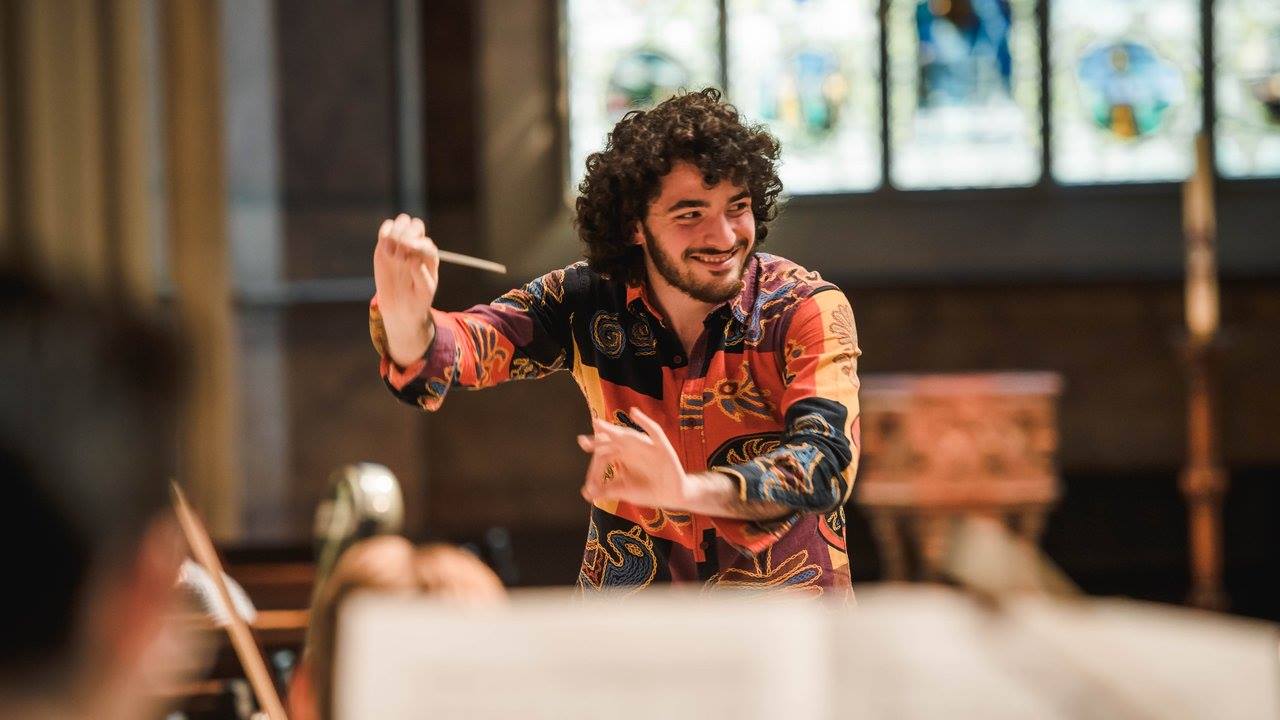
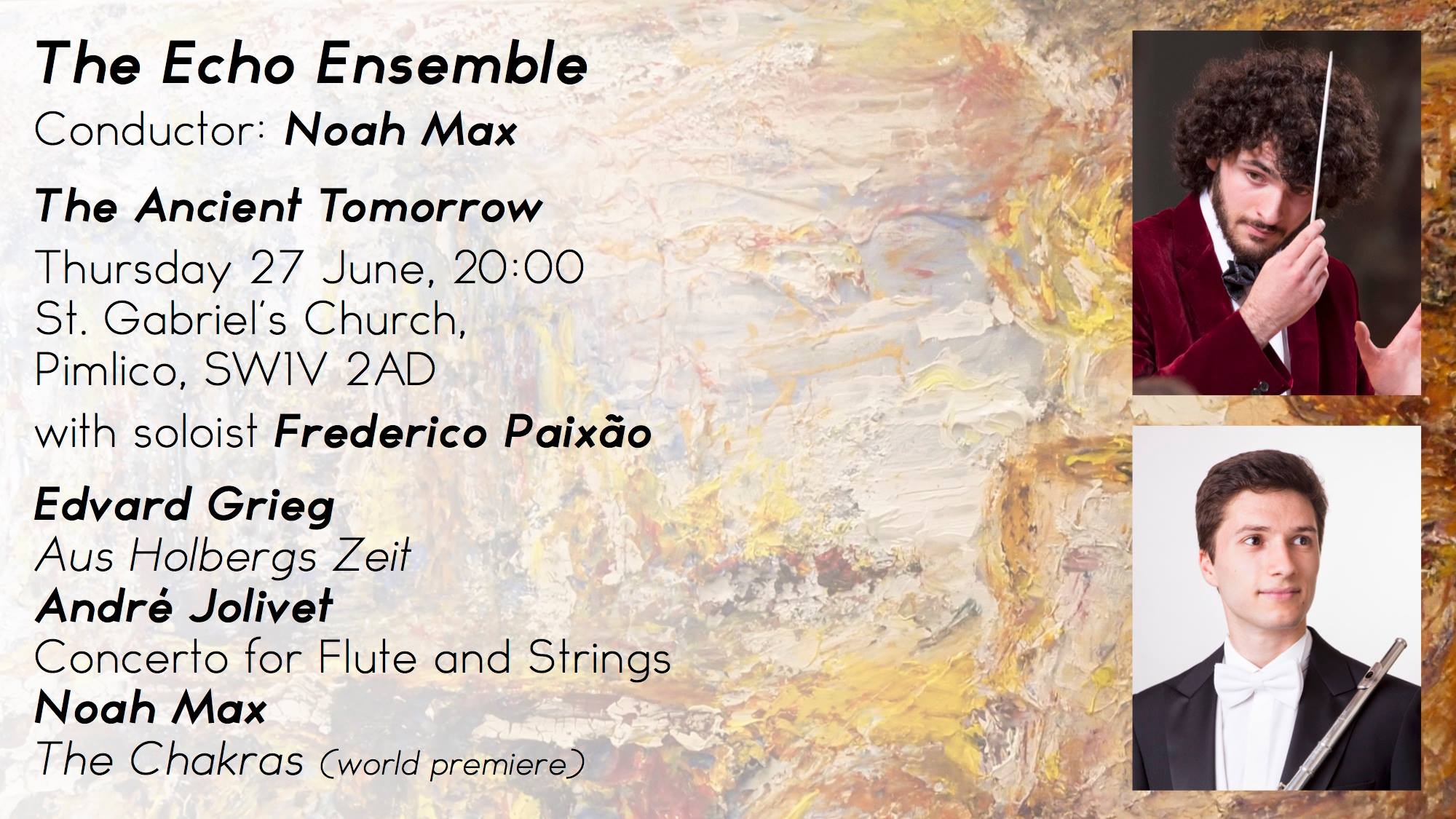

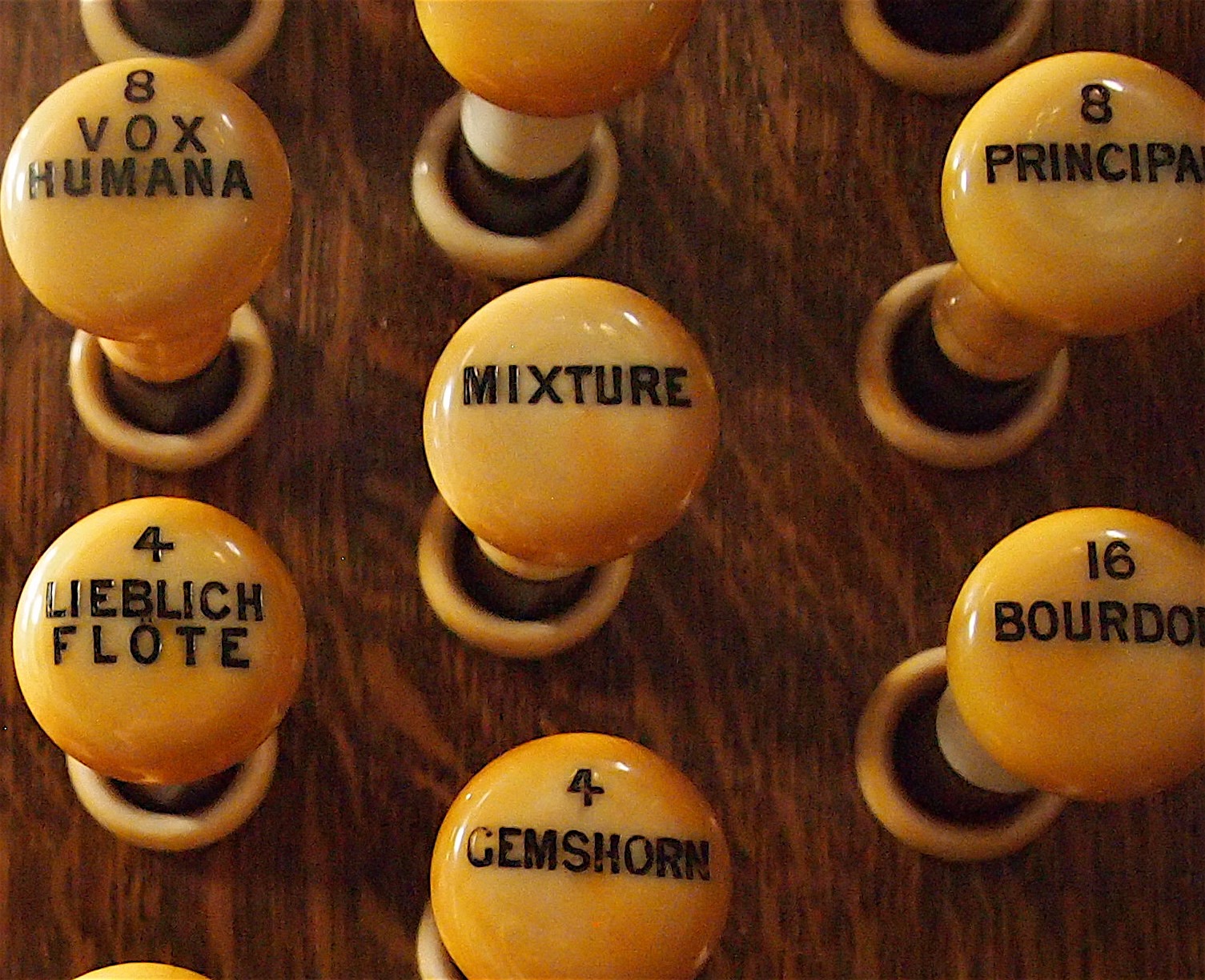



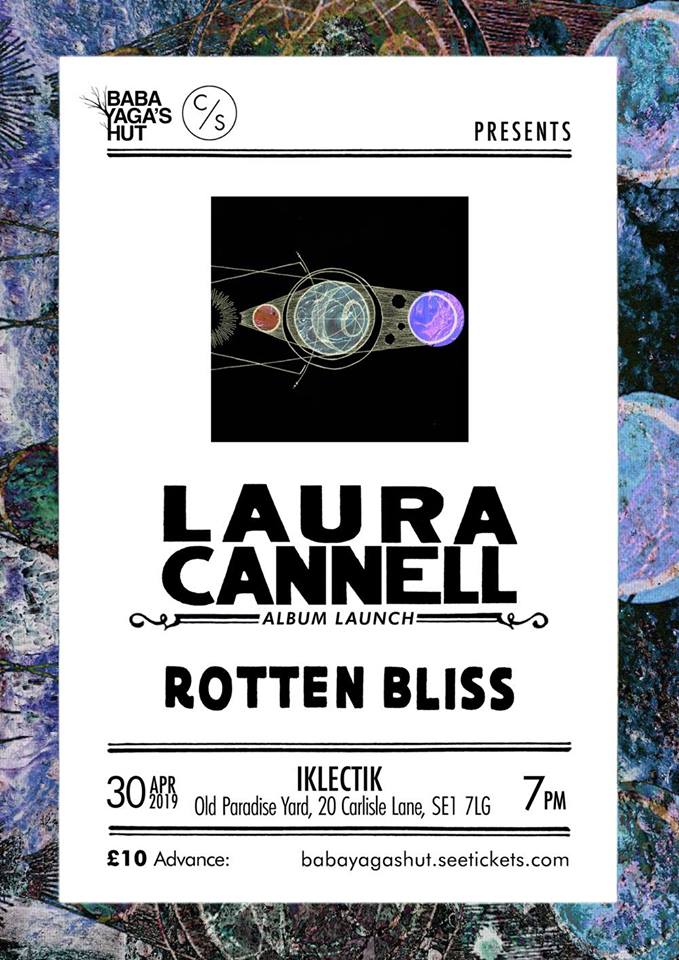


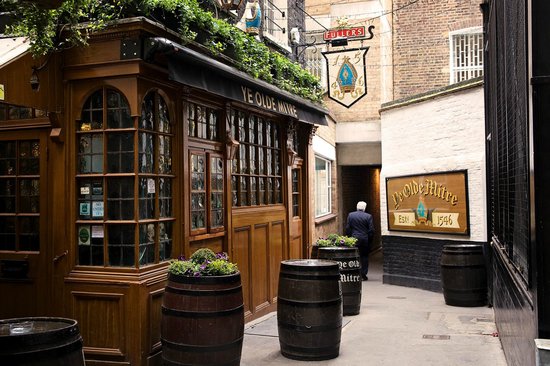
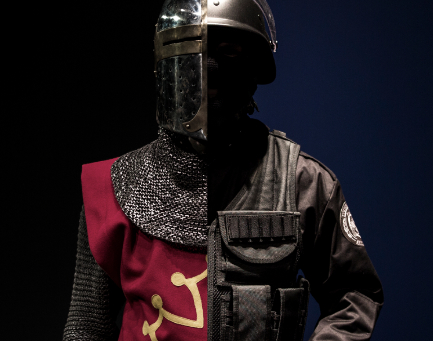
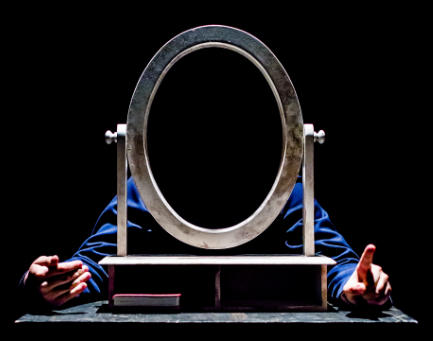
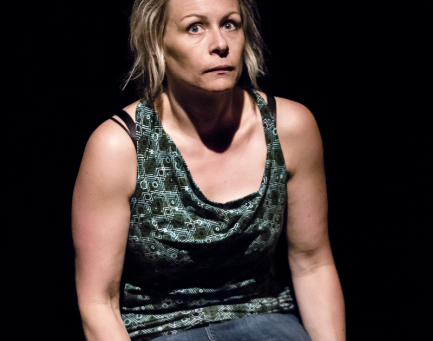
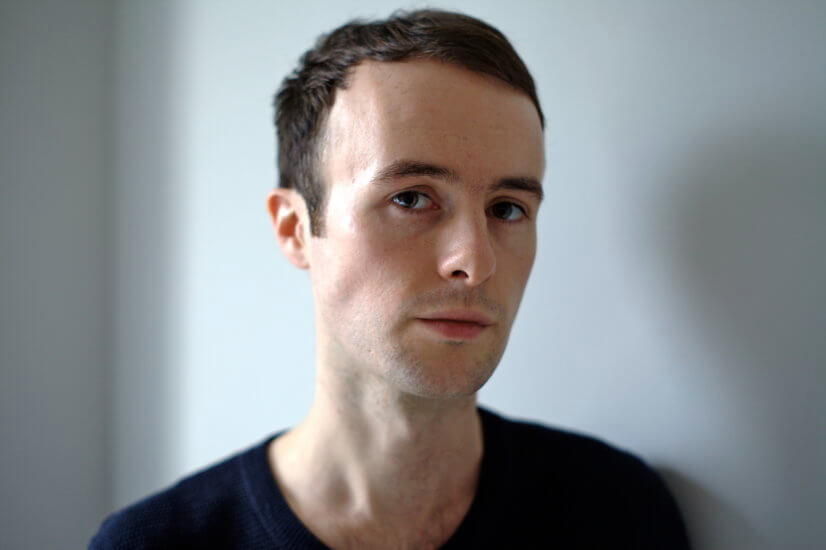
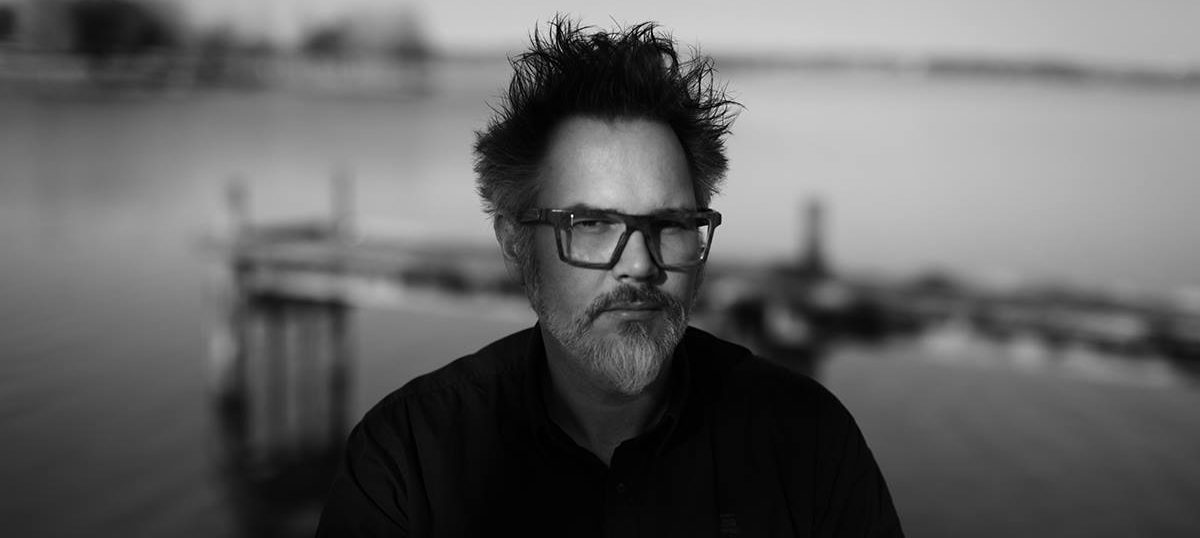
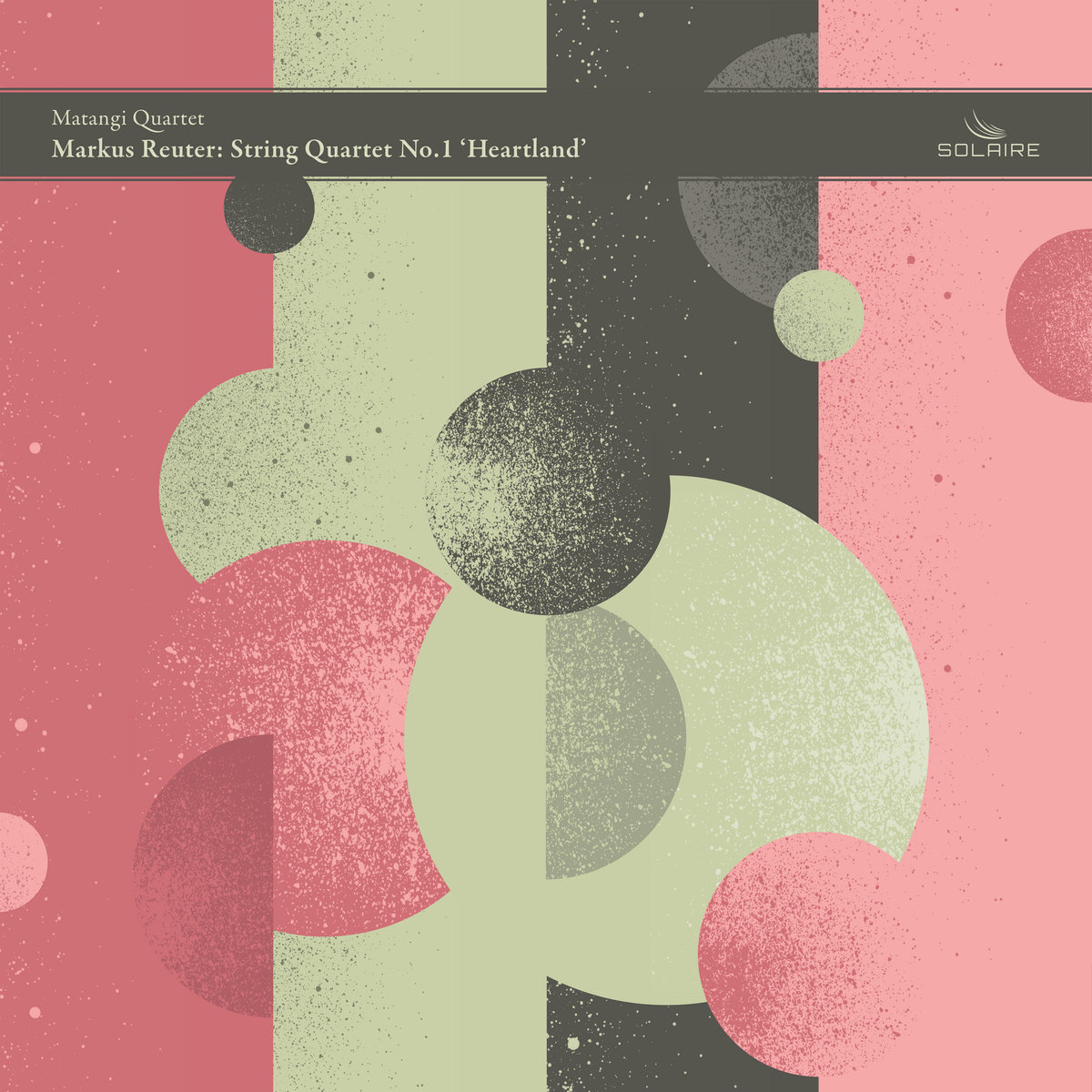
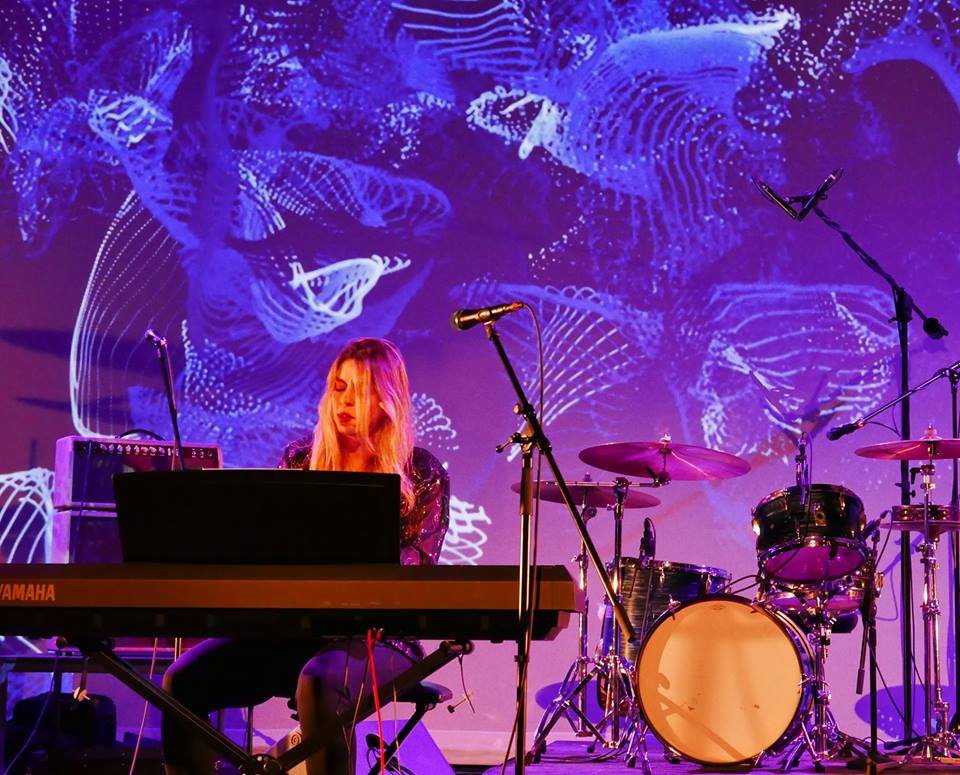



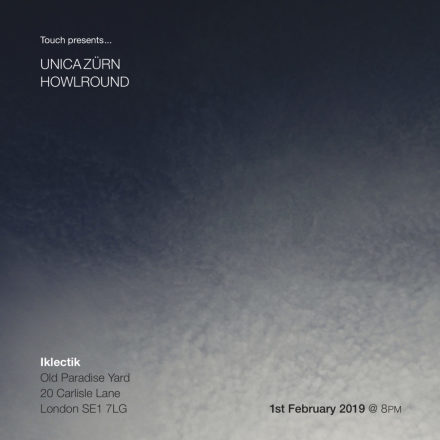


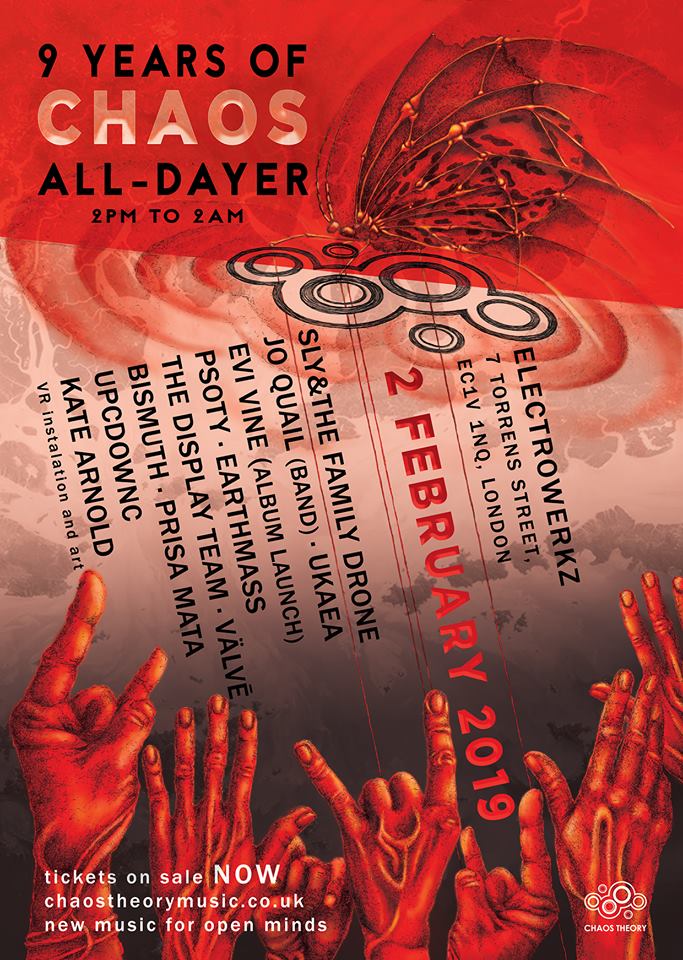
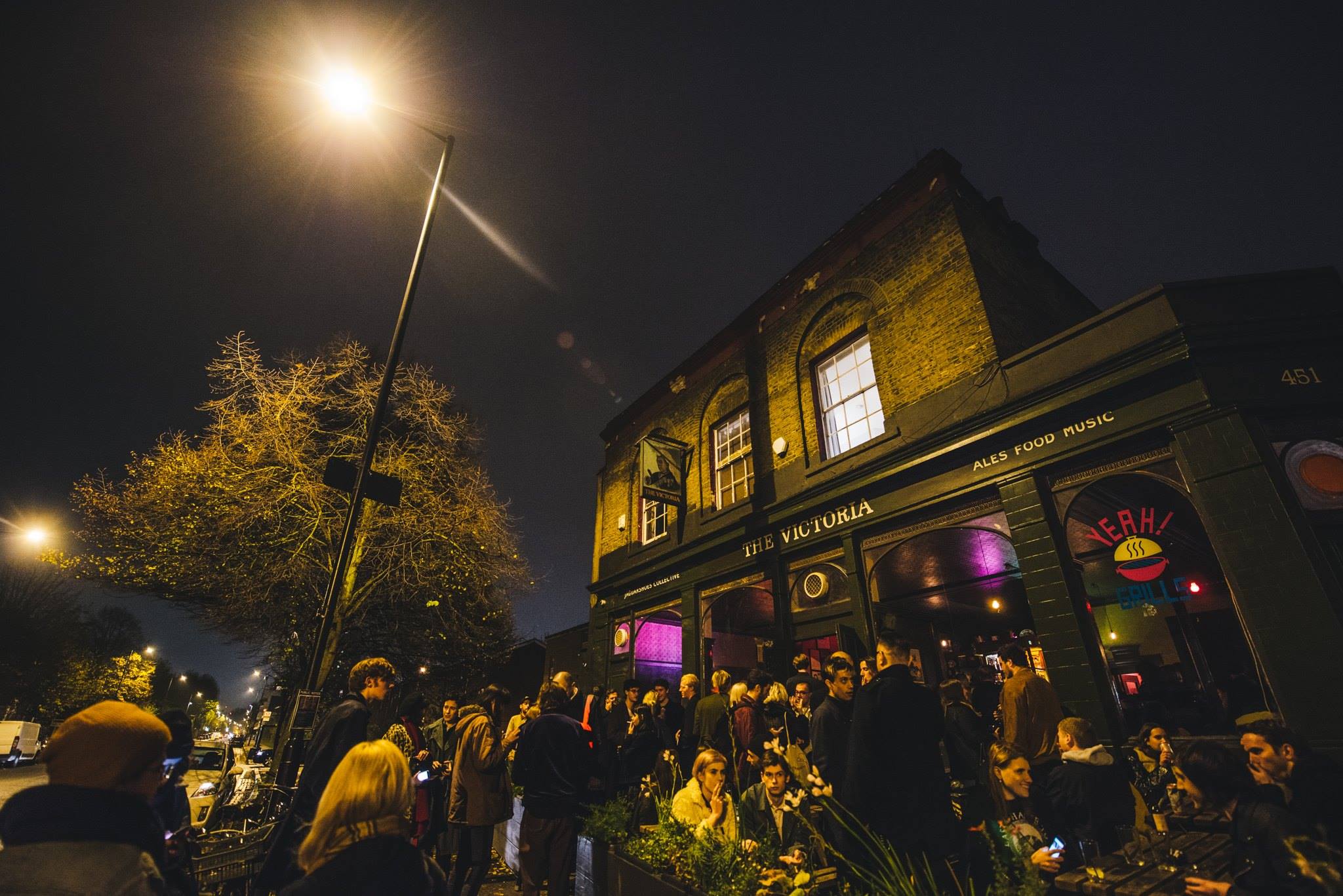





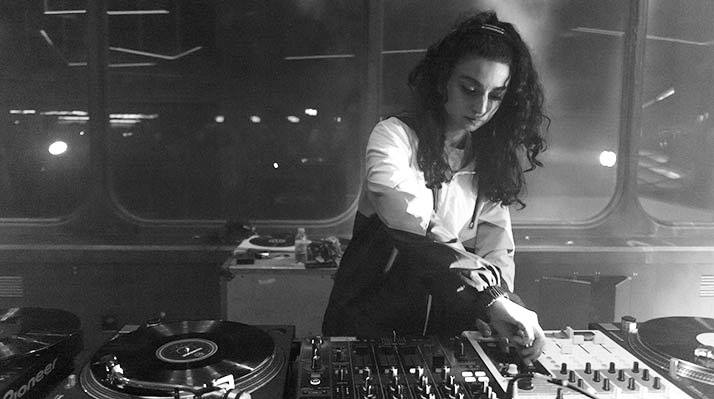




 Misfit City