Two imminent London jazz gigs which might be of interest…
* * * * * * * *
Jazz at The Richmond presents:
Bright Moments Trio with Graham Clark
The Richmond Arms, 1 Orchardson Street, Lisson Grove, London, NW8 8NG, England
Friday 15th April 2016, 8.00pm – more information
A low-key concert of “originals and standards” from the Bright Moments Trio (who are Jonathan Cohen on keyboards and vocals, Dave Fowler on drums and Francois Moreau on double bass. At this gig, they’re augmented by Graham Clark on violin.
All of which sounds bland – just another earnest listing at another jazz pub – unless you’re looking into the pedigree of the people involved. With Dave’s involvement with assorted Flimflam acts (such as free-yak London improv favourites Ya Basta!), a near-thirty-year journey for Francois across the New Wave of British Heavy Metal en route to blues and jazz, and Jonathan’s own tireless and enthrallingly broad body of work across multiple genres and instrumentation, theatre and conceptual songwriting (including, for the jazz purists, work with Alec Dankworth and Christine Tobin.) As for Graham – while he mostly presents as an obliging Buxton-based jazz violinist these days, his history takes in a stint with Gong and a long history of hook-ups with fervid Manchester improvisers and London players. Come along to this one: I think that you’ll be surprised.
* * * * * * * *
LUME presents:
Madwort Saxophone Quartet Hundred Years Gallery, 13 Pearson Street, Hoxton, London, E2 8JD, England
Saturday 16th April 2016, 7.30pm – more information
Blurb compiled from various sources:
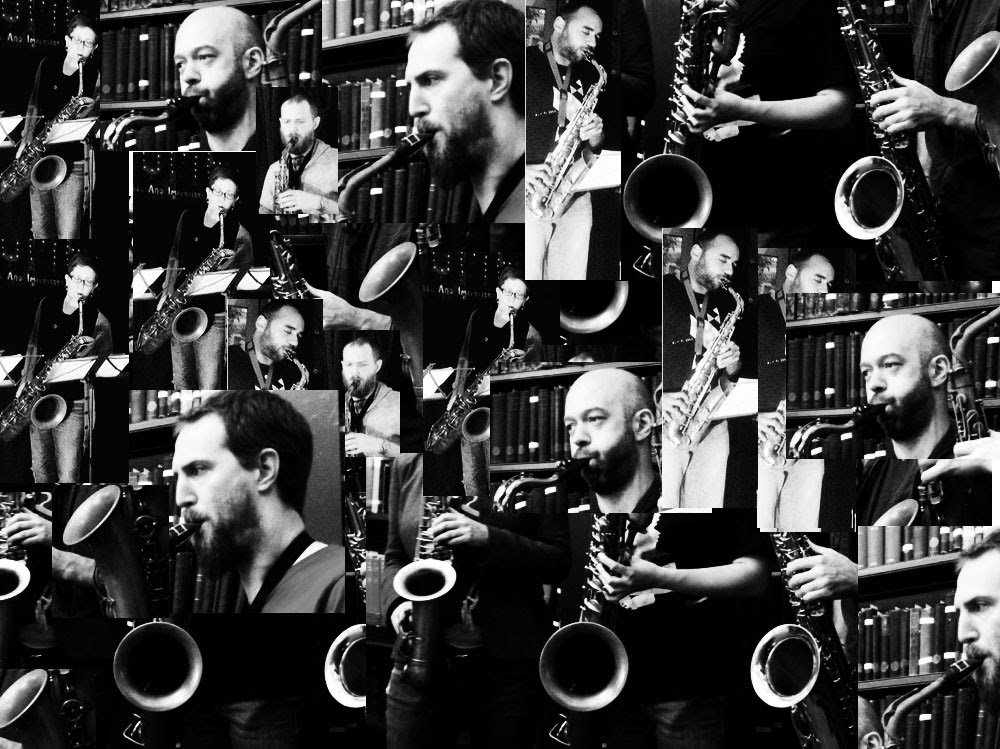
“We’re very happy to welcome the Madwort Sax Quartet – Tom Ward (alto saxophone/compositions); Chris Williams (alto/soprano saxophone); Andy Woolf (tenor sax); Cath Roberts (baritone saxophone) – to Hundred Years Gallery for an exciting event in the group’s life: the recording of their debut album. Yes indeed, this gig will be expertly captured by the technical wizardry of Alex Bonney for a future release. Having played a sold-out gig at Manchester Jazz Festival in the summer – ably assisted at the last minute by LUME’s own Dee Byrne – the quartet are now back on home turf for this special performance.
The band explores irregular grooves and unusual harmonies inspired by mathematics and numerology, framed by the intuitive expressionism of free improvisation. This is a challenging line-up that allows for beautifully blended harmonies, intricate polyrhythms and abrasive dissonances. Inspirations include the movement of the planet earth through space, Steve Coleman, pioneering saxophone quartet Rova, Tim Berne, and transcriptions of bird song. The group also explores contemporary techniques such as complex time signatures and metric modulations without the presence of a dedicated drummer or percussionist, and harmony without a chordal instrument. All of the members bring their own individual, contrasting voices to the saxophone: Andy’s warm-toned, mellifluous tenor; Chris’s assertive, energetic alto (familiar to fans of Led Bib); Tom’s lyrical, passionate but more reserved alto; and Cath’s fluid, assured baritone. When required, though, the ensemble manages to blend beautifully into a homogenous whole that belies these contrasts.”
Here’s a gig recording for you:
* * * * * * * *
While on the subject of LUME gigs, they’ve just put out a call for crowdfunding for their planned end-of-June London festival:
“We’re rounding off our 2015/16 season of gigs with the first ever LUME Festival. On Sunday 26th June we’re taking over IKLECTIK Art Lab near Waterloo for a one-day celebration of all things LUME: original and improvised music from the UK and beyond, friendly vibes and good times. To make it happen we’ve launched a Kickstarter campaign – and we need your support.
After three days of intensive listening and discussion, we’ve put together a day of fresh, cutting-edge new music that your ears won’t be able to get enough of. We had a tough time narrowing it down, but the final lineup is as follows:
Our core programme of LUME gigs this year is supported by Arts Council England, and there will be part of this funding left for the festival. There’s enough to put on about three bands and have a nice evening. But after all the amazing music we’ve listened to, that’s not quite enough for us. We want to do more – and this is where you come in. With your help, we can put on everyone in the list above and pack the day full of music. We’ve also invited Gina Southgate to come and capture the day on canvas, and Alex Fiennes to record the performances!
To make this happen we need to hit a Kickstarter target of £3500, all of which will go towards artist fees and travel expenses. Help us get there by treating yourself to a plethora of exciting rewards including early bird festival tickets and exclusive LUME Festival merchandise: posters, stickers and even limited edition LUME Festival t-shirts. Make sure you’ve got your fix of new original/improvised music sorted for the next twelve months by becoming a LUME member for 2016/17. Join LUME founders Cath and Dee on a special trip to the London Aquarium as an homage to our power animal, the anglerfish. Or for those of you who seek a more exclusive, one-off experience: commission leading avant-jazz quartet and LUME house band Word Of Moth to compose a tune in your honour, perform it at the festival and record it for inclusion on their forthcoming debut album. Yes, that’s a thing that could actually happen. Join us. Let’s do this!”
If you’re interested, here’s the link, and I’ve tracked down a couple of soundclips here.
As some of you may have guessed already, I’m treating this blog – including the long stretches during which I’m only posting up about live dates – as an ongoing education. Plenty of the musicians I’m covering I’ve only learned about shortly before covering them; in other cases, in pursuing their tour dates around Britain or elsewhere in the world, I’m learning about places, projects and initiatives which I might otherwise have been ignorant about.
I’ve posted plenty about Laura Cannell since the start of the year. Her slightly psychedelic yet deeply-rooted improvisations on early, mediaeval and imagined tunes and ideas (played on standard or overbowed fiddle or on double recorder) span and spark across several of my musical interests. As she makes her way across Britain this year in a meandering voyage from high-profile festival to half-hidden venue to multi-genre bill, I’m following along behind (at least with the gig news). Here’s where she is this week:
Playing in support is the Colchester experimental musician and sound artist Phil Mill, whose work “focuses on the use of field recordings and digital DIY softwares made for processing sound. He has recently been recording in a variety of locations in Europe, often associated with or identifiable as a territory or boundary between places and their sonic signatures. Phil’s music is often improvised, and he is currently developing software that reflects on this process – enabling the process of composition to reflect on the nature of the sound environment and the unpredictability of the soundscape.”
Below are videos of Laura in concert and one of ‘The Drifters’, a film soundtrack by Phil using only sounds from sea/environmental field recordings, which was commissioned for Colchester’s Lightbulb Festival in 2015.
* * * * * * * * *
In London, there’s another gig by one of the finest, most rubbery (and recently augmented) instrumental bands out there at the moment, playing hand-in-hand with some special guests in one of the city’s snuggest venues…
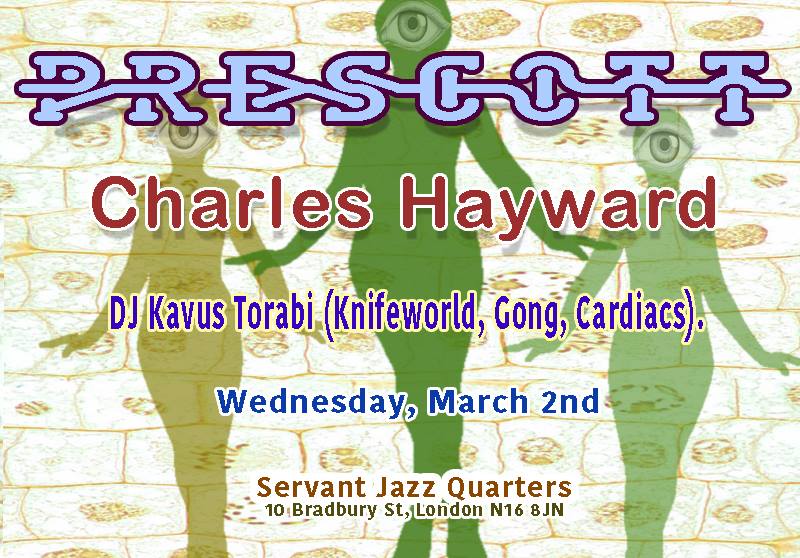
Prescott + Charles Hayward “begin anywhere” + Kavus Torabi (DJ) Servant Jazz Quarters, 10a Bradbury Street, Dalston, London, N16 8JN, England
Tuesday 2nd March 2016, 8.00pm – more information
“It’s the North London debut of a new-look, four-piece Prescott, featuring Keith Moliné (Pere Ubu, Two Pale Boys) alongside Kev Hopper (Stump), Rhodri Marsden (Scritti Politti) and Frank Byng (Snorkel, Crackle, many others). A mesmerising collection of new tunes featuring soaring melodies, nagging riffs and explosive sounds. Also, the legendary Charles Hayward (of This Heat and many other endeavours, including the recently resurgent This Is Not This Heat) will be at the piano with his (begin anywhere) project: “A solo song cycle sequence of betrayal, paranoia, subterfuge, as well as sound events, spoken word and percussion pieces, stark, minimal arrangements; an unexpected departure.” And binding the whole thing together from the safety of the DJ booth will be Kavus Torabi (Knifeworld, Gong, Cardiacs).”
I’ll just add this quote of my own here, from the last time Prescott played London:
“ a percolating musical alliance… According to The Harrison’s blurb, the band deliver “a curious mix of the melodic and discordant with syncopated funky, skewed beats and lopsided, sometimes jabbing riffs that emerge from a complex web of musical interactions and expand or contract like sections of a stuck record.”< The band themselves talk about "jabbing heteroclite riffs, circular rhythmic patterns, vibrating harmonic clashes, irregular note intervals, all contrasted with pockets of beautiful melody" and their trick of "microriffing" – repeating the same tiny melodic segment for “as long as they can hold their nerve” (out of a sense of persistence, a zest for irritancy or a desire to pay homage to loop culture) . I’ll add that while these descriptions make Prescott sound like a set of ticks on a battered art-music bingo card, they’re actually one of the most entertaining and even danceable bands I’ve seen in recent years; pumping out a surprisingly melodious batch of hiccups, peculiar grooves and inventive colours, and sometimes seeming to plug into a monstrous late-Miles Davis synth-fusion groove (entirely by mistake).”
There, that should do it – but here’s some video of the new-look Prescott quartet…
* * * * * * * * *
Lastly for now, something mixing classical drama, classical music and folk work…
Shakespeare400 presents:
Barbican Shakespeare Weekender – Play On…
‘A Hum About Mine Ears’: Clara Sanabras/Chorus Of Dissent/Vox Holloway/Britten Sinfonia, conducted by Harvey Brough
Barbican Hall @ Barbican Arts Centre, Silk Street, City of London, London, EC2Y 8DS, England
Sunday 6th March 2016, 6.00pm – more information here and here
“Shakespeare’s ‘The Tempest’ is set in new surroundings in this performance of vocalist and composer Clara Sanabras’s new album ‘A Hum About Mine Ears’. More than a simple soundtrack to the play, ‘A Hum About Mine Ears’ takes some of the ideas and themes in ‘The Tempest’ – loss and retrieval, exile and reunion – and relates them to Sanabras’s own experiences as an emigrant.
While some songs lift direct passages from the play, surrounding these in Britten Sinfonia’s soaring strings and the swirling vocals of choirs Chorus of Dissent and Vox Holloway, conducted by Harvey Brough, others place the characters in more modern settings – Sanabras’s powerful soprano solos casting Ariel as a festival-crazed free-loving spirit, or Miranda as a free and independent woman, emancipated from Prospero. Drawing on elements of everything from blues and jazz to European folk, see one of Shakespeare’s most famous works unravelled in a performance as deep, mysterious and expansive as ‘The Tempest’ itself.
This concert takes place as a part of Shakespeare400 – a year of celebrations in 2016 to mark the 400th anniversary of Shakespeare’s death.”
I didn’t catch up with this next tour until a couple of its January dates had gone by, but it’s still worth catching up with the rest of it:
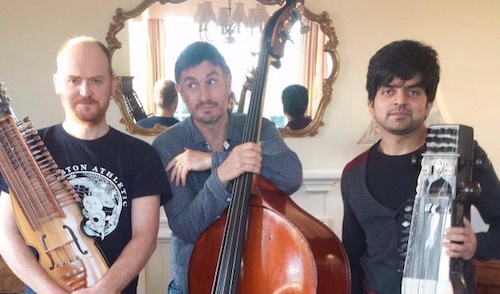
“Yorkston/Thorne/Khan are an experimental group that includes James Yorkston (hailed as one of the most “influential singer/songwriters on the Scottish folk scene”), Suhail Yusuf Khan (award winning sarangi player and classical singer from New Delhi) and Jon Thorne (best known as jazz double bass player with electro outfit Lamb). The trio are currently touring to support their collaborative debut album ‘Everything Sacred’, which was released in mid-January 2016.
This is Scottish-Irish-Indian-English music in the raw – Yorkston’s familiar steel guitar strings pulled, pushed and bent into more unfamiliar acoustic drones, the bass dropping anchors through the floor. Rather than world music per se, this sounds more idiosyncratic, a temporary structure bivouacking by the side of the indie-folk, art music tradition, while its widening horizons extend back to the Sixties heyday of the Incredible String Band, and forward to this singular album’s satellite orbit over the folk music, Indian classical and indie music of today – all these musical ley lines threaded into a new kind of eclectic, domestic setting.
James: “Playing together as Yorkston/Thorne/Khan, we tackle a wide array of different sounds and songs. Alongside pieces of our own, there’s a fair chunk of improvisation, plus covers of Ivor Cutler’s Little Black Buzzer and Lal Waterson’s Song For Thirza. Jon’s jazz background definitely comes to the fore, as does Suhail’s devotional singing and outstanding sarangi playing. I just do my best to keep up…”
Canton St John Music @ St John the Evangelist Church, St John’s Crescent, Canton, Cardiff, CF5 1NX, Wales, Saturday 27th February 2016(with Laura Moody + Toby Hay/Jim Ghedi) – more information
Komedia, 22-23 Westgate Street, Bath, BA1 1EP, England, Saturday 28th February 2016(with Laura Moody) – more information
Exeter Phoenix, Bradninch Place, Gandy Street, Exeter, EX4 3LS, England, Sunday 29th February 2016(with Laura Moody) – more information
Playing support on all of the dates apart from Norwich (and joining in for a few songs in the headlining set) is singer-songwriter and cellist extraordinaire Laura Moody, whose songs sometimes touch on the same areas of kinetic fantasy as Kate Bush, Tori Amos or Joanna Newsom, sometimes dip into the cool small details of a Julia Holter or Anja Garbarek, and sometimes summon up the haunting folk-contralto reveries of Kathleen Ferrier. Just before the tour starts, Laura will be playing her own London solo show, as follows:
Laura: “I’ve seen so many amazing performers at Pizza Express Jazz over the years – Kurt Elling, Ian Shaw, Gwyneth Herbert (and just one jazz/rock gig that I went to in terrible error and possibly may have feigned illness at so I could leave) – so I’m both excited and honoured to have been invited by music journalist and broadcaster Tina Edwards to play my music on that stage. It’s my first truly central London gig for a little while and as well as playing a load of tunes I will also be having an onstage chat with Tina, so you can get to hear some hilarious anecdotes about how some of these songs came about. But most importantly you can listen to a woman hitting herself with her own cello bow while you eat an American Romana with extra mozzarella.”
* * * * * * * *
In addition, the Sheffield and Cardiff gigs on the Yorkston Thorne Khan tour (21st and 27th February respectively) features extra support by Toby Hay and Jim Ghedi, following their appearance at Daylight Music earlier in the month. These shows, and more, dovetail into a Hay and Ghedi tour over the whole of February and the beginning of March.
From Sheffield and Rhayader respectively, Jim and Toby are young (yet assured and accomplished) masters of both fingerstyle acoustic guitar and the resurgent, omnivorous stylings of folk baroque. Both are seasoned performers and collaborators. During years of travelling, Jim has appeared on bills or in ensembles with James Blackshaw, Richard Dawson, Dead Rat Orchestra, Cam Deas, C Joynes, Stephanie Hladowski, Alasdair Roberts, Alex Nelson’s Death Shanties, The Big Eyes Family Players and Trembling Bells. While less widely travelled than Jim, Toby is rapidly becoming a British folk festival veteran and has taken support slots to Ryley Walker, Songhoy Blues and Marika Hackman.
Playing as a duo, they collectively draw sonic and compositional inspiration from African music (particularly kora music), Bert Jansch, jazz, Indian ragas, ancient Welsh harp music, Eastern European folklore, the Beat writers and John Fahey’s American Primitivism. For more details on how some of this turns out, there’s a ‘Misfit City’ review of Toby’s first EP here, plus a couple of videos below.
One of the main follows up to that Daylight Music appearance is a west Yorkshire show alongside two other formidable local talents:
Toby Hay/Jim Ghedi Duo + Dean McPhee + Saif Mode Fuse Art Space, 5-7 Rawson Place, Bradford, BD1 3QQ, England
Wednesday 17th February 2016 – more information
You’ve already read about Jim and Toby, so here’s the information on the other two performers:
“Dean McPhee is a West Yorkshire-based solo electric guitarist who plays a Fender Telecaster through a valve amp and effects pedals. Dean is a self-taught guitarist and has developed a unique style of playing over years of improvisation and experimentation. His influences include British folk, dub, Krautrock, post-rock, Moroccan trance and modal jazz. “The hallmark of McPhee’s style is a picked bassline and free-ranging variations on melodic ideas via a mesmerising progression of harmonics, cleanly picked notes, full chords and string-bending arabesques.” (‘The Wire’)
Saif Mode is the moniker of Ben Hunter. He improvises with modular synths to create dense sonic landscapes that are unique to each performance “marry(ing) meditative drones and techno improvisations, recalling the utopian dreams of the Atomic Age and the simple piety of the early church… equally at home on bills with improvised analogue electronica and raw black metal…” (Sheffield Anti Fascist Network).
The remaining dates of the Hay & Ghedi tour (including the Daylight Music appearance and their Yorkston Thorn Khan support slots) are below:
JT Soar, 2 Aberdeen St, Nottingham, NG3 1JB, England, Thursday 11th February 2016 – more information
Daylight Music @ Union Chapel, Compton Terrace, Islington, London, N1 2UN, England, Saturday 13th February 2016(free/pay-what-you-like event with Paperface + Dearbhla Minogue + The Leaf Library) – more information
House show, Leeds, England, Thursday 18th February 2016 – more information
Opus presents Gadabout @ Yellow Arch Studios, 30-26 Burton Road, Sheffield, S3 8BX, England, Sunday 21st February 2016(supporting Yorkston Thorne Khan + Laura Moody) – more information
Canton St John Music @ St John the Evangelist Church, St John’s Crescent, Canton, Cardiff, CF5 1NX, Wales, Saturday 27th February 2016(supporting Yorkston Thorne Khan + Laura Moody) – more information
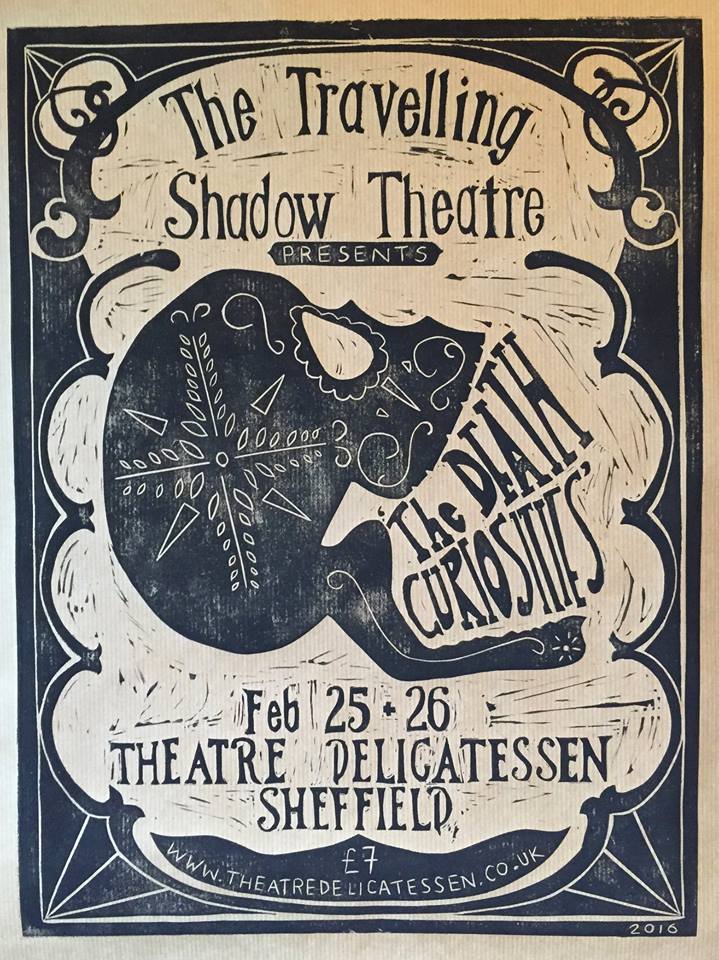
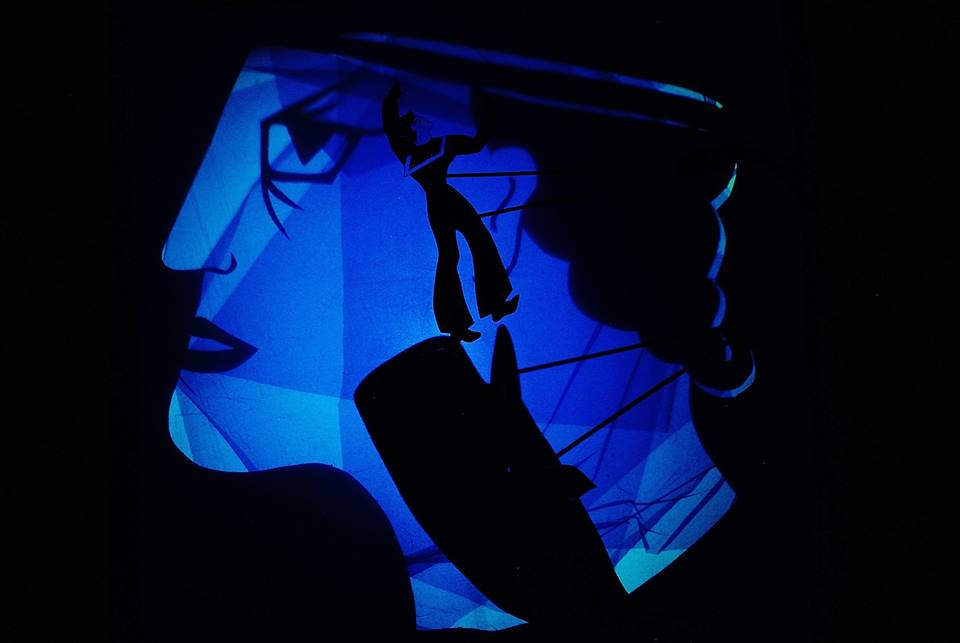
“Come on a journey inside an old cabinet to discover what forgotten objects remain….Stories unravel to reveal a beautifully vulgar and woeful celebration of the macabre…. Told through live shadow puppetry and music, ‘The Death Curiosities’ is a beautiful and mesmerising story exploring the unquestionable trimmings of death. Live musical accompaniment by Jim Ghedi, Toby Hay and Josh Kelson.”
More gig news shortly, including William D. Drake in Italy and a look at various upcoming classical music events…
A few posts ago, I covered Nonclassical and their various post-classical mashups. I’ve just cottoned on to the fact that they’re back with another one.
Inspired by Martinů (Czech Centre London + Nonclassical @ The Forge , 3-7 Delancey Street, Camden Town, London, NW1 7NL, UK, Wednesday 21st October 2015, 7.30pm) – £10.00/£12.00
‘Inspired by Martinů’ juxtaposes selected parts of the oeuvre of 20th century Czech composer Bohuslav Martinů (whose 125th birth anniversary we’ll celebrate in December this year), with London’s contemporary classical scene as represented by artists around the acclaimed Nonclassical label.
For this concert, Nonclassical founder, composer and DJ Gabriel Prokofiev (on laptop) will be joined onstage by piano virtuoso Lada Valešová, violin wunderkind Tereza Anna Přívratská (of Jubilee Quartet) and vibrant mezzo-soprano Lucie Špičková. They will be carrying out a unique attempt to reimagine Martinů’s most influential chamber pieces by creating real-time improvised soundtracks, avant-garde audiovisual installations and once-in-a-lifetime musical reworks.
Full details on and tickets for the event are here, with the Facebook page here. Nonclassical have been kind enough to point us towards a Martinů cheat sheet. I’ve probably plugged this a little too late for anybody else to enter the Martinů remix competition, but here’s the information on that if you’re interested. Here too is a video clip in which Nonclassical’s Eleanor Ward explaining some of the ideas behind both Nonclassical itself and the remix project.
As a fuller taste of Martinů, here are clips of part of one of his violin sonatas and a live performance of his Fantasie for theremin, oboe, string quartet and piano.
* * * * * * * *
Meanwhile, Daylight Music are setting aside the acoustic rock’n’folk songwriters for a week in order to take one of their occasional forays into contemporary classical fusion. Read on…
The Iskra String Quartet (their name meaning “a spark” – to ignite) is a London-based collaborative group of string players who enjoy making music together regardless of genre. The quartet has had a particularly strong relationship with Icelandic composer Johann Johannsson, whose music they’ve toured extensively across Europe: a particular highlight being a set of performances of Johannsson’s ‘The Miners’ Hymns’ in collaboration with American artist film maker Bill Morrison.
As sometime pop performers, Iskra has worked closely with pianist/composer Olafur Arnalds, with The xx (on the ‘Coexist’ album and on Jamie xx ‘s score for the ‘Tree Of Codes’ ballet) and with Radiohead (creating a string quartet remix of The Reckoner from ‘In Rainbows’) as well as with Vampire Weekend, Sufjan Stevens, Benjamin Francis Leftwich, Katie Melua, Duke Special and My Brightest Diamond. Recently they performed as a trio alongside The Lone Bellow on ‘Later…with Jools Holland’. Within the world of film and theatre soundtracks, Iskra have collaborated with composers Dustin O’Halloran, David Julyan (with whom they performed for the 177th Daylight Music concert in November 2014) and Alex Baranowski (on the twice-BAFTA- nominated film ‘McCullin’ and for Sir Nicholas Hytner’s National Theatre production of ‘Hamlet’ starring Rory Kinnear).
Iskra’s first release was the three-track ‘Discoveries & Inventions’ EP in 2010. Their forthcoming album, ‘Iskra’ (1613 Recordings, October 2015) celebrates their tenth anniversary and features contributions from composers previously linked with the group (Johann Johannsson, Olafur Arnalds, Alex Baranowski, David Julyan) as well as new composer collaborators (Peter Gregson, Luke Anthony, Paul Frith and Isobel Waller-Bridge).
Working as Minotaur Shock, Bristol-based David Edwards first made a name for himself nearly fifteen years ago via albums and EPs of wide-screen pastoral folk-tinged electronica incorporating field recordings and other instances of nature-love (he once released an EP with a title that might have been lifted from a birdwatching manual.) Of his five albums since 2001, the most recent is 2012’s ‘Orchard’ for which he returned to his original record label Melodic following a two-album stint with 4AD. ‘Orchard’ also saw him returning to the use of acoustic instrumentation (strings, flutes, clarinets) in addition to his own electronics, drums and “weedy acoustic guitar”. He has a previous connection with Iskra – his 2008 composition ‘Accelerated Footage At Night’ (originally released on the ‘Amateur Dramatics’ album) was rearranged and performed by the quartet on ‘Discoveries & Inventions’.
As a composer,Isobel Waller-Bridgehas worked primarily in television and theatre and film (she won the Best Composer award at 2014’s Underwire Film Festival for her score for Claire Oakley’s film ‘James’, and has scored multiple plays performed in venues across the UK). Her work spans a wide range from large scale orchestral music to experimental to folk, and has been performed in concert halls across Europe, USA and the UK (sometimes by a mixed ensemble of her own combining acoustic strings with piano, minimal sounds and electronics).
Her ‘Music For Strings‘ album, featuring six symphonic works for large string orchestra (including Untouched By A Storm, during which the orchestra divides into twenty separate string parts), was released in April this year. Isobel has recently been commissioned to write a ten-minute “cosmological” work to score projection-mapping of the story of the universe onto Durham Cathedral as part of the Lumiere Festival in November.
A special additional guest, Angus Macrae, will be playing piano at points during the afternoon. These will be in a similar vein to the pieces found on ‘Awake’, the debut EP released by Angus this year, which featured intimate piano improvisations with a backdrop of spiralling tape delays, distant voices and deep analog synthesisers.
Like Isobel, Angus is a composer-musician best known for his soundtrack and theatre work, having composed for a wide range of productions at venues in London and Edinburgh; for short films including this year’s ‘Interlude’ (winner of the 2015 Sci-Fi London 48 hour film challenge), ‘The Listener’, ‘Way Out’ and the documentary ‘On Guardian Mountain’; and for dance works including Wayne Parsons’ ‘Meeting’ and Tamsin Fitzgerald’s ‘Lucid Grounds’ (the latter in collaboration with Alex Baranowski.) A follow up to ‘Awake’ is currently in development with a planned release in late 2015.
Up-to-date info on this particular Daylight Music afternoon is here.
* * * * * * * *
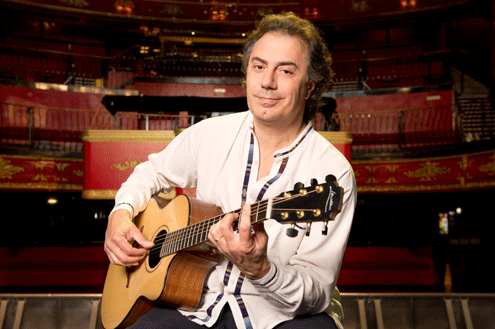
I first saw Pierre Bensusan many years ago at the Union Chapel. Although he was supporting fellow guitarist Antonio Forcione (who’s a master not only in terms of staggering technique but also in terms of showmanship), he more than held his own against the headliner’s prowess. Bensunan didn’t and doesn’t play with that hand-spinning percussive flash that’s in vogue with many acoustic fingerstyle guitarists, then and now (including Forcione and Jon Gomm, above). He didn’t need to. Instead he offered a deep, communicatory and involved playing style with a depth and complexity all of its own, drawing from his own French-Algerian-Sephardic background and broad listening, interweaving a host of simultaneous techniques from traditional to jazz to neo-acoustic, and spinning out polyphonic melodies as sun-warmed and vivid as a Mediterranean afternoon. He was a pleasure to hear.. and he’s back in London for three dates this coming week.
Pierre Bensusan (The Half Moon, 93 Lower Richmond Rd, Putney, London SW15 1EU, London, UK, Sunday 25th to Tuesday 27th October 2015, 8.00pm) – £10.00/£12.00
Here’s the tour blurb…
The “Mozart of Guitar” is back in the UK. Over the past forty years, fingerstyle acoustic guitar virtuoso Pierre Bensusan has taken his unique blend of world, Celtic, jazz and folk inspired music to all corners of the globe. Winner of the 2014 Independent Music Award in the Live Performance Album category for his triple live album ‘Ecore’ Pierre is recognized as one of the great guitar players of the 21st century. Described as a “genius” by the likes of Jon Gomm and ‘Melody Maker’, immortalised by the tune ‘Bensusan’ written in tribute by the late Michael Hedges, and referenced as an important inspiration to many other great musicians, Pierre Bensusan is a one-of-a-kind artist whose music transcends genre and time.
“How the guitar would want to sound if it could play itself” … in Pierre’s music there is an uninhibited sense of musical freedom and expression, a sense of something both playful and serious, otherworldly yet right here right now. His “manner” of playing defies classification – crossing world, classical, jazz, traditional, folk and more. None can be isolated as simply “world music”, “Celtic”, “Arabic” or “French”; rather, they represent our world in its current state, a world sharing itself, fusing cultures together in ways we have never experienced. Not to be missed!
* * * * * * * *
The final October gig previews are coming up shortly, plus the first November ones…
One of the reasons that I’ve been posting so many concert previews recently is simply that (being mostly homebound at the moment) I miss going to gigs. Looking at the lineup and scope of the 2015 Manchester Jazz Festival (which starts today and runs rampant for ten days through until 9th August) reminds me that not only do I regret not attending the wealth of music that takes place here in London, but that I miss more freewheeling days of music elsewhere. Discovering unexpected, treasurable bands at random while on holiday in Brugge, for instance; or immersing myself in a week of concerts and more in Edinburgh or Leeds (such as the one I reviewed here, over a decade ago.)
We know that, as a British pop and dance city, Manchester punches well above its weight. Despite a bubbling undercurrent of improvised music, its reputation as a jazz town is hazier…. or, more probably, I’m just ignorant. The Festival’s been going for twenty years, long enough to gain enough gravity to generate its own traditions. (One such is ‘Surroundings’, a longer-form ensemble piece by Salford composer Neil Yates. Commissioned for the festival in 2010, it seems to have become the event’s unofficial signature – this year, it’s being revisited as a quartet performance in the Central Library Reading Room.)
Even a quick sift through this year’s programme reveals a jazz party that any city would be proud of – diverse, inclusive, inviting and multi-levelled, an exciting noise ranging from the stately to the vividly scraggled and all the better for it. With many tickets going at only four pounds, (with a ten-pound all-events daily ticket and free-entry deals if you stump up as a low-level event sponsor), they could hardly have made it any more inviting to the casual walker-upper. Excuse me for a moment while I strip-mine press releases and YouTube, and check Soundcloud pages and Bandcamp links.
Starting with the higher-end, bigger name events… Acclaimed Blue Note pianist Robert Glasper slips away from his experimentations with latterday R’n’B to get back to basics with an acoustic trio; John Surman re-teams with the Trans4mation String Quartet to revive the thoughtful, tidally-deep music from his ‘Coruscating’ and ‘The Spaces in Between’ albums. Norma Winstone, Klaus Gesing and Glauco Venier bring along their trans-European project Distances. Partisansbring their transatlantic swing storm; Christine Tobin her ‘Thousand Kisses Deep’ jazzification of Leonard Cohen songs. French Jazz Musician of the Year Airelle Besson makes an appearance with her Quartet for a set of “gently experimental songs animated by heartfelt lyrics, plaintive melodies and rolling harmonies.” backed with pinballing rhythms and punchy countersyncopations.
There are heavyweight two-headed summit performances by acclaimed British jazz talents – one by frequent quartet buddies Mike Walker andGwilym Simcock, another by the more recent pairing of Tori Freestoneand Alcyona Mick. Two further British scene fast risers – Stuart McCallum and Alice Zawadzki – bring string-enhanced performances of ongoing projects (the former offering contemporary soul jazz and bass-heavy electronica with surprise guest singers, the latter a fantastical Mancunian song cycle influenced by various shades of love and fairytale).
There are also several of those gentler, more literate projects which seem to blossom best in a festival atmosphere away from a hot core of gutsy brass. Andrew Woodhead and Holly Thomas’ Snapdragontrio specialize in chilled, ethereal song-settings of literature and poetry (Larkin and Bukowski-inspired) and bursts of vocalese. Mark Pringle‘s A Moveable Feast mates orchestral strings with a bold horn and rhythm section to explore “themes of wildlife, literature and city chaos.” The “fractured Anglicana” of Hugh Nankivell’s multi-instrumental/four-part vocal quartet Natural Causes means that they perform “curious compositions with improbable but poignant texts” including “psychedelic lullabies, pinprick-precise ballads, unpredictable group improvisation and brotherly harmony across the board”, and music which draws on classic and contemporary art pop (Robert Wyatt, XTC and Björk) as much as it does on jazz sources.
Elsewhere, much of the polyglot diversity of jazz today is celebrated. The Cuban tradition is represented by the Pepe Rivero Trio and Orquesta Timbala; the Congolese by Eddy Tshepe Tshepela‘s Afrika Jazz. Central and South American ideas are brought along byAgua Pasa (who, with Dudley Nesbit’s steel pan project Pan Jumby, also touch on the Caribbean). The Quarry Hillbillies (a teaming ofUlrich Elbracht, Ed Jones, Jamil Sheriff) from European contemporary jazz, while the frenetic whirl of Eastern European folk elements are covered by Makanitza. The Gorka Benítez Trio move between Basque-flavoured small group jazz and compelling free-form impressionism. David Austin Grey’s Hansu-Tori ensemble is inspired by natural, elemental and cinematic” ideas, as well as a fascination with Eastern world culture. Percussionist Felix Higginbottom’s Hans Prya provides genre-hopping jazz-dance and Jim Molyneux’s Glowrogues favour funk and hip-hop flavoured pieces. Trumpeter Lily Carassik‘s fusion group Yesa Sikyitake ideas from the ’50s and blend them with popular standards and soul arrangements; while The Stretch Trio include glossier elements from ’70s jazz rock, progressive rock and ’80s pop along with sinuous gusts of wind synth.
Those who prefer classic jazz – more traditional by-the-book American styles – might prefer Russell Henderson and Jamie Taylor’s Ellington-and-Strayhorn tribute ‘The Intimacy Of The Blues’, or the Dan Whieldon Trio‘s salute to Gershwin. The Dave Kane Quartet take inspiration from the knottier ambitions of Charles Mingus, John Zorn and Eric Dolphy. Two groups of students from the Royal Northern College of Music provide live celebrations of the history which they’ve been learning – the James Girling Quintet spans jazz, blues and funk from New Orleans roots through to the 1960s, while the Nick Conn Octet (a self-described “trombone choir”) interweaves re-arranged jazz classics with original material.
Fans of New Orleans jazz can check out genuine New Orleaners The Session (who offer a past-present take on their hometown’s music), or look out for the street sounds of the New York Brass Band (actually from old York, the cheeky buggers) or see how the Riot Jazz Brass Band dust up old New Orleans sounds with dancefloor, dubstep and drum-and-bass incursions. Hot jazz/Gypsy/jazz manouche aficionados can go for the loving recreations of 52 Skidoo (who promise you prohibition speakeasies, rent parties and Tin Pan Alley) or for Gypsies Of Bohemia, who manouche-ify latterday pop songs such as Heart Of Glass, Toxic and Hot In Herre. (Being Mancunian, they also do This Charming Man – I’ll bet that that high-life opening riff translates pretty well).
Of course, much of the fun of a jazz festival involves catching a lesser-known, or even unknown, band carving away at the edge, furiously discovering – and there are plenty of those here. Since they drew me into covering the festival in the first place, I’m going to put a particular word in for Jon Thorne’s Sunshine Brothers (playing at Matt & Phreds on 4th August) in which the double bass/laptop-wielding Jon teams up with drummer Rob Turner (of Blue Note-signed breakbeat jazz electronicists GoGo Penguin) and looping poly-genre bass guitarist Steve Lawson (a ‘Misfit City’ regular) for “a cutting-edge trio of genre-defying musicians mixing jazz, improvisation, electronic and filmic soundscapes to euphoric effect, evoking sounds far removed from their bass origins.”
However, you could just as easily catch a full performance by GoGo Penguin themselves; or by Lauren Kinsella’s Blue-Eyed Hawk, who offer “art-rock, jazz and electronic soundworlds: imaginative and emotive, from pindrop to powerhouse.” The Madwort Saxophone Quartet play intricate four-part math-jazz. “Power-jazz commando team”Taupe (a triple-city trio from Manchester, Newcastle and Edinburgh) punch around themes from jazz, hip hop and heavy metal. Craig Scott’s Lobotomy seem determined to take the cake for upfront experimental exhilaration this time around, delivering shout-outs to John Cage, Captain Beefheart and Frank Zappa, proclaiming a performance in which “experimental jazz rubs shoulders with electronica and DIY alternative rock in a bubbling cauldron of live and recorded sounds” and promising to sample and reconstruction their own improvisations live on stage. There’ll also be a improvised summit involving bands associated with Manchester’s Efpi Records and Paris’ Onze Heures Onze collective.
One way into discovery is to take advantage of the free showcases for emerging bands. Care of the BBC’s ‘Jazz On 3’, London offers three bands – Nérija ( the all-female creative septet from the Tomorrow’s Warriors jazz school), the award-winning piano jazz of the Ashley Henry Trio and the decidedly psychedelic Phaze Theory (a quartet of drums, tuba, voice and guitar dedicated to “exploring the vastness of the musical cosmos”).
But perhaps it’s Jazz North’s Northern Line series that you should be checking out, showcasing bands from the north and the Midlands. Manchester offers the Iain Dixon/Les Chisnall Duo (whose repertoire of self-defined standards stretches from Messaien to Gracie Fields) and the John Bailey Quintet (guitar-led, and similarly inspired by twentieth century classical music). Newcastle provides barrel-house blues and ballads from The Lindsay Hannon Plus and the tricky free jazz/folk/rock/dancefloor entwinings of the Graeme Wilson Quartet. Lancaster and Liverpool provide one act apiece – Andrew Grew’s “total improvisers”The Grew Quartet and the “gothic bebop” of Blind Monk Trio, who claim to fuse the spirit of Thelonius Monk with Persian traditional music and the heavy-rock attitude of Led Zeppelin and Nirvana’s heavy-rock attitude.
However, it’s Leeds (still underrated as a musical powerhouse despite the world-class output of its music college and the vigorous inventiveness of its bands) which dominates the Northern Line. As well as providing the previously-mentioned Pan Jumby, Leeds brings the Portuguese/African/Latin and Indian song-fusions of Manjula, the Django Reinhardt swing of the Matt Holborn Quartet, Cameron Vale‘s ferociously energetic melange of jazz, metal, electronica, Afrobeat and Klezmer and the semi-electric “extreme, eerie to comic” improvisations of Tipping Point (featuring perpetual bad-boy pianist Matthew Bourne). Friendly rivalry aside, there’s also co-operation: Leeds, Manchester and Liverpool all join forces in The Bugalu Foundation for a Latin barrio take on northern soul.
Around all of this jazz there’s the usual happy agglomeration of related music – not quite jazz in itself, but possibly sharing a drink or a roll-up somewhere along the way. The festival covers various popular outcropping such as soul (in assorted Northern, jazz and diva forms courtesy of The Juggernaut Love Band, Terry Shaltiel & The Soultroopers, Charlie Cooper & The CCs) but also ’60s/‘70s funk (Buffalo Brothers), ’70s Afrobeat and Ethiopian pop (Kalakuta), ska (Baked à la Ska) and mbalax (Mamadou & The Super Libidor Band). There’s even an alt-country act (Stevie Williams & The Most Wanted Band) sneaking in at the back door. As for rock’n’roll/folk/reggae/swing scavengers The Flat Cap 3… well, for starters, there’s only two of them, so you can be dubious about anything else you might read, but don’t let that put you off.
Three female songwriters are also bringing their bands, coming from a folk or world music zone and overlapping into jazz. Kirsty McGeeleads her Hobopop Collective through a “joyful, dirty” sound drawing from gospel, blues and a collection of found instruments (including musical saw, waterphone, Humber hubcaps and metal buckets). The constantly shifting song landscapes of the Zoe Kyoti Trio draw from their leader’s Armenian and Greek heritage (as well as Cajun, European and Indian ideas). Saluting home-brewed British polyculture, Shama Rahman‘s ensemble explore her London home, her Bangladeshi roots, and her childhood memories of Middle Eastern desert landscapes in a “sitar,stories and song” melange of jazz-inspired improvisation, classically-inspired melodies and folk-inspired storytelling accompanied by energetic rhythms of swing, funk, hip hop, bossa nova and drum’n’bass.
For parents of very young children, needing to balance a jazz fix with family responsibilities, there are a couple of fully interactive kids’ events with activities, storytelling and improvisations. The Living Story Music Ensemble and illustrator Ann Gilligan collaborate on ‘I Have A Duck Who Can Roar’; the blues-and-roots-tingedHillary Step Quartet work with storyteller Ursula Holden Gill and dancers from The Dalcroze Societyfor ‘How Monkey Found His Swing’. Once the kids are attended to, there are still interactive events for the grown-ups, whether you’re talking about the all-in jazz vinyl night, the mixed-genre dj sets by Mr Scruff, Franny Eubanks‘ open-door blues jam or (for the more technologically inquisitive) Rodrigo Constanzo‘s showcasing of his dfscore software. The latter’s a creative music tool, cueing improvisers via graphical, visual and written clues: on this occasion, anyone with an instrument and a connectible smartphone/tablet/pad should be able to roll up and join in with the roar, joining some leading improvisers in performing music in tandem with the system.
For those remaining soundclips which I’ve not already snatched and pasted, visit the MJF Soundcloud page here … but better yet, if you’re anywhere near Manchester over the next few weeks, drop in at the festival (it’s hard to miss, considering that it’s not just hiding behind club doors but has effectively taken over the town’s main square for a fortnight). Seeing something this impressive light up and roll on fills me with delight – even if on this occasion I’m also filled with rue at not being able to go myself. But never mind me…
Next week sees the first gig (for some time) for one of the most interesting of current British rock bands; some high-gloss cabaret; and the start of a psychedelic pop roadshow travelling around the UK. Read on…
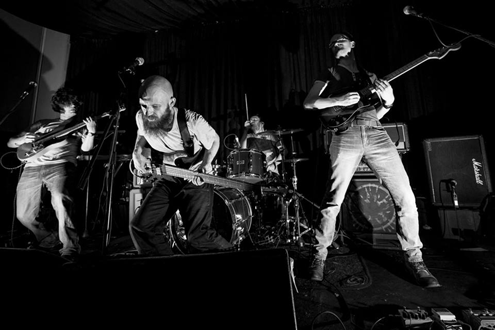
Thumpermonkey don’t get as much attention as they deserve. It’s possible that this is because they don’t seem to take things seriously, addressing almost everything with a skewed and multi-levelled sense of cryptic grand-baroque geek humour. Just to illustrate this – a current work-in-progress Thumpermonkey song is “something which we’re calling Giraffes, which includes some vague narrative about doing a conga during an asteroid-based extinction-level event.” One of their older albums is called ‘Chap With The Wings, Five Rounds Rapid’ – a wry kill-the-monsters line filched from ‘Doctor Who”s laconic and unflappable Brigadier. In the same spirit as that reference, I’d suggest that while they are serious about what they do, they’re not necessarily serious about the way they do it – like many of my favourite things.
If what I’ve written so far leads you to expect strained, fey, sub-Zappa wackiness, then think again. Both in the flesh and on record, Thumpermonkey are a brooding and atmospheric proposition – seriously musical, travelling from blitzingly heavy quasi-metal riffs to spidery post-rock, from threshing post-hardcore to theatrical mane-tossing prog at a moment’s notice while Michael Woodman’s grand edgy vocals and complex multi-levelled lyrics ride on top like an arcane mahout with an arched eyebrow. They’ve been called “a sustained victory for intuitive cross-pollination” by ‘Prog’ magazine and every gig they play confirms this particular accolade. Here they are playing 419 (a song which at first appears to be one of their more delicate offerings, revealing its intensities later).
The other two bands on the bill are less well known to me, but aren’t short of blurb:
The Earls Of Mars are probably the most original thing you’ll hear all year. At their heart, the band are a ’70s-influenced rock band bringing together jazz, prog, space rock, doom and blues and forming it into a barking mad noise that you’ll either get or you won’t. If you don’t get it then close the door on your way out of the spaceship, as those of us who want to stay are off on a fantastical journey to who-knows-where, with The Earls Of Mars steering the ship. Enjoy the trip, ladies and gentlemen, as it’s going to be a fun ride.
Ham Legion‘s noisy lo-fi pop is punctuated with proggy outbursts, psychedelic breakdowns and passages of cod-metal joy. Tangy and tart guitar, egg noddle bass lines and light crispy drums are smothered in gooey boy/girl harmonies. Eat in or take away. For fans of Cardiacs, Deerhoof, They Might Be Giants, Split Enz, Heavy Vegetable.
Judge for yourselves – here are the videos for the Earls’ ‘Astronomer Pig’ single from last year, followed by some footage of a Ham Legion gig in Brighton a couple of years ago. As for tickets, they’re available here.
* * * * *
The day after the Thumpermonkey gig, Holly Penfield plays one of her biggest gigs of the year…
Holly Penfield sings Judy Garland, The Hippodrome Casino, Cranbourn Street, Leicester Square, London, WC2H 7JH, UK, Friday 31st July 2015, 8.00pm) – £15.00 and upwards
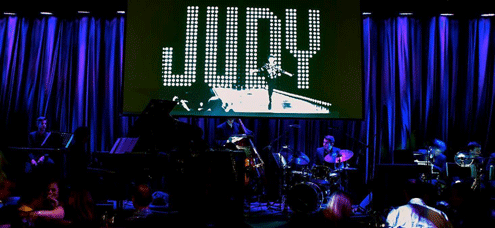
Following a triumphant debut last year, Holly returns to the London Hippodrome, singing the songs of the legendary Judy Garland in her own inimitable style. Holly will be joined by her musical director Sam Watts and his magnificent seven-piece band. An unmissable evening for Holly and Judy fans alike, set in the glorious Matcham Room, located inside the Hippodrome Casino – formerly known as The Talk Of The Town, this is the venue of legends and home to Judy’s final London concerts.
Longer-term readers will know that I got to know Holly years ago via her own original ‘Fragile Human Monster Show‘ and the ‘Parts Of My Privacy’ album (which I wrote about ages ago – that review’s due a revamp and remount, I think). Both of those, though original songwriter pop, had their own theatrical and psychodynamic aspects which pointed towards Holly’s current work in vivid cabaret (and, latterly, as half of swing revivalists The Cricklewood Cats). As for Holly’s interpretations, she can and does cover cute showbiz camp and heart-tugging pathos within the same performance – you can see a couple of examples below.
Up-to-date information on the Judy concert is here and here, while tickets are available here. A mischievous part of me fancies swapping the audience from Holly’s show with the one from the Thumpermonkey/Earls/Ham Legion gig, and vice versa. I suspect that they all might enjoy it more than they’d expect to…
* * * * *
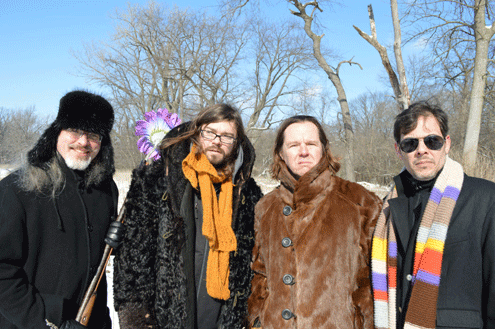
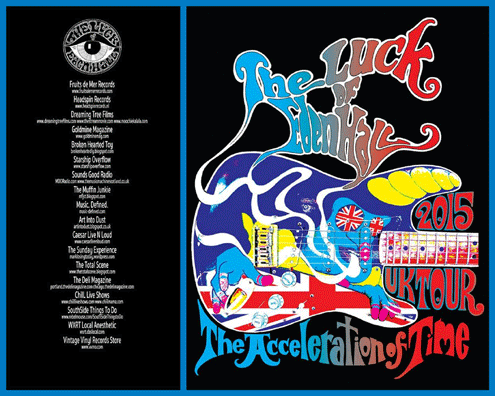
On the same night that Thumpermonkey and co. play, The Luck Of Eden Hall are over from Chicago to play the first of two London gigs, launching a Kickstarter-funded UK tour which will take them to a wide array of venues and mini-festivals around England, Scotland and Wales, accompanied by a shifting cast of local psych heroes, left-field blues artists and quirky alt.pop shoegazers.
As for the headliners, you can expect clear-voiced, well-made classic pop beset by sudden gusts of psychedelic blizzarding. The Luck Of Eden Hall remind me of the drawn-out trucker-and-motorist tussle in ‘Duel’ – they come across like a more sombre Neil Finn or Andy Sturmer being stalked, dogged and sideswiped by Hawkwind, Ride or ‘Saucerful’-era Pink Floyd. Here’s a little evidence:
When the most wilful, please-yourselves mavericks start winning awards, it ensures that – whether they like it or not – they can never again be quite the young turks they started out as. Whether you dismiss them or embrace them, awards ceremony transmute. They can chuck a bucket of seriousness over the winners, which can either damp them down or inflame them further. Smooth or savage, they’re plucked out of their milieu and put in a position where the loose and buoyant expectations which can hang on an artist will suddenly crystallise and weigh hard.
Django Bates won the Jazzpar Prize – jazz’s Nobel – in 1997. In some ways, dealing with that has been one of his biggest challenges. Bates’ career so far has been notable for his avoidance – mostly – of the company of international names. Instead he’s worked unhindered with his own London-based gang of congenial lunatics.
‘Like Life’ (documenting his Jazzpar performances) is different, placing his inquisitive, loopy and flamboyantly complex music in the hands of relative strangers. Though Bates’ usual quartet Human Chain travelled over with him (forming the core of the Jazzpar version of his Delightful Precipice big band) the remaining personnel were committed Danish jazzers. Fine players, but not in on the joke, if you know what I mean. At the height of Bates’ triumph he could’ve been sunk, had his music proved not to be the sort that can travel outside its own circle.
Happily, it works fairly well. This is most evidently when Bates is working with the fatter, more cohesive sound of the Danish Radio Jazz Orchestra, who’ve toured Gil Evans’ repertoire and lead with a muscular frontline of brash trumpets and an armoury of trombones. The DRJO get to debut most of the new material, displaying a flourishing cabaret flair on the big-Bates favourite Nights At the Circus. They also generally ensure that the album has a more jolly and easygoing tinge to it than was heard on previous Bates bouts.
The aggressive drive that stalks behind the affable cartoonish facade of Bates’ mutant jazz seems to have been mellowed by the experience. By the time he’s leading the big band in convivial pubby chants about tea (on The Importance of Boiling Water), he sounds as if he’s befriended the lot of them personally. This is at its most valuable when he allows his more meditative side to emerge on the reflective, restrained theme of Misplaced Swans. Slow and gawky brass figures emerge in a delightfully vulnerable indigo mood, as a quiet panic attack on guitar sets Bates’ own lyrical, chipped piano solo into sharper focus.
However, that quirky inclusive mischief continues to rule the roost. Once a Penguin, Always a Penguin is a rollicking big-band march, full of the blurp of tubas and invigorating yells of high brass egging them on, laced together by Bates’ gurgling fairground organ. It sounds like Charles Mingus laughing his head off on a helium overdose. The joyous, waltzing Like Life itself is equally enjoyable. It’s a cheerful Ellingtonian argument at the peak of a party, which also draws in Bates’ perennial affection for the pride, pomp and community humour of English pit-brass bands.
Topping the lot is The Strange Voyage of Donald Crowhurst, a twelve-minute Bates epic that pulses along and doubles back like Weather Report fighting over a squid. The real-life Crowhurst faked a round-the-world yacht journey, radio broadcasts and all. Bates was obviously tickled enough by the story to put his own fantastical spin on it. It’s busy and anxious music with a beautifully illustrated edge of self-importance and suppressed hysterical guilt, capturing the grabby energy and sheer panicky hard work that goes into forging. In some respects, it’s an ironic salute from one artist to another; and one which seems appropriate coming from the oddly rootless Bates. Morse-code synths fight the surf; seagulls fly past in chorus; and samples of excited press cameras chop up the earspace.
The Danish version of Delightful Precipice have the tougher job on ‘Like Life’. Shriller, emphasising reeds, flute and more of Bates’ subversive synth attack than their British counterpart, they’re dealing with established Bates repertoire and memories, warts-and-all. Although the pragmatic poise of the band is a novelty in Batesworld, their assured race through Tightrope’s tenterhook cascades (swoops, crowds, stops and quivering tensions) suggests they’re up to the job, but they do have a lot to keep under control.
At one extreme there’s the manic, beaming Irish jig of Peculiar Terms of Intimacy (recovered from the surrealist theatre score for ‘The Third Policeman’). At the other, there’s The Loneliness of Being Right; one of Bates’ most maddening tunes and dedicated to politicians with closed minds. In the latter, a rising, recurrent, hysterical phrase (buried in a thicket of strident and contradictory pointers) runs around like a rat trying to escape from an ever-shrinking maze of mirrors; and it never resolves except if it’s into yet another trap. Mid-way through, Iain Ballamy‘s soprano sax grapples with the unforgiving music, there’s a noise like a chicken being slaughtered, and you start to question the artistic value of irritation.
A warm journey through Armchair March (that catchy riffing tune that makes a virtue out of never getting properly started, but goes to any number of places around the starting blocks) settles things down after the indigestible. But there’s also a run through Bates’ infamously abrasive take on New York, New York. Memories of Sinatra are mugged and buried under an onslaught of cut-up expressionist jazz, hopscotching between melody and cacophony; laden with screaming twisted brass, cartoon sonics, jokes and Bates’ own musing bloke-in-the-shower vocal.
And it’s here that there’s a sudden flash of “what am I doing here?” in Bates’ invention: in the midst of the furious playing and the hard-handed humour, he suddenly sounds sheepish, as if he’s realised it’s time to leave this sort of thing behind. Rampant iconoclast and wag he may be, but winning the the Jazzpar sounds as if it has both changed and proved things for him. Perhaps it’s just the impact of the award, or perhaps the passage of time, but ‘Like Life’ sounds like some kind of turning-point for this brilliant jazz hooligan.
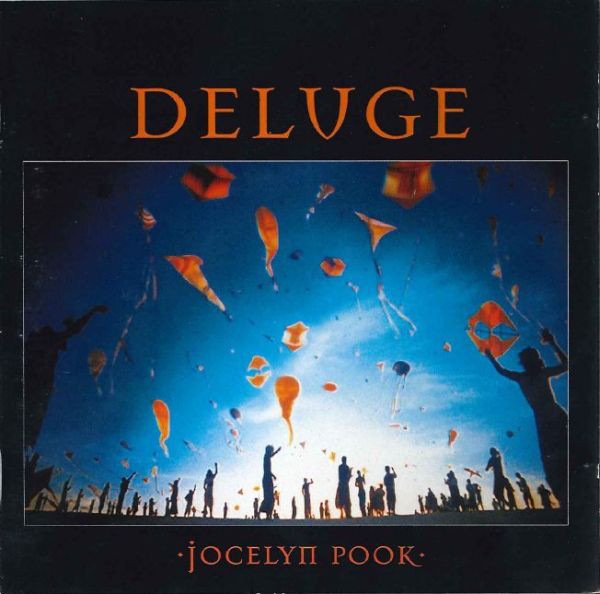
The elegant grace of tragedy is often linked with the splat of farce. This album’s major selling point (on some copies of the CD, it’s trumpeted by a sticker ‑ I kid you not) is that it features the music from last year’s TV ads for Orange mobile phones, namely Jocelyn Pook’s setting of “Blow The Wind Southerly” sung by Kathleen Ferrier.
Sigh. It’s sad but true that increasingly weird and wonderful music is getting picked up and co‑opted by advertising agencies for their campaigns. Your average ‘Coronation Street’ ad‑break may currently play to a soundtrack of Michael Nyman, Gavin Bryars, Aphex Twin, U‑Ziq, Cocteau Twins… and Pook. They’re selling their souls for the filthy lucre from red‑braced ad execs. Of course they are: rampant fucking capitalism is bringing us the best that post‑modern music has to offer. It’s art selling out!
But… Mr or Ms Normal Music Fan are going into Our Price and humming this music over the counter to Shop Assistant. Consequently, they’re getting turned on to (at least relatively) experimental music, er, man… And as Jocelyn Pook joins the hideous capitalist gravy train (look, I’m not being cruel: my tongue is in my cheek) from obscurity to the CD racks, the musos among us will smugly tell that Pook is widely known as the leader of the Electra Strings (along with Caroline Lavelle, Sonia Slaney and others), who have no doubt been rushed off their feet in the past couple of years as every British pop act decided they must show their serious side by having at least one strings‑based track in their repertoire (I think we call it “hiring in a touch of class”).
But here ‑ ably backed by the Electras, knife‑edged art‑scene soprano Melanie Pappenheim and a pocketful of exotic musicians and sounds ‑ Jocelyn Pook shows herself as being beyond simply a viola player. She’s a composer of emotion and invention and, in the best traditions of post‑modernism, introduces classical and traditional musics to the brave new world of samples and electronics. OK, so it has to be admitted that Dead Can Dance are an immediate and convenient comparison, but ‘Deluge’ is warmer, more emotional: less monumentally impressive, perhaps, but also nowhere near as harsh and Wagnerian.
The twelve tracks of ‘Deluge’ (germinating from a clutch of “post‑modern hymns” written for a Canadian dance‑theatre project) are best appreciated as one pre‑millennial suite with recurring themes (the emotions drawn from the year 1000, the methodology from 2000). Requiem Aeternam, like many elements of the other tracks, opens the album with solo and multitracked singing of a traditional requiem over one sustained root note. Post‑modern chamber plainsong, in other words, founded upon a sense of inevitability that’s unchanged by the impact of technology.
Technology, in fact, might even be hastening that grand inevitable. Oppenheimer is undoubtedly one of the central parts of ‘Deluge’. It opens with a disturbing sample of Robert Oppenheimer talking (he seems heavy with emotion, a man with the weight of his discovery of nuclear destruction bearing down upon him) surrounded by a foreboding nuclear wind: this merges into the poignant but more hopeful sound of the Jewish call to prayer and a dawn chorus of birds. As the central sung theme from the first track returns with a supporting string section, a haunting, heartbreaking elegy is created.
For Oppenheimer himself, this could be the emotions created by his dread and foresight at what he had created. More powerfully, however, this piece stands as a requiem for a world forever changed by the knowledge of possible nuclear annihilation. A post‑Cold War planet we may now be, but his music took me right back to the nervousness of the mid‑’80s and its accompanying, tangible dread of nuclear war.
Lightening the mood and returning to the music, Blow The Wind (subtitled Pie Jesu) does indeed feature that Orange ad music again. Heard without those connotations, however, this is a brilliant interweaving of samples and live sound, as Kathleen Ferrier’s familiar rendition of the traditional vocal is interspersed with Pappenheim and Pook’s plangent vocal counterpoint, the echoing sounds of children playing, and more soaring strings. As in hip‑hop, the form that originally used sampling to such great effect and historic importance, the sample of Ferrier is used as a basis to build other musical sequences, instrumentation and vocals. It’s humble, beautiful, and ends far too soon.
The lessons in the new technology of music Jocelyn Pook has gained will undoubtedly further influence the writing and performance of her music for her own instrument ‑ strings. The penultimate piece, La Blanche Traversée, appears to be a fairly standard chamber‑piece setting of words by Racine, but more remarkable is the subtle instrumental backing. Pook and the Electra Strings play a slightly off‑rhythm pattern of oscillating notes that, to any DJ or mixer who knows his decks, would be regarded as a loop. I feel that it is safe to assume that the original hip‑hop DJs never had this development in mind when they crafted scratching and looping. ‘Deluge’ is a long way from being electronica, but the ’90s cross‑pollination continues.
While music has broken all the boundaries of genre in the ’90s, the end products have resulted in albums of naked emotion or sonic inventiveness. But rarely both together. ‘Deluge’ is a suite of stunning invention and sheer beauty in its music, but with all the necessary emotion of a requiem for the post‑nuclear age. The wind blows cold, with the sound of ravens on the air, but it tugs your whole life right to the surface of your skin.
Never mind the politics of how you got to hear of Jocelyn Pook or ‘Deluge’. Open your mind to it.
(review by Vaughan Simons)
Jocelyn Pook: ‘Deluge’ Virgin Records, CDVE 933 7243 (7 24384 29632 2)
CD-only album
Released: 24th February 1997
Get it from: (2018 update) long out-of-print, so best picked up second-hand. Most of the tracks on ‘Deluge’ were remixed and reissued on the ‘Flood’ album in 1999.
Swoon. /swo͞on/ A verb. To be emotionally affected by someone or something that one admires; become ecstatic. Here are some people and things that make me swoon. #swoon #swoonage











 Misfit City