Archive | spoken word RSS feed for this section

March 2001 – album reviews – Jim Fox’s ‘Last Things’ (“like floodwater in the night”)

19 Mar
Jim Fox: 'Last Things'

Jim Fox: ‘Last Things’

Renewing his Cold Blue Music label for the millennium, Californian composer Jim Fox has set himself up as its figurehead, although not in a triumphal manner. Pomp and flamboyance wouldn’t sit well with Cold Blue’s explorations in New Music, and this first new release out of the Cold Blue bag doesn’t need to grab attention, anyway. The two Fox compositions on this album (slow-moving, implicatory, atmospheric and deliciously disturbing) surround you instead, like floodwater in the night.

With distractedly moving electronic traces making up the bulk of the music, ‘The Copy of the Drawing’ is rooted in chopped, diced and rearranged texts from letters sent to Mount Wilson Observatory between 1915 and 1955 while Los Angeles swelled from backwater to metropolis. These fragments are recited by Janyce Collins in an ice-queen whisper. Her cold lips brush your ear with a beautifully cool eroticism, its detachment only increasing its power. Often phrases are followed by glassy, ratcheting harmonic sound: as if a telescope, smoothly rotating on gimbals, is trying to take a fix on the target the words imply.

Slithering passes of moth-soft electronics slide around the words as if they’re unimportant, part of the ambient backchat in any place of science. Occasionally almost-vocal smudges of transparent noise ring up in (and fall away from) the foreground: although in some respects there is no foreground, just a slow sub-zero swirl of ambient hints, briefly smeared, like time-exposure photographs. Scrapes and subliminal swarms, jump-starting drifting thoughts in the narration; quick-drowning sounds like disturbances in ice-water or the imprints of decaying viola counterpoint and dying Gregorian chant.

Allegedly, ‘The Copy of the Drawing’ is non-dramatic. But Fox’s placement of these words, the stop/start fragments and interrupted clauses (“a jumbled mess – enough to give you an idea”) suggest otherwise. The phenomena of observed and notated science are often invoked with the reverence with which scientists replace religious awe, but sometimes as a kind of anchor (“light is always the same – water is H2O…”) against the misgivings whispered in brief passes elsewhere. “Self-deficient – diffused self – applied phenomena – name – danger lies in the abstract…” Before long we’ve heard statements of meticulous preparations (“I have put it in three different envelopes – airproof, fireproof, waterproof”) and chilly accounts of emotional hallucinations. “I still heard talking – I have heard babies crying and screaming – like in a photo – babies can hear me writing this – the pictures can talk to me – they’re not lonely – and it won’t stop…”

Explicit disturbance is rare, and Collins’ voice remains uniformly glacial whatever the content of her script. Nonetheless, anxiety and revelation are blended throughout, with the prismatic narrative musing on thoughts such as “No-one may ever have the same knowledge – everything running up and in and out.” Certainly there’s disintegration here – a loss of assurance, causality dissolving into “a possibility – there was such a thing – invisibility… before that – all history – it doesn’t seem possible… / it’s closer if you draw a line – on that line – all depends.” At one point, Collins recites a list which explicitly fails to reduce events, phenomena and states of existence to anything tidy. “Stuff – factors – motion – the perpendicularity – the process – the parts of things – the female principles of nature – etcetera – quite incomprehensible due to its invisibility – something that is true – close by – far…”

Covertly, Fox seems to be attempting to reconcile the cosmological with the personal. Collins’ narration of astronomers’ notes seem to take on revealingly intimate suggestions (“thousands of small pushes a second – inertia is very great”) and equates the paths of cosmic debris with those of people (“one of the incoming pieces of matter – there may be more – they may travel together…”) Maybe it’s a reflection of the gravity of cities like Los Angeles – pulling in immigrants, the lost and wandering, accreting mass as it does so. Maybe it’s an idea about scientists allowing the unsettling parallels of poetry and metaphor to sneak into their notebooks and resound in those working lives which they’ve obediently sealed away from personal concerns. This is observatory music, for certain. But the question of exactly what is being observed here is an open question. It’s one which ultimately leaves you without an answer; although perhaps it does leave you with a cold, indifferently sensuous kiss.

With ‘Last Things’ itself, the sky is lowering. An ominous drop, as Fox conjures up not so much a drone of bass synth as a faraway envelope of it (massed over our heads like apocalyptic cloud) and then rings us round with a distant thunderous fence of bass-register piano, rumbling tectonically and eerily, like the harbinger of the great Californian earthquake. Trapped between stooping sky and unquiet ground, we bear witness to a passionate, wordless pieta in which the dominant instrumental voice (Marty Walker‘s brilliantly tortuous bass clarinet) sounds famished, and as oppressed as we are by the press of sound. Walker’s control is remarkable – he travels between delicate, near-inaudible quivers of notes; great wide splits of sound that crack with emotion; and magnificent mournful coyote calls, summoning up visions of friendless desert vistas.

Relief, of a sort, comes from Chas Smith‘s pedal steel guitar. Almost choral in its breadth, it’s the one truly calming element in Fox’s musical painting. It’s a Pacific palliative which voices itself as distant balm to Walker’s painful questioning, or as a glimmer of light on the crack of the horizon. At around the eight-and-a-half minute mark, sounds like distant foghorns appear in the murk to add their own skein of warning and disquiet. More ethereal, less hungry, but hardly less of a disturbing portent are the rubbing glass rods on Rick Cox‘s treated guitar, hanging dying trails of luminescence in the middle distance.

When ‘Last Things’ fades out, the hope of things resolved has given way to a kind of acceptance. We’ve come to terms with the fearsome displacement and anxiety in Fox’s California soundscapes to such a degree that we’ve probably failed to notice that he’s finally resolved the music with a chordal and dynamic shift so subtle as to almost escape notice – like life settling itself in, a warm beast, around the jags, harshnesses and daily warnings of a threatening environment.

Jim Fox: ‘Last Things’
Cold Blue Music, CB0001 (800413000129)
CD/download album
Released: 19th March 2001

Buy it from:
Cold Blue Music (CD) – various downloads available from Amazon and similar.

Jim Fox online:
Homepage

LOOKBACKS – album reviews – Cindytalk’s ‘Wappinschaw’, 1994 (“one of 1994’s most intense, perverse and unusual lost albums”)

30 Aug

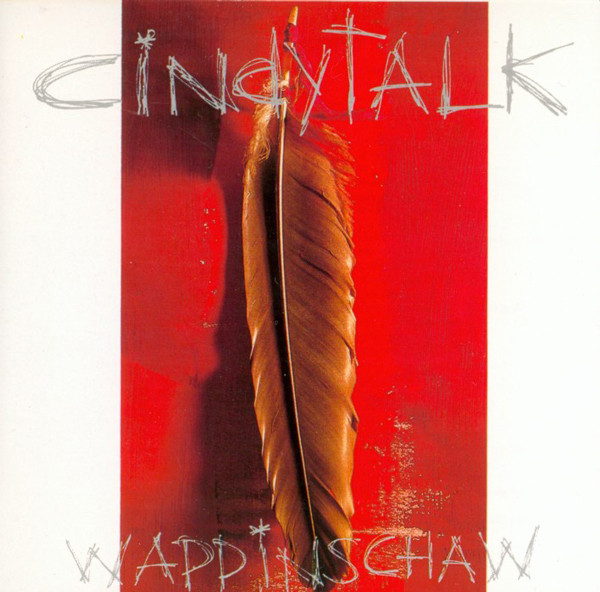
Cindytalk: 'Wappinschaw'

Cindytalk: ‘Wappinschaw’

For almost fourteen years now, Cindytalk have been forging a lonely path through the ever-changing styles of modern music. Despite the soft pink flush of their name, Cindytalk’s music has always been so out-there, so much a music of violent extremes, that they have (more or less by default – how much could you change when you touch both ends of the spectrum?) stayed the same – no bad thing – while refining their sound on each album.

Gordon Sharp, the mainstay of Cindytalk’s many line-ups, is perhaps best known as the voice of three haunting tracks on the first album by 4AD art-collective This Mortal Coil, which also spawned Elizabeth Fraser’s honey-drenched version of Tim Buckley’s Song To The Siren in 1983. Yet 4AD-ethereal was never really Sharp’s bag. Cindytalk operate in the same dark areas that Michael Gira and Swans did before they transformed into doom-laden acoustic hippies (no more titles like Raping A Slave, then, Michael? cheers, love!), or The Birthday Party before Nick Cave mellowed out into Satan’s crooner.

They’ve wilfully, awkwardly, pursued music of extremes. Their first album, ‘Camouflage Heart’, must rank somewhere alongside Lou Reed’s ‘Metal Machine Music’ for sheer unlistenable music for (dis)pleasure, that has to be owned simply to piss people off. And the mammoth ‘In This World’ was a double album of contradictions – one record of near-industrial rock with razor-sharp guitar sounds (varying between tooth- extraction by electric power drill or sheet-metal white noise), and one record of near-ambient instrumentals and songs, mostly played on very soft piano like Erik Satie on Mogadon.

But it’s been a long time since any new Cindytalk material; perhaps because of artistic reclusiveness, perhaps through being a true cult act. Having already had a protracted recording between 1990 and 1992, this album took a further two years to emerge on a record label in 1994. A lone concert aside, we’ve heard nothing from them since (that’s what y-o-u think.. – ED.). Hence this five-years-after-the-event review: cults can always do with getting bigger while they wait for the resurrection.

So, ‘Wappinschaw’; one of 1994’s most intense, perverse and unusual lost albums…

 
It opens deceptively simply, with an a-capella reworking of Ewan MacColl’s The First Time Ever I Saw Your Face, reflecting Gordon Sharp’s interest in folk idioms (especially his own native Scots). He’s singing solo, without echo or reverb, up close, right there in your darkened room. His voice – one of the most expressive at conveying rage, pain, fear – displays power here yet, somehow, also insecurity. A Song Of Changes is leaden-paced at first, but David Ros’ guitars are more blurry and hazed than previous industrial strength Cindytalk noise. Suddenly the guitars hit an almost bright riff around which Sharp fluctuates and soars. A song of changes, indeed – light is breaking into Cindytalk’s dark world: “Within the heart of everything, there is you…”

 
It doesn’t last, though. Return To Pain (hah!) lurches in on a mix of barely-scrubbed electric and slide guitars, creating an empty and menacing atmosphere as Sharp emotes through wordless high vocals. It’s nightmare swamp music, midnight in the Mississippi plains accompanied by the scariest of companions, before the tension explodes into a barrage of noise. Drums, shotgun guitars, and Sharp wailing that “everybody is Christ.” Y-e-e-es; whatever you say, Gordon.

 
Whichever expectations are set for them, Cindytalk trump them on this record. Wheesht is introduced by a tape of Alisdair Gray reading an extract from his mammoth Scottish psycho-epic ‘Lanark’: a story of a young boy dreaming about what lies beyond the clouds. Recorded over the sound of a ticking clock and a ghostly musical box, this exercise in unsettling atmospherics chills the spine and sets us up for Wheesht itself: a brutally short, non- musical violent collage of bass drones, sonic interferences, sampled voices, blood-curdling screams and other genuinely unnerving sounds.

 
To the looping, echoed scrapings of a low-tuned violin, Snowkiss restores some sense of calm with more of Cindytalk’s music for winter nights – Gordon’s vocals imploding out of their rage into delicate lines and wordless harmonies sung over the gentlest of chiming, raindrop pianos. The lyrics of Disappear evoke a painfully trapped life: “You’re in heaven now, / Inside your head. / No thoughts of flight, / Your wings are clipped…”, while a strongly martial beat provides the tracks only propulsion as guitars and sampled interference compete with each other in a swirling eddy of sound. The lively, echoing trumpet on Traumlose Nacht, mingled with delicate piano and evocative waves of rolling drums, provide some relief and a different sonic vocabulary – it sounds like incidental music for the dark magic and oppressive heat of ‘Angel Heart’.

 
The final track, Hush, starts as an guitar-and-solo-vocal acoustic lament (back to the folk singing of the opening track) but then gives way to influential voices from the heavens (including samples of Orson Welles and Joseph Beuys) before everything fades to leave a long passage of bagpipe music that is, after the tumult of Cindytalk in action, strangely beguiling and soothing… but wait. After a long pause, a final hidden track, Muster. An incendiary, veritably Napalm-Death’s- worth battery of hideous thrash-noise, over which Sharp’s passionate ragged voice issues forth evocations to notable spirits: “The Wappinschaw is an invocation of the spirits of Shiva: Rise, William Wallace, rise! Rise, Arthur Rimbaud, rise!” He goes on to summon the spirits of Pasolini, Sitting Bull, Che Guevara and Ho Chi Minh, amongst others. So unearthly does Sharp sound, so compelling, that I have no doubt that the spirits responded. Quite the most disturbing sound heard on CD for some time.

 
I wouldn’t like to hazard too close a guess at what kind of emotional traumas Gordon Sharp purges from himself to make this music; all razor blades, blizzards and crow feathers. It’s enough to say that, after fourteen years on the extremes, Cindytalk demand your rapt attention, your horrified fascination…

(review by Col Ainsley)

Cindytalk: ‘Wappinschaw’
Touched Recordings, TOUCH 1 (5 021958 432021)
CD-only album
Released: 1994

Get it from:
(2018 update) best obtained second-hand

Cindytalk online:
Homepage Homepage Facebook Twitter MySpace Soundcloud Bandcamp Last FM

March 1998 – maxi-single reviews – Lo Fidelity Allstars’ ‘Vision Incision’ (“promises to blow our minds wide open, but falls well short of the promise”)

26 Mar

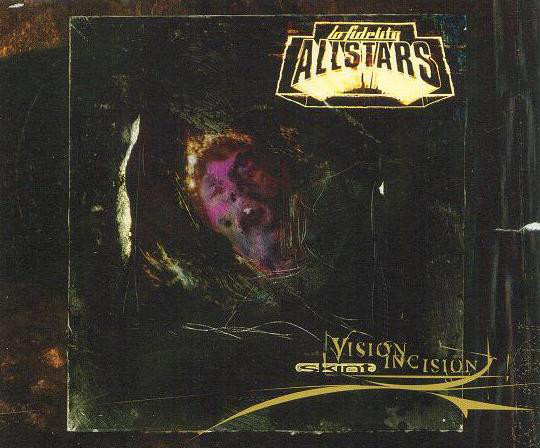
Lo Fidelity Allstars: 'Vision Incision' maxi-single

Lo Fidelity Allstars: ‘Vision Incision’ maxi-single

I had this lot down all wrong at first, I admit it. From the bragging “we’re the greatest” interviews, and the “dance music with real instruments” tag, even the look of the group, I had them down as (god forbid) the new baggy. I was fully prepared to go out and shoot them so I didn’t have to live through the horror that was baggy yet again. But a couple of odd tracks here and there have persuaded me to save my bullets… for now.

Sure, there’s a “real band” sound at the heart of the Lo Fidelity Allstars, but they can manage to make their take on turn‑of‑the‑millennium genre‑defying dance culture a gloriously uplifting thing. Their baggy forerunners (Happy Mondays, Stone Roses) always sounded like they were prevented from gliding to a higher musical plane by having their feet firmly stuck in the field of mud labelled “indie”. The Lo Fi’s, firmly centred on the sampler and decks, don’t have the same problem as they reel off ribbons and streams of sound, rather than chug doggedly away like an old pro dealing with a new fad. But…

 
Oh, the senseless waste. Vision Incision promises to blow our minds wide open, but falls well short of the promise. Good start, mind. Smooth beats, hedonistic keyboard riff, an infectious soul-diva backing hook, and the matter of the live band sound becomes irrelevant as the track lifts and soars smoothly like the most uplifting house or techno, boasting “As we travel at magnificent speeds around the universe…” At which point the Lo-Fi-s prime weak spot is revealed: Dave The Wrekked Train’s bland Speak’n’Spell vocals. Mashing up randomised texts, as he does on other Lo-Fi-s sonic collisions, they work fine. Faced with actual poetry, they creak like a ground axle. Please, if this is the way he carries on all the time, sack him. He has delusions of being a more hip Mark E. Smith, but ends up just sounding like a London cabbie – a monotone mumble grating over the divine music and pointing up the dreadful rhymes in some of his lyrics.

Perhaps he reckons he’s aiming at the street-level psychedelic lyricism of hip-hoppers like the Wu-Tang Clan: the thing is, those guys sound like they believe the weed-fuelled surreal-o-vision they’re raving about. Dave just sounds embarrassed, as if he’d rather have stayed in his siding and chatted to Thomas The Tank Engine this time around. Consequently, I can’t decide whether this is a successor to Orbital’s Chime for the genre‑busting, cross‑pollinating late ’90s dance scene, or just OMD meeting The Orb in a spot of megalomaniac galactic synthpop. Or, alternatively, the KLF doing Spinal Tap.

 
The remix is referred to as a “12” mix” ‑ how bloody Eighties. I suspect that, in homage to their record label, this is the Lo‑Fi-s’ attempt at the Big Beat remix. The Late Train has mutated (oh god!) into the slower‑talking brother of The Shamen’s Mr C. for the first part of this extended work‑out. Wisely, they quickly dispense of his services and crank up the heavy beats to provide a real tour de force instrumental for the band. Proving that if you like your beats big and bouncy, then this dissipated bunch can turn their devious minds to that too. The Midfield General Shorter mix is the sparse techno‑electronica version. A mechanistic, simple beat, overlaid by electronic squelches and interferences, as the original track is ripped to shreds and rebuilt, as elements and sequences of the original drift in and out of the mix. Oh, and Train-In-Vain is just a distant, distorted presence, way back in the ether. Wise move, guys.

 
By this stage, frankly, it’s difficult to tell whether Gringo’s Return To Punk Paste is, in fact, a new track, or yet another radical remix of the original. What it does prove, yet again, is that the Lo‑Fi-s can also turn their hands (deep breath) to a ’90s version of the sounds of early ’80s rap and electro. Skeletal beats and distorted, squelching basslines set the parameters for that unmistakeable sound, aided by some nifty no‑nonsense American speech samples.

 
Cunning remixes or no, even if feted as the best new band in Britain by ‘Melody Maker’ and handed The Future on a giant silver platter to play with, the Lo Fi’s are still going to bellyflop if they keep expecting that stuff like Vision Incision’s going to justify that reputation. It’s not that they’re talentless rip-off merchants. On the contrary, their sampledelic experimentation – when they’ve taken all the sounds of the world, scrunched them up and run with them – is at least as heart-jumpingly astounding as any other visionary pop cut-ups around, if not more so. Hype or no hype, they can bring the noise with a vengeance. This is a real Quality Street of a band – whatever your favourite tribe in the current cross‑cultural collision, there’s music for you here. And if this is the sort of open‑minded group that all the mess of sounds in the ’90s can produce, then the future is wearing some very cool shades.

But compared to their own mighty One Man’s Fear (the world being slowly and gloriously wrenched to sticky bits by Jim Morrison’s psychotic baby grandchild), this ain’t so much a vision incision as a mere blink. Someone had their eye on nothing more noble than a chart placing when they knocked this lot together. Just cut it out, OK? Show me stars, not hot gas.

(review by Col Ainsley)

Lo Fidelity Allstars: ‘Vision Incision’
Skint Records, SKINT 33CD (5025425503320)
CD/cassette/7- & 12-inch maxi single
Released: 23rd March 1998

Get it from:
(2018 update) best obtained second-hand.

Lo Fidelity Allstars online:
Twitter MySpace Soundcloud Tumblr Bandcamp Last FM

July 1997 – album reviews – Sadhappy’s ‘Good Day Bad Dream’ (“a contemporary progressive group that’s unafraid to mingle technique, horror, street-smarts and a mordant, lethal wit”)

4 Jul

Sadhappy: 'Good Day Bad Dream'

Sadhappy: ‘Good Day Bad Dream’

The voice on the telephone chuckles. “Sure, it all made sense to me. You just burn it out, past the pain. / Sure it’s all toxin: you just work it out of your system.” Somewhere between a Berklee College education, an Olympia punk statement and the world of woodshed ravings you’ll find this – rolling down a quiet highway like a fatal fog-wall.

For their fourth album, the alliance of drummer/sample mangler Evan Schiller and bassist/spoken-word freak Paul Hinklin has convulsed yet again to install a new Sadhappy lineup. Out goes eccentric Critters Buggin/Tuatara sax player Skerik. In comes Michael Manring, ’90s bass guitar genius, for a very different approach to the power trio. Two basses might sound like a recipe for disaster – ‘Jazz Odyssey’ doubled up, or cheesy slap-funk duels. Sadhappy get around this by realising the implicit power in the timbre of the bass guitar: the added resonance, the volcanic rumble it’s impossible to ignore, the sheer booty-shaking body. And they go for it full-bloodedly. In the resulting low-end carnage, saxes and guitars are not missed.


A lot of this is to do with Manring, who’s rivalled only by Tony Levin, Victor Wooten and Doug Wimbish as a contemporary redefiner of bass guitar. Not content with just a jaw-droppingly dextrous technique (whether grooving fingerstyle, slapping, tapping, or picking), he’s as liable to mutate melodies by abrading them with an EBow and/or in-flight retuning. And, as you’d expect, ‘Good Day Bad Dream’ is a treasure box of bass sounds – the levitational noises on Lost in Bass; the chainsaw punk rumble on Maintenance Pissed and Chronic Subsonic Tonic; the multitracked interplay of worming harmonics, chunky strums, and wolf-wails on The Kitchen Sink. But it’s no mere technique-fest.


Yes, for the most part it’s instrumental. And at its most basic (Home Lobotomy Kit, Honeymoon Deathbed) it tugs us through a darker edged and more credible fusion revamp via Hinklin’s brutally precise twanging, growling basslines, Schiller’s clattering, tight as a mantrap drums, and Manring’s distorted, storming, articulate leads. And there’s a strong element of the roaring hybrid of thrash, fusion and left field virtuosics that fuelled Manring’s last album ‘Thonk’, recorded as an attempt to escape his inconvenient reputation as a jazz-leaning New Age muso. But in meeting the streetwise intelligence of Schiller’s drumming and Hinklin’s sardonic New Music/punk’n’sarcasm influences, Manring’s restless and complex musicality has completed its journey away from the New Age racks.


‘Good Day Bad Dream’ emerges from this as an album blending multiple strands of modern electric music with surprising success. It’s an overlapping low end approach of eerie smoggy textures, wrapping up art punk, weird funk, jazz, dark ambience, sampledelia, progressive rock, sound massage, and a dash of psychological sewage. The trio nod to Mingus, the smouldering dark star of modern jazz, with a strutting and dextrous cover of his sarcastic II b.s. With the fifteen minutes of deathly textures and world-swallowing bass oceanics on The Death of Webern, they’ve got that scary isolationist-ambient game sown up too.


Evan Schiller’s light touch throughout ensures that the band are never bogged down. Within The Kitchen Sink’s light-fingered ostinatos, King Crimson riff choirs and E bow calls, his precise percussion approach rings, swooshes, crashes and drops out to leave perilous canyons in the texture of the music. On SBD, he shines with an array of sparse metallic taps and lethally timed buzz-rolls under a lowering cloud of bass, a dark canopy of wails and murmurs through which Manring winds skeletal insect-trails of overdriven bass, twisting and skirling like cyborg bagpipes.
……………………………………..


But the key to Sadhappy’s success in reaching out beyond the fusion ghetto is Paul Hinklin’s acidic humour, which lurks somewhere in the triangle between Tom Waits, Frank Zappa and Bill Hicks. In the recurring, repulsive figure of Oscar (a forty-nine-year-old backwoods Beavis with a voice like a plastics bonfire), he gives Sadhappy their own all-American idiot guide, a lottery sweepstake winner with “money comin’ out of his ass” swaggering over a racket of bellowing grunge-garage art rock riffs. His new rich man’s horizons lead him only as far as the porn racks at the general store, or to the bar; a coarsened American Dreamer content to do nothing more than wallow in his own filth and boast about it (“Yeah, you gotta work for the rest of your life: I own the streets I piss in!”).


On False Information – a sort of post-Laswell take on a ‘Remain in Light’ groove, burrowing through post-rock and hip hop en route – Hinkler offers us a lighter look at the aches and absurdities of the modern human condition. “All the guilt, all the shames, all the blames, / all the payments that you pay for crimes you never even committed, / never even thought of – what’s up with that?”. Schiller’s pin-sharp sample-heavy beats jab and dodge like a lethal flyweight boxer as Hinklin’s sardonic voice chuckles at enlightenment: “You see past everything and you say, this is just me plus garbage. Hell, if I couldn’t see the garbage, then I would be the garbage. Thank God I can tell I’m not the garbage. “‘Scuse me, honey. I have to take myself out to the trash. What is truly me will come back to dinner. It’ll just be me minus garbage.””


Sometimes though, the humour goes darker. In the harsh fable of Hammering Man, the townsfolk turn out to watch the unveiling of a statue: “a testament to the nameless brave, to the unselfish, the holy slaves. The ones who gave their bodies and minds to the army, the ones that gave themselves to the might of the all powerful industrial machine. The ones that had made America strong, the ones that had made America beautiful. The ones that, through no fault of their own, had turned it into a wasteland.” Small wonder that the statue crumbles, toppling to pin the spectators to the earth.


In the brooding dusky groovescape of Oscar Gets Laid, we get to see a younger Oscar, callow and innocent, rubbing up for the first time against the world that’s going to corrupt him. Manring’s mixture of rattling ominous echoes and scritching, coppery industrial harmonics send a shiver down the spine, as Hinklin’s murmured vocals explore paranoia and fascination down the back alleyways of the mean streets – malevolent shadows, and the breath of heroin ghosting out of the skins of hookers. At last: a contemporary progressive group that’s unafraid to mingle technique, horror, street-smarts and a mordant, lethal wit.


It’s also one that’s firmly rooted in the present, soaking up the lessons of grunge, dance, and sampler culture, while still playing the arse off all comers. Even if ‘Good Day Bad Dream’ sometimes strains the limits of its excellence by being just a little too diffuse, too dependent on fusion fallback, Sadhappy move through their music with assurance, imagination, presence and a brutal vigour. And that’s an all too rare combination.

The smile on the face of a charming, constructive killer.

Sadhappy: ‘Good Day Bad Dream’
Periscope Recordings, PERISCOPE RECORDINGS CD04 (7 96873 00042 0)
CD/download album
Released: 2nd July 1997

Get it from: (2020 update) Original CD printed in a run of 1,000 – CD and download best obtained from Bandcamp.
Sadhappy online:
Homepage Bandcamp Last FM YouTube Vimeo
Google Play Spotify Amazon Music
 

March 1997 – album reviews – Jocelyn Pook’s ‘Deluge’ (“a suite of stunning invention and sheer beauty”)

1 Mar

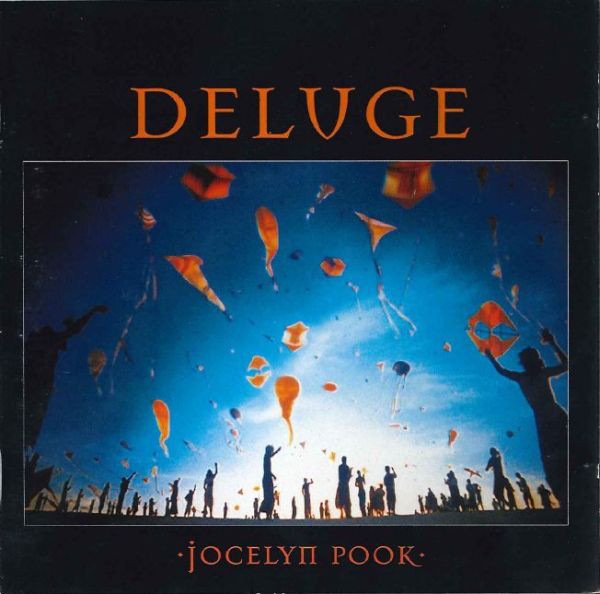
Jocelyn Pook: 'Deluge'

Jocelyn Pook: ‘Deluge’

The elegant grace of tragedy is often linked with the splat of farce. This album’s major selling point (on some copies of the CD, it’s trumpeted by a sticker ‑ I kid you not) is that it features the music from last year’s TV ads for Orange mobile phones, namely Jocelyn Pook’s setting of “Blow The Wind Southerly” sung by Kathleen Ferrier.

Sigh. It’s sad but true that increasingly weird and wonderful music is getting picked up and co‑opted by advertising agencies for their campaigns. Your average ‘Coronation Street’ ad‑break may currently play to a soundtrack of Michael Nyman, Gavin Bryars, Aphex Twin, U‑Ziq, Cocteau Twins… and Pook. They’re selling their souls for the filthy lucre from red‑braced ad execs. Of course they are: rampant fucking capitalism is bringing us the best that post‑modern music has to offer. It’s art selling out!

But… Mr or Ms Normal Music Fan are going into Our Price and humming this music over the counter to Shop Assistant. Consequently, they’re getting turned on to (at least relatively) experimental music, er, man… And as Jocelyn Pook joins the hideous capitalist gravy train (look, I’m not being cruel: my tongue is in my cheek) from obscurity to the CD racks, the musos among us will smugly tell that Pook is widely known as the leader of the Electra Strings (along with Caroline Lavelle, Sonia Slaney and others), who have no doubt been rushed off their feet in the past couple of years as every British pop act decided they must show their serious side by having at least one strings‑based track in their repertoire (I think we call it “hiring in a touch of class”).

But here ‑ ably backed by the Electras, knife‑edged art‑scene soprano Melanie Pappenheim and a pocketful of exotic musicians and sounds ‑ Jocelyn Pook shows herself as being beyond simply a viola player. She’s a composer of emotion and invention and, in the best traditions of post‑modernism, introduces classical and traditional musics to the brave new world of samples and electronics. OK, so it has to be admitted that Dead Can Dance are an immediate and convenient comparison, but ‘Deluge’ is warmer, more emotional: less monumentally impressive, perhaps, but also nowhere near as harsh and Wagnerian.

 
The twelve tracks of ‘Deluge’ (germinating from a clutch of “post‑modern hymns” written for a Canadian dance‑theatre project) are best appreciated as one pre‑millennial suite with recurring themes (the emotions drawn from the year 1000, the methodology from 2000). Requiem Aeternam, like many elements of the other tracks, opens the album with solo and multitracked singing of a traditional requiem over one sustained root note. Post‑modern chamber plainsong, in other words, founded upon a sense of inevitability that’s unchanged by the impact of technology.

 
Technology, in fact, might even be hastening that grand inevitable. Oppenheimer is undoubtedly one of the central parts of ‘Deluge’. It opens with a disturbing sample of Robert Oppenheimer talking (he seems heavy with emotion, a man with the weight of his discovery of nuclear destruction bearing down upon him) surrounded by a foreboding nuclear wind: this merges into the poignant but more hopeful sound of the Jewish call to prayer and a dawn chorus of birds. As the central sung theme from the first track returns with a supporting string section, a haunting, heartbreaking elegy is created.

For Oppenheimer himself, this could be the emotions created by his dread and foresight at what he had created. More powerfully, however, this piece stands as a requiem for a world forever changed by the knowledge of possible nuclear annihilation. A post‑Cold War planet we may now be, but his music took me right back to the nervousness of the mid‑’80s and its accompanying, tangible dread of nuclear war.

 
Lightening the mood and returning to the music, Blow The Wind (subtitled Pie Jesu) does indeed feature that Orange ad music again. Heard without those connotations, however, this is a brilliant interweaving of samples and live sound, as Kathleen Ferrier’s familiar rendition of the traditional vocal is interspersed with Pappenheim and Pook’s plangent vocal counterpoint, the echoing sounds of children playing, and more soaring strings. As in hip‑hop, the form that originally used sampling to such great effect and historic importance, the sample of Ferrier is used as a basis to build other musical sequences, instrumentation and vocals. It’s humble, beautiful, and ends far too soon.

 
The lessons in the new technology of music Jocelyn Pook has gained will undoubtedly further influence the writing and performance of her music for her own instrument ‑ strings. The penultimate piece, La Blanche Traversée, appears to be a fairly standard chamber‑piece setting of words by Racine, but more remarkable is the subtle instrumental backing. Pook and the Electra Strings play a slightly off‑rhythm pattern of oscillating notes that, to any DJ or mixer who knows his decks, would be regarded as a loop. I feel that it is safe to assume that the original hip‑hop DJs never had this development in mind when they crafted scratching and looping. ‘Deluge’ is a long way from being electronica, but the ’90s cross‑pollination continues.

 
While music has broken all the boundaries of genre in the ’90s, the end products have resulted in albums of naked emotion or sonic inventiveness. But rarely both together. ‘Deluge’ is a suite of stunning invention and sheer beauty in its music, but with all the necessary emotion of a requiem for the post‑nuclear age. The wind blows cold, with the sound of ravens on the air, but it tugs your whole life right to the surface of your skin.

Never mind the politics of how you got to hear of Jocelyn Pook or ‘Deluge’. Open your mind to it.

(review by Vaughan Simons)

Jocelyn Pook: ‘Deluge’
Virgin Records, CDVE 933 7243 (7 24384 29632 2)
CD-only album
Released: 24th February 1997

Get it from:
(2018 update) long out-of-print, so best picked up second-hand. Most of the tracks on ‘Deluge’ were remixed and reissued on the ‘Flood’ album in 1999.

Jocelyn Pook online:
Homepage Facebook Twitter MySpace Soundcloud Tumblr Last FM YouTube Vimeo

September 1995 – live reviews – B. J. Cole & The Transparent Music Ensemble + Billy Currie & Blaine L. Reininger @ Upstairs at the Garage, Highbury, London, 20th September (“a classical dissection of folk, like Irish airs meeting New York minimalism… / …a beautiful translucent sound”)

23 Sep

A definite whiff of conservatoire rock tonight. Viola player Billy Currie used to be in Ultravox,: nowadays he looks more like an Irish pub musician, but his music has taken a more interesting turn, as has his choice of collaborators. Former Tuxedomoon violinist and occasional singer Blaine L. Reininger – with his unnerving bespectacled stare, lugubrious ironic drawl, Zappa face-fuzz and impeccable suit – looks like a college professor whom you wouldn’t allow near the children, and draws most of the attention this evening.

This unlikely pair perform a set of serious brow-furrowed John Cale-y string duets with a flavour of compressed folk, using an endearingly cheap sequencer to expand the instrumentation: clave and sweep piano program on Bittersweet, digital string orchestra on Overcast. On The Reach of Memory, sparse piano clumps, drum program and synth bass kicks into Currie and Reininger’s apparent take on Appalachian mountain music. The Thin End of the Wedge sees Reininger on trashy art-rock guitar for a Velvet Underground feel.

Their music has a strange, detachedly astringent feel; a classical dissection of folk, like Irish airs meeting New York minimalism. A sense of towering expression repressed, amplified, by Reininger’s menacing suavity: the set highlight is The Green Door, in which Reininger sings words from a documentary on schizophrenia to a strong melody over sparse drum program and organ. Seems wholly appropriate. I’m impressed, but I feel a little queasy.

In contrast, pedal steel guitarist B.J. Cole is a ridiculously normal-looking guy with a peculiar past. Back in the ’70s he was the leader of Cochise (probably the only prog/psychedelic band based around pedal steel) and subsequently explored psychedelic country music in 1973 on his ‘New Hovering Dog’ album. Over the years since then, he’s been the ubiquitous sideman and sessioneer to everyone who wants an open-minded pedal steel approach, from The Orb to Björk to Procul Harum to Scott Walker, and in particular John Cale. Since 1989 he’s also been leading this occasional band; the Transparent Music Ensemble, an ambient-flavoured chamber music quintet also featuring keyboards, cello, percussion and violin prodigy Bobby Valentino, best known for his London country music stardom.

Cole’s Transparent Music is a sedate, relaxing experience, pleasantly beautiful and unfussy, far too laid-back to be pretentious. Reflective melodic strings tie in with his steel lines, keyboards support gently, percussion shades rather than impels. Some people point out Brian Eno as the inventor of ambient music: others such as Cole know that it goes back to the days of Satie and Debussy, both of whole expressed ambient intentions long before the days of synths and tape loops, wishing to create music that merged with the tinkle of cutlery. Works by both are played tonight, along with a version of Ennio Morricone’s Once Upon a Time in the West, a slow cloudy cover with Cole’s ringing pedal steel dreaming out the tune.

Transparent Music is unselfconsciously universal: if something fits in with that softly lustrous sound, Cole and co. play it and let someone else draw up the distinctions if they’ve got nothing better to do. The original pieces stream neatly into place alongside the classics: Indian Willow’s choppy subterranean strings, Promenade & Arabesque’s pizzicato accents. Throughout, Cole’s steel pines and slides gracefully. That is, when he hasn’t MIDI-processed it into another sound – sad film-noir saxophone on Adagio in Blue to contrast with Valentino’s passionate classical violin, or the fluting electronic sounds on Easter Cool counterpointing the piano and bass drum.

It isn’t exactly music to stir the blood. What it is is very accomplished classy atmosphere music, a beautiful translucent sound whose function is just to exist and to please. That may sound superficial, but if so it’s a refined and civilised pleasure of superficiality. Gentle classics stroked with electricity and with a sense of ambient context, reclaiming the sector where popular instrumental and classical cross, and with no hint of elevator music. Easy listening with a brain. Satie and Debussy would have approved.

B. J. Cole online:
Homepage Facebook MySpace Last FM Apple Music YouTube Deezer Spotify Tidal Amazon Music

Billy Currie online:
Homepage Facebook Twitter MySpace Last FM Apple Music YouTube Deezer Pandora Spotify Tidal Amazon Music

Blaine L. Reininger online:
Homepage Facebook Twitter MySpace Soundcloud Bandcamp Last FM Apple Music YouTube Vimeo Deezer Google Play Pandora Spotify Amazon Music
 

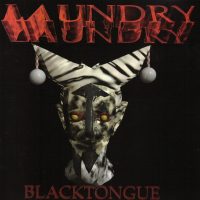
February 1995 – album reviews – Laundry’s ‘Blacktongue’ (“a scuffed, brooding black-iron hybrid”)

20 Feb
Laundry: 'Blacktongue'

Laundry: ‘Blacktongue’

Pity the aging hardcore punk purists. They’ll talk about the punk wars they fought in order to kill off prog rock, but they forgot that little pockets on each side of a war have a tendency to learn each others’ languages and swap cigarettes during lulls in the battle. Or that invaders tend to crossbreed with the invaded. In Britain at the beginning of the ’80s, the likes of Magazine and Cardiacs drew prog rock ambition back into punk energy. Over in the States in the ’90s, the second coming of punk was spearheaded by Kurt Cobain – a Robert Fripp fan. You can shout and proclaim your Year Zeroes all you like, but you can’t kill knowledge or the desire to grow.

Hence, in the here and now, the appearance of bands such as Laundry. Like the lunatic punk/prog/funk/freak metal band Primus (with whom they share their astonishing drummer Herb Alexander), they hail from the fertile Bay Area scene in northern California and have roots in art punk bands Grotus and Sordid Humor. But they’ll just as readily admit to drawing from European prog and art rock such as Can and King Crimson as from the usual suspects; the terrifying electro negativism of the likes of Nine Inch Nails, plus strange post-punk/psych experimentalists like Butthole Surfers. Laundry’s deep black, forbidding music (using similar instrumentation to the later, stripped down versions of King Crimson) plants itself in that dark and hellish area in which “alternative” and “prog” seem must suited to meet and surprise each other.

Musically at least, it’s an unselfconscious blend – a scuffed, brooding black-iron hybrid of ‘Discipline’ rock gamelan, gruff Nomeansno hardcore force, and Pearl Jam histrionics. The latter comes courtesy of former Sordid Humor drummer Toby Hawkins’ snarling Vedder esque baritone, while guitarist Tom Butler chops out minimal metal riffs or a Fripp-like mixture of metallic rending noises and compellingly ugly solos. The real strength, though, is in the rhythm section: Herb swaggering around his drums like a funkier, fluider Bill Bruford and the remarkable Ian Varriale playing phenomenally dirty, polyphonically funky basslines on the Chapman Stick (which has so long been considered an instrument for jazz technicians and art rock eggheads that it’s a revelation to hear it sounding as raw as it does here).

Despite the strong musicality of the players, this is far from an airy prog trip. This Laundry seems to be where the darkest, dirtiest stains on the soul are scoured out, or are wrung out by the mangle. The oppressed, threatening, dissatisfied feel of grunge, which forced a seething dysfunctional contemporary rage into the mainstream, still casts a long shadow over contemporary American rock; and Laundry are very much part of that.

And how. Toby Hawkins (although he seems to have escaped Trent Reznor’s pathological need to actively shock or destroy the sensibilities of his audience) is consumed by the sort of fuck-up negativity that even the most confrontational of hardcore bellowers or the darkest of grungers would find difficult to relate to. Recurrent images of disgust, physical and mental sickness pervade ‘Blacktongue’: Alice in Chains were a barrel of laughs by comparison. The harsh, paranoid sexual fable of the title track and the grinding depression/sedation rant of ‘Misery Alarm’ are just two examples: the fantastical psychosis of ‘Monarch Man’ (prefaced by colossal distorted cat purring) lays colourful musings of twisted beauty over a tortuously funked up Crimson-ic march, while the angel messenger in ‘Skin’ brings only word of freezing, disease, and sexual loathing.

Not light-hearted stuff by any means, and the unremitting bleakness of the album does tell against it. While the music draws on fury and darkness to swell its compulsive strength, the lyrical content – reading like notes from an agonised, hopeless therapy session – displays an unrelenting despair, misery and withdrawal from human life, without the leavening of humour and compassion that make such thoughts palatable. Consequently, many a ferocious burst of taut musical excitement is dragged down by the millstone of Hawkins’ suicidal roar.

There are some moments of relief, however. If you’re into the pattern side of Laundry’s music, there’s the disconnected Stick geometries of ‘Monkey’s Wrench’. If you’re looking for redemption in song, there’s ‘Canvas’, in which Hawkins (backed by Butler’s lilting arpeggios) breaks out of his doomy caterwauling to discover the possibilities of art therapy and achieve a measure of peace. “Try to make sense of your shadow, paint a picture of the way it should be, colours arranged carefully…/ Inside the frame on the wall, paint your heart under a waterfall / paint your world the way it should be, so you can understand what you see.”

Generally, though, Laundry are more interested in dysfunction than healing. And despite Hawkins’ self-flagellating attempts to build significance out of the topic, it takes the wit of a guest to really get things moving. “I can’t stand it for anyone to be more awkward, self hateful, stupid, or inappropriate than I am” crackles the sardonic, telephone relayed voice of Bay Area artist Don Bajema on ’19’. Over a marvellous brooding thudding riff (a slower, darker ‘Thela Hun Ginjeet’), Bajema unwinds his cynical but concerned ideas: deliberate awkwardness, withdrawal and self humiliation may be his only logical response to and defence against a sick and ridiculous world, but it’s simultaneously an unwanted mask against those he truly loves, “the last people I would want to see me like this…” A disturbing confession, but one that rings so true that it’s easily the moment that makes the album.

Will Laundry clean up? Dubious – even deep-dyed grungers will have trouble with their uncompromising grimness and suspicion of anything approaching a tune; and Toby Hawkins’s obsession with depression and psychosis comes across all too often as self-indulgent droning and ranting, without the redemptive melodies of Nirvana or Pearl Jam. What draws the band out of this trough of misery is their brutal power, their brooding energy and the masterly rhythmatism of Varriale and Herb: the powerful spine of the music which tugs them towards the darker, unforgiving end of progressive rock, towards Hammill-esque heart-crushing and 21st century schizophrenia. Flawed and muddied by defeatism it might be, but ‘Blacktongue’ is still a potent (if still no more than potential) statement from a band in waiting.

Laundry: ‘Blacktongue’
Mammoth Records/Prawn Song Records, MR0098 2 (35498009822)
CD-only album
Released:
20th February 1995
Get it from: (2020 update) Best obtained second-hand.
Laundry online:
MySpace Last FM YouTube Spotify Amazon Music

January 1995 – live reviews – Francis Dunnery @ Jongleurs, Camden Town, London, 26th January (“a fair dose of confessional, thankfully laced with warm, wry humour”)

28 Jan

“My name is Francis, and I’m an alcoholic.”

The former frontman of It Bites stands before a packed house, nervous and naked. In musical and personal terms, at least – this is a stripped-down gig, just Francis Dunnery and accomplice Ashley Reaks on acoustic guitars in an ‘Unplugged’-style attempt to relaunch Dunnery in the UK after a four-year absence. It’s also an opportunity for Dunnery, without the constraints or comforts of a band, to confront his British audience with utter honesty about who he is.

We get his new songs, but we also get a fair dose of confessional, thankfully laced with warm, wry humour. At times, the atmosphere is like that of a stand-up comedy performance; Dunnery regaling a warm, welcoming and adoring audience with tales of his drunken days, the horrors of becoming one of the “rock arseholes” whom he detests, the pros and cons of sobriety and how it relates to the choosing of curtains, and the ups and downs of romance. (He also claims, implausibly, to have a werewolf’s cock, but probably the less said about that the better…)

So he’s back. It’s an intimate homecoming, really, with none of the posturing one associates with a rock gig. I mean, when was the last time you saw someone opening their show, as Dunnery does, by making a cup of tea? Then again, he never had the self-importance of the average proggie, even when he was twisting out great looping spirals of glossy pin-sharp progressive pop with It Bites in their heyday; and when he seemed to be trying to reconcile his own friendly Cumbrian bluntness and plainspeaking with the musical tightrope act he was pursuing at that time. The present-day Dunnery is a troubadour, a man who’s returned to the basic portable song that can still enchant even when cut down to the most skeletal arrangements.

He’s older, wiser and a touch more cynical (as evidenced on the wry precis of the music industry that is American Life in the Summertime, blessed with a compulsive tune plus satirical lyrics about the Californian stardom dream, and dedicated tonight to the record company girls), but his sense of compassion and honesty sees him through. Much of tonight’s set comes from his recent second solo album ‘Fearless’, in which he moves into smooth (but indisputably off-beat) pop-rock, much of which is quite suited to tonight’s format. The beautifully poignant Good Life, executed solo, is a perfect goodbye song. Painful, celebratory, tantalisingly unresolved, and making the most of Dunnery’s high soul-grained vocal tone, it gets one of the biggest cheers of the night, leaves wistful echoes in the heart, and ranks with the best of any of his past work.

Recent, neglected single What’s He Gonna Say certainly gains added sleepy poignance of its own by being stripped down. It’s spoilt, however, by Dunnery throwing in a twiddly accelerating solo line in an inappropriate bit of technical flash: a rare lapse of taste meaningless to the song and to the evening. Fade Away and Heartache Reborn fare better; sad in a joyous kind of way, filled with rue, warmth and self-realisation, little chronicles of the interweaving of life and love.

A superb electric player, Frank has yet to find his own voice on acoustic guitar. He solos throughout the evening in a bizarre, terse, hybrid style of blues and Spanish classical with a heavy attack. Sometimes the results are striking, occasionally they’re just pointless. But then, he has recently reinvented himself from being a guitar hero who sings to a singer who plays guitar. On this tour, his songs mean infinitely more than his guitar playing.

The mournfully jaunty Homegrown and the resurrected It Bites strutter Underneath Your Pillow both work surprisingly well, surviving the loss of their skilful arrangements on record and given a more intimate tinge by the simple interplay of guitars. Feel Like Kissing You Again, now revealed as a tribute to Dunnery’s late father, is a vertiginous blanket of strumming; unsettling and bleak, Frank delivering a heartfelt, keening vocal and pulling off a harsh, minimal and twangingly abstract solo with impossible note-bends shooting off like snapping heartstrings.

To close, there are a few more lookbacks at It Bites. A quick nugget of the acoustic flourish The Big Lad in the Windmill, and a final acoustic benediction of wonky-lyric’d rock ballad Still Too Young to Remember (roared back at him by a clubful of joyous voices); and then Dunnery’s gone. No encores, despite the roaringly enthusiastic calls that carry on long after the club plays loud funk music at us in an effort to cue us into getting the hell out of there. Still, we can but hope that we won’t have to wait four years until the next gig. And we can marvel at the fact that even when all of the gloriously flashy musical settings of the It Bites era are removed, we’re still left with a fine songwriter.

Welcome back, Mr Dunnery. We missed you, fella.

Francis Dunnery online:
Homepage Facebook Twitter MySpace Soundcloud Bandcamp Last FM Apple Music YouTube Vimeo Deezer Google Play Pandora Spotify Tidal Instagram Amazon Music
 

SWOONAGE

Swoon. /swo͞on/ A verb. To be emotionally affected by someone or something that one admires; become ecstatic. Here are some people and things that make me swoon. #swoon #swoonage

Post-Punk Monk

Searching for divinity in records from '78-'85 or so…

theartyassassin

...wandering through music...

Get In Her Ears

Promoting and Supporting Women in Music

Die or D.I.Y.?

...wandering through music...

Music Aficionado

Quality articles about the golden age of music

THE ACTIVE LISTENER

...wandering through music...

Planet Hugill

...wandering through music...

Listening to Ladies

...wandering through music...

ATTN:Magazine

Not from concentrate.

Xposed Club

improvised/experimental/music

The Quietus

...wandering through music...

I Quite Like Gigs

Music Reviews, music thoughts and musical wonderings

furia log

...wandering through music...

The Recoup

SINCE 2013: Books and books and books and books and occasionally other things

A jumped-up pantry boy

To say the least, oh truly disappointed

PROOF POSITIVE

A new semi-regular gig in London

Gapplegate Classical-Modern Music Review

...wandering through music...

When The Horn Blows

...wandering through music...

:::::::::::: Ekho :::::::::::: Women in Sonic Art

Celebrating the Work of Women within Sonic Art: an expanding archive promoting equality in the sonic field

Ned Raggett Ponders It All

Just another WordPress.com weblog

FLIPSIDE REVIEWS

...wandering through music...

Headphone Commute

honest words on honest music

The One-Liner Miner

...wandering through music...

Yeah I Know It Sucks

an absurdist review blog

Obat Kanker Payudara Ginseng RH 2

...wandering through music...

poplifer.wordpress.com/

Waiting for the gift of sound and vision

Good Music Speaks

A music blog written by Rich Brown

Do The Math

...wandering through music...

Archived Music Press

Scans from the Melody Maker and N.M.E. circa 1987-1996

The World's Worst Records

...wandering through music...

Soundscapes

...wandering through music...

OLD SCHOOL RECORD REVIEW

Where You Are Always Wrong

FRIDAY NIGHT BOYS

...wandering through music...

Fragile or Possibly Extinct

Life Outside the Womb

a closer listen

a home for instrumental and experimental music

...wandering through music...

Life Just Bounces

...wandering through music...

Lucid Culture

JAZZ, CLASSICAL MUSIC AND THE ARTS IN NEW YORK CITY

Aquarium Drunkard

...wandering through music...

eyesplinters

Just another WordPress.com site

NewFrontEars

...wandering through music...

FormerConformer

Striving for Difference