To realise just how good The Servant are, you have to look back a few years and see just how bad they could have been. Back to 1990s Swinging London and the age of the Young British Artists: paint, press and garbage flying everywhere while Damien Hirst, Tracy Emin and co. latched onto the multi-media cow and deliriously milked it for all it was worth. Restaurant tie-ins, TV shows, crappy crazy-golf designs… Anything which took the piss, got attention, built the empire.
British pop – siamese-twinned to art-school anyway – didn’t escape this cross-media surge. A slew of appalling artist/band tie-ins tumbled into the world. Big Bottom, Fat Les (or anything else in which Alex James cosied up to fellow Goldsmiths’ alumni). Various one-of/fuck-offs with conceptual artists barging onstage, messing around or just singing badly in the name of deconstruction or situationism. The original spark for this was Minty, the performance-art-cum-pop band assembled by the late Leigh Bowery – a genius costumier, an infamous artist’s model, an indispensable link between conceptual art and gay clubbing, portraiture and pop trash.
Minty, though, was his one ignominious failure, remaining better known for Nicola Chapman’s transparent dresses (and for Bowery literally shitting on his audience at one fateful concert) than for music or vision. Noisomely cheesy in their calculated obscenity, their attention-grabbing stunts and their sherbety gargling squeak-pop, they left a couple of singles (the childish shock-pop stream of sneering abuse on Useless Man and the paper-thin, bored-with-it-all drone of That’s Nice) which still sometimes pop up in arty DJ sets to remind us all of what was putrid even before it was dead and buried. Two fatal errors doomed Minty. One was their assumption that calling themselves “artists” ensured that art (rather than amplified fads) would come through them; and the other was attempting to plaster conceptual art’s whims onto the surface of pop, like cheap multicoloured cladding.
Servant leader Dan Black – who, like his bandmates Matt Fisher and Trevor Sharpe, was once part of the Minty circus – has obviously learnt from this. With The Servant, Black is smart enough to work from the other way around this time: writing scratchy, catchy songs which actually work, and then twisting their vision from within. Certainly The Servant avoids Minty’s sub-Wildean, cripplingly trashy desire to celebrate the trivial and superficial. Instead of sloppy art-to-pop, ‘Mathematics’ is full of shrewd Bowie’n’Devo-esque pop-to-art. Cleverly constructed songs which nonetheless loll open like burgled cupboards, disarranged and pried into.
It’s constructive criminality, though. Vandalising pop with creative intent, layering it with pop-up samples, buggering about with the implications, enjoying the theatrical interplay of sounds. It’s also the truest British parallel to Beck yet. Dan slithers in and out of sketchy transparent personas; paralleling Beck’s American easiness with his own Home Counties fussiness, Beck’s quirky patchwork of ideas and soul-revue showmanship with a violent jarring of public and private universes and with arch music-hall wit.
Dan himself seems to be constantly hovering, saturnine, above the songs. He’s just that little bit smarter than the music – involved in it but not quite of it. Although his thin nasal sneer of a voice recalls his previous band, this time he’s made sure that his irony has something substantial to grip onto. Teased for his eccentric dancing skills (“an orang-outan body-popping… a monkey who is rocking”), he gleefully makes himself the butt of an old Darwinian joke. “Look darling, it’s our cousins. / Come in and meet the family. / We are eating. / Well, you must join us. / Come on dear, lay another place for the apes and the chimpanzees,” he sings, to the accompaniment of brittle white soul-funk as monkeys cackle feverishly behind him, and broken pianos spin into the breaks.
It’s not just the supercilious servility of the band’s name that’s suspicious. Messing around with perceptions is The Servant’s stock-in-trade. Tuneful and catchy the songs may be, but each one is a mass of elaborately layered confusion in sound and text. Instruments and sounds appear in the wrong places, or squeezed into unusual forms by hip-hop-era sonic tinkering; and airy lyrics are jostled by intrusive sounds. It seems right that Dripping On Your Maths (popper-fuelled disco rhythms mixed up with a particularly wilful string quartet) makes jumpy little attacks on correctness and rationality. “Hunched up poring over graphs – / don’t blink, / just think / of all things and their link,” sings Dan sardonically, like a rebel maths tutor watching his sweating pupil’s tidy equations succumb to chaos. “Is this what you studied for? / A kind of mime, from nought to nine…”
The Servant’s music is a colourful, disturbingly surreal puppet show, in Dan plays the role of head marionette as well as that of chief string- puller. At the same time, he’s violently shaking the scenery with whichever limb is free, in order to reveal the workings of this enclosed world. The masterstroke in this approach is Conversation. It rips off and flips over the infamous Kashmir riff as a starter, but that isn’t all that it flips over. Initially, a kitchen-sink drama (illicit love, a girl making secret trips to a payphone, the delaying of a promised call) promises to develop into a classic little story. Then Dan starts to dismantle it with a cool, sadistic science. “The girl from verse one / Does not exist / Sure, you can feel her hands, but she’s just an idea.”
Toying with both our impatience and that of the luckless, fictional heroine (“Don’t you find the waiting tough / Even when occupied by love / and all that kind of stuff?”), he’s also dropping heavy hints to us that he’s not only the narrator, but the feckless love interest. “The tragedy is that Gary’s me / and it’s 7.40…” When he brazenly admits “If you feel any pain, / well, I’m to blame,” it’s a multiple confession. It’s also a superbly heartless one, with the air of a man pushing models around on a strategy board, or an author invading his own story for reasons of control or revenge. Yet it also pokes hard at our own complicity in the tale, as readers; while helping everything along via a smashing, seductively slithery tune.
More authorial meddling comes free with the supermarket voyeurism of Tangled Up in Headphone Lead. Lazily people-watching from a mall cafe, Dan attempts to divine the personalities of strangers from disconnected clues and cues (rubber marks left by hot shoes, hands running pinlike across tins, peculiar walks). The result’s a distracted, disassociated love song in which the lovers never even meet, and in which affection, confusion and atmospherics become hopelessly intermingled. There’s romantic, summery acoustic guitar, yes; but there’s also alien booms of Scuba breath. Heavenly swells of synth jab jaggedly as Dan’s latest persona meanders from thought to dysfunctional thought: “I wonder how you feel. / I struggle with complex food.” Obviously, he’s a stranger here himself.
The other thrust in ‘Mathematics’ is the creation of artfully sinister images of England. This makes Dan Black the evil quad to the three other recent self-conscious bards of Blighty: Neil Hannon, Richard Larcombe and (the pre-’13’) Damon Albarn. Too Late is an effete-yet-violent English nightmare. It drowses in cello sounds and summery meanders, but it’s also encircled by thunderstorms and by Miranda Sex Garden’s gently menacing backing vocals. “I imported horses from Dubai,” drones the aristocratic narrator. “Like great white sharks, we rode around the local park.. / Like spraying paint we flew across pedestrians…” It’s a decorous rampage with a sticky end; a final fall that’s heralded by a genteel waltz.
If that’s macabre, Walking Through Gardens is positively disturbing. Any song that claims “when my wife died I was happy” (and which talks about a corpse buried in the backyard with the same concern that it shows regarding the installation of a barbeque) is never going to make it onto Our Tune. Blending with echoes of Fred West’s psychotic house-proud callousness and with the pomp of English gardening culture, chaos and horror break through the herbaceous borders. “We’re finally going to get a patio!” announces our hero. Triumphally sweet orchestras and brave trumpet greet the joyful news, but other music is also worming up to meet it: violent surges of drum’n’bass, claustrophobically oppressive bass synths, metallic dripping noises and a meat-mincer of a mix. It’s ‘Ground Force’ versus ‘Blue Velvet’, with Foetus as referee. Guess who’s winning.
Life’s what you make it, and The Servant make it decidedly strange. But it’s been a long time since we’ve had anyone in British pop toying with the paper moons, mining the flutters and lunges of the subconscious, with such wit and danger or with such cunning artfulness.
The Servant: ‘Mathematics’
Splinter Recordings, SP001CD (5 038622 101626)
CD-only mini-album
Released: 24th April 2000 Get it from:(2020 update) CD best obtained second-hand; stream from last.fm. The Servant online: Additional notes:(2020 update) The Servant split up in 2007. Dan Black moved on to a solo career; Trevor Sharpe has played in Deadcuts.
From 1970 to 1972, King Crimson existed as a kind of fragile invalid’s-cat’s-cradle between its two ideas men (guitarist/composer Robert Fripp and lyricist/lights man/presentation polymath Peter Sinfield), with one faithful and exceptionally talented sax’n’flute player (Mel Collins) hanging on philosophically to the bouncing threads.
Perhaps it was a comedown for the band who, only a couple of years previously, had single-handedly redefined British rock music and almost stolen Hyde Park from the Rolling Stones in concert. However, this was still a time when they produced prolifically. Matters weren’t helped by internal conflict and a regular turnover of personnel (lead singers in particular). But despite having already lost key members to ELP (magisterial manchild singer Greg Lake), the sessions world (dazzling but personally wayward drummer Michael Giles) and Foreigner (composer and jack-of-all-instruments Ian McDonald, though strictly speaking he wouldn’t help form the AOR collossi for another few years yet), Crimson soldiered on. And, in the process, came up with some of their most surprising – yet most neglected – music.
King Crimson: ‘Lizard’
Psychologically, ‘Lizard’ has always felt like the oddest King Crimson album. Hurtling out at the tail-end of 1970 (less than a year after ‘In the Wake of Poseidon‘) and with a shroud of silence surrounding its making, it’s like a black hole in King Crimson’s history. No-one involved in the making of ‘Lizard’ seems to talk about it much. The fact that the band started recordings with a brand new vocal/rhythm section (singing bassist Gordon Haskell from Fleur De Lys and ex-Manfred Mann drummer Andy McCulloch), and ended the sessions with both men shot out of the saddle and vanishing before even playing a note onstage, has given the album’s reputation more than a tinge of sulphur and daggers drawn. Haskell still doesn’t talk to Fripp, and his contributions have been ostentatiously removed from Crimson compilations ever since. Silent prickles. Ooh, nasty.
The new remaster provides few clues to the musical politics behind ‘Lizard’, but does throw its obsessive ambition into sharp relief. It’s a remarkable record – the most panoramic thing Robert Fripp ever attempted until he blew up ambient music with his Soundscapes twenty years later. And it’s also the most anti-rock record he’s released to this day; as far from being a “band” album as this particular Crimson were from being a live band.
The music comes in floods of cryptic decoration, riding on the back of Fripp’s dark and abrasive chordal imagination. Both leaders are on intriguingly different form: Fripp mostly leaving his Les Paul untouched and playing devilishly tricky acoustic guitar, Sinfield throwing away most of his clotted Gothic lyric totems in favour of shifting psychedelic parlour tricks. But pride of place goes to semi-detached piano player Keith Tippett, a jazz guerilla who constantly refused Fripp’s offers of joint musical leadership of King Crimson but (for ‘Lizard’, anyhow) seems to have taken it on anyway.
Fripp had produced and played with Tippett’s band Centipede; and the jazzer returns the favour in full measure here, bringing along oboe player Robin Millar, trombonist Nick Evans and cornet player Mark Charig (all reknowned for Soft Machine contributions) to join Mel Collins and himself in expanding King Crimson’s musical voicings. Consequently ‘Lizard’ jangles and loons with a bright, big-band free-jazz sound as the horn section and Tippett’s fulsomely unpredictable pianos joust with Fripp’s gargantuan Mellotron sounds and the blooping cartoon synthesizers. Certain songs – Happy Family in particular, seem to abandon the rigorous Crimson discipline altogether and worry themselves to bits, with Tippett keeping a relaxed but steady grip on the anarchic play.
Peter Sinfield, for his part, stays in an almost domestic realm for the first half of the album. His lyric for the perky Indoor Games is a bizarre Bunuel-meets-Doctor-Seuss poke at the pretentions of bourgeois bohemians, his protagonist barely keeping himself afloat in the showy menagerie of his household. The Cirkus which opens the album is reached in a dream-voyage, a gaudy cruel entertainment which immediately succumbs to stampede and peril. Happy Family is one of the acts which could’ve been performed there – an impossibly tortuous metaphorical tribute to the sorry end of The Beatles. Throughout, Tippett tops every surreal word-twist with another kink in his piano playing.
Tippett, in fact, is far more at home than half of the official Crimsons. Gordon Haskell’s a great bluesy singer; but while sunk in this whirling confection of oboes and exploding pianos, drowning in Sinfield’s crossword puzzle wordplay, he struggles even to be heard (let alone draw meaning out of the songs). Andy McCulloch copes better with music that requires him to jump between drum approaches from jazz hiss to orchestral percussion and military rattle. Still, you can almost hear him furrowing his brow and wondering what the hell all this has got to do with headlining the Marquee Club.
Poor old Haskell – a good guy in a bad position – gets some respite on Lady of the Dancing Waters where they give him a wistful tune with a trombone and a little English clearing to serenade in… only for him to be upstaged by the beautifully husky choirboy vocals of Yes singer Jon Anderson for the next song. At the conclusion of Indoor Games he unleashes one of the most fascinating laughs in rock history – a demented, yelping hiccup of crazed, fearful mirth which the engineer picks up and slaps back and forth across the speakers. It’s all in keeping with the chamber-jazz-on-laughing-gas feel of ‘Lizard’. But it also sounds like a helplessly honest reaction to the horribly sinister undercurrent beneath the playfulness – the oily black saw of Mellotron, the thousand little knives in Fripp’s clean cross-picking and Tippett’s electric piano jabs.
The second half – the Lizard suite itself – is King Crimson’s most ambitious conception up until that point, in which chamber symphonics and iconic mediaeval imagery return to the band’s music again. Prince Rupert Awakes opens the suite with a tragic cryptic ballad: a heraldic Anderson singing over Tippett’s rippling piano, tension intruding from the wind-chimes which ripple the surface of the beauty and from the deliberately discordant Mellotron which flicks ghastly shadows across the daylight.
Although Sinfield’s overcooked poetry is almost impenetrable, there’s substance here. Near-suffocated beneath rococo imagery of temple wax, peacocks and “tarnished devil’s spoons” is a small saga of civilisations clashing in a profitless war. Rather than a tale of heroism, it represents the fear, frenzied mood swings and devastation that war visits on human beings. Bolero (anchored on McCulloch’s half-march/half-dance drumming) starts with a long, lyrically sad oboe line bidding farewell to peace, but soon moves into a jagged desperate revelry, the partying before the fight. Slurring, drunken trombone and sax grab the oboe theme and o roaring off with it as Tippett’s piano becomes steadily more impressionistic and jumpy and Fripp’s Mellotron infuses an uneasy, compromised warmth.
Dawn Song is the morning after: Haskell sings softly and haltingly, to sparse piano and oboe, of broken ploughs and spokeless wheels, and of soldiers “burnt with dream and taut with fear” waiting for the inevitable reckoning of spears and armour. Which duly arrives in Last Skirmish with brutally knotted jazz snare and more typically Frippish minor key riffs, stately and dark – initially on Mellotron, then taken up by harsh baritone sax with a petrified overblown flute dipping and waving above. As battle commences in earnest, bluesier saxes and an enraged elephantine trombone wail alongside a resurgent Fripp guitar and Tippett’s increasingly shattered piano attack.
In the background, Fripp jacks up an initially sweet and civilised Mellotron string part until the pitch is tortured beyond endurance. Then there’s a brief respite (glimmering lucid guitar and distant rills of piano) before the sound of a hue and cry, galloping brass and hunting horn clamour in the most frantic moment yet. Finally, Prince Rupert’s Lament, the wreckage of bodies and hopes on the battlefield afterwards. A tolling bass ostinato, exhausted kettle drum rolls and a distant bagpipe shriek of Fripp guitar, utterly bereft and angry. ‘Lizard’ is over.
Abstract, absurdist and oblique it may be, but if you avoid involving yourself too literally in Sinfield’s wordplay and just allow the music to speak into you, ‘Lizard’ is an album which has plenty to offer. The game-playing cast of its music only adds to its power, puncturing prog pomposity and adding new dimensions of conceptual menace which the band had never previously achieved. At times, it’s like observing a particularly venomous orgy.
As the last part of ‘Lizard’ fades away, Big Top careens out of the silence – a quease-inducing carousel of circus music in which the pitch spirals further up and out of control than ever before, snagging the ensemble players like a Kansas tornado and dragging them off into the unknown skies, still squiggling out treacherous silvery worms of music.
King Crimson: ‘Islands’
Although the ever-underrated ‘Lizard’ now jumps out of the speakers with renewed animation and significance, the real rediscovery from King Crimson’s current reissue phase is 1971’s ‘Islands’.
Long-unavailable on CD, this album was recorded by those Crimsoneers who’d survived the latest falling out (Sinfield, Collins and Fripp) with two new full-time recruits – Boz Burrell and Ian Wallace.
The new boys were grounded in rootsy jazz and rhythm’n’blues. Boz, in particular, seems antithetical to the perceived Way Of Crimson – a brash and commanding singer with scatting tendencies, and perhaps suspicious of Crimson’s grand designs as hatched on prog touchstone ‘In the Court of the Crimson King’ and further honed on ‘In the Wake of Poseidon’ and the formal dementia of ‘Lizard’.
In spite of this, ‘Islands’ is the King Crimson album that’s furthest from the roots heartlands. There is one exception – Ladies of the Road, in which Sinfield turns in a salacious lyric of international groupie action that allows the band to engage in their dirtiest and most gleeful playing ever. Collins roars boozily on dick-grabbing tenor sax; Fripp plays as if his guitar’s strung with Mississippi baling wire and slams down some gloriously sloppy, sleazy little solos; and Boz revels in the rampant bluesy shouting. Even the flute and the fragrant Paul McCartney harmonies in the chorus can’t shake the sweat off this one.
It’s certainly a sharp contrast to The Letters. This is the album’s main sticking point, with aggressively stilted music rescued from Crimson’s early days and a lyric of pure antiquated Jacobean melodrama (poison pens, adultery, madness and suicide) in which sex is the engine of betrayal and degradation.
However, neither of these pieces fairly represent the unprecedented warmth and clarity of intent on ‘Islands’. If the preceding ‘Lizard’ was perhaps Tippett and Sinfield’s album – liberally dusted with the excitement and lawlessness of free jazz and untrammeled purple poetry – ‘Islands’ is most definitely Fripp’s, its scope narrowed down with superb clarity. It’s King Crimson’s simplest album by far, one in which the tunes and the placing of changes and instruments are far more important than complexity or the thrill of clash.
Several ‘Lizard’ buddies – jazz pianist Keith Tippett, Marc Charig on cornet and Robin Millar on oboe – are all along for the album sessions, and ‘Islands’ is also suffused with the warmth, light and mesmeric relaxing qualities of the Mediterranean and Aegean seas, inspired by Sinfield’s travelling. After the demented rush of ‘Lizard’ it’s a much more contemplative work, with Tippett returning to a reflective supporting role and with that Crimson intensity redirected towards knowledge and timing instead of flamboyant theatre. Formentera Lady (introduced by fluttering flute, romantic swirls of piano and the deep bowed chording of Harry Miller’s double bass) sees Sinfield “shadowed by a dragon fig tree’s fan, /rRinged by ants and musing over man”, and that’s to be the central flavour of the album.
Ian Wallace was the perfect drummer for this music – well aware of the jazz and rock heat needed for the Crimson repertoire, but equally capable of the delicate timekeeping needed for the gentler pace of the new material. Formentera Lady ticks along on his hushed bass drum and cymbals, his trickles of wind chime and seed-pod percussion, and Boz’s gentle two-note bass riff. And whatever Boz’s feelings for the material might have been (he’s the prime suspect for having described much of ‘Islands’ as “airy-fairy shit”) he sings Sinfield’s contented landlocked reveries in a nostalgic, light tenor with a surprisingly humble and innocent charm. The gentle pulse of Fripp’s supportive acoustic guitar arrives four-and-a-half minutes in. Greek strings hum in trapezoidal shapes, and when King Crimson’s first familiar slip into the texture of legend arrives it happens seamlessly, cued by “here Odysseus charmed for dark Circe fell”, when guest soprano Paulina Lucas opens her throat for prolonged eerie siren singing, merging with Collins’s explorations on tenor sax.
Equally seamlessly, it gives way – on the rising heat of Wallace’s ride cymbal – to Sailor’s Tale, Fripp’s musical portrait of Odysseus’ doomed navigation between the parallel forces of destruction, Scylla and Charybdis. If Formentera Lady is King Crimson entranced in siesta time, Sailor’s Tale is a slow awakening to peril. Not the Gothic nightmares that the band used to specialise in. This time, what’s central to the piece’s power is the sheer excitement it generates.
Fripp and Collins (the former back on his rich drone of overdriven guitar) play prolonged horn notes off each other above Wallace’s rapid triple-time jazz pulse, reaching a peak at which they split off and howl their own paths – Collins squalling like Ayler or Coltrane, while Fripp prepares to deliver the most colossally dirty solo of his career. Played on a shattering echo like a deranged banjo, it passes through a maelstrom crescendo of hellish Mellotron and frantic cymballing out into free space, disintegrates spectacularly and falls into nothingness. Only the dark primeval bass of Sinfield’s prolonged oceanic synthesizer chords to witness its passing. The hairs don’t settle on the back of the neck for a good few minutes.
The rest of the album returns to the sun- and sea-warmed peace of Formentera Lady. The Song of the Gulls prelude is a small Fripp-written study for Robin Millar’s oboe and polite strings: no more than a serene intro to the album’s title-track finale, bridging the huge stylistic gap between Ladies of the Road and the final resolution of Sinfield’s escape. Islands itself is a subtle compositional triumph: King Crimson’s own miniature ‘Sketches of Spain’, finally proving that they can sustain a gentle and nourishing rhapsody without tweeness or needing to pounce back into violence. Wallace is almost invisible but for a few lightly brushed cymbals, letting Collins’s miraculously tender bass flute and Tippett’s delicately shaded Bill Evans-ish piano set the atmosphere. Fripp abandons guitar altogether to quietly pump a small harmonium (you can hear his feet patiently working the pedals).
Boz sings alone and unaffected, again displaying a surprising empathy for Sinfield’s lyric of separateness yielding to inclusion over time – “grain after grain love erodes / the high weathered walls which fend off the tide… / Equal in love, bound in circles. / Earth stream and tree return to the sea. / Waves sweep the sand from my island, / from me.” Mark Charig’s jazzy, sleepy cornet plays a crucial part, taking up the melody and soaking it in acceptance and the weary joy of homecoming, before a softly swelling finale where sedate and harmonious Mellotron strings lift the ensemble to resolution. “Beneath the wind turned wave, / infinite peace. / Islands join hands / ‘neath heaven’s sea.”
But for a brief hidden track (in which we hear a burst of studio tune-ups and Fripp’s soft Dorset burr patiently instructing the oboe and string players) that’s the end. Incidentally, it was also the end of King Crimson’s “grand design” phase. The core five-piece would briefly tour and squabble (with Peter Sinfield’s departure forever closing the early Crimson songbook) and the rootsy bar-band which lurked in the ‘Islands’ line-up would then honk its way across the States, jettisoning all the Debussy and fragrance of the album as it went.
It would all end in tooth-sucking enmity and anger, with everyone but Fripp abandoning King Crimson in favour of rhythm’n’blues. Boz would even end up thumping bass for Bad Company, which evidently pleased him musically and financially but seems a sorry waste of talent after his showing on ‘Islands’. The next time that Fripp surfaced, he’d be leading a far louder, far more cryptic improvisatory band, which would immediately overshadow his work here. This period of King Crimson’s existence is always outshone by the horns and flurries of the band’s debut years, by the bold and bitter brute minimalism of ‘Red’, by the stalking menace of the European improv years or the poppy art-rock of their New Wave era.
But both ‘Islands’ and its companion ‘Lizard’ – two of the most unusual to emerge from the body of rock – contain some of King Crimson’s best-planned, best executed and most intricately beautiful work, with a unified conceptual scope the bands would never really match again. These reissues bring that buried treasure back to light, revealing an exciting early ’70s meeting point between musical forms that’s been poorly served by an increasing suspect official history. It’s time to put it back on the chart. If more of today’s bands had the same open-minded determination – stumbles and all – that King Crimson exhibit here, we’d be better served ourselves.
King Crimson: ‘Lizard’
Virgin Records Ltd., CDVKCX3 (7243 8 48947 2 6)
King Crimson: ‘Islands’
Virgin Records Ltd., CDVKCX4 (7243 8 48949 2 4 )
CD-only reissue albums
Released: 6th March 2000 Get them from:(2020 update) Both records have now been superseded by 40th Anniversary Editions with new remastering and additional tracks. Current or former versions can be obtained from the King Crimson stores at Burning Shed and the Schizoid Shop. King Crimson online:
What can one say about a legendary record? Well, just have a look at the magazine racks in any record store and you’ll find that everyone’s got something to say about ‘Astral Weeks’, ‘Sergeant Pepper’, ‘Marquee Moon’, ‘Innervisions’… Dealing with the legend of King Crimson‘s debut is different, though. Partly because its impact is perpetually obscured by the revisionism of punk and current Americana; and partly because overtly literary qualities of legend are already there, squatting in the barbs of the flamboyant lyrics and present in every razz of saxophone.
King Crimson: ‘In the Court of the Crimson King’
There are various legends about the making of ‘In the Court of the Crimson King’. Collapsing producers. Good fairies with a taste for evil-sounding music, marching out of the astral plane to guide the compositions and performances. Even painter Barry Godber’s sudden death shortly after creating the distorted face that yells, horrified, from the cover. But then, few albums have engaged so flagrantly with the mythic straight from the first moment.
For better or for worse, ‘…Court…’ is the prog wellspring, responsible for all the dark castles, capering grotesques and mediaeval garments that’ve festooned its followers ever since. Whatever your expectations, you’ll find that it still sounds amazing. Remastering gives more savour to the feast, of course, but ‘…Court…’ has always been a record that jumps out and grabs you by the scruff of the ears.
No surprise here: that feverish pitch of attention has just been made a few inches larger all round, a bigger take on a picture that was big to begin with. It took, as its frame, a strongly European perspective – mediaeval-to-modern cities rubbed in the blood, flags and dirt of history and repeating cruelties, in which all that Tennysonian mooning around sundials and gardens is an integral, complementary part of that world. Later proggies fell in love with the idyll alone. Few besides Crimson had the capacity to engage with the violence that maintained that idyll, to relate it to modern-day realities so effectively, or to represent in music the confusing threads of history that made up that picture.
In the band’s sound you can hear the haughty, ghostly artificiality of Mellotron orchestras, the angry saxophone protest of Civil Rights jazz, and the squall of avant-garde chaos. However, it draws equally on hotel dance-bands from the wilderness of ’50s England and from the stormy wildness of Stravinsky, Bartok and the troubled classicism of the Eastern Frontier, with all the elements bound together by the expansive rock sensibility ruling the revolutionary roost at the time. And although Peter Sinfield‘s words are chock-a-block with excessively mannered Gothic metaphor and allusion, at their best they evoke plenty of the monstrosities that hung over the late ’60s. Spectres of Vietnam war trauma, twisted agriculture, political manipulation and malignant science all dance alongside his tarot-card shuffles of yellow jesters and purple pipers.
Although it’s guitar strategist Robert Fripp who’s forever seen as the boss of King Crimson, it was Ian McDonald who was the major player at this point. He’s the only musician listed on every single song credit, and he who left the band within a year because he felt (amongst other things) that Fripp was butchering his music. Standing between classical formality and jazz passion, he could leap readily into either with the intelligence to know just what to use. His fiery saxophones, elegant flutes and assured keyboards shaped King Crimson into the full-soundtrack monster they were, even now putting the lie to the idea that prog’s ornamentations were a flabby irrelevance. Michael Giles’s jazzy drumming is a masterclass in compressed percussive thinking: and as for Fripp, even this early glimpse of his playing displays a unique balance between cerebral focus and emotional demands – at least as intent as it is intense, from the humming wail of his electric solos to the spidery precision of his hooded acoustics.
The music itself has sustained pretty well across the album and across history. Perhaps its claws seem fussily manicured compared to the raw filth’n’fury The Stooges would unleash a few years later, and which would ultimately leave a stronger mark on today’s underground. But then again, the Stooges never flung their ideas as wide as Crimson did. 21st Century Schizoid Man remains among the most accurate and nasty rock pieces ever laid down on tape, as ferocious as any punk body-blow. McDonald’s brass-knuckled horn attack and the ugly strands of distortion add a raucous streetfighter’s edge, Sinfield contributes a tearing sketch of distress and conflict, and the entire band roar off across a delicious violent staccato charge like a murderous hunt closing in on the prey.
In contrast, Epitaph is a theatrical, lushly orchestrated anthem of doubt and foreboding – mannered by the standards of the bombast that’s followed (from Yes to Oasis), but universal enough for any era of coming trouble. Mellotron strings and kettle drums lumber into the darkness like the Flying Dutchman. While the young Greg Lake’s impeccably enunciated singing (still a year or two away from his ringmaster swagger with Emerson, Lake & Palmer) might’ve always been too formal, too educated to make him a real rock’n’roller, the apprehensive angst of his delivery here is perfect – “If we make it we can all sit back and laugh / But I fear tomorrow I’ll be crying…”
Perhaps it was inevitable that ‘…Court…’ would be touched by the flower-strewn, Anglo-Celtic folk impressions that were also sweeping through pop music at the time – and this is possibly the album’s Achilles’ heel. I Talk to the Wind (midway between McCartney and Donovan, dominated by McDonald’s dusky flutes) ultimately proved universal enough to be reinvented for the ’90s dance crowd by Opus III, and the original still sounds as lovely today, a more melancholy existential take on Fool On The Hill. But Moonchild risks sending new Crimson initiates away snarling. Only Fripp’s eldritch vacuum-draining howl of guitar raises any question of a world outside this bubble of mediaeval English hippydom, winsomely sucking in its cheeks and playing at courtly love; its talk of silver wands and milk-white gowns only a whisker away from a simper.
And the excessively muted free improv that follows – broken whispers, pings and shuffles between guitar, drums and vibraphone – is guaranteed to piss off anyone who was fired up by Schizoid Man’s driven nerve or Epitaph’s towering romantic majesty. If you listen hard, though, the remaster reveals in full the telepathy of the Fripp/Giles/McDonald interplay, allowing you almost to hear the thoughts that kick out each nimble, abbreviated scurry of sub-audible notes… But you’ll need to listen. Even then, King Crimson could be uncompromising about the value of all of their music; and however much perspective thirty-odd years may have given us on their intentions, the consequent imbalances on their debut remain as frustrating to the floating musical voter as they ever did.
The title track of ‘In the Court of the Crimson King’ – also the finale – sets the seal on the album. For good or ill, it leaves us with another slab of McDonald/Sinfield orchestral folk balladry, closing the record with a mediaeval flavour (tootling pipe organs, choirs of monks, thunderheads of Early Music strings) and without a hint of the alchemical rock momentum to counterweight Sinfield’s Gothic metaphors of palaces and fire-witches.
‘In the Court of the Crimson King’ is an indisputable classic, but one which sits uncomfortably in the role: forever pulling at the seamless stylistic joins that hold it together, as if to test them to destruction. It’s one that forever splits the voters. As they watch the music pounce from peak to dissimilar peak, many realise that it suffers from the way it never entirely resolves the band’s magnificent talents for more than nine minutes at any one time.
King Crimson: ‘In the Wake of Poseidon’
It’s odd to find that King Crimson’s second album ‘In The Wake Of Poseidon’ – recorded with a depleted band and a floating pool of guests, and usually seen as the debut’s feebler brother – should solve many of these problems. But solve them it does. Remastering, like the cleaning of an oil painting, has restored plenty of the innate presence of an album which always seemed to suffer from the whispers in between the shouts. It’s subdued compared to the brazen ambition of ‘…Court…’, with the recurring acoustic Peace theme sounding apologetic compared to former roarings.
There is, admittedly, a sense of people arranging things tidily before they leave. Ian McDonald – then seen as King Crimson’s heart – had already vanished by that point, off to fashion a lighter, more summery pastoral prog elsewhere. Mike Giles would shortly be off to join him, but – drumming on ‘…Poseidon…’ as a goodbye favour – he turns in a tremendously sympathetic farewell performance of subtlety and fire, far outshining his work on ‘…Court…’. Greg Lake, too, has his own hand on the doorknob, waiting to depart to the ‘Top Gun’ frolics of ELP (meaning that Gordon Haskell‘s soft bumblebee tones take over lead vocals for ‘Cadence And Cascade’). Only Fripp and Sinfield – guitar and lyrics’n’lights respectively – would still be travelling in Crimson once the tape reels stopped moving.
Whatever the weaknesses of a splitting band, though, they are countered by the strengths of the guest players. Peter Giles (the remaining part of the pre-Crimson Giles, Giles & Fripp trio) provides rich, intuitive bass playing. Mel Collins‘ saxophones and flutes are bold and assured in interpretation; and while most of the expansive ensemble keyboards on ‘…Court…’ departed with McDonald, the inspired British jazz pianist Keith Tippett provides perfect contributions wherever needed (with Fripp picking gamely up on Mellotron and celeste).
Ironically, King Crimson as enforced studio project recorded more convincingly on album than King Crimson as gigging band. The textures are fuller, the dynamics subtler and more secretive (check out Fripp’s near-inaudible fretboard sighs on the midsection of Pictures of a City). And although McDonald’s absence is felt, and his musical imprint haunts ‘…Poseidon…’ from beginning to end, King Crimson were learning more about consistent balance.
They were also learning about how to reconcile their taste for baroque fantasy with a closer reflection of reality. Pictures of a City, rejoicing in a delectably nasty jazz-horn vamp and razor-wire Fripp guitar, reinvents New York as an overground circle of Dante’s Inferno in which Sinfield runs wild with information overload (“bright light, scream, beam, brake and squeal / Red, white, green, white, neon wheel”). Cadence and Cascade’s sleepy song of groupie courtship sees Tippett and Fripp trading glimmers of piano and celeste beyond an atypically gentle acoustic guitar, anticipating Nick Drake’s riverside reveries by several years. And even if the huge title song’s laden with yet more layers of Mellotron and Edgar Allen Poe imagery (harlequins, hags, midnight queens, chains and madmen all jostled together), Greg Lake – in a last burst of empathy – cuts right through to the heart of Sinfield’s overwrought symbolism, and delivers it as a magnificently poignant galactic swan song.
The first half of ‘…Poseidon…’ might mirror that of the previous album (matching the violent/pastoral/symphonic alternation of Schizoid Man, I Talk to the Wind and Epitaph) but the second half is a very different story. There’s Cat Food, for instance – one of the few Crimson singles, and as tuneful and as cheeky as anything on ‘The White Album’. This pulls out all the stops so far left untouched. In one lateral-thinker’s spring, Tippett advances from sensitive accompanist to aggressive frontline collaborator, hammering out explosive scrambles of piano notes and barrelhouse staccato. Lake hollers an absurdist Sinfield supermarket tale, Fripp toots and yelps jazzily and the Giles brothers jump in and out of each others’ syncopated footprints. It winds down in an animated mixture of excited jazz stutter and beautiful Debussian piano flourish, having blown apart King Crimson’s po-faced reputation for a few minutes. At the same time, it’s given them access to pop’s wonderful holy-fool zone, where playful silliness cracks open a reservoir of sheer joyous inspiration.
Matters turn far more serious when Fripp – whose musical responsibilities were doubled and weighed heavy on him after McDonald’s departure – takes over the remainder of the album. For The Devil’s Triangle he’s left pretty much to his own devices, putting his guitar aside to lean heavily on occult Mellotron and keyboard textures. Although the initial results draw heavily on Crimson’s infamous live interpretation of Gustav Holst’s ‘Mars’, they go far beyond it and into the dark shadows of avant-garde sound-sculpting and musique concrète.
Dark, trapped minor-key harmonies hover on the edge of terrifying dissonance, a constantly pitched battle march is suddenly hideously yanked up in pitch as Fripp assaults the tape speed, and found sounds (bits of orchestra, samples from the previous album) glint in the fog. Tippett contributes butcher’s piano, like a sledgehammer through glassware. At one point, hot wind scours the studio of all other sounds save that of an interrupted metronome. The full band return for an unresolved finale, surrounded by shrieks, whistles and a baroque circus melody on a tinny keyboard playing scratchily over the top of them, before Mel Collins’ cloud of flutes cast down the tension and bring it to a close as the Peace theme returns for a hushed (if ultimately unresolved) finale.
If the mark of a classic is tight conceptual continuity, then ‘In the Wake of Poseidon’ fares little better than ‘In the Court of the Crimson King’. But in a quieter way, it achieves its ambitions with greater consistency, taking on King Crimson’s multi-levelled world view and presenting it with less arriviste flash and a more mature grip on its latent chaos – something which Fripp and Sinfield would pursue further on the next album.
Beyond that, both albums still remain as another high-water mark (flaws notwithstanding) in rock’s assimilation of other musical forms. Held together, they’re a fascinating (if frequently stiff) European counterpart to the multi-media explorations of The Velvet Underground or Miles Davis’ polychromatic meltdown music on ‘Bitches’ Brew’. This music still sounds mythic, enrobed, and somehow atavistic; as if it was made for Old English giants to knock down the world’s cities to.
King Crimson: ‘In the Court of the Crimson King”
Virgin Records Ltd., CDVKCX1 (7243 8 48099 2 8)
King Crimson: ‘In the Wake of Poseidon”
Virgin Records Ltd., CDVKCX2 (7243 8 48948 2 5)
CD-only reissue albums
Released: 14th September 1999 Get them from:(2020 update) Both records have now been superseded by 40th Anniversary Editions with new remastering and additional tracks. Current or former versions can be obtained from the King Crimson stores at Burning Shed and the Schizoid Shop. King Crimson online:
Cardiacs/Camp Blackfoot: ‘Cardiacs Meet Camp Blackfoot’ EP
You already know Cardiacs, or you ought to. They’re that gang of besuited gentlemen from Chessington, Kingston and Milton Keynes – upsetters of pop rules known for busting out of tight waistcoats, with a sound like an explosion in a fairground repair shop. And who specialise in hatefully brilliant singles midway between masochism and ecstacy, as pleasurable as scratching a really luxurious, pestilential itch.
‘Sleep All Eyes Open’ doesn’t let that line of guilty pleasures down, tying knots in Super Furry Animals and The Glitter Band to make a glammy mess of noisy guitars and monkey-gland logic. Here’s something that really enjoys how gloriously dumb-to-the-max it is – listen to those handclaps, and that dum-dum riff bouncing its knuckles along the ground. Yet it evolves fast, ideas yomping around, running off into ever-more crowded angles and arguments while Tim Smith yelps like a circusful of trampolining dogs. Cardiacs always cram their songs to bursting point but never lose any of it to blind alleys or prog meandering. And if I still haven’t a clue what they’re singing about, I think there’s something in the back of my head which does, whooping and waving a flag whenever I hear them let something like this out of the box.
The five-year-old bonus tracks (from the mind-boggling ‘Sing to God’ album) haven’t worn badly either. ‘Dirty Boy’ hammers and claws through seven minutes of huge black-metal guitars and ends up flailing against the wall in an ecstatic stuck groove of wailing choir and electric-shock organ. Foundling is a mediaeval creak of sleep, death and aching men’s feet, worthy of Robert Wyatt. Finally, there’s a celebratory, singalongaTim instrumental mix of ‘Insect Hooves on Lassie’ – and that’s so tuneful it could get a corpse up and idiot-dancing within seconds. These guys are old enough to be Blur’s granddads, for God’s sake – how come they still make almost any other British rock group sound half-hearted and half-asleep?
Camp Blackfoot, hanging onto the other half of this EP, grab the challenge with both hands and a ravening mouthful of teeth. It says here that they’ve chewed their way out of the corpse of Thirteen Ghosts (Oxford’s finest in thrash-improv… hmmm), and they don’t bother with all that business of the dichotomy between social discipline and chaotic emotions. They just hit the record button and scream. A belting mixture of howling-for-vengeance free-jazz saxes, prog-from- hell and hardcore trash-blues comes tumbling out onto the carpet and burns a huge hole in it. Somewhere, Lester Bangs is laughing his head off.
If you wanted to hear serious avant-garde psychobilly locked into a no-holds-barred deathmatch with art-noise, you’ve come to the right place. Ruins forcibly manhandling the Blues Explosion into a blender wouldn’t even come close to the shredding monster-movie music of ‘The Blue Hood’; while ‘The Other Giaconda’ is what might’ve happened had King Crimson ever really exploded onstage in squalling Stooges style, neurotic precision blowing the safety valve a foot deep into the ceiling. And ‘The Red Mist’ tops the lot- squiggly Morricone noises that burst into enormous barbed- wire riffing and an epically hallucinating murder song, a weird doomed narrative which sees a desperate man’s mutter rising to a horrified scream: “The street melts under my feet… I’m drowning in a boiling sea of salt,/ faces are ugly / I – Mother of God!”
Songs to crash your car to, and the soundtrack to strutting away from the blaze looking cooler than ever. Not really something that works with Coldplay, I think.
Cardiacs/Camp Blackfoot: ‘Cardiacs Meet Camp Blackfoot’
Org Records, ORG 056CD (5 028151 010568)
CD-only EP
Released: 12th July 1999 Get it from:(2020 update) Limited edition of 1,000 – best obtained second-hand. Cardiacs online: Camp Blackfoot online:
Compare and contrast. A while ago, Bowie – in a last-ditch attempt to prove he’s still relevant, still the musical chameleon of old – clambered aboard the drum’n’bass gravy train. That music’s normally made by lone bedsit technoheads; Bowie tried to do it with a bloated old rock band. Oops. Still, being Bowie, he could always pick up the phone and request the services of Goldie or some other jungle luminary. The end result sounded clumsy and desperate and – pointedly – as if Bowie had no real interest in drum’n’bass, since he kept dragging the music back towards the ever-more-familiar Bowierock. Not good.
On the other hand… Bill Nelson, him from ’70s Bowie contemporaries Be Bop Deluxe (and a man who mostly holed up in an ambient hermitage in Wakefield during the ’80s and ’90s) has also discovered drum’n’bass. A year before Bowie, too, with 1996’s rattlin’ good ‘After The Satellite Sings’, which sounded – unlike Bowie’s studied “so-how-do-I-do-jungle?” approach – like it had been a revelation and release to him, and without surrendering his own musical personality. Call me romantic, but I could imagine the middle-aged Nelson huddled over his radio each evening, tuning through the FM jungle pirate stations, listening in awe to the complex rhythms and then rushing to his music room to apply what he heard.
‘…Satellite…’ was a suave salvo of smartly retrofitted ’50s-accented art-pop with a bloodstream of “quintessentially English” drum’n’bass, if you can imagine such a thing – Nelson’s laid-back vocals (like a cross between David Sylvian and Cabaret Voltaire’s Stephen Mallinder) topping a very compacted sound, curiously lacking bass oomph but loaded with frenetic drum patterns, beatbox-assaulting jungle snares, burbling electronics and witty speech samples, including someone sounding suspiciously like Maggie Thatcher exclaiming “absolutely dazzled!” over the rush of beats. It was cheeky, it was damn cool, and it had a heart beating under its sharp starched creases.
‘Atom Shop’ is the follow-up; a boxload of demos that failed to get enough funding for the full studio treatment. All the better, ‘cos we know that that way lies ‘Earthling’, Bowie lumbering into a clumsy three-point turn and spilling his load. This album’s rougher edges help – not enough to convert a hardcore junglist, but evading the slickness of most crossover efforts. And it continues ‘…Satellite…’s so-quaint-it’s-cool eccentricity, from Nelson’s memories of being in hock to American glamour during his ’50s childhood and art-college ’60s in Yorkshire.
Pulp fiction, Beat writers, cartoons, natty bebop and cars with silver fins are all part of Atom Shop’s dream fabric. It kicks off with Wild & Dizzy’s swirl of trumpet mixups, dry drum’n’bass pulse, chill synths and blue guitar, peppered with ’50s dude voices. And one of the other songs is called Viva Le Voom-Voom, baby. There’s a lot of fanboy energy here: he’s knocking on 50, but Bill Nelson still sounds naïve and sparkling with enthusiasm, bless the old goat.
Though one thing you notice pretty fast is that ‘Atom Shop’ doesn’t have the hurtling clubby drive of ‘After the Satellite Sings’. Train With Fins looks back towards the more drum’n’bassed ‘…Satellite…’ songs like Flipside – fast and clattering upfront snare drum patterns, with a techno twang and banks of horn-like guitars calling up the ghosts of Stax – but, though speedy, it never breaks much of a sweat. Which is also true of Rocket Ship’s sliding jazz/d’n’b snake rattle and Trevor Horn stabs, or Popsicle Head Trip’s Ferry smooch and tight heavy-metal riffs – all mingling through the drum’n’bass dryness, but the beats ain’t so obvious as they could’ve been.
Magic Radio has a light d’n’b push to it, but ends up like The Orb doing Somewhere Over The Rainbow. ‘Atom Shop’ sounds more touched deeply in passing by drum’n’bass, rather than grabbed by it; as if it’s freefalling away with the breakbeat imprint stamped onto the songs, a teacher’s kiss. Here you’ll more often feel the pathways of d’n’b rather than the punch; the points where space has been prepared, the dynamics of the beat, waiting for the kick that never quite comes.
Oddly, though, ‘Atom Shop’s a much blacker album than its predecessor, even if it does sound less like a session on Massive FM. ‘…Satellite…’s most awkward point – the strafing, Fripp-like guitar solos – have been phased out for a bluesier approach. Nelson’s guitar is busy everywhere, and if there’s some of B.B.D.’s fluid finickiness to it, he can also sound like a sample-era John Lee Hooker, or the subtler detailing Hendrix of Little Wing and Up From The Sky. All this is dovetailed into the minimal trip-hop feel taken to the top of the charts by Garbage, Sneaker Pimps et al (especially for the more ominous Girlfriend With Miracles), but Nelson’s got a more developed musical sense.
So everywhere you look, there are things going on: elements of electronica, samples and live instruments in a complex, but never fussy or muso, interweaving. Dobros and slides are all over Pointing At The Moon’s sleepiness, little bits of rural blues and gospel organs jostle into the arrangements; and so do probably all the “s”s in Mississippi too, if you can find ’em. And jazz dances wherever there’s room; trippy Dizzy Gillespie trumpet cascades, cheeky clarinets, even a bit of scat. Bill Nelson’s found, and gone into, the future we’re starting to guess at from our Portishead records and big-beat singles. A glittering, malleable, disorienting wonderland built out of chewed-up scraps of our past and ghosts in the record players. Something which he pins down in the sizzling hip-hop/jazz hybrid of Spinning Dizzy On the Dial when he sings “I’ve seen the luminous stuff of dreams, / I know what’s going down… Awake to all eternity / with the jazziest ghosts in town.”
It’s about a sensibility, I guess, a feeling. Which leaves us with the preoccupations of Nelson’s sighed, sometimes stoned vocals through an album of songs that are mostly poised in dreaminess. ‘…Satellite…’ celebrated the liberation Nelson’s kinetic d’n’b exploits offered him, poked fun at those who thought he might be a little old to join the jungle massive (“I had my sonic youth / When you were lost in ether… / I’ve got nothing to say, and I’m saying it. / Yeah, that’s the stuff for me.”) and had an undercurrent of suspicion at the American dream (“Whither thou goest, America, in thy shiny car in the night?”). But ‘Atom Shop’s more content to bask in sighs about “the way things swing”, “moving stars spun from mirror ball”, “Chet Baker on the lo-hi-fi”, trippy kittens, glamour girls from Mars, and Kerouac’s Dharma Bums. Perhaps he made his point the first time around.
Rest assured that it stays on the right side of Austin Powers, thanks to things like the Beat-rapping on Billy Infinity, the shuffling shoe-drag balladry and springy guitars of She Gave Me Memory, and the way in which My World Spins cooks everything together best – gospel emphasis, lucid little guitar and electric piano strums, pitter-pat drum’n’bass velocity, a Cars-style creaky hipness and Nelson’s determination to keep his head clear: “now everybody’s got their information / but none of it matches mine. / Saints preserve my reputation and keep my thoughts sublime.” The sense of a mind open to new sounds and influences pervades. Before the closing Jetsons-style supermarket jingle, Nelson’s declared himself to be “sending signals and leaving clues / from the hymns of history to the far-future blues.”
And aside from the excitement for the listener, part of the greatness of Nelson’s current trajectory is hearing a rejuvenated art-rocker enjoying exploring startlingly new musical forms and weaving them into his history. Doing it for himself, without a style guru or scenester shoving a batch of 12-inch white labels into his hands, saying “Sample some breaks from this – it’s what the kids are into.” Keep flicking through those FM stations, Mr Nelson…
(review by Col Ainsley)
Bill Nelson: ‘Atom Shop’ Discipline Global Mobile, DGM 9806 (633367980625)
CD-only album
Released: 15th September 1998
They claim it as “a totally new approach” for the band, but thankfully, this time they’re wrong. After the diverse experimentation of the ‘Wild Opera’ and ‘Dry Cleaning Ray’ albums, it’s more of a look back to their roots in the deceptively simple, poignant flush of ambiguous romance. No-Man are going home. And as they do, this falls – as if from a worn-out pocket – into our hands.
Carolina Skeletons could just be the finest single No-Man have ever released. A rhythm track like a weary hubcap rolling its way home; Steve Wilson’s lovelorn, restrained piano and sleepy, teary guitar touches. A simple, unchanging dynamic evoking both a state of grace and a state of stagnation. A set of chords that fall, question and resolve – heartbreakingly – around Tim Bowness’ quietly yearning vocal. A distant almost inaudible organ, hovering like a night scent. And a short glimpse of a few moments of a trapped life.
It’s a snapshot of a lonely woman paralysed by inertia, watching as time “strips the tinsel from her hair” and the mingled forces of gravity and grief tug her down. It has the same sketch-like quality of American Music Club or The Blue Nile – a few lines loaded with meaning, swollen thick with the suppressed tears – and breathes out, with its eyes closed, the same ineffably bruised air as Mark Hollis’ melancholy reveries. You get a feeling that for its solitary anti-heroine, Cowboy Kate, time is slowing but history has already halted.
So much for the lead track. But the whole EP shivers with an underlying, understated tension; the sort of slight ache that nags and means that at best only a flawed and brittle peace is possible. Caught up in the acoustic guitar webbing of Something Falls, Tim’s words are entangled and shivering in the anticipation of a shock to come: “You’re far too near it to feel it… / You’re far too near it to fear it…”
In Close Your Eyes (a swoonier, more grace-inspired take on their old Desert Heart epic) Mellotron strings hover near or retreat over rolling slot-drums: elegant stalkers on the uppers of their nerves. Twinkles and illuminations come and go like soft offshore lights – halfway through a guitar screams alone in the middle distance. Caressed, Tim sings a beatific, burnished chorus while the verses hint at love, violence and dependency: “His hands were hard, your face was soft. / He kissed your heavy head – and then you lost your strength…” It ends on a poised and prolonged outbreath, with Tim wailing passionately into the void up ahead: “You break, you swim alone, like a child…”
To close – a reverberant, distant, Budd-like reprise of the Carolina piano line in all of its beautiful worn-down dignity. The dust blows forward and the dust blows back. Sometimes all there is to do is to carry on, face set to the wind and tears stroked back towards where you’ve come from. Beautiful.
No-Man: ‘Carolina Skeletons’
3rd Stone Ltd., STONE037CD (5023693003757)
CD-only EP
Released: August 1998
Get it from:(2022 update) Original CD EP best obtained second-hand. The title track (and a different version of ‘Close Your Eyes’) ended up on No-Man’s ‘Returning Jesus’ album in 2001: all of the EP tracks were reissued on the triple-vinyl release of ‘Returning Jesus (The Complete Sessions)’ in 2006.
This pops into my head because (a) Magnilda are so proudly chunky, beefy and muscular, especially Connon MacRae’s assured and dextrous lead guitar; and because (b) they’re ever-so-slightly deranged, weaving together pop that merges the wistful and the sly, the romantic and the easily distracted via a series of songs which build up like houses of cards, complex and always teetering on the edge of a tumble. Which leads us to (c) – the fact that their nutty drawing-room demeanour warrants a suitably Olde English exclamation. As with The Divine Comedy, these are songs best listened to while wearing a monocle and attempting to playfully clobber someone with a croquet mallet. In the library. With Miss Scarlet to hold your gloves for you.
Magnilda’s music has a particularly British ancestry. A strong flavour of XTC’s mischievous kaleidoscopic power-pop. Some of Blur’s Britpop-era mix of cheeriness over melancholy. More than a smidgin of Cardiacs’ preoccupation with Victorian and Edwardian imagery, plus their taste for an itchy riff. A love of metaphysical metaphors. And, perhaps somewhere, a bit of Freddie Mercury’s taste for cabaret pop? Or perhaps not: although Richard Larcombe’s amused, mellow drawl certainly suggests smoking jackets, cigarette holders and launching shafts of wit like paper darts across panelled rooms. But this is getting far too Merchant Ivory. Time to stop and take a look at the three songs ‘Clocks Are Like People’ offers us.
There’s She’s The Queen. A love song that’s Squeeze through finishing school, constantly undermining itself with sly bathos: rocketing guitars, handclaps, and a Poet Laureate lyrical approach that’s more ‘Blackadder II’ than Clapham bedsit. “And so, my Camden monarch, my defender / in true ultramarine. / Your manner and your aromatic splendour / live in me now, my Queen.” More and more courtly compliments slip over the top. It’s like being assaulted by garlands. Yet with all the playfulness there’s a pointed seducer’s agenda, however politely turned. “Your Highness, I stand humbled at your beauty. / Admit me, if you please.”
But at the other end of the flirtation you’ll find Loving The Way, in which Magnilda’s cleverness crumbles before their genuine pangs of heartache. However sophisticated Larcombe’s narrator is (“I’m posh, discreet, / I hate to compete. / Such stuff offends me greatly”), he’s still snagged on love’s rich, hard-to-swallow leftovers. And he spends the whole song trying to come to terms with that, without success. “To kiss her neck, her hands, / and stand where she stands: / I can’t see how it’s stealing…” Smart enough to be wise to himself – “Although the passion was strong, there, / I didn’t belong there,” – he’s only smart enough to be wise after the event, and is only capable now that it’s impossible to be so. “I’d have to die to forget her: I know when I met her / I was much too young, and I wasted her. / And now I can’t stop, can’t stop loving the way we were…” It dawdles reluctantly along, with a sour burr to MacRae’s guitars; hoping to delay the imploding, anticlimactic inevitable two years too late. The eccentric, well-dressed smoothie’s already showing crumples and the odd tearstain.
Somewhere in between, What’ll We Do In The Winter? fidgets with anticipation, halfway through the affair and already dreading the challenges to come. “Late September / finds me living with a reason. / But tell me, / will your eyes not be my guide / as we move into another season?” Panicky choruses struggle with angular guitars and paranoia over the fact that even nature seems to be dropping heavy hints that it’s all over: “Now I’m curtain-drawing early, / the light is fading fast, / my spirit fading too / The lamps have started burning / – they’re not the only ones. / I can’t live without you.” By the end it’s become the John Donne hit parade; metaphysics, quaint metaphors and all, as they carol “Oh, leaves are falling.. / the ladybird to her grave crawling. / Oh, tell me what’ll we do in the winter?”
Magnilda are dark horses: slightly more mad cow-ards than Noel Cowards, but only slightly. However much Richard Larcombe delivers his elegant lyrics off a frayed cuff with an arch wink, there’s something compulsively wrong here, something tragically composed and brittle in Magnilda’s poise. Like the guy with immaculate clothes and quips, living out of the unloved flat filled with dust and old tins. Why does Larcombe reckon clocks are like people? Too much studied marking of time, without ever being able to claim it, to live it?
For all the easy jokes, the recent history of British beef has been a tragedy inextricably mingled with pungent, helpless farce. Magnilda – rolling their eyes with exaggerated abandon – would probably appreciate that better than most.
Magnilda: ‘Clocks Are Like People’
Magnilda (no catalogue number or barcode)
Cassette-only demo EP
Released: summer 1998
Magnilda online: (2018 update – there never was a Magnilda web presence, but visit the following links for ongoing Richard Larcombe projects)
Handsome Poets: ‘Rebirth: The Best of the Handsome Poets’
A lot of successful bands are made up of people who hunger towards grabbing the whole huge meaning of things and singing it out in 4/4, but who are too stupid to manage it by thinking it out. With the physical route mapped out in their bodies and nerves, they blunder there by blunt instinct, turning their brains off and shouting their way there.
Over in the cult corner, people like Californian popheads Handsome Poets (based around British ex-pats Stephen Duffy and Dale Ward) work in a slightly different way. Again, it’s their bodies that are the idiot savant side of the partnership: sneaking away from lofty pursuits to listen to pure pop, chew up chart singles and turn out chirpy tunes. It’s just that in this case Duffy and Ward have brains which tingle with too many possibilities, too many unsureties for them ever to believe in any one big shouty meaning. And in these cases instinct isn’t completely trusted: the brains feel a need to come down from their ivory condos and do something about what instinct has created.
To get to the point… on a superficial listen, ‘Rebirth’ (a compilation of the best of Handsome Poets’ cassette albums) seems to be a late resurgence of that strain of carefully crafted, earnest MTV pop rock that flourished in the early ’80s before getting nuked by dance, pop metal, rap and cynicism. The sort of airy, medium-sized, studio-tanned songs you’d get from guilelessly musical pop musicians – tidy white-funk guitars, shiny synth riffs and clear, breezy vocals. The occasional Latin drum loop. Soft-soul saxophone solos and argumentative violins pop up on occasion. Songs display painstaking intelligence, craft, and the other double-edged nouns used as weapons by the kangaroo courts of British rock journos who’d condemn this sort of stuff to death without a second thought.
Ah, but underneath…
Those brains have been getting to grips with what the bodies have cooked up. And are settling down like a large and decorative bird on a small nest. Some of it is as earnest as it appears. Both Gotta Get Up and Hope are pure synth pop for clean people, with enough billowing to enchant and enough boy-next-door humility to avoid plummeting into New Romantic pomposity. But much of the rest of ‘Rebirth’ sounds more like what Thomas Dolby’s lab techs might pull out of their lockers and work on quietly, once the Professor had packed up and gone home for the night.
Even as they pursue the naive thrill of a good old-fashioned song, the Poets’ brains are tinkering away at the workings like a pair of compulsive mechanics. Unusual instruments are factored in (kalimba, psaltery, tuba and didgeridoo all make their presence felt amongst the sequencers and loops), as are odd contrasts (the sprightly classical strings which bookend Drumsong, the tuba oompahs and tinkly metal percussion on Waiting For The Sun). Samples expand the sounds and themes. Bits of glazed-eye plastic gospel pop up. It’s clean cut ’80s. but gingerly dipping its perfect hairstyle in ’90s water. The journey wiggles away from the freeway and explores what’s going on in more out-of-the-way streets.
Like another set of transparently faux-naifs before them – Steely Dan – Handsome Poets cast a skeptical eye on American smoothness and vitality. While they’ve little of Steely Dan’s poisonous wit (being more like a melancholy Men At Work), they’re definitely dark horses under the light’n’polite pop funkiness. Handsome Poets’ pop cocktail is a mixture of sharp geeky wisdom with a trace of the clear, sparkling melancholy that Love let flow through ‘Forever Changes’: fed through squeaky-clean electronics it might be, but it’s there.
Take Everybody Knows, which sees Duffy haunting the edges of gatherings, nursing drinks in resentful, camouflaged desperation. “Everybody loves a party, but there’s always one who never leaves. / And it’s me…” Samples of cheerful party chatter swim through the mix as he reflects “one day I have the world in my hands, then it’s a downpour of lost souls. / And I occasionally belong. / In all honesty, I wonder, how often do I tell me lies? / Why not choose exhilaration, why not choose to see the light?”
Handsome Poet’s California (never specified, but unmistakeable) is a place that still brings bemusement to these transplanted and pop-bitten Brits. So Often’s savage catalogue of rip offs and scams (musically, Danny Wilson meets Prince with a touch of Japan’s arty, pernickety precision) stalks angrily through a rogue’s gallery of lifestyle conmen: “Watch out for the buggers in designer tie dye. / Grunge hippies dressed in black, eating souls for dinner, / incense burning sharks who cannot look you in the eye.” The atmosphere’s perfect for breeding phoneys (“your faded genius, one they’ll remember when you’re dead and gone. / My tongue’s in cheek, can’t you see?”).
On the uninhibited jazzy swing of Drumsong it’s difficult to make out whether they’re embracing the instinctive rhythms and redemptive power of dance, or lampooning its nouveaux hippy pretensions. By the fifth time those sunshiny choruses swing round and a muffled, earnest voice starts mumbling about “the song of the green rainbow”, you get the impression that Duffy’s gently puncturing someone’s mystical balloon. And what about Stephen Twist, who’s opted to reinvent himself in cult land? “No salt, no sugar, no coffee, no meat, no fun / Mmm… but the garden looked so good. / Would the real Stephen Twist please stand up? / Would the old Stephen Twist please stand down?”
In amongst these sketches of the parade of folly, small and genuine human stories still run. Too Much is a straightforward boy-loses-girl-and-gripes-about-it-in-a-bar scenario, but given an Eyeless in Gaza big-pop edge by Duffy’s arch upfront singing over a bath of rapid strumming, electrowashes and cushioning voices. Undersea’s opportunistic coward – slippery and suspect, beset by drones, baby cries and mirages – swims through an ocean in his dreams, flailing at his responsibilities and searching for isolation. Prez Bill hides under the acoustic bluffness of the ’80s political tub-thumper, but curls up at the edges to reveal a sharp (and very British) distrust of campaign gladhanding (“He shakes my hand and kissed my daughter. / Grin your grin, that’s our reward. / There’s just one thing I’d like to ask you – do you know me?”) and sarcastically asks “Is he all things to all men? Well, you tell me.” Sitting By the Ocean is a lonely beach vignette: a resigned stretch of slide guitar curves like the arc of pebbles chucked into the sea, as two people (one gently accepting, one hung up on being acceptable) utterly fail to make their connection – “I said “it doesn’t matter who they are, it’s who you are that really matters.” / She said “I want to come inside.”…”
With a name like Handsome Poets, you expect a gang of mumbling poseurs concentrating on perfecting the fall of their curls and couplets, or at least cultivating some Richard Ashcroft cheekbones. You actually get a couple of very human characters who’re more likely to blow their cool with an explosive (but compassionate) snigger at the ludicrousness of it all. You’d like them.
Handsome Poets: ‘Rebirth: The Best of the Handsome Poets’
Splendid Music, SPLENDID 005
CD-only album
Released: 23rd March 1998 Get it from: (2020 update) Original CD best obtained second-hand, although I’ve found quite a lot of them on Amazon. Handsome Poets online: Additional notes:(2020 update) This particular Handsome Poets shouldn’t be confused with the Dutch pop band of the same name, founded in 2009. Stephen Duffy (still not to be confused with the bloke with the same name out of The Lilac Time and Duran Duran) now plays with That Man Fantastic.
This is as lovely as the insensuous smoke from a joss stick… and, in many respects, suffers from the same flaws and failings. But we’ll come to that later.
Indigo Falls are the husband and wife songwriting team of Richard and Suzanne Barbieri. He provides a mass of detailed keyboard fabric, she leads with a voice of immense clarity (a sort of cleaned-up, smoothed-over, less affected mixture of Kate Bush, Holly Penfield, and Sarah Brightman). And though the phrase “New Age songwriter album” may be loaded with suspicion, that’s precisely what this is, despite efforts to sell them as a pop duo or the noisy, mannered rock gestures of Only Forwards. All of the tell-tale signs are here: a soft delicacy of sounds, a rejection of urban tensions (and inspirations) in favour of vague spiritual atmospheres, and – inescapably – an unmistakeable ingenuous desire to play earnest folk music on synths, to touch the fragrant earth but keep your twenty-four-track studio regardless. Plenty of people have slid into waffle on those premises.
However, Richard Barbieri’s astonishing sonics elevate Indigo Falls far above the genre’s usual weediness. From his Mary Quant-ed days behind the Japan keyboards back in the early ’80s, through his ethnological textures with Rain Tree Crow and his contemporaneous dreamy synthwork as part of Porcupine Tree, he’s been one of the absolute masters of textured electronics. And ‘Indigo Falls’ is no disappointment in this department. Check out the undersea music boxes and the froth of musical bubbles building up the aquamarine tints of World’s End: and mixing with the inevitable organs are jangling harp sounds, harmonious turbojet squalls; swathes of thick, scalding distorted guitarry smears; the sounds of the air being sliced with a palette knife and refracted into traces of luminous colour.
The synths here have an organic tenderness, merging flesh-on-flesh with Jakko Jakszyk‘s lyrical, passionate guitar flourishes and Theo Travis‘ verdant saxophone. Consequently, ‘Indigo Falls’ luxuriates in rich, sensual detail and blooms into a hothouse of musical perfumes. Tunes flutter, soothe and arch like lazy ecstatic cats – in particular on Falling Into Years – where sax notes flutter down like rose petals, and which melts into an instrumental coda of sublime sensuality, breaking down out of its gentle pop rigour into fragmented little archipelagos; islands of sax, piano, bells and trade-wind electrophonics.
But even if Richard provides whatever big name cachet there is (as well as most of the duo’s sound) this is very much Suzanne Barbieri’s album. Her lyrical preoccupations shape and define the songs for better or worse, and whether or not you go for them will depend very much on whether you see eye to eye with her vision. And – unfortunately – relentless, vaporous symbolism dominates these songs. Shadows, nights, seas; dreamers, Babylon, totem animals; inner children. None of which are explored so much as checked off, as if the album was a spotter’s guide to mystical furnishings.
Let’s be fair, sometimes it works well. As on The Wilderness, where Richard’s sounds and Suzanne’s words mesh together most effectively. Sandstorm-under-stars synth, a big lazy open-skinned clatter of percussion, and Suzanne’s most direct singing: “no sign of life, just sand on sand / and hollow bloodless trees”. Steve Wilson‘s sparse acoustic guitar shadow-boxes with Suzanne’s rituals. Bones rattle, shadows pass overhead, past lives regress before our eyes… The magic works. But…
The thing about incense is that it transforms rooms and moods, making you feel as if you’re in touch with something… but it’s only smoke in the air. You’re being moved by something insubstantial. Immaterial. And if such a thing reaches towards profundity, and fails, it’s glaringly obvious. Feed the Fire obviously wants to fly with Rain Tree Crow: a thick percussive pulse propelled by Mick Karn‘s muddy bassline while Suzanne delivers her throaty take on Native American chanting (“The burning birds in spiral flights. / The hide within breaks through the skin. / The beast inside, the silent guide… / Muscles stretch and sinews snap / and spirits rise. / Sundancing…”). But unlike Rain Tree Crow’s immersive cultural explorations, this feels more like tourism: someone trying on a feathered headdress in one of those sad little souvenir shops scattered round the edge of the Navajo Nation.
The Achilles’ heel of Indigo Falls is the sheer bathetic naivety that slinks in under the cover of beauty. On Towards the Light, the ambition in Jakko’s yearning wails of aspirant guitar and Richard’s stratospheric synths (mountains carving notes out of the wind – oh, please, indulge me: here I can genuinely enthuse) is brought low by Suzanne’s beautifully-sung codswallop about sleepwalkers and her lurches into mediocre therapy speak. “We are all children, we are all crying”. No, we aren’t all crying: some of us are just griping because we want the nice lady to start singing something we can relate to. Music this sensuous should be devoted to something human, something real. Not to supernatural, psycho-babbling vagueness.
And if Indigo Falls ditched the New Age posing and got down to the nitty-gritty, they’d truly be on to what the sound of the record only hints at. There is a suggestion of what this could be like: on Sky Fall, which closes the album. The ghosts of beats sway sleepily, a pillowing organ and soprano sax curve gently around the melody as Suzanne sings. The hippy-chick histrionics are sloughed off. Instead, in comes a swathe of human vulnerability: the naked relief and wonder at the risks of love paying off. “We crossed a line, but the world still turns / The sky didn’t fall, and nothing has changed… we’re home again, home again.” There are flickers of doubt (“should I believe this is real? Should I believe in you?…”) and the knowledge of fallibility (“Keep a light in your heart for me / I’m not as strong as you think / I could slip away so easily.”) A whole album like this could melt the most cynical heart. Most of the songwriting on ‘Indigo Falls’, sadly, provides the cynical heart with as much ammunition as it requires.
Undoubtedly very beautiful. But is that enough? After the smoke clears, we need a genuine vision.
Indigo Falls: ‘Indigo Falls
Medium Productions Ltd., MPCD5 (6 04388 42402 3)
CD/download album
Released: 13th October 1997 Get it from: (2020 update) Best obtained second-hand; download version and some CDs available from Bandcamp. Indigo Falls online:
Saro Cosentino – an art-rocker with a knack for cinematic arrangement – sees himself as the musical equivalent of a film director. This seems to be more humble than it’d suggest: it means that he masterminds the writing and production for his songs but stays in the background, passing the final responsibility for voices and lyrics to selected singers and instrumentalists.
As he puts it, “a director coordinates and selects the roles for the actors… I chose the singers and musicians for the pieces”. Perhaps a rather precious way of saying “I wrote outlines of songs for various kinds of singers, then went looking for them”, but it does give us the opportunity to play around with his metaphor.
OK. Let’s do that.
Saro, if viewed as The Great Director, reminds me of one of those European cinema auteurs – one of those talents whose childhood was inspired by Hollywood, whose initial own-language triumphs were led by a highly personal vision; but who’s now working uneasily between Hollywood and home. His true drive seems to be towards smoky, luxurious romance. Long pans across emotive vistas filled with meticulous detail, where the very light that flickers off the faces and corners of the camera’s subjects has a tangible element; the creation of bank-busting sets and tableaux to call new environments into existence, against which romantic protagonists play out their personal dramas as the world smoulders behind them.
However, at the same time he’s tempted and pressured (by studio heads? by test groups?) to go for something brasher, more obvious. Hence the same album that can boast 9:47 PM Eastern Time (twelve minutes of trading ambient loops with the Chapman Stick of King Crimson‘s Trey Gunn) can also boast the FM blare of Bite the Bullet, in which Karen Eden power-bleats the sort of hand-wringing, state-of-the-world pop hogwash that Tears for Fears cornered when they went shit in the late ’80s. Harrumph.
Well, whatever else one might find fault with, it can’t be disputed that Saro has assembled a high-powered instrumental cast to flesh out his own detailed wash of synths and guitars. Cellos and Anglo-Indian percussion (from Dizrhythmia’s Pandit Dinesh and Gavin Harrison) join with the works a whole crowd of Peter Gabriel regulars. There’s David Rhodes’ unorthodox, chameleonic art-guitar; the eerie wails Shankar gets from both his double electric violin and his voice; there’s the watery keen of Kudsi Erguner’s Turkish ney flute, and John Giblin’s extraordinarily vocal fretless bass – as well as the presence of regular Gabriel engineer Richard Blair to help with programming and holding it all together.
Perhaps inevitably, ‘Ones and Zeros’ emerges as a less wracked, less personal, poppier echo of Gabriel’s ‘Us’, or of Kate Bush’s ‘Sensual World’. It’s a swirl of poly-cultural textures and emotive adult pop, with a profound love of instrumental colorations and orchestrated with sounds of the human condition taken from all over the globe. And it does sound lovely, meticulously embroidered in luminescent glittering threads of melody.
Enter the Saro Multiplex, then. Pay the elegantly cropped man on the door, who’s thumbing through the Italian Art Rock Quarterly. Pick up your packet of art-popcorn from Mozo ‘n’ Rael’s Snack Shack, and take your look at the choices on offer on the different screen. I think you can assume that Bite the Bullet is the second-string drama: the one with the C-list hairdo-actress in peril, the sort that’s been sold as nail-biting but is actually more nail-varnishing. (Hear Karen Eden twitter about TV and dreamlife, wince at her gooey harmonies, dodge the pretty bomb: note the fleeting brilliance of the arrangement, and stroll out halfway through.) Go on to calculate that 9:47 PM Eastern Time is the slow-moving ‘Koyaanisquatsi’-type visual study – it’ll be playing in the room with the art students, shots tracking up skyscrapers and speculating upon the bright streak of dawn. Set aside some time to see that one right the way through. And look at the posters again.
Well, with cellos at the ready, you’ve got the choice of a slightly superior mainstream drama (maybe a maverick cop film, maybe a Joe-Bloke-in-peril job) with Defying Gravity. The one forged from the stuff of determination (“Just for an instant / of our forever, / this beggar would be King…”) and the refusal to give up, the one where you can share, for a moment, the pain of the trouper. Art-rock journeyman Jakko Jakszyk delivers one of his trademark tight, passionate vocals – the most immediate performance on the album, full of regret and a simmering outrage, the last flare of anger before resignation sets in.
Give Karen Eden a chance to wipe out many of the feeble memories of Bite the Bullet with Behind the Glass, on which she sounds more like Briana Corrigan than Stevie Nicks, and feels more like Juliette Binoche in ‘Three Colours: Blue’ than Sandra Bullock in a straight-to-video. Here she’s a lone, withdrawn observer, near-impassive, watching the injustices the world deals out but this time refraining from protesting. Merely letting the reaction flow out silent and free from the core of her, like a long stream of cigarette smoke. Strings poise; Giblin’s bass growls, a peril held in check and lurking. The moment passes by. Beat; cut; quick fade into black.
As accomplished as they are, those are the studio money-spinners, the comparative rush jobs. If you want to go for something a little more rhapsodic, you’ll have to move up a level; up to what’s showing in the smaller cinemas, where the eyes fixed on the screens are more intent.
When, as in these, ‘Ones and Zeros’ is good, it’s seriously good. Peter Hammill (playing against a reputation as abrasive art-rock bruiser via one of two appearances as romantic lead) offers an extraordinarily moving performance on From Far Away. You can even picture the close-up – eyes wide and bright, awestruck with the force of his own passion, breathing sheer faith into the well-worn love words; an English Sinatra without the arrogance. On Days of Flaming Youth, Shankar’s spooky keen and bright Japan-styled flecks of guitar and electronics gust in slo-mo circles while Tim Bowness takes time out from No-Man to sigh tenderness all over a song of the betrayals of younger days. It prowls and flickers, disturbing piles of trash in the corners of your memory as his voice rises to a throaty howl and gasp: “It feels so real, it feels so true, / the theft of the world that you knew / by slaves of flaming youth…”
Or you can enter Saro’s cinematic visions by the most inspirational way. You can just walk in off the street, numbed by loss and cradling a broken heart in hands gone suddenly cold (as I’ve just done) and find the core of your predicament captured and held, mirrored, onscreen. This is Phosphorescence – a ‘Brief Encounter’ for the art-rock set, and the album’s crowning glory. Hammill again, under a black velvet dome of sky, afloat on a sea of reflected starlight and rippling fluorescent eel-trails with reed-flutes undulating past, a thrill and a breeze on the cheek. And a lyric of something almost unbearably affecting. A love that hits in one slow flash (“this moment lasts a thousand years, this look is longer than our lives…”), changes you irrevocably then passes on, never to be caught or held again. “We will never pass this way again / But we’ll always feel each other’s presence… Ships pass in the night, / and in their wake they leave just phosphorescence…”
And you’re left stunned in the dark as the credits roll, unable to move from your seat for the things that are crowding up in you. Hit to the heart. Light-struck.
Saro Cosentino: ‘Ones and Zeros’
Resurgence, RES 129CD (604388203222)
CD-only album
Released: 13th October 1997 Get it from:(2020 update) Original album best obtained second-hand. ‘Ones and Zeros’ was reissued in 2015 in remixed and remastered form as ‘Ones and Zeros Reloaded’: all videos included in this review are from the ‘Reloaded’ version. Saro Cosentino online:
Cut‑ups are wonderful things. TV samples. Answering machines. Category‑defying noises. Harsh vocals. Scattershot free associations. Beautiful vocals. Hazy guitars. Clattering electro‑rhythms. A sense of the surreal. A sense of the melodic. Glorious eclecticism. The perfect post‑modern pop group.
Hallelujah! R.O.C. are back.
And against the odds, too. The debut album of this transatlantic trio (Fred Browning, Karen Sheridan and Patrick Nicholson, with roots in American, Ireland and Britain) welded pop music with a wilfully obscure grab‑bag of eclectic styles. Spookily emerging out of nowhere, it was critically hailed as the pinnacle of the ’90s zeitgeist, but the record‑buying public remained resolutely silent. Yet, here are R.O.C. ‑ back! ‑ on a new major record label deal (Good on you, Virgin, I take back everything I’ve ever said about the majors… well, almost…)
Dada opens the album with a statement of intent akin to the surreal art movement of the same name. Grasshoppers and various indecipherable speech samples give way to pounding, discordant and (very definitely) tuneless harsh electronica, accompanied by sinister laughter. Jeez, they’re such awkward people that you almost get the feeling that this is the spirit of ROC laughing at you for not understanding it, not getting it. Not very welcoming, either musically or emotionally. Thus, not for nothing does the oh‑so‑English conversation (too formal, too well‑accented to call rap) of the next track (Dis)Count Us In begin with the question “Are you still with me?” before Fred Browning relates a tale of watching a woman across a crowded room, to a backing of post‑modern electro‑pop.
All change. Mountain is R.O.C. as a slightly less comatose Mazzy Star performing to acoustic guitar and warm This Mortal Coil‑style atmospherics. Karen’s lyrics detail her observations ‑ highly emotional but somehow dispassionate ‑ of someone whose life has no direction and is spinning out of their control ‑ “Here we go again, / You’re going to take another rollercoaster ride through hell” ‑ in a beautifully recorded wash of womb‑like electronics.
Cheryl is a pop Suicide for the ’90s, an almost cheesy pop melody set to gleaming pulsating electronics and interludes of demolition percussion. Karen sings (Cheryl’s?) lyrics of a big fuck‑off to a man (antiquated sexist attitudes, thinks he’s God’s gift) and states her own terms for independence; “If it’s all the same / I think I’ll move on up… / I’m gonna get myself some dedication.”
Ever Since Yesterday starts as an acoustic‑guitar based lament to the departure of Fred Browning’s lover before all manner of randomly‑emitting Disco Inferno‑ish sampledelia and phased electronica makes its presence felt, distorting the whole sonic collage and moving it out into the realms of post‑rock. Instead of fading out, it collapses in on itself as the tape mangles. Gorgeous.
25 Reasons To Leave Me features Browning returning to his husky Shaun Ryder vocal style, set to a loping laid‑back musical backing not unlike a more uptight Happy Mondays; whilst K.C is a dry disconcerting, upfront recording, led by a simple and affecting sequence of organ chords, later joined by a soloing trumpet and brass accompanying a vocal of more third‑person observation from Sheridan. It’s no criticism to say that this track resembles late‑night bedsit pop at its best. Kind of a meeting between Prefab Sprout and The Cure, if you will.
Cold Chill Just Lately details the crossed wires, cross‑currents, accusations and arguments of a relationship break‑up. This rather harrowing subject is carried by the track’s broken, exhausted vocals. He’s not happy, but there is a certain black humour typical of R.O.C.: “But I guess it’s just a fucked‑up world we’re living in, / and you know it couldn’t get much worse. / But then it turns you over and fucks you in the ass… / She only cares about herself / She never cared about me.” Such bile is performed to an incongruous accompaniment of smoothly enveloping, ebbing waves of sound, a lurching rhythm, and throbbing strings adding a chamber‑pop element.
The final track, Ocean And England, opens with the sound of thunder and rain, and a bare strummed guitar‑‑the poignant musical lead is then swapped to a ringing electric piano and harpsichord before a huge sampled orchestra swoons in. Like many bravely experimental acts, ROC always remember that, sometimes, all one needs is a song and an affecting melody. “Ocean And England” is just that, and even includes a lovelorn lyric: “Hey you, / the ocean and England are so far away. / Won’t you consider coming home / to be with me again?”
Ultimately, though, this album lacks a little of the debut album’s magical Wonderland atmosphere ‑ swapping the feeling that anything could happen within the space of the next track for the feeling that yes, plenty will happen, but it will be more regimented and organised. Yet how many bands would have the sense of vision to travel, in one album, from the surreal and experimental to pure pop and simple emotion?
R.O.C. Still utterly beguiling.
R.O.C.: ‘Virgin’ Virgin Records, CDV 2829 (7 24384 29472 4)
CD-only album
Released: 8th September 1997
Get it from: (2018 update) quite a rare release these days, best obtained second-hand.
The voice on the telephone chuckles. “Sure, it all made sense to me. You just burn it out, past the pain. / Sure it’s all toxin: you just work it out of your system.” Somewhere between a Berklee College education, an Olympia punk statement and the world of woodshed ravings you’ll find this – rolling down a quiet highway like a fatal fog-wall.
For their fourth album, the alliance of drummer/sample mangler Evan Schiller and bassist/spoken-word freak Paul Hinklin has convulsed yet again to install a new Sadhappy lineup. Out goes eccentric Critters Buggin/Tuatara sax player Skerik. In comes Michael Manring, ’90s bass guitar genius, for a very different approach to the power trio. Two basses might sound like a recipe for disaster – ‘Jazz Odyssey’ doubled up, or cheesy slap-funk duels. Sadhappy get around this by realising the implicit power in the timbre of the bass guitar: the added resonance, the volcanic rumble it’s impossible to ignore, the sheer booty-shaking body. And they go for it full-bloodedly. In the resulting low-end carnage, saxes and guitars are not missed.
A lot of this is to do with Manring, who’s rivalled only by Tony Levin, Victor Wooten and Doug Wimbish as a contemporary redefiner of bass guitar. Not content with just a jaw-droppingly dextrous technique (whether grooving fingerstyle, slapping, tapping, or picking), he’s as liable to mutate melodies by abrading them with an EBow and/or in-flight retuning. And, as you’d expect, ‘Good Day Bad Dream’ is a treasure box of bass sounds – the levitational noises on Lost in Bass; the chainsaw punk rumble on Maintenance Pissed and Chronic Subsonic Tonic; the multitracked interplay of worming harmonics, chunky strums, and wolf-wails on The Kitchen Sink. But it’s no mere technique-fest.
Yes, for the most part it’s instrumental. And at its most basic (Home Lobotomy Kit, Honeymoon Deathbed) it tugs us through a darker edged and more credible fusion revamp via Hinklin’s brutally precise twanging, growling basslines, Schiller’s clattering, tight as a mantrap drums, and Manring’s distorted, storming, articulate leads. And there’s a strong element of the roaring hybrid of thrash, fusion and left field virtuosics that fuelled Manring’s last album ‘Thonk’, recorded as an attempt to escape his inconvenient reputation as a jazz-leaning New Age muso. But in meeting the streetwise intelligence of Schiller’s drumming and Hinklin’s sardonic New Music/punk’n’sarcasm influences, Manring’s restless and complex musicality has completed its journey away from the New Age racks.
‘Good Day Bad Dream’ emerges from this as an album blending multiple strands of modern electric music with surprising success. It’s an overlapping low end approach of eerie smoggy textures, wrapping up art punk, weird funk, jazz, dark ambience, sampledelia, progressive rock, sound massage, and a dash of psychological sewage. The trio nod to Mingus, the smouldering dark star of modern jazz, with a strutting and dextrous cover of his sarcastic II b.s. With the fifteen minutes of deathly textures and world-swallowing bass oceanics on The Death of Webern, they’ve got that scary isolationist-ambient game sown up too.
Evan Schiller’s light touch throughout ensures that the band are never bogged down. Within The Kitchen Sink’s light-fingered ostinatos, King Crimson riff choirs and E bow calls, his precise percussion approach rings, swooshes, crashes and drops out to leave perilous canyons in the texture of the music. On SBD, he shines with an array of sparse metallic taps and lethally timed buzz-rolls under a lowering cloud of bass, a dark canopy of wails and murmurs through which Manring winds skeletal insect-trails of overdriven bass, twisting and skirling like cyborg bagpipes.
……………………………………..
But the key to Sadhappy’s success in reaching out beyond the fusion ghetto is Paul Hinklin’s acidic humour, which lurks somewhere in the triangle between Tom Waits, Frank Zappa and Bill Hicks. In the recurring, repulsive figure of Oscar (a forty-nine-year-old backwoods Beavis with a voice like a plastics bonfire), he gives Sadhappy their own all-American idiot guide, a lottery sweepstake winner with “money comin’ out of his ass” swaggering over a racket of bellowing grunge-garage art rock riffs. His new rich man’s horizons lead him only as far as the porn racks at the general store, or to the bar; a coarsened American Dreamer content to do nothing more than wallow in his own filth and boast about it (“Yeah, you gotta work for the rest of your life: I own the streets I piss in!”).
On False Information – a sort of post-Laswell take on a ‘Remain in Light’ groove, burrowing through post-rock and hip hop en route – Hinkler offers us a lighter look at the aches and absurdities of the modern human condition. “All the guilt, all the shames, all the blames, / all the payments that you pay for crimes you never even committed, / never even thought of – what’s up with that?”. Schiller’s pin-sharp sample-heavy beats jab and dodge like a lethal flyweight boxer as Hinklin’s sardonic voice chuckles at enlightenment: “You see past everything and you say, this is just me plus garbage. Hell, if I couldn’t see the garbage, then I would be the garbage. Thank God I can tell I’m not the garbage. “‘Scuse me, honey. I have to take myself out to the trash. What is truly me will come back to dinner. It’ll just be me minus garbage.””
Sometimes though, the humour goes darker. In the harsh fable of Hammering Man, the townsfolk turn out to watch the unveiling of a statue: “a testament to the nameless brave, to the unselfish, the holy slaves. The ones who gave their bodies and minds to the army, the ones that gave themselves to the might of the all powerful industrial machine. The ones that had made America strong, the ones that had made America beautiful. The ones that, through no fault of their own, had turned it into a wasteland.” Small wonder that the statue crumbles, toppling to pin the spectators to the earth.
In the brooding dusky groovescape of Oscar Gets Laid, we get to see a younger Oscar, callow and innocent, rubbing up for the first time against the world that’s going to corrupt him. Manring’s mixture of rattling ominous echoes and scritching, coppery industrial harmonics send a shiver down the spine, as Hinklin’s murmured vocals explore paranoia and fascination down the back alleyways of the mean streets – malevolent shadows, and the breath of heroin ghosting out of the skins of hookers. At last: a contemporary progressive group that’s unafraid to mingle technique, horror, street-smarts and a mordant, lethal wit.
It’s also one that’s firmly rooted in the present, soaking up the lessons of grunge, dance, and sampler culture, while still playing the arse off all comers. Even if ‘Good Day Bad Dream’ sometimes strains the limits of its excellence by being just a little too diffuse, too dependent on fusion fallback, Sadhappy move through their music with assurance, imagination, presence and a brutal vigour. And that’s an all too rare combination.
The smile on the face of a charming, constructive killer.
Sadhappy: ‘Good Day Bad Dream’
Periscope Recordings, PERISCOPE RECORDINGS CD04 (7 96873 00042 0)
CD/download album
Released: 2nd July 1997 Get it from: (2020 update) Original CD printed in a run of 1,000 – CD and download best obtained from Bandcamp. Sadhappy online:
Ragga & The Jack Magic Orchestra: ‘Ragga & The Jack Magic Orchestra’
Do I have to do all the usual obvious journalistic crap about Iceland? Do I? Oh, if I must. They eat puffins, or something. They drink tons of cheap alcohol. It’s bloody cold there. It’s dark all winter, light all summer, or something. Magnus Magnússon. Mad elfin pixie Bjork… blah blah blah. Will this do?
Oh, and I have to act surprised that Iceland can produce such great music, and be really patronising about that in particular. Because we British love looking down on small nations, don’t we?
All that gone through, just because two-thirds of Ragga & The Jack Magic Orchestra are Icelandic. Ragga sang You Don’t on Tricky’s ‘Maxinquaye’ album – a track full of filmic strings, soloing flutes and slow shuffling beats -which casts some light on this album. Previously, Ragga and keyboardist Jakob Magnússon were in a successful Icelandic band together; when they ended up in London, Magnússon worked as Icelandic cultural attache while Ragga attended drama school. Later, they formed Ragga & The Jack Magic Orchestra with English sampling wizard Mark Davies from Voices Of Kwahn. With this debut, they bring all these diverse strands of experience together to produce a magical experience. Huge, colourful swathes of sound; music for Disney cartoon castles in the sky.
So – Fairy Godmother opens on a feather-bed of lapping sea, boat-horns, celeste chimes and toybox orchestra that scream “Disney”, before the trip-hop beats are introduced. But the JMO is always very natural, organic-sounding – no harsh electronica scraping here. And Ragga’s voice is a magical thing – Kate Bush in a lower register, with some of Bjork’s expressive stylings. Like Bjork, her lyrics tell strange stories, but she introduces Shot almost matter-of-factly: “I got shot in the head by a man / who had been aiming at me / for many days… / At the moment I got / the paper from my doorstep.” To an almost easy-listening palette of relaxing hues, jazzy woodwind and flutes, she philosophically concludes that “love can hurt…” Well, it would, wouldn’t it?
Daringly, styles keep shifting, track by track: somehow in keeping with the fairy-tale transformations of the lyrics and samples. Passion For Life has a soulful belted-out chorus (Ragga does brazen Broadway as easily as schmaltzy Hollywood), a slow, loping early-hours atmosphere of spooky keyboards and bone-rattles for beats, and brilliantly lifts an evocative passage from Samuel Barber’s ‘Adagio For Strings’ (the music from “Platoon”, if your imagination’s still settled in the cinema after those Disney references). In Where Are They Now? – to surging orchestral strings, keyboard arpeggios and sparse but powerful metallic percussion – Ragga sings a torch-song elegy to the lost children of wars. Even when no lyrics intrude, Ragga’s evocative harmonies over a battalion of drums and stabbing strings are just as emotional.
The mix of folky guitars and flutes, East European violin and pleasantly shuffling beats on Turn It Off remind one of Beth Orton’s marriage of bedsit folk and electronica. Deep Down also has a deceptively simple sound: alternately hushed and passionate vocals over shifting sands of decaying electronics and a barrage of junkshop percussion. It hits a groove and stays there – perfectly. With the fairy-tale assertion that “sometimes I can breathe underwater / Sometimes I can fly around the sky”, Underwater features more Disney-like wonderment: reverberating drones, slippery strings lilting through the melody and expert percussion care of a Steve Jansen/Rain Tree Crow sample fluidly weaving in and around the programmed beats.
Despite its title and distorted electro-beats, Beatbox Controller isn’t some ’90s ode to the DJ/mixer in the manner of Last Night A DJ Saved My Life. The “beatbox” referred to is the heart – “you are my beatbox controller / A telepathic mixer of emotion…” Ragga’s vocals are almost helium-light and, musically, the track sounds like twenty-first century reggae-lite. In an extended coda where he duets with Jacob Magnússon’s improvising keyboards, Mark Davies makes beautiful music out of sampled percussion – this man’s going to be a figure to watch in the world of electronica, to rank alongside DJ Shadow or Howie B.
Indeed, Two Kisses is built on a disconcerting, clattering rhythm track of samples of god-knows-what. Buzzes, radio waves, ghostly fluttering flutes and Eastern pipes are all jammed into the mix. Ragga sings a multi-tracked ethereal chorus and her voice is, at one point, treated to sound – well, er – exactly like a Smurf, to be honest. Weird, peculiar – Laurie Anderson jamming with The Art Of Noise produced by Tricky is about the closest comparison. Close, but nowhere near. So, yes, if weirdness to the point of absurdity overtakes them every so often (Man In The Moon overdoes the lyrics on the wrong side of Kate Bush kooky pop, and the overblown melody reminds one of… Christ! The Thompson Twins!) it’s a price worth paying for the trio’s musical vision.
Music for your fairy-tale nightmares. A perfect accompaniment to drifting away while watching “Fantasia” for the hundredth time, safe in the knowledge that the good witch now works her magic with a sampler.
Touched by the wand of the sorcerer’s apprentice.
(review by Vaughan Simons)
Ragga & The Jack Magic Orchestra: ‘Ragga & The Jack Magic Orchestra’
EMI Records Ltd., CDEMD 1107 (7243 8 56728 2 8)
CD/cassette album
Released: 19th May 1997
Get it from: (updated 2018) buy original CD second-hand, or get the reissued download from Amazon or iTunes.
When a band have made it, are popular, and their songs are heard in every commercial outlet, a person is simply playing a game of pathetic one‑upmanship if they smugly proclaim: “Oh, I liked them when they were a cult band. They’ve gone all pop now!” These are very sad people.
Ahem. Now…
I liked James when they were a cult band. They’ve gone all pop now. Yes, I admit it. I am a sad person and I claim my five pounds.
In truth, I lost touch with James after ‘Gold Mother’, when they entered the pop stratosphere and those T‑shirts became ubiquitous. My attitude to Sit Down exemplifies my attitude to ‘Whiplash’. Sit Down started life as a strumalong of identification with those who felt alone or slightly dispossessed, insecure. It was re‑released as an epic soundtrack which seemed to command “You WILL Sit Down!!”. And whilst every baggy‑shirted indie kid and raver performed the increasingly meaningless charade of plonking their arses on the stage, that song (and James themselves) sounded, to these ears, like a New Age, slightly more subtle Simple Minds. When my mother chose Sit Down as her favourite song, opined that Tim Booth was “a nice young man” and started asking me which one in the band was “James”, my interest in the band as a pop entity virtually evaporated. (You none‑more‑punk, you! ‑ ED.)
‘Whiplash’ promises much. It is heralded as “a return to form”. For old James fans, this is a pronouncement we’ve heard before. But the opening track, Tomorrow, has the pulsing rhythm, the simplicity and directness, the expanding layers of sound that I so remember were classic James; and so it is better to forget, perhaps, that this song is about three years old and first appeared in embryonic form on ’94’s experimental excursion ‘Wah Wah’. Elsewhere, Lost A Friend features verses with a skeletal musical backing and Booth returning to hitting all those strange half‑note harmonies of old, before breaking into the obligatory big chorus. It’s still James’ version of their Big Music, but it no longer lumbers like an over‑produced fabrication as in recent years. Sadly, trite lyrics like “my TV’s telling me / that all of our money goes into the military” and “I see some soldiers with guns / they are killing for fun / they are killing to entertain me” do not raise my political consciousness one iota. May I call you Bono, Tim?
This album’s biggest problems come where the much‑vaunted contemporary feel exerts itself. There is always an awful doubt when a band returns from a long break saying that they’ve been listening to techno/trip‑hop/drum’n’bass/ambient (or whatever; delete as applicable), and the new masterpiece is produced under these influences. Eighty per cent of ‘Whiplash’ features these dabbles in new styles, mostly unsatisfactorily.
The album’s first single, She’s A Star, is the most startling and perhaps most successful, sounding like Suede-lite. But it lacks Brett Anderson’s detailing of urban degeneration, suburbia and glamorous smack habits. With Suede, She’s A Star would be blackly ironic ‑ she would be a lonely girl in a dead commuter belt, or a wasted junkie. But Tim means it ‑ she really is a “star”. That’s lovely for him and her (whoever she may be), but ultimately rather naive for us.
Go To The Bank is roughly the third song on the album that mentions TVs, so James have obviously spent their time away wisely. Seemingly a diatribe against the evils of money, the lyrics leave a bad taste in the mouth with the repeated line “it all belongs to Caesar…” Is someone rather peeved about recently having to settle a large bill for unpaid taxes, eh? This track and the next, Play Dead, are full of techno effects that ultimately do not go far enough. They dabble in electronica, but still align themselves to typical James nervy strumalongs. But the two styles don’t gel, and they’d be more satisfying as one or the other. Play Dead, in particular, could be one of James’ truly haunting acoustic numbers if it dropped the excess techno zeitgeist baggage: it is one of the few obviously beautiful melodies here.
Greenpeace (oh Tim, do you have to be so fucking obvious? What next? Veggie? ’90s Hippie? Beanbag?) is a dark, slightly rockier take on trip‑hop, alternating between distorted vocals and ambience in the verses and a chorus that feels like it’s built on the bassline of Massive Attack’s Safe From Harm. It is leaden, and rather desperate to show how contemporary it is. Where James once had that aura of being a band of weird but pleasant loners down the end of the corridor, they now come across more like insufferably tedious born‑again Christians; but, as Greenpeace shows, ones who are desperate to prove to the church elders that they are hip and rebellious, and that “this is what the kids are into.”
It’s all so frustrating when elsewhere there’s such a blatant demonstration of the simple, peculiar emotional alchemy that James can muster so well. I’m talking about Blue Pastures, a quiet, near‑acoustic whisper of a coda to ‘Whiplash’s technophilic sprawl. Jim Glennie’s bass rings like a sleepy bell, guitars fill out dark clouds in the sky, and James’ old Patti Smith influences are evoked once more as Booth unwinds the story: someone quietly putting things to rights, then walking out into the snow to die. Their thoughts slow, the ground gets closer. Snow covering. Peace arriving. Fade‑out. Perfection ‑ for once, we respond with tears of compassion and recognition rather than of frustration.
But in the reckoning, this album is a disappointment after the marvellous and underrated ‘Wah Wah’. Which proved that, in the right laid‑back conditions and with the right production influence from Brian Eno (who part‑produced and “interfered” with this one, but evidently not enough), James could come up with the post‑modern experimental pop they so desperately seek on ‘Whiplash’. Chained, often rather clumsily, to the typical James of old, the two styles pull against each other. U2 have managed to cling to the bandwagon by enlisting the best technoheads around. If James want to do likewise, they’d better get someone who can do a better job at improving the rather leaden attempts at electronica on here. Or they can forget the zeitgeist and return to being the pre‑pomposity weirdo folkies still to be glimpsed occasionally.
Which way, Tim?
(review by Col Ainsley)
James: ‘Whiplash’
Mercury Records/Fontana Records, 534 354‑2 (731453435421)
CD/cassette album
Released: 24th February 1997
Can you can imagine a sort of cross between ‘Friends’ and a pre-job-market ‘This Life’, in which all the characters appear to be played by close relatives of those odd, unclassifiable, button nosed mammals (what the hell were they, then? bear/possum crossbreeds? doughboys?) who got perpetually stuck with the supporting roles in Disney Club comics?
If so, then you’ll have a fair (if reductionist) idea of Martin Wagner’s ongoing graphic novel ‘Hepcats’. Along with its darker and more tragic sister strip ‘Snowblind’, this warm, witty, compassionate and beautifully drawn adult strip – set on the campus of the University of Texas – follows the fortunes of a small group of students (Erica, Joey, Gunther, and Arnie) and their perpetual struggle of balancing friendships and growing maturity with an acceptable level of fun and the freedom to make mistakes. Sounds familiar? In Martin’s hands it’s both recognisable and sparkling.
Currently celebrating a new linkup with Antarctic Press and the consequent release from the headaches and pitfalls of self publishing, Martin’s just expanded the “Hepcats” world by releasing the first in a set of companion CDs: not so much a ‘Hepcats’ soundtrack as just a set of, as Martin puts it, “damn good songs that seem right at home with Erica and the gang.” But if you’re expecting another college beerkeg singalong album, think again.
Despite the tendency of the Hepcats cast to engage in animated chat as opposed to holing up in their bedrooms brooding over a Walkman, there’s a strong whiff of dark-toned, filigreed, 4AD style introspection to this compilation. It’s the tendency of the bands involved to spice their music with a little darkness, a little ornateness: and as a result ‘Radio Hepcats’ is generally closer to the sombre and unsettling shades of ‘Snowblind’ than the lively sun-washed tints of ‘Hepcats’ itself. Green Day’s pogo party this ain’t: it’s more like Ivo Watts-Russell’s children coming home to roost.
Explicitly, sometimes. The Curtain Society‘s waltzing Ferris Wheel has that familiar sound of twangling Cocteau Twins bass and grumbling spiky washes of guitar under the melancholic push-and-pull vocals. More of those queasy, giggling, Robin Guthrie-ish guitars show up on Siddal‘s Secrets of the Blind, a two parter that swings unexpectedly from chirpy drunken-fairy pop into one of those Cocteaus alien piano ballads that dislocate you from your own consciousness.
And if you’ve ever wondered what a troubled hermit’s answer to the arresting, barren grandeur of Dead Can Dance might be like, look no further than Soul Whirling Somewhere. Unhittable – utterly isolated and beautiful darkwave – drifts up as if from the bottom of a well: Michael Planter’s ashy, yearning voice floating out from its shrouds of tolling Joy Division bass and dark persuasive ambience, which caress and pull it down like water saturating the clothes of a drowner. It lulls you with sepulchral beauty while draining the warmth out of the room: you can all but see ice forming on the speakers.
But let’s not nit-pick. Even if the 4AD pointers can sometimes be pretty self evident, this is – at the very least – an album of heady, winning underground music. They might have some obvious forebears, but the bands on ‘Radio Hepcats’ also possess persuasive and seductive sounds, which are especially welcome in the current atmosphere of half asleep indie and heritage Britpop. With The Red Dots, An April March plunge down into their own thunderous take on guitar heavy dream pop with enough force to squish any of their British shoegazer ancestors (Chapterhouse, Slowdive). This stuff rides on a natural internal dynamic as much as on any phaser pedal setting, and coasts in on a dark thrum of guitar as impersonal and unstoppable as a typhoon.
Martin’s offered us the odd surprise, too. Visible Shivers have the sort of name to suggest more of the same chilly darkwave as Soul Whirling Somewhere but prove, in fact, to have the same sort of Southern States nerviness as their near brothers in name, Shudder to Think. Lo-fi country-flavoured twelve-string jangle pop, complete with plaintive harmonica and plonky bass, which on After Glory prances closer to the Appalachian chirp of Robbie Robertson, Dr Hook or ‘Fables…’-era REM than to the stonecarved artiness of much of the rest of the ‘Radio Hepcats’ broadcast. Then there’s William McGinney‘s ‘Hepcats’-themed snatch of filmic lo-fi piano and synthwork, halfway between ‘Knotts Landing’ and Angelo Badalamenti. And to silence any remaining doubts, there’s two more bands on here – the shimmeringly lovely Mistle Thrush and the ever-magnificent No-Man – who transcend genrework altogether.
Mistle Thrush open the CD with a soulful seduction, giving us Wake Up (The Sleep Song). First it curls into our hearts like a gorgeously soporific Julee Cruise ballad, and then suddenly expands into a huge cathedralline Bark Psychosis space where Valerie Fargione’s voice strips itself of anxious sugar and powers up into a huge, majestic Patsy Cline alto, as if the lump in our throats has finally gulped them into a place more fit for their bewitching talents. Further on, No-Man provide two wildly different and divergent contributions: the industrial, near incomprehensible clatter pop of Infant Phenomenon (which powers along on a rattling log drum beat, offensively dirty guitars and gasped, abstract lyrics), and the all embracing Steve Reich-ian trance funk of Heaven Taste; a sweetly slumbering twenty plus minute ambient monster with a bellyful of twinkling lights, sky tickling violin, leviathan Mick Karn bass and perhaps a couple of bites of Chartres Cathedral.
Martin Wagner’s not only compiled a beautifully-paced compilation album, he’s also given much deserved space to a clutch of very under-regarded bands. And the latest activity on the ‘Hepcats’ site suggests that an even more captivating follow-up compilation is on the way. The whole ‘Hepcats’ affair, both on and off record, is looking like a series well worth tuning in to. Cool for cats and everyone else.
Various Artists: ‘Radio Hepcats’ Antarctic Press, RHCD1 (no barcode)
CD-only album
Released: November 1996 Get it from:(2020 update) Long out of-print, rare, and best obtained second-hand. Originally came free with deluxe edition of “Hepcats” #0. Hepcats online:
Martin Wagner’s Hepcats blog, and online reprints of the original comic at Comic Genesis. Additional notes:(2020 update) Of the artists on this album, The Curtain Society and No-Man are both still active; Visible Shivers enjoyed a ten year career between 1990 and 2000; Mistle Thrush’s Valerie Forgione was later in Van Elk, while Soul Whirling Somewhere’s Michael Plaster resurfaced in Yttriphie and An April March’s Danella Hocevar later worked as Danellatron. William McGinney has divided his time between film music and academia.
Wait in any given place for a long time and reckon up the odds. Which are you more likely to see passing by – Bigfoot, Lord Lucan, or a member of The Blue Nile? The chances are about equal each way.
In a business that thrives and surfeits on over-exposure, The Blue Nile only sidle into view when they absolutely have to. In fourteen years of tenuous existence, this reclusive biz-shy Glaswegian trio has offered up no more than three short albums of exquisite ambient Celtic soul; stripping away the armour of the heart with cheap drum machines, breathing synths and skeletal guitars, and the scalded, mournful grace of Paul Buchanan’s desperately romantic deep-tenor voice, leaving us flat on the floor and then departing so quietly we don’t hear the door shut.
While they’ve had stiff competition from Kate Bush and Scott Walker in the stakes for lying quietly in the long grass, sometimes The Blue Nile are out of view for so long that they seem no more than the shadows of our own heartbreaks. Three phantoms whom we can fill with the overflow of our ruined, hopeless good intentions and the agonising rush of a love with nothing and nowhere to ground itself on. Every now and then, though, they surface – as they have tonight – put out a record, and those shadows take on flesh.
But first we have Sinéad Lohan; a Cork lass with beaded hair, a salving murmur of a voice, and the composure of a marble Madonna figurine. From out of nowhere to the grandiosity of the Palladium, and still she’s not batting an eyelid as she delivers her soft thrumming folky songs to a warm reception. She even invites questions, and gets them. She has that atmosphere that some quietly private people have, the stillness that invites fascination.
From up here her eyes seem sleepy, focussed inwards, and her songs are the same, ripples of feeling reflected in still pools that make you feel like a privileged eavesdropper. All of this and the quietness makes her seem like an Irish Tanita Tikaram without the air of lazy resentment. After she’s left the stage, I realise I can’t actually remember what any of the songs were about, but the impressions of the emotions involved remain etched lightly on my imagination. She’s as subtle and strong a carver as smooth river water.
After seven years out of the public eye, most bands would return to the stage in a blaze of glory. The Blue Nile don’t even turn the lights out properly first as they slope onstage like reluctant supply teachers. I mistake them for roadies until I recognise Paul Buchanan’s pained, elegant features among the men fumbling to pick up the instruments, all but flinching at the applause and the eyes trained on them. But it’s something they’ll have to deal with.
For all of their heart-stricken loneliness, The Blue Nile carry a very special feeling of empathy and homecoming around with them. Literally, in some respects: tonight’s audience ripples with the voices of Glaswegian emigres. And when one Scots voice, brought to a pitch of excitement, calls out “Glasgow Celtic!” it’s followed as fast as a counterpunch by a Rangers fan’s disgusted “fuck off!” Rather than a slit face, this results in a ripple of laughter and recognition around the auditorium. There are wry, self-conscious chuckles from the band as they finally launch into the Van Morrison-gone-synth-pop chug’n’whoop of Body and Soul.
All of this civility (and this nod to a respectable musical touchstone) prompts the question. Have The Blue Nile, for all their cult status, ended up as another branch of hoary pop tradition for the impeccably adult? Certainly they shy away from sarky pop irony, and they’ve a sheepish but determined commitment to presenting their songs unvarnished by gimmicks. Don’t even try looking for Pet Shop Boys cleverness here.
And then there’s the impeccable cleanliness of their sound – the clipped white-gold ring of it, the slow stretch of the falling-evening keyboards, even the live drums compressed to stiff Linn thuds… Or, on the other hand, the occasional hints of country in the songs from the new ‘Peace At Last’ album and how Stay’s heartbroken synth pointillism develops from a Scottish electro-pop lament to a finale with suspicious hints of rockabilly or hoedown. And, of course, there’s the way Paul’s huge voice draws from Frank Sinatra’s warm cocooning sound, rather than any from any obvious rock source.
Sinatra, though, never sounded this touched; this blown through by overpowering feelings. Even behind the theatrics of his saddest songs there was a man preening in his power; the guy who was laughing now; the honorary Mob capo whose very tone was a muscle. Behind these songs are a man who winces; who knows the scuffed concrete in the buildings he walks past will outlive him. Who’s haunted by the moments where decisions rest before they fall into becoming facts, and who’s never short of melody but is often stripped of words. And who, on this occasion, is swigging Lemsip by the gallon to beat off a vicious cold. It brings the vulnerability of The Blue Nile’s songs into sharper focus.
But then they’ve never suggested that the business of being adult is supposed to be easy, or even make much sense. ‘Peace At Last’ made that as explicit as anything ever is in the Blue Nile universe – a middle-aged album (Paul Buchanan turned forty while recording it) which showed youthful, domestic and spiritual certainties past their flush and breaking down into a unflattering mirror of doubts and shaky illusions. A new testing ground after their landscapes of young men’s fears had slipped away back into the years. While The Blue Nile don’t go so far as to drag middle-aged trappings – such as chipped crucifixes or well-dusted-yet-unloved three-piece suites – onstage with them, they wouldn’t need them. The words to these songs swim to the surface in flashes; brief snatches and sketches of anguished images that settle into the heart’s eye as if their places had been waiting for them forever.
A couple of songs from 1989’s peerlessly lovelorn ‘Hats’ album illustrate this – Over The Hillside fumbles through the burden of day-to-day failure and the pull away from home; Headlights On The Parade sees Paul lose himself in night-haunted reverie, borne on by the serpentine romantic curve of the melody over the mechanistic drumming. Tonight’s rendition of Happiness, a song already riven by doubt (“Now that I’ve found peace at last, / tell me, Jesus, / will it last?”) has to replace the soaring black gospel chorus that boosts it on record with three uneasy white men murmuring into shared mikes. You wouldn’t have thought that it could reach the same hymnal level, but it does, albeit becoming more of a private prayer.
Another ‘Hats’ classic, The Downtown Lights, has the transcending, unresolved journey-feel of a crying fit; heart-stricken keyboard swells giving way to beautifully sad reflection and back again, rising to a frantic crescendo of loss. The atmospheric abstractions of A Walk Across The Rooftops don’t give away much in the way of clues, but they do give a night-time stroll a tint of darkest foreboding.
And Family Life just overwhelms – a mid-life crisis set to song. Echoes of Tom Waits, Randy Newman and crumbling Hollywood Christmases coming together in the heartbroken drunken pleas of a man whose marriage is unravelling, whose boyhood innocence is rising to ask bewildered questions. Paul, singing like a man suddenly and shockingly shrunken, plays the role to the hilt. But there’s no storytelling, no plot; just feelings and the alcohol dissolving reasoning down to more questions and a blurred, blundering comprehension. “Say, you know, / no honeymoons, / just separate chairs in separate rooms. / Jesus, please, / make us happy sometime – / no more shout, / no more fight…” As the last scraps of piano dissolve in the hush, the frenzied applause seems to spray tears of recognition and relief.
It’s still as un-showbiz as you can get. All of these emotions are being let off on a very tight leash. The magisterial Robert Bell doesn’t crack his stern kirkman’s expression all evening, whether he’s forcing compelling crabbed funk lines out of a bass, keening his rare backing vocals into Buchanan’s mike, or crouched cross-legged onstage beating out patterns from the tiny synth in his lap. Over on stage right, P.J. Moore plays with an abstracted serenity as the Blue Nile’s bare, effective colorations flood out from his keyboards. The supplemental three on drums, guitar and synths play with their heads slightly bowed – more quiet men. So it’s the hunched, embarrassed Buchanan that’s the reluctant centre of attention; muttering wry Glasgow “let’s-get-this-over-with” asides between the songs, but singing his heart out of his chest and punching it up at the sky every time the music rises.
I guess that even with embarrassment weighing at his coat-tails, he can’t help it. There’s often a desperate strand of hope-against-hope in The Blue Nile. The near-delirious Sentimental Man ascends out of a jumble of chippy funk facets to hit gospelly heights; the intently energised strum of Tomorrow Morning rushes towards the light as if Buchanan was trying to beat the pain off by hurtling towards hope. Tinseltown in the Rain – which belts along as if it was the peak of some uncompleted Glaswegian street-opera – bursts up to a plateau of emotion, aggressive certainty struggling with a sense of doom. (“do I love you? Yes, I love you! / Will we always be happy-go- lucky?… / But it’s easy come, and it’s easy go. / All this talking – / talking is only bravado”) before exploding in a carillon of stammering, tear-jerking guitar.
And on Saturday Night you can feel the blessed surge of relief at a simple romance – “an ordinary girl” hymned with a incredulous delight, an everyday date turned into a haven from the wracked, exhausting, damn-near-religious romantic angst of the Nile songbook – turning out right for once. As the last swooning joyous chimes mount the air, I hear a ecstatic voice screaming “Yes!”. It’s my own. I can’t help it either.
Later, Bell and Moore take up positions at the synths on each side of the stage, waiting to play Easter Parade. White-clad, calmly watching each other for the cue, they have the assured and tranquil air of surgeons waiting to lay on the hands and bring out the pain. Then the song comes – plangent clutchings of piano, gushes of night-breeze synth and Buchanan singing of being alone in a rapt crowd, carried along like a solitary bubble in their exhilaration. And the empathy is summoned up and floods through us like medicine.
They can still touch the pressure points of the soul like no-one else. In another few months they’ll be hiding from us again, but that touch is going to stay with us until they feel able to venture out into the world again, blinking with trepidation at the looming feelings waiting to catch them.
Late hours. Some velvety-dark bar in a city somewhere. Black décor, with sweeps of curved white delineating the spaces between floor and ceiling. Nearly deserted but for the last human fixtures, fixed to their bar stools, sunk in their own little drunken universes. Forefront: an ex-couple in an alcove, locked in mutual antipathy; maybe a month past the sharp, splintering anger of the break-up, yet now attempting to divine the reason why. He’s trying to explain.
“We talked for such a long time / That it seemed to mean a lot. / I was yours, and you were mine…”
Pause, just long enough for him to light a cigarette. The lighter clicks like a cocked pistol. Unyielding eyes meet again.
“Then the feeling stopped.”
No-Man aren’t singing about heaven and sunsets any more. Not that they ever did, exactly. For all of the limpid, luminescent, swooning beauty of past albums, there was always something rather darker going on under there. 1994’s rhapsodic, magnificent ‘Flowermouth’ (graced and expanded by chamber jazz, by majestic Robert Fripp guest solos by and creamy violins) concealed tales of anguished stagnation and defeat, the sharp edges of lovers’ memories, the simple and inescapable pain of being left behind. And No-Man have always chosen to orbit at the point where an absolute beauty intersects with a resonant pain. On ‘Wild Opera’ (their first album for 3rd Stone since the lingering death of their relationship with One Little Indian), these feelings have never been closer to the surface. Here are a procession of characters in extremis glimpsed for a moment through our veils of indifference, illuminated briefly by No Man’s peculiar mixture of compassion and alienation.
They make an odd couple, do the No Man pair. Steven Wilson is the technological wunderkind, crafting all round evolutionary pop wonder with fluent guitars and samples, sensuous beats and expansive sonic backgrounds. Tim Bowness is the baleful and reluctant dark star on the horizon breathing a chilly, beautiful wind of song across the people enmeshed in the gorgeous, sad eyed arches of songs that No Man put together. Between them they’re putting together some of today’s finest art pop, poised somewhere between Tricky, The Blue Nile, Robert Wyatt, Portishead’s ‘Dummy’ crossed with Scott Walker’s alarmingly skewed ‘Tilt’.
With ‘Wild Opera’ you pretty much get the lot. The ghostly, reflective atmospheres and introspection of trip hop. A sound as deep, lonely and full of frightening possibilities as 3a.m on a city backstreet. Jazz noise (pings of death knell Rhodes, hovering cymbals) mixing it up with blasting or whispering rock, and sliding up to sampleadelic dance impetus. Classy yet eloquently, exquisitely understated songwriter pop which never strays into mawkishnessness or worthy stodge. Violent, abrasive industrial dance, as on the bellowing rush of Radiant City or the jagged confusions of Infant Phenomenon. Delayed by a couple of years, in many respects ‘Wild Opera’ is closer to the sleekly disruptive post-rock efforts of Laika, Moonshake or Disco Inferno than it is to the elegantly-mannered theatrical art pop of No-Man’s beginnings or to the luxuriant high-end dance-pop of their One Little Indian years. And with the continued involvement of Fripp plus Richard Barbieri and Mel Collins (frequently via sampler cut-ups), you get the exploratory edge of the best progressive/evolutionary rock.
And all of this is fraying the edges of beauty to reveal a poignant discontent. Though Taste My Dream is a nod to familiar, naked No Man love balladry (a curve of soft tears and piano chords), such simple and direct love is rare on “Wild Opera” compared to its more dangerous flipsides. Pretty Genius is a trip-hop sigh of desire merging with a sense of disaster, its object (“you could lose your little mind, / never knowing what to find… / Don’t hide beneath the covers / don’t sit around…”) as likely to disintegrate as inspire.
To a background of ghostly Badalamenti swing and haunted vibes, Sheeploop sketches a portrait of a calculating, defensive, free floating swinger (“this loving is easy, this loving is free, this loving demands no part of me”), while laying bare the losses sustained with withdrawal from commitments (“you never know how people grow, become a part of something…”). Housewives Hooked On Heroin – the unlikely-titled single – is like a sliver of glass through the heart, a backhanded slap in the face of contentment which few others could pull off (excepting Andrew Eldritch, perhaps). It’s not about drugged out drudges, but millionaires growing listless in their air conditioned capsules; aging artists selling empty platitudes to complicit audiences; and a seething, jaded resentment turning towards perversity.
Rooting around too deeply in this shadowy, suspicious world throws up disturbing questions. Libertine Libretto (imagine Trent Reznor masterminding a jazz rock quartet while Tim’s clenched vocal scatters a string of broken, filmic images in the foreground) spews out a slew of fragmented, desperate Hollywood stories (“Arthur sheds his pheromones in fifteen thousand mobile homes / In the grip of grand emotion, Julia drowns in tanning lotion”). On Sinister Jazz, Tim pounds the streets alone chased by a swarm of disconnected, dysfunctional, fatal memories: “Wendy got it in the throat, Linda died in Alan’s coat, you read it all in Brian’s note… Robert lost the plot in Greece, the Jesus Army stole your niece, but all you ever do is eat.” The past is a foreign country – vivid, shocking, and now impossible to touch (“You’re never going home.”).
On Time Travel in Texas, horror-struck mellotron strings and flutes drift through a desert wind over a bone-scraping dub beat and scourging divebombing guitar. A soprano flutters tattered amnesiac rags of sound: Tim is either murmuring dazed recollections, grubbing thoughts out of the void (“all I can remember, that noise in my ear / and then there was silence / and then there was fear”) or bellowing a terrified lament in the background. You never know exactly what’s going on, but you know something’s coming to the surface, and that it will wreak havoc when it emerges. The last sounds on the track are a wail, a crash of bass piano, a string of hysterical sobs…
If all of this sounds like dead-end miserablism, think again. Like Radiohead, No-Man have a fascination for looking into the void. Like Radiohead, they save us from utter despondency by redemptively beautiful melodies and a passionate, irresistable concern for the state of the human being. In the end, they suggest that any choices leading us to disaster are ours alone, rather than mewling about the burden laid on us by a malicious world. On ‘Wild Opera’, it’s self deception that bites the hardest – as Wilson’s guitars belch and roil acidicly, My Rival Trevor lays bare the vacuum residing in the hometown stud, the masterly lady-fucker whose bedroom assurance is just so much short-term gymnastics as he “bids for beauty unknown, kills the seeds he has sown, always ends up alone.”. On Dry Cleaning Ray (musically, Massive Attack playing catch with a nifty organ sample from Dave Stewart’s Egg), the subject’s a wannabe who hasn’t yet realised that he’s aged into a never was, a working stiff whose dreams have become shopworn routines. “It’s the same old thing / it’s the same old shit. / Thirty years without a hit.”
Notably, No-Man are not above asking themselves similar questions. Once tagged as “conceivably the most important British group since The Smiths”… “Maybe there’s more to life than just writing songs. / Maybe not,” Tim muses on My Revenge On Seattle (which swims along on an exquisite shimmer and strum of acoustic guitar, a sleepy chatter of blushing Reichian keyboard pulse). Steamrollered by the grunge boom of the early ’90s and by brutal record industry politics, their reaction is one of hope: “My revenge on Seattle / I retreat from the battle. / Won’t you stay?”. A response that manages to be dignified, witty and touching all in one, and with a ravishing melody to clinch it.
No fat lady sings. Things change, things continue, some things disappear. Deep into the late hours, No Man continue to shine a captivating light on it all.
No-Man: ‘Wild Opera’
3rd Stone Ltd, STONE 027CD (5023693002729)
CD-only album
Released: 9th September 1996
Get it from:(2020 update) Original album best obtained second-hand or from Burning Shed; ‘Wild Opera’ was reissued as a deluxe expanded edition in 2010, also available from Burning Shed.
John Greaves, David Cunningham: ‘Greaves, Cunningham’
Too much information.
I’ll own up to being the occasional sad muso, the sort of person who wants to know which guest musician banged the tambourine on the second (unused) take of The Beatles’ Revolution on June 24, 1968, and what colour trousers they were wearing. (Look, it’s a hypothetical. Don’t send your replies).
It’s refreshing, then, to be recommended an album and know little or nothing about the artist. David Cunningham I am familiar with as the person behind The Flying Lizards, purveyors of bizarre‑sounding kitchen‑sink electronics who had a surprise hit in the ’70s with a version of early Motown hit Money, and has since produced much of Michael Nyman’s work. John Greaves? Search me. My excellent editor will no doubt insert a knowledgeable mini‑biog here. I think John Greaves may have been in some way involved in prog. God help us… (Near enough. He used to be in Henry Cow ‑ an enthralling but demanding gang of ferociously complex Maoist art‑rockers in the ’70s ‑ playing bass on revolutionary stuff that was far too twisty to sing over. Perhaps as a reaction, he’s been a song‑albums man ever since. Prog by default, I guess: the difference isn’t as wide as some would like to imply ‑ ED.).
So I didn’t know what to expect. What I found is a delicate and intensely beautiful curio. Totally motionless. Ice cold. Pure electronics, free of the distortion and sampling that we so associate with the form now, and only occasionally breathed upon by natural sounds. And a voice that sings of emotion but remains, almost intriguingly, detached.
The Mirage is a less than promising opening, though. It almost justifies the accusation that much avant‑garde music is simply nice melodies and good singers ruined by someone working randomly through all the programs on their synth in the background. But one is immediately struck by the voice of John Greaves: somewhere between Dominic Appleton of Breathless (and, more famously, This Mortal Coil) and John Cale ‑ appropriately, Greaves is also a Welsh tenor. The sort of voice, frankly, that is only ever heard in art‑rock. It’s heard to great effect on one of the stand‑out tracks, The Magical Building. A beautiful melody and a peculiarly touching analogy ‑ “Oh darling, it’s all so mysterious / The magical building that is us” ‑ despite its unusually clinical feel. Cunningham’s stark, clean electronic backing evokes further This Mortal Coil comparisons.
One Summer allows about the most human emotion on this album. Regret. The harmonies are all‑too‑real in beautifully surrounding Greaves’ voice as he regrets: “Swimming all around and never getting closer / To the one damn thing you knew we needed most…/ In a way, we never happened / In a way, we were never there / In a way, we were phantoms / In a way, we were fish in air…/ In a way, we didn’t care / And there’s nobody left to tell the tale.” If that doesn’t get you weeping over summer love affairs long gone, you are truly heartless.
In between the longer vocal tracks, there are a number of short ambient pieces. Whilst all retain the icy atmosphere of the album, the vocals elsewhere are so stunning one longs for their return. Nevertheless, the instrumentals are arresting in their own way, several of them sharing similarities with the recent work of Jansen and Barbieri; particularly the final track, The Map Of The Mountains, where marimbas play a softly rhythmic motif over an evolving ambient sequence. The Red Sand is a rhythmic instrumental of pulsating piano, percussion, strange dislocated vocal snatches, parping saxes and clarinet. The Other World ‑ due to its instrumentation in particular ‑ proves to be a more substantial interruption to the flow of the songs. The acoustic guitars and saxophone bring a more laid‑back feel when the steel‑cold otherworldly electronics have just got you entranced. One big flaw, though ‑ the sax player is given far too many solos whilst suffering from avant‑garditis. He doesn’t so much play the tune so much as parp strange caterwauling noises. Cheers, mate ‑ do ruin the atmosphere. Anyway…
The Voice returns. The Inside, penned by Greaves alone, is (apart from a recurring, majestic‑bubblegum hook of “oh, baby, oh”) sung entirely in French. So, no, I have no idea what it’s about: suffice to say that it appears an unwritten rule of art‑rock albums that they must feature a track sung in French. Whatever the content, this is an achingly simple torch song, so standard in its verse‑chorus‑verse‑bridge structure that it emerges as a feat of understatement when the temptation to load on the sounds would have been all too easy. The Same Way, also a Greaves‑penned track, is another song about lost love, finding love, insecurity about love ‑ “You could say I’m way off course / You could say I love you.” Indeed, it ends in the same way it began.
This is an album, a muted treasure, to discover as autumn ends. Music for a midwinter morning ‑ intensely cold, but intensely beautiful.
(review by Vaughan Simons)
John Greaves/David Cunningham: ‘Greaves, Cunningham’ Piano, PIANO 506 (604388401024)
CD-only album reissue
Released: 1996
Get it from: (2018 update) best obtained second-hand.
They were going to change the world with their world‑weary lyrics, noisy guitars and random artillery of samples.
As the USA brings us an ever more inventive and experimental range of post‑rock bands, it is sobering to reflect that, whether you like that all‑embracing genre‑heading or not, the UK could not sustain such a futuristic leap in pop music for long. Disco Inferno, Bark Psychosis, Seefeel, Insides and their ilk were just a temporary blip in the inexorable rise of ’60s revivalism.
Disco Inferno, in particular, had the cruellest of brief careers. Picked up and lauded by the likes of ‘The Wire’ and ‘Mixing It’, and used as a constant token of their superior musical taste by ‘NME’ and ‘Melody Maker’ journalists (a secret for them to keep and drop into reviews as an esoteric influence) Disco Inferno didn’t stand a chance of taking their unique vision to where they wanted it to be: the pop world.
This album nearly became the great “lost” work ‑ curtailed by the demise of the band, publishing difficulties made it uncertain if ‘Technicolour’ would ever see the light of day. Finally released months later, it stands as a poignant, if a touch unsatisfactory, monument to a band who did a most remarkable thing. Whilst producing truly “experimental” music, they didn’t forget the need for (well, it’s almost heresy to some chin‑stroking musical aesthetes) emotionally‑involving lyrics and a damn good melody.
So, for a sampladelic band, the opening two tracks scare the sheep with noisy guitar abandon. The title track, blasts in with a none‑more‑guitar‑and‑distortion start, but the unique invention soon creeps in ‑ a shuddering rhythm supplied by car horns, dog barks, shouts and breaking glass. A collision between The Art Of Noise and the glycerine melodies of The Lightning Seeds, with an end result comparable to late‑’80s Wire. Things Move Fast lives up to the title, and is a delirious noise‑guitar and beat‑fuelled rush through modern society. It ends with a sample of rapturous crowd noise. Truly, these guys lived in hope ’til the last.
I’m Still In Love reasserts DI’s passionate belief that a tender love song and futuristic sound could be combined: Ian Crause devoting himself to someone as they seal themselves away from the harsh iniquities of the world outside, with fireworks exploding and crackling during the exhilarating noise‑upon‑noise of the chorus. Lovely.
Sleight Of Hand is another hymn to the jaded view of the world as seen through Crause’s eyes ‑ “and once you see the sleight of hand / it’s never the same. / Once you see the cards are marked / it’s all in the game.” It’s the adult version of realising Santa Claus is actually your father dressed up in a red coat and cotton wool, pissed on cheap sherry. We’ve all been there. The feather cushion is provided by the swirling, tumbling harps, heavenly harmonies and chiming synth‑drums ‑ straight out of the ’70s ‑ in the chorus.
Don’t You Know is a sample sequel to Footprints In Snow from the band’s stunning 1994 album, ‘DI Go Pop’. This tine the rhythm is provided by the sound of heels on pavement, surrounded by the ethereal and enveloping electronica that features on so many of DI’s utterly entrancing slower tracks ‑ it really is best described by the contradictory term “acoustic sampledelia”. It’s a truly indefinable sound that I have only heard once before: in the unforgettable work of AR Kane in the late ’80s, another band who sounded like they were piecing together from the music and sound elements of a nuclear event. That is the spirit of Disco Inferno.
It’s A Kid’s World was the “big” single. That’s irony, by the way. It’s based on that Lust For Life drum intro. Kids’ TV themes ‑ ‘Doctor Who’, ‘Playschool’ ‑ are plundered for samples. There are even self‑referential samples from earlier DI tracks. It’s a veritable junkshop of found sounds. By any other standards, a triumph. By Ian Crause’s standards, this sounds like an attempt to produce what people expect post‑modern sampledelia to sound like ‑ knowingly ironic, dischordant brain music for ‘Wire’ readers and other musical eggheads.
But it lacks the tangible human emotions of most of the group’s material, unlike When The Story Breaks, which is perhaps the closest DI get to pop music for the twenty‑second century. The clattering synthetic drum breaks, harsh electronic ambience and (of all things) a sequence played on a touch‑tone telephone shows that some attention had undoubtedly been paid to the ten‑fledgling sound of drum’n’bass but applied to their melodic song‑based outlook.
Similarly, Can’t See Through It is almost a Blue Nile sound for the ’90s, a beautifully hushed marriage of natural acoustics and electronics. But more than anything, it is a song that sounds broken and exhausted. The lyrics state Crause’s dilemma at Disco Inferno’s situation: utter belief in the musical path they are following (“nothing can touch us / ‘cos everything in us / is digital cold”), but clear frustration that they’re not getting their vision across (“I can’t see through it / There’s no way back / I can’t get home…”).
It’s a lyrical concern that is developed in the final track. Devastating emotion soaked into its words, Over And Over is by far the most simply-recorded track Disco Inferno ever did ‑ just Crause’s voice, a guitar and a haunting drone in the background (more acoustic sampledelia…) It’s pure assumption, but it sounds like it was performed solo, after the split. The lyrics are undeniably concerned with the band’s demise ‑ “So many plans, so little time, / I can’t shake the feeling I’ve watched it all back from the end / Every missed chance and mistake / I hear when we’re playing / Forever in my head.” The man obviously lived for this project. It’s our loss that we didn’t sign up to it in droves.
I, for one, sincerely hope that Ian Crause and Disco Inferno soon find that they can’t bear not to present their music to the world, whether in a reformed group or a new set‑up (rumours abound of a new Crause band called Floorshow…). Perhaps the musical environment will be right this time ‑ more open minds, more adventurous listeners. Well, you live in hope. But it would be a tragedy for Disco Inferno to enter the files of Great Lost Hopes populated by Furniture, Kevin Rowlands, Bark Psychosis and… insert your own choice here.
Ian Crause’s last words on Over And Over are “it’s always, it’s always the same. / It’s never the way that you dream, / it’s never complete…” Disco Inferno, RIP.
(review by Vaughan Simons)
Disco Inferno: ‘Technicolour’
Rough Trade Records, R4102 (5022781204106)
CD‑only album
Released: 22nd July 1996
Get it from:(updated 2018) pick up the reissue (on vinyl and CD) from One Little Indian.
Eyeless In Gaza: ‘All Under The Leaves, The Leaves Of Life’
Still undimmed after years of following a winding path from visionary post-punk to surreal pop, and through to a beautiful breed of semi-ambient outsider-folk, Eyeless In Gaza continue to blossom in their triumphant 1990s renaissance. They’re also as restless as ever – following soon after their ‘Bitter Apples‘ album (with its sustained autumnal mood) ‘All Under The Leaves, The Leaves Of Life’ rings the sonic changes track by track.
Indeed, Eyeless seem as happy to draw on their post-punk past as they are to explore the ghostly folk that’s left an impressive stamp on their recent music. Monstrous Joy opens the album and… God help us, it’s 1981 again! Joy Division bass rumbles, spindly single-note synths, buzzingly active electronic drums. Yet despite the timewarp, this is no Xerox copy of those years. Instrumentally, it’s a skilfully layered slice of pop atmospherics: lyrically, emotions are conveyed much more directly. Gone are the allusions to nature, but the atmosphere holds a definite frost in the air – “here is a sorrow that owns me, here is a sorrow that speaks.”
Struck Like Jacob Marley (despite the Dickensian title, a highly contemporary standout) does nothing to ease the chill. Led by rumbling bass guitar and defiantly noisy and distorted electric guitar, the lyrics are upfront advice to a friend consumed by cynicism – “it’s almost as though you have no positive view / and the old warmth is going, even though you don’t wish it to.” Hard words.
Meanwhile, the sonic adventures just keep on coming. Fracture Track is a mesmerising and bloody assault on the Eyeless sound. A violently struck, hypnotic rhythm guitar riff is blasted on all sides by discordant drones and buzzes: there are no drums, yet it sounds huge, and Martyn Bates pushes out a harsh-edged, ferocious vocal. “Blasted and blinded to chaos… / riding an animal hatred… / forcing such a numb and wasting path for you to blithely tread.” The violent and nihilistic imagery only adds towards making this the darkest, most fearsome track Eyeless In Gaza have ever recorded.
The traditional Leaves Of Life, as arranged by Eyeless, sounds like a less wasted Flying Saucer Attack turned on their heads. The vocals and spartan folk acoustics take place up close, whilst the unsettling ambience – provided mainly by startlingly severe treatment and distortion of electric guitars and other electrical interferences – scares the life out of you in the background. Gothic folk at its best. And trip-hop? Well, OK, nearly. Answer Song And Dance definitely possesses a dark, nervous trip-hop undercarriage, with a slow, menacing beat, cool electronic sheen and Martyn’s vocals relayed through digital effects and compression: more experiments in new sound are going on here.
Three Ships, another arrangement of a traditional piece, is perhaps the most reassuringly familiar Eyeless In Gaza track here, comprising a solo vocal over Peter Becker’s long churchy organ notes (“all the black keys”, as they once called it). Even here, though, the second part of the track becomes subject to the unsettling aural sculptures of pervasive otherworldly drones, sonic interferences and sinister electronic pulses. It sounds like a late 90’s version of one of the frankly peculiar little improvised instrumentals that have littered Eyeless B-sides and rarities in the past: but, satisfyingly, it’s an example of technology finally catching up with the duo’s ambitious musical vision, so that they can finally express their experimental sides to the full.
It’s tempting to see this album as the second side of the coin flipped by ‘Bitter Apples’ last year. If the former was the familiar world of acoustic alchemy, natural imagery and the avant-folk song, then ‘All Under The Leaves…’ sees Eyeless In Gaza striking out for new challenges: testing their own musical limits, and casting off the gauze of allusion and allegory to put forward sometimes difficult lyrical statements directly. And while, on ‘Bitter Apples’, vibrant colours were all around and there was a last gasp of summer’s warmth, ‘…Leaves…’ is winter-cold. Challenging, but ultimately beautiful when viewed in the harshest of frosts.
Since unexpectedly bursting back into life in 1993, Eyeless In Gaza have been immensely prolific. But as their continuing string of albums in the comeback sequence show, quality has remained high: and Bates and Becker’s desire to move forward and experiment – while retaining Eyeless’ essential character – remains intact and proud.
(review by Vaughan Simons)
Eyeless In Gaza: ‘All Under The Leaves, The Leaves Of Life’ Ambivalent Scale Recording, A‑SCALE 021 (5 021958 463025)
CD‑only album
Released: 19th July 1996
Get it from: (2018 update) original CD and 2009 Cherry Red Records reissue best obtained second-hand.
Mumsy cover art, titillating tabloid title and five tracks of wilful wrongfooting? For their first new material in two years, No-Man are not relying on the comforts of familiarity. Compared to the ornate, orchestrated silkiness of their first three albums, the No-Man sound of ’96 is much more confrontational. Bigger, noisier, dirtier; a swamp rather than a garden; these aesthetes are turning away from the light to embroil themselves in a polluted twilight.
‘Housewives Hooked on Heroin’ is the baleful first single from the forthcoming ‘Wild Opera‘ album – downbeat, low-key, opening on a bed of twangy guitar and suffocated electric piano chimes like a smog-ridden dawn over Las Vegas. A disaffected gasp of vocal pans over a landscape of weathered, weary icons – ageing pop starts, Howard Hughes – before enormous sour guitars slide in and drag it into a rolling chorus with the deathly beat-driven wallop of Sisters of Mercy. “Not even housewives hooked on heroin / could match my appetite for sin…”
No-Man come on like a flattened, ever-so-slightly Gothic Bowie, full of the empty hunger which you get on those evenings when there’s nothing you want to do, the heat’s pressing down and the light of day is stained by a sodium glow. Fittingly, Scanner’s Housewives Hooked on Methadone remix recasts the song in a fuzzy cloud of radio static, sirens and dusky synths hovering over a dry, frenetic junglist beat. I do miss his usual trademark dialogue samples, though, snatched illicitly from hidden conversations on mobile phones. Perhaps the housewives were on hold that evening.
If you’re already missing the thought of that departed beauty, No-Man do allow a nod to their more recent past with Where I’m Calling From, another fragile, obscure No-Man ballad connecting the stagnation of the earthbound and isolated with the loneliness of the stars. Tingling Robert Fripp Soundscapes meld with a limpid Steven Wilson Stars Die melody and the bitter, uncertain comment of Ian Carr’s reedy trumpet. Tim Bowness sings as if encapsulated in a phone box, wheeling through the outskirts of the Milky Way, making one final disaffected farewell call. “Where I’m calling from, you wouldn’t want to know…/ Where I’m calling from, you wouldn’t want to go.” A dog barks suddenly in the middle of all of this – it’s like the real world trying to get a last foothold in this dangerous reverie.
But that’s about as familiar as it gets. The spidery twitch of Hit the Ceiling (written and recorded, from start to finish, in one hour) hurls the spontaneous risks of current No-Man working strategies straight into our faces. Breakneck rattling drum track, skeletal guitar and the reverberating coloratura of a disembodied diva – Halloween in the attic of the Paris Opera. Urban Disco deepens their dance content with a dystopian shadowy blur of suffocating beats and whispering, glancing lyrical swipes at the self-satisfaction of hedonism, leaving the solipsis of previous No-Man behind in order to flit like a malevolent ghost around the cigarette-ends of the high life.
The ‘Wild Opera’ overture has been played. People seduced by the warm caresses of ‘Flowermouth’ and ‘Heaven Taste’ look set to be in for a rude awakening, but an interesting trip.
No-Man: ‘Housewives Hooked on Heroin’
3rd Stone Ltd, STONE 026CD (5023693002651)
CD-only EP
Released: 28th May 1996
Get it from:(2020 update) Original EP best obtained second-hand or from Burning Shed; Housewives Hooked on Heroin appears on No-Man’s ‘Wild Opera’ album, while Urban Disco reappeared on the ‘Dry Cleaning Ray’ mini-album. All of the EP tracks bar Housewives Hooked on Methadone were included on the 2010 double CD remaster of ‘Wild Opera’.
Nicola Alesini & Pier Paulo Andreoni: ‘Marco Polo’
Listening to this album is like diving into a tapestry. Well, I guess a lot of prog and ambient-related music is, given its emphasis on the visual qualities of music and the proggy tendency (in particular) to fixate on the past; and that counts for even more at the crossover point. Nicola Alesini and Pier Luigi Andreoni, though, do it that much better. ‘Marco Polo’ – based loosely on the adventures of said merchant, explorer and diplomatic in the mediaeval Cathay of Kublai Khan – is a journey on the silkiest of roads, one on which you could really lose yourself in the billowing, drifting shapes which reality assumes.
Even while rising in the world of Italian jazz, saxophonist Alesini has also frequently been drawn into the world of art rock, kosmische music and ambient electronica. Andreoni’s already had a two-decade history as a multi-instrumentalist – starting out with Piacenzan comedy rockers La Pattona in the mid-’70s and passing through New Wave, experimental folk and minimalist synthing via The Doubling Riders and A.T.R.O.X. during the ’80s. Most recently, he’s been making a showing in the experimental ambient Andreolina duo during the ’90s. Much of the latter (with the exception of the comedy) leaves its mark on ‘Marco Polo’, although arguably the defining musical voice is Alesini’s upfront, intimate soprano sax – breathy, sweet and fragile, yet possessing a white-flame passion.
Andreoni, meanwhile, reveals himself to be a master of ambient keyboarding following the Brian Eno and Richard Barbieri path, using his instruments as subtle invisible chisels for sculpting electrons and the air into a colossal romantic spectrum of sound. Between the two of them they craft a set of compositions that phase slowly across the face of the world, colouring their own instrumental textures with the careful deployment of harmoniums and bouzoukis, cello and atmosphere guitar. This is an album of travelling, of seeing heartstopping landscapes for the first time, of releasing those feelings that the wanderer knows, of attempting to paint all of this in music.
This they do in glowing detail; the snake-charmer sax of Sumatra, the warped radio-chat and disassociated sway of Buchara, the metallophone Chinese chiming and fluting reeds of Quinsai, La Citta’del Cielo. With this type of thought being brought to bear on it, ‘Marco Polo’ is very much a deep-shaded ambient dreamscape album of the David Sylvian school, filled with sweeps of electronic space and shade, and immeasurably elevated when other musicians drift into the mix to stir up Alesini and Andreoni’s immaculate studies. David Torn‘s contribution of guitars, for instance, which bellow like yaks or hover like the promise of avalanches in Yangchow or M. Polo; or when Harold Budd places his sparse Himalayan points of piano into Samarca or The Valley of Pamir.
Roger Eno is on board as well, his less polished keyboard approach adding a wonderfully naïve human touch to the lambent, warmly aloof perfection (in particular on the aquamarine piano study of Il Libro dell’Incessante Accordo con Il Cielo). The pale vulnerable tones of his voice carry reedily through the twinkling spectral travel-songs of M. Polo and Samarca. Arturo Stalteri (the New Age keyboardist who originally made his name in progressive Italian folk duo Pierrot Lunaire) adds harmonium to the former, buried deep in the mix somewhere. The best moments come, though, when David Sylvian himself is brought in to sing on three tracks; his luminous baritone wreathing through the misty dawn-music of Come Morning (Stalteri’s bouzouki adding a glimmering coda), fluttering above the vague rattling sketches of Maya, or brooding (over cello, sax and a rippling ghost of electronic percussion) on dreamy images of god-games on The Golden Way.
And yet, in spite of all of the talent squeezed onto the album, somehow ‘Marco Polo’ doesn’t completely satisfy. It’s a little too remote, too self-contained and preoccupied with its own panoramic reveries. Behind the rich melodies and atmospheres, there’s only the vaguest engagement with the historical Marco Polo and Cathay; there’s not quite enough substance behind the shimmering surface of the album’s undeniable loveliness. Maybe it’s best viewed from the other end of a room, from a distance where the threads in the tapestry blue together into a captivating portrait which defies laws of time and space, where it can give such a convincingly four-dimensional performance that its audience can forget its two-dimensional thinness. But if you can live with that, ‘Marco Polo’ makes a wonderful tapestry.
Nicola Alesini & Pier Luigi Andreoni: ‘Marco Polo’ Materiali Sonori, MASO CD 90069 (8012957006921)
CD-only album
Released: 22nd March 1996 Get it from:(2020 update) Get CD from Materiali Sonori, or second-hand; stream from last.fm, Apple Music, Google Play or Spotify. Nicola Alesini & Pier Luigi Andreoni online: Nicola Alesini online: Pier Luigi Andreoni online:
Fruit is Patrick Fitzgerald (and friends). He, for those who care about such things, was the vocalist with the sadly underrated ‑ and sadly no more ‑ Kitchens Of Distinction, a trio of rather serious‑looking young men producing doomily arty, swirling guitar rock. (Digression: while Fruit is a terrific ‑ and more fun ‑ project, the Kitchens shouldn’t have been mercilessly dropped by One Little Indian. So much for the eclectic, egalitarian indies! OLI should get it together ‑ they dumped both No‑Man and Kitchens, unwilling to give them a little leeway to produce their own music. Basically, they now just exist to market Bjork. Idiots.)
So, as Kitchens Of Distinction… er… got out of the kitchen, Patrick set about producing this bold, brash, noisy, fun, emotional tour‑de‑force of (mainly) gay life. From the start, he was working against the prevailing musical current ‑ Fruit’s debut single, an evocation of gay life and death called The Queen Of Old Compton Street (not included here) came out in the same week as Oasis’ Live Forever. Such irony made me laugh until I choked.
Let Patrick educate you. Proceedings open with What Is Fruit?, sounding like one of The Fall’s chuck‑it‑all‑in‑the‑mix takes on crunchy guitar dance‑pop, but with a brighter sensibility from the start. Exotic voices and foreign tongues fly thick and fast with their interjections to that essential question. “Films, actors, addicts, vermin, / Friends, filth ‑ everyone I’ve ever met” ‑ out of the ghetto and all around us ‑ “not forgetting the two coppers in the kitchen.” This is gleeful and exuberant. Hell, the bright pop mix is even down to Pascal Gabriel.
Pleasure Yourself continues the fun, with much the same thrilling electric‑guitars‑plus‑electronics backing, as Patrick cheekily suggests: “Take my pleasure seriously / So come on baby and pleasure me / While you pleasure yourself.” Its wonderful directness can’t be avoided, and the same is true of Sally’s Car. To a ‘Diamond Dogs’‑era Bowie glam feel, Patrick remembers: “In Sally’s car we go too far… / lying on the back seat watching the meteors from Mars.” No, if you want subtlety, forget it. Then they drive away ‑ “put the roof down, turn the noise up.” Oh, come on! It’s corny, yes, but whoever your sexual partner, you’ve known that feeling.
But hey, if this is all getting too happy for you…
Starring Relationship ‑ featuring yet more dialogue, partly from Lush’s gleeful harpy Miki Berenyi ‑ is Patrick sounding as frankly pissed off as you always wish you could get when, at a party, you’ve got trapped into a corner with some misery of a person sitting on the stairs, bending your ear. “Don’t want to hear about your fucking relationship / The way you feel when he doesn’t think of you… / Just deal with it!” Patrick has got every whinging item of complaint in such talk nailed down and, to a soundtrack of suitably scratchy, edgy guitars, he’s spitting them all back at you ‑ with added bile.
The two central tracks of the album are not only the most musically dissimilar, but display the two sides of the gay experience. Prowler features the star‑shooting, to die‑for harmonies of David McAlmont: to a smooth late‑night soundtrack of lush acoustic guitars, husky organ and reedy trumpet, he and Patrick celebrate freedom and the opportunity to practice one’s desires without fear. It’s glorious. Through the music the sound of thunder breaks into the sweaty heat of a summer’s night outdoors. Such freedom is Shangri‑La…
The other side of the coin is Leather Jacket. To a Tricky‑ish soundtrack of kettle drums and nervously plucked guitars, Patrick relates an absolutely terrifying tale of gay‑bashing on the street. With increasing terror, he repeats the central line: “I hear the zip of his leather jacket / See the flashing of gun metallic…” The lads want to bash him up to impress their girlfriends, while he desperately prays to be spirited away by clicking his Doc Martened heels three times. Last time now: “I hear the…” Gunshot.
But there’s a reprise. Over the returning kettle drums, a certain Paul McGlone narrates his memories of a karate‑kicking and beating from two scum. Paul’s a survivor, though. He’s got the right idea. He wants justice ‑ to identify them in a police station‑‑and simple revenge ‑ the humane solution of a bullet through their heads. What with Lorne Burrell’s lethally camp, RuPaul‑ish delivery of a threat to kick the bully boys into paradise, the message is clear: the survivors are waiting…
The final track, Scatter Me, ends with death. Though these funerals of young men, AIDS victims, are now all too common – the same songs are sung, the same careful sideways looks to see who’s noticeably losing weight ‑ the proud defiance is still there: “The dead are so loud / Their monuments are so proud.” As he looks up to heaven and sees all the souls gazing down, Patrick’s naked, almost scarred voice surges with power and defiant strength, over a bare acoustic guitar and water effects.
So many voices and so many words, sung and spoken, populate this album that, at times, the music does rather take second place and search for a personality among many differing styles. But what the hell, this is such an amazing walk through relationships and experiences that such a criticism is unimportant for a fun project, a masterful achievement and a life‑defining catalogue of all those highs and lows.
(review by Vaughan Simons)
Fruit: ‘Hark At Her’ One Little Indian Records, TPLP75CD (5 016958 029524)
CD-only album
Released: January 1996
Get it from: (2018 update) Out-of-print – best obtained second-hand, or downloaded from Bleep.
After seventeen years on the wildest, furthest reaches of contemporary music, Eyeless In Gaza’s time may finally have come. With the British music scene proclaiming itself as boundary-free, cross-pollination of styles is the name of the game. Experimentation is the byword. Ears are open to new sounds.
Eyeless, of course, have been doing it for ages – from industrial electronics through early-80’s sparse electronic punk, bedsit acoustic folk, a stab at a big pop sound and experiments with mechanistic ambience. Then a seven-year abeyance followed by a shock return with the modern dance-pop of ‘Fabulous Library’ and by ‘Saw You In Reminding Pictures’ (an album of improvised, cinematic, ambient songs and atmospheres). Yet all, thanks to Martyn Bates’ distinctive, expressive voice and Peter Becker’s endlessly inventive musical collages, recognisably Eyeless In Gaza.
Much of Europe has been in on their greatness for years. Now that they have returned it is time that Britain listened in; particularly as, since Eyeless reformed, their career has been no nostalgic re-run of past styles, but a body of work that has engaged with the best of them in the camp marked “pre-millennial boundary-breaking zeitgeist experimentation”. Or something.
Following the head-expanding soundscape world of ‘Saw You In Reminding Pictures’, ‘Bitter Apples’ comes announced as a return to song structures and a live folk feel (acoustic guitars, bass, drums). The matured Eyeless In Gaza are now reinventing the brand of avant-folk song first heard on their Drumming The Beating Heart album over a decade ago. Lyrics such as those on Bushes And Briars immediately announce the folk influence – “through bushes and through briars / I lately made my way / all for to hear the young birds sing / and the lambs to skip and play.”
But any hint of preciousness about such a style is dispelled by the ghostly a-capella treatment of Bates’ voice, treated with vocal effects that make him sound like a possessed changeling, wrapped in his own tingling harmonies. Martyn Bates’ voice is unique – expressive in hushing to a sense of menace, or delicate and weary, or surging with the power to hit the rafters. He occasionally retains a slight rasp, an edge, to his voice from the first punk-inflected vocals of early Eyeless. A comparison? Impossible.
Year Dot demonstrates how Eyeless In Gaza can produce powerfully rhythmic, surging music from the basis of harsh acoustic riffs, Martyn letting his voice roam over the melodies with unfettered power. But technology is not anathema to such natural surroundings, though – the track closes in a sharp crescendo of electronic interference. Contemporary experimentation mixes it further with avant-folk on Jump To Glory Jane – zither passages are built upon bursts of white noise, klaxons, and improvised wordless vocal harmonies as just another instrument in the delicate construction. It’s a perfect demonstration of the duo’s implicit feel for building such atmospheres, and sets the tone for much of the rest of the album.
Perhaps the central track, though, is To Listen Across The Sands: powerful and urgent, built upon a crashing electronic drum pattern remorselessly pushing the rhythm forward and echoing the lyrical theme of listening to “all the mad, crashing waves.” The song would seem to be an allegory for a journey through a stormy life – “listen across the sands / to the waves drifting where you stand / and all their voices swallowing your life.” A theme that is returned to, lyrically and musically, on the title track. To an up-tempo soundtrack of syncopated guitar and percussion (plus a star appearance from a keyboard relic in Peter Becker’s armoury of sounds – the Wasp), nature’s imagery is once again summoned to describe the unpleasant aspects of life we sometimes have to wade through. “Such a bitter harvest, such a windfall falling that I can’t move… / all that I taste wastes me away – all that I’m succoured by and living on… / bitter apples…”
This is an autumnal album in the most inspiring way – new invigorating cooler winds provoking the falling leaves and scudding clouds. And Eyeless in Gaza are long-overdue for rediscovery, yet still ripe. Pluck.
(review by Vaughan Simons)
Eyeless In Gaza: ‘Bitter Apples’ Ambivalent Scale Recording, A‑SCALE 020 (5021958453026)
CD‑only album
Released: autumn 1995
Get it from: (2018 update) original CD best obtained second-hand. There was a 2011 reissue on Hand/Eye Records which might be easier to find.
David Sylvian: ‘Slow Fire – A Personal Retrospective’ 4th November 1995
With former Japan leader David Sylvian, a show or an album is rarely as simple as being just a show or an album. Since 1983 he’s swum in and out of focus on a collection of artistic cross-fertilisations (sombrely beautiful songs albums, collaborative ambient vaguenesses, art installations): a shadowed, near-invisible chameleon with an enigmatic past ranging from over-exposed greasepaint-and-trash glamour to composer-effacing sound-sculpture. Tonight’s show – given extra weight by its ponderous title of ‘Slow Fire’ – is billed as a solo retrospective plus work in progress. Given Sylvian’s occasional tendency to enmire himself in inconsequential sound-tapestries, this could be grim. But the reality of ‘Slow Fire’ is more straightforward. Since we last saw him, touring with Robert Fripp, David Sylvian (like so many progressive artists) has decided to re-examine himself, unplugged.
With any contemporary electric musician, this is a risk: for Sylvian, much more so. The man now best known, post-Japan, for wall-to-wall electronic shrouding spends most of tonight perched on a stool behind a classical guitar. It’s the old rebirth scenario: once a travelling encrypter of decadent European and subtle Oriental sensibilities, Sylvian’s currently settled down into domestic bliss in America with a new wife (Prince protégé Ingrid Chavez), a new accent (decidedly transatlantic) and – judging by the credits on the appallingly pretentious programme – a guru. This would explain the brilliant white kaftan (has Jon Anderson missed any clothes recently?) and the four-cornered bowing as he takes the stage.
Though he’s dropped a few clues about an acoustic direction on recent recordings (on the Sylvian/Fripp B-side Endgame, for example), accepting Sylvian as an acoustic musician is not so easy. That marvellous voice, deep and rich as fortified honey, is still there, but over the years he’s made so much mileage out of his electrophonic atmospheres that his actual songs have been able to camouflage any flaws within the soundcraft.
The often disappointing collaboration with Fripp laid bare the aridity that Sylvian songs can often shrink into – tonight, Jean the Birdman is tricky and interesting but (even with a ludicrous attempt at scat singing) ultimately uninvolving, and there’s nothing like an acoustic performance for exposing juicelessness. Unsurprisingly, material from Sylvian’s song-centric 1987 album ‘Secrets of the Beehive’ fare well (the lilting menace in the folk-premonitions of The Boy with the Gun, a magnificent Orpheus and a hushed Waterfront) as do the few treasured songs from the Rain Tree Crow project: a reverberant Every Colour You Are, and a version of Blackwater which releases the song’s submerged country elements.
There are even one or two surprises during the guitar set, such as a rich rendition of Before the Bullfight and the shocking reinvention of keystone Japan hit Ghosts. From the beatless, icy original, Sylvian turns it into a wry Latin pop-inflected shrug of acknowledged doubt, Gilberto Gil meets Scott Walker. Even more shockingly, it works. But material from the schizophrenic ‘Brilliant Trees’ era has a tougher time making the jump to simple gut strings. Twitchy artiness such as Red Guitar and a limp Pulling Punches stumble out as embarrassing feynesses. Weathered Wall becomes a dull drone when denied the support of Jon Hassell‘s vaporous trumpet. With his shamanic atmospheric arrangements missing, too much of Sylvian’s once-epochal material is revealed as mere spectral verbiage, irresistibly crooned but superficially moodist. “Words with the charlatan,” mutters someone next to me, sarcastically.
It’s when he’s at the keyboard, with renewed access to a broader range of textures, that Sylvian delivers real magic – the rueful piano balladry in September and Earthbound Starblind, or the swathes of synth around the frozen pain and stone tears of Damage. When he allows himself the luxury of backing tapes, the dream deepens. A medley of Maria and Rain Tree Crow sees him keening over a wafting mist of chilling ambience punctuated by a ghostly chuckle. The First Day (graced with a wisp of taped Fripp skysaw) is as lushly majestic as ever. The deep dark indigo melancholy of Let the Happiness In acquires a meditative drum loop along with the shadowy orchestras of synth: it becomes hymnal, filling the great yearning emptiness at its heart with a sense of renewal, of return and redemption. It’s at moments like these that faith returns, and we can remember the subtle yet profound impact that Sylvian’s music has made in the past.
The trouble is that that was the past; and that the present is looking decidedly lumpen. The keyboard is also where Sylvian unveils his new material. For work in progress, it seems suspiciously complete… and already possesses a distinct form. A piano version of Tim Hardin’s It’ll Never Happen Again is the touchstone, with the interminable Ingrid’s Wheels and the rambling I Do Nothing (the latter most notable for its repeated, listless “alleluia”s) sketching Sylvian’s way forwards. Dusky, Americanised ballads with a strong element of that empty piano-bar pomposity that’s invariably damned with the kiss-of-death tag “quality songwriting”. Superficial sheen generating superficial applause. It’s difficult to escape the thought that David Sylvian’s self-effacing chameleonics have finally led him into a trap, a territory where he can no longer find his own face, where he will blur into a line of indistinguishable piano-song hacks whose albums will receive polite plaudits and gather dust on the lower shelves, where the fire will slow to a flicker.
The old Japan acolytes queue up tonight to touch the hem of King David’s gown. He smiles and bows like a bashful messiah. I can appreciate his showman’s smoothness… but I’ve lost my faith. I have a horrible suspicion that despite the handful of wonderful moments held to the light this evening, the shaman has swapped his books and his wisdom for a Cadillac, and the tin drum which once sounded out a musical challenge has just stopped beating.
David Sylvian online: Additional notes: While there’s no footage available for the London ‘Slow Fire’ show, you can get an approximation of it from footage of the Bari show from the same tour, in Italy, which is compiled here.
Swoon. /swo͞on/ A verb. To be emotionally affected by someone or something that one admires; become ecstatic. Here are some people and things that make me swoon. #swoon #swoonage


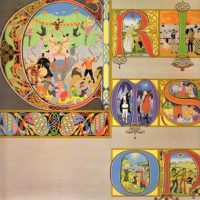
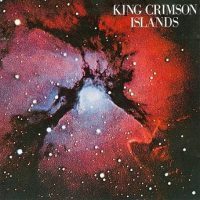


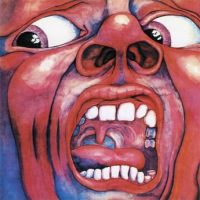
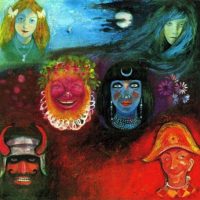
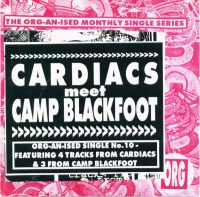

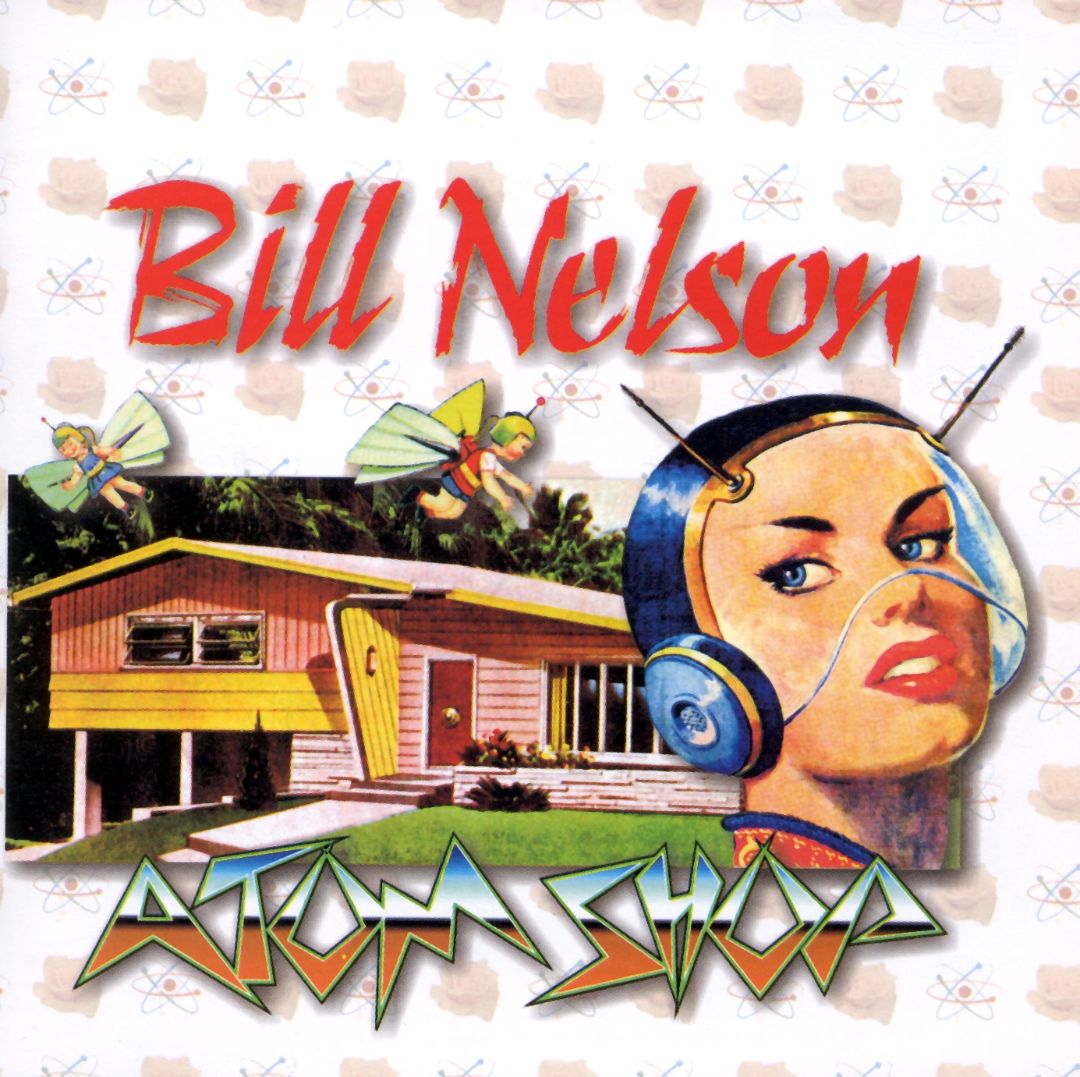

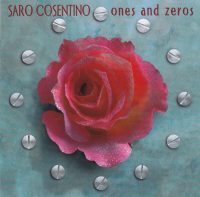


 Misfit City