I was moved to jam these three early April gigs together for a preview. On the Wednesday, it’s up to you whether you go for the tangled electric loom of wonky pop/jazz/punk noise or for the hundred-year-old pop hits with the Keep Calm And Carry On teatowels. Either way, you still get to attend the latest mixed-music-and-poetry SOIF cabaret on the following Friday…
* * * * * * * *
Bad Hedge presents:
The Display Team + A Sweet Niche + Ham Legion The Birds Nest, 32 Deptford Church Street, Deptford, London, SE8 4RZ, England
Monday 3rd April 2017, 7.00pm – information
“A repulsive onstage three-way shocker! For one night in April, three heavyweights of the widely ignored wonk rock scene will spill off the stage in one of London’s best (and cheapest) small venues. And all for free! The Display Team: nob-bothering high-octave brutalitarians; like a small orchestra with big balls. A Sweet Niche: skronky honkies that bring an ominous twistin’ y’all can’t be resistin’. Ham Legion: kaleidoscopic power-pop rompers with more dinner ideas than you’ve had hot.”
For a little more on these people from back in the ‘Misfit City’ archives, have a peek here, here and here. Meanwhile, here’s the obligatory fistful of tunes.
* * * * * * * *
Wiltons Music Hall presents:
Monday Night Music: Patricia Hammond with Matt Redman
The Mahogany Bar @ Wilton’s Music Hall, 1 Graces Alley, Whitechapel, London, E1 8JB, England
Monday 3rd April 2017, 8.00pm – free event – information here and here
“An evening of rousing Edwardian pop! Patricia Hammond and Matt Redman, world-renowned specialists in authentic historical performance, will play an assortment of pop songs from the Edwardian era, including some of the first songs ever written about motorised transport: Willie Had A Motor-Boat, In My Merry Oldsmobile, My Rickenbacker Car, Wait Till You Get Them Up In The Air, Boys, and many, many more delights. If you’re very nice to them, Patricia and Matt also promise some rousing singalongs to gems such as If You Were The Only Girl In The World and, for the WW1 Centenary’s sake, Pack Up Your Troubles In Your Old Kit-Bag.
Matt will be performing on piano, guitar, banjo and accordion, and will treat people to instrumentals of some of the new dance crazes of the 1900s and 1910s, such as tango, chorinho, ragtime, Hawaiian and blues. Of course, this being Wilton’s, songs of the great music hall era will also feature. All together now!”
* * * * * * * *
Society Of Imaginary Friends present:
Society of Imaginary Friends Soiree: “For Absent Friends” (featuring Society Of Imaginary Friends + David Skinner + The Support Stockings + Cian Binchy + Millie George + I Am Her + Martin Wakefield + Evie + Jed Demochowski + Anne Corrigan + Dj Onjdrew + others t.b.c.) Kabaret @ Karamel Restaurant, The Chocolate Factory 2, 4 Coburg Road, Wood Green, London, N22 6UJ, England
Friday 7th April 2017, 8.00pm – free event – information
The latest in Society of Imaginary Friends’ ongoing series of grab-bag gigs, featuring a number of faces which ought to be familiar from recent performances:
“A sunny spring park comes to life crowded with absent friends, friends turned imaginary, walking with the sun, singing and humming, playing rounders, turning summersaults, laughing with the children,climbing trees, smiling into the breeze and as the sun sets we gather round a bandstand at the centre of a green. Vegan ma-nah is brought out by sensual peace-loving Daleks… a gorgeous offering of sound and light a celebration of friendship.
“Performing on 7th is the virtuosic guitarist and velvety voiced singer David Skinner; harmonious vocal stylings from our choir The Support Stockings; fresh from his sold-out national tour, Cian Binchy; the fabulous young poet and star of the Round House and Young Vic Millie George; urban punk from the mighty Julie Riley‘s I Am Her; Martin Wakefield and Evie with inspiring poetry, music and verse; Jed Demochowski (of the VIPs) and his new band; Anne Corrigan delighting us with her poems; DJ Onjdrew, and a couple of super amazing surprise star guests. Plus us, theSociety Of Imaginary Friends.
“Please come and bring a memory, a line or two about your absent friend to say on the night. Looking forward to seeing you there. Don’t forget it is free entry and there is amazing vegan food and award-winning beverages to purchase.”
In mid-March, Richard Barbieri heads out on a five-date English tour supporting his new album ‘Planets & Persona’: on all but one of the dates he’ll be sharing the bill with art-pop singer-songwriter Grice.
Over a five-decade career as a keyboard player, Richard has exemplified a precise balance between pop and the avant-garde. Initially compared to both Brian Eno and Karlheinz Stockhausen, his work anticipated the likes of Aphex Twin and a host of shrouded twenty-first century electronica artists. Initially finding fame as the keyboard player in art-pop band Japan, his approach reached its first apogee in the chimes-and-sibilance atmospherics of their 1982 single Ghosts: unwilling to be restricted by the glamour-punk through which he’d entered music (yet unsuited to either roots playing or the formal technicalities of progressive rock) he’d concentrated instead on developing electrophonic timbre and immaculately-planned textural arrangements, allied to subtle pop tunefulness.
Richard went on to refine his techniques in the post-Japan realignment projects Rain Tree Crow and Jansen Barbieri Karn, to work with left-field instrumentalists and bands (including Hans-Joachim Roedelius, Percy Jones, No-Man and The Bays), and to become an experimental sonic foil for singer-songwriters (Steve Hogarth, Tim Bowness, his own wife Suzanne on ambient folk project Indigo Falls). For seventeen years he was a member of Porcupine Tree, helping to shape the texture of the band’s music as it shifted from psychedelic space rock through prog to metallic adult rock, while simultaneous honing his own skills with more conventional keyboard playing on organ, clavinet and Mellotron. Richard’s recent string of solo albums – including ‘Planets & Persona’ – marry his past experiences with further inspirations from contemporary dance, electronica and left-field progressives.
One of the singer-songwriters who’ve benefited from Richard’s textural input, Grice is a more recent art-rock emergent. London-born but now Devon-based, he began as an early ‘90s arty Britpopper with the bands Laugh Like A Madman and The Burning Martyrs before refining his work with the successor project hungersleep. Since 2012 he’s been a solo artist.The subsequent ‘Propeller’ and ‘Alexandrine’ albums – plus last year’s ‘Refractions’ EP – have explored Grice’s drive towards dramatic and emotive songcraft. Blending his ballad-singer openness and the feathered strength-and-vulnerability of his high, breathy voice with a wide range of acoustic and electronic ingredients (brass-band and acoustic guitar, Uillean pipes and violins, touchstyle instrumentation and electronic glitch) they’ve rewarded him with acclaim in art-pop and progressive rock circles, plus the opportunity to collaborate on his own terms with instrumental and production luminaries such as BJ Cole, Markus Reuter, Raphael Ravenscroft, Lee Fletcher, Hossam Ramzy and Steve Jansen.
Dates:
Vibraphonic Festival @ Exeter Phoenix, Bradninch Place, Gandy Street, Exeter, EX4 3LS, England, Thursday 16th March 2017, 8.00pm – information
Seventh Wave Festival of Electronic Music @ The Blue Orange Theatre, 118 Great Hampton Street, Jewellery Quarter, Birmingham, B18 6AD, England, Sunday 26th March 2017, 1.30pm – information
Seventh Wave Festival of Electronic Music @ The Blue Orange Theatre, 118 Great Hampton Street, Jewellery Quarter, Birmingham, B18 6AD, England, Sunday 26th March 2017, 6.30pm – information
Hoxton Hall, 130 Hoxton Street, Hoxton, London, N1 6SH, England, Tuesday 28th March 2017, 7.00pm – information
On all dates, GRICE will be performing with his collaborator Duncan Chave, a Devon-based theatre composer and sound designer who (in addition to handling loops and programming) plays the Eigenharp, an intriguing breath/strip/finger-flex MIDI controller. In Exeter, they’ll also be joined by the rest of GRICE’s band (Jo Breban on drums, Al Swainger on bass and pedals).
In contrast, Richard Barbieri performs solo at Exeter, but at the Birmingham theatre shows and the London date will be performing with Swedish singer/saxophonist/electronics player Lisen Rylander Löve, formerly half of experimental pop/jazztronica duo Midaircondo and one of the major guest contributors to ‘Planets & Persona’.
* * * * * * * *
While I’m here, a little more on the other events in the Seventh Wave Festival in Birmingham (for more information on Exeter’s Vibraphonic event, go browsing, since they don’t seem to have put a website together this year…) Put together by the people behind the local electronica radio show of the same name, Seventh Wave Festival expands the show’s sideline of putting on electronica, synthpop, post-punk, Goth and New Wave music nights in Birmingham.
This particular concert series has a strong late-’70s/early-’80s focus, calling in some big names from the first synthpop wave. Visage mainstay and onetime ‘Blitz’ club DJ Rusty Egan will be performing material from his new album ‘Welcome to the Dancefloor’, as well as providing DJ slots and talks. Rusty’s ‘Fade to Grey’ co-writer Chris Payne (who also worked with Dramatis and Dead or Alive, as well as spending a decade in Gary Numan’s band) will be showing up with a brief resurrection of his early ‘80s post-Numan project Electronic Circus – for more on that, have a read of his recent interview with ‘The Electricity Club’. There’ll also be appearances by Richard Barbieri and by Human League/Heaven 17/British Electric Foundation’s Martyn Ware.
Although late ’80s dance-poppers Scarlet Fantastic (of ‘No Memory’ fame) have had to pull out, they’ve been replaced by Peter Coyle of the revived The Lotus Eaters; his fellow New Wavers Blue Zoo are also in place. At the more experimental end, two members of electro-experimentalists Test Dept (Graham Cunnington and Paul Jamrozy) will be on hand with “an electronic remix preview of upcoming Test Dept album material” complete with audio-visual mix.
Also contributing are representatives of newer takes on the electronic approach – Salford’s expansive Gnod collective, Ade Bordicott’s drone project Mutate, the vintage synthpop movie soundtrack-inspired Agents Of Evolution and Tony Adamo’s Ten:Ten project.
Test Dept:Redux (Graham Cunnington/Paul Jamrozy) + Gnod + Mutate – The Flapper, Cambian Wharf, Kingston Row, Ladywood, Birmingham, B1 2NU, England, Thursday 23rd March 2017, 7.00pm – information
Chris Payne’s Electronic Circus (Gary Numan/Visage) + DJ Rusty Egan + Peter Coyle (Lotus Eaters) + Ten:Ten – The Flapper, Cambian Wharf, Kingston Row, Ladywood, Birmingham, B1 2NU, England, Friday 24th March 2017, 7.00pm – information
A Morning with… Richard Barbieri – Birmingham and Midland Institute, 9 Margaret Street, City Centre Core, Birmingham B3 3BS, England, Saturday 25th March 2017, 9.00 am – information
Electronic Music Conference (featuring Martyn Ware, Chris Payne, Richard Barbieri & Rusty Egan) – Birmingham and Midland Institute, 9 Margaret Street, City Centre Core, Birmingham B3 3BS, England, Saturday 25th March 2017, 12.00pm – information
Rusty Egan (with Chris Payne) + DJ Martyn Ware + Blue Zoo + Agents Of Evolution – The Flapper, Cambian Wharf, Kingston Row, Ladywood, Birmingham, B1 2NU, England, Saturday 25th March 2017, 7.00 pm – information
(see also the Birmingham Richard Barbieri/Grice dates above…)
During February and March, three tours sprawl across the country from London to Preston to Tyneside, Brighton to Birmingham, Glasgow to Cardiff and points elsewhere.Occasionally they intermesh, like a trio of amiably warped combs. I’ve been trying to keep track of their plans for the last few weeks, but they keep getting excited and running off to snag in more dates and further musicians (both the like-minded and a set of relatively innocent bystanders.)
One of the three tourers is bear-suit-wearing avant-prog polymath Bob Drake, who enjoyed his one-man-one-guitar “Nameless” British tour last November so much that he’s immediately repeating it, bringing his continually morphing musical tales of strange beasts and weird events for another spin around the island. Another is Stephen Gilchrist: indie-rock journeyman who’s drummed behind Graham Coxon and The Scaramanga Six and led art-garage popsters stuffy/the fuses, but most recently has been trading as solo singer-songwriter Stephen EvEns, peddling a craftily embittered set of finely-honed art-pop songs in the Kinks tradition. The third is ‘Misfit City’ favourite William D. Drake – keyboard virtuoso, former Cardiac and (increasingly) the architect of a charming antiquarian pop styling which moves ever closer to a particular unity of classical, folk and the psychedelic.
Video samples below, followed by a slew of gig details and support act info/noises for the curious and for the unconvinced…
Stephen Evens’ Cardiff show on 19th February is probably the straightest show of the lot, with him sitting in the middle of an indie-slanted bill with hooky, cheekily-named Chester girlpop trio Peaness (“for fans of Belly, Letters To Cleo and indie pop songs about George Osbourne”) and Rhondda Valley emergents The Vega Bodegas (who provide a blessed fuzzy-pop escape for post-hardcore refugee and former Future Of The Left guitarist Jimmy Watkins).
At Bob Drake’s Harrison show on 24th February (which features a Stephen Evens support slot) there are a few more familiar names – Kavus Torabi brings another of his recent string of solo sets, belting out songs he wrote for Knifeworld and The Monsoon Bassoon on an acoustic guitar; and Arch Garrison play their delicate, summery mediaeval-tinged pop, full of pilgrimages, parenthood and psychogeography.
Heading up to Preston on 25th February, Bob’s playing on a bill with a gang of Fylde Coast kindred spirits: sunny, doo-wop skronker schizophonics Condor Moments, whom he helped record their 2007 debut album vigorous, bursting Burnley art-rockers All Hail Hyena, plus the dubious Bonanza Tungsten Ladies. (Allegedly, the last are a trio of stranded Preston-based Peruvian exchange students who move between sofa-surfing and eking out a precarious existence in a haunted train tunnel. I suspect lies, and probably treachery.)
Back down in Brighton on the 26th, Bob’s playing a pay-what-you-like show with support by T. House, frontman of ominous surreal post-punkers, Sweet Williams. T.’s songs are subtly alarming. I dare you not to put any money in the hat.
Bob’s Glasgow gig on 2nd March seems to have brought out support opportunities for half of the undersung freaks in an art-rock town’s artiest corners. Luminous Monsters bring us the gift of “ersatz fuzz-ragas and igneous doom from beyond the ragged veil of terror” (though I’d’ve settled for a badly-carved figurine.) Presenting themselves as “reptilian” Southside doom-droners, they’re a cut or two above the usual arrant sludge-mongering, since there’s more than a touch of flamenco to leaven the grinding distortions and the Mogwai cascades – presumably those are the “freeform ecstasies” and “ersatz arabesques” mentioned further down the parchment. (Aye, ftagn, caramba.) Herbert Powell claim to offer “twisted evil-doings of mental brainwrongs influenced by the likes of Captain Beefheart, This Heat and Aleister Crowley” ; Glasgow blog ‘Blues Bunny’ laconically tags them as “contrived angularity”, “Postcard guitar pop” and “the check-shirted sound of the street”. Come along and see who’s telling the truth – their Bandcamp page is a yawning void, but I did manage to locate a retina-frying live video.
Also on the Glasgow bill, faux-masculinist avant-rock bastards Bloke Music are rooted in other local heroes-of-obscurity such as Elastic Leg Party, Bo Deadly, Super Adventure Club and Gastric Band. They’ve just put out a debut EP packaged with a trowel, riddle their press-sheets with Homebase jargon, deliberately confuse DIY music with handyman work, and grunt out song titles like Mortise And Tenon or It’s Yer Ballcock’s Gone Hen. In person, they’re actually a lot feyer, lampshading nods to prog, contemporary classical and (allegedly) Michael McDonald while coughing up part-digested fragments of lounge jazz and ice-cream van. Singer Chris Flynn carols and quavers his way over his bandmates’ knotty guitar fletchings like an avant-pop Jimmy Scott (or rants like a Glaswegian fraternal twin of Joeyfat’s M. Edward Cole). The group’s flakey nerviness and hints of teatime haunted-house shows suggest dEUS or Pavement reworking a soundtrack for ‘Scooby Doo’, or Beefheart getting a gig with ‘The Munsters’. Should be promising, as long as they don’t drop a hammer and smash their own kneecaps.
In Birmingham on 3rd March, Bob reunites with two lightly lysergic sets of local gigmates from last year’s tour for a sweet spring shower of a show. Quizzical, pranky cutepop trio Kate Goes recall Victoria Wood heading up a girl gang with an ever-shifting nature (first West Coast beat-poppers; then The Slits; then The Ronettes, with a sideways dash into jaunty Cardiacs territory) but also the quirky sunshine folk-pop of The Bush The Tree & Me. The Nature Centre innocently cite Syd Barrett and “fololoppy pop” as pointers (you can add XTC and Cardiacs to the list, if they hadn’t been implied already), but underneath their sprightly, jouncing banjo/keyboard tunes the band are conducting little philosophical investigations both cute and serious (the comedy of telepathic entanglements on We Are All Friends Of The Master Brain, but a semi-occult tale of madness and misogyny on Amongst The Shielings).
Bob’s second London show – at The Others on 5th March – is his last tour date for now. It’s also a Depresstival date at which he’ll be joined by haughty, theatrical pop tyrant and multi-media demagogue Bing Selfish, plus a host of Others-friendly acts including cowpunk trio Lonesome Cowboys From Hell, the Sanshin Sisters, dada musical comedy trio Consignia, Takeru Brady, Birthday Bread Man, Laminate Everything and Alain Man. It’s tough to keep track of all of these people, but for now here’s two sides of the Bing…
Stephen EvEns and Bill Drake, however, continue a two-man waltz for four more gigs together. For Stephen’s London album launch gig on March 9th, they’re joined by various friends from Onamatopoeia Records. The Gasman’s DJ set will presumably provide a window into the thinking behind his odd hyperactive electronica, but voice-and-upright-piano duo Rolf & Sam are a bit of a mystery (or possibly a prank – all I know is that one of them is Stephen’s piano tuner). Barringtone are more of a known quality – driving art pop from former Clor-ster Barry Dobbin which flies the route between XTC’s Swindon and Neu’s Dusseldorf. I know that they’ve got enough material to play full sets. I’ve even heard that they’ve recorded some more of it. Please could someone ask them put it out, so that I’m no longer posting and reposting the same two songs from several years ago? Here’s one of them again…
Up under the Gateshead railway arches on 12th March, Stephen and Bill will be joined by another affectionate dramatist of the constrained and absurd – Tyneside urban folk veteran: songwriter and 12-string guitarist Nev Clay, who’s been toting his tragicomic songs of fumbled ambitions, criminal families and hard lines around the area for two decades. At their rather posher Leatherhead gig on the 22nd (look, a Victorian private school chapel!), they’re reunited with Arch Garrison. This should be tremendously genteel and cultured, with everyone’s cordial Englishness brought to a simmer. Stephen will probably feel obliged to lower the tone – and quite right too, since chapels are always improved by a public glower or two. Ask any Calvinist.
When Stephen plays Brighton on 23rd March, he’ll be minus Bill but topping a Club Stramonium bill featuring other three psych-tinged sets of performers – hedge-magick Cornish folkie Emily Jones, the dark whisper-pop project MUMMY (featuring Bic Hayes and Jo Spratley), and what seems to be an unexpected reappearance of Jo’s Spratleys Japs revival (a Cardiacs spin-off who played three ecstatically-received comeback gigs on either side of the New Year, giving a new lease of life to a batch of undersung Tim Smith work). People who followed those shows at the time will note that this is pretty much a reshuffled version of the playing order at the first of the SJ Brighton shows, with the intriguing twist that Spratleys Japs themselves will be playing acoustically. (UPDATE, 1st March 2017 – sadly, this show appears to have been cancelled, but here’s a taste of what might have been, starting with one of Emily’s tracks…)
Finally, on 24th March, Stephen plays Oxford – minus Bill, but plus Ally Craig, his once-and-current bandmate in Bug Prentice (the Oxford avant-punk trio whose influences range from American hardcore to British psycheccentricity to arty ’50s jazz, and whose lineup’s rounded out by up-and-coming jazz bassist Ruth Goller).
There’s a smattering of other Bill or Stephen shows this spring, but I’ll cover those in the next few posts, since this one’s bursting at the seams.
Here’s the basic tour details:
Peaness + Stephen EvEns + The Vega Bodegas – Clwb Ifor Bach, 11 Womanby Street, CF10 1BR, Cardiff, Wales, Sunday 19th February 2017, 7.30pm – information
Bob Drake + Arch Garrison + Stephen EvEns + Kavus Torabi – The Harrison, 28 Harrison Street, Kings Cross, London, WC1H 8JF, England, Friday 24th February 2017, 7.00pm – information
Condor Moments + Bob Drake + All Hail Hyena + Bonanza Tungsten Ladies – The Ferret, 55 Fylde Road, Preston, Lancashire, PR1 2XQ, England, Saturday 25th February 2017, 8.00pm – information
Bob Drake + T House – The Caxton Arms, 36 North Gardens, Brighton, East Sussex, BN1 3LB, England, Sunday 26th February 2017, 8.00pm – information(free event with collection on door)
Bob Drake + Bloke Music + Herbert Powell + Luminous Monsters – Nice ‘n’ Sleazy, 421 Sauchiehall Street, Glasgow, Scotland, Thursday 2nd March 2017, 7.30pm – information
Bob Drake + Kate Goes + The Nature Centre – ORT Cafe, 500-504 Moseley Road, Balsall Heath, Birmingham, B12 9AH, England, Friday 3rd March 2017, 7.30pm – information
Bob Drake + Bing Selfish + Lonesome Cowboys From Hell + Sanshin Sisters + Consignia + Takeru Brady + Birthday Bread Man + Laminate Everything + Alain Man + others – The Others, 6-8 Manor Road, Stoke Newington, London, N16 5SA, England , Sunday 5th March 2017, 7.00pm – information
Stephen EvEns (full band show) + Barrington + William D. Drake + Rolf & Sam + The Gasman (DJ set) – The Windmill, 22 Blenheim Gardens, Brixton, London, SW2 5BZ, England, Thursday 9th March 2017, 8.00pm– information
William D. Drake + Stephen EvEns – The Ferret, 55 Fylde Road, Preston, Lancashire, PR1 2XQ, England, Saturday 11th March 2017, 7.30pm – information
William D. Drake + Stephen EvEns – Prohibition Bar, Arch 3, Brandling Street, Gateshead, NE8 2BA, England, Sunday 12th March 2017, 7.30pm – information
William D. Drake + Stephen EvEns + Arch Garrison – Old Chapel @ St Johns School, Epsom Road, Leatherhead, KT22 8SP, England, Wednesday 22nd March 2017, 7.30pm – information
Stephen EvEns (full band show) + MUMMY + Emily Jones + Tesla Girls DJs – The Green Door Store, 2-4 Trafalgar Arches, Lower Goods Yard, Brighton Train Station, Brighton BN1 4FQ, England, Thursday 23rd March 2017, 7:30pm – information here and here(CANCELLED)
Stephen EvEns + Ally Craig (Bug Prentice) – The Albion Beatnik Bookstore, 34 Walton Street, Oxford, OX2 6AA, England, Friday 24th March 2017, 7.45pm – more information t.b.c.
Another year comes around, and it’s back to the small rooms and the hidden wonders…
Society Of Imaginary Friends present:
‘New Year Soif Soiree’: Society of Imaginary Friends + The Right Reverend Swifty Lazarre + Millie George + I Am Her + Cian Binchey + Nighmar Askouski Kabaret @ Karamel Restaurant, The Chocolate Factory 2, 4 Coburg Road, Wood Green, London N22 6UJ, England
Friday 6th December 2017, 8:00pm – free entry – information
As hosts, the Society have previously offered grand Kate Bush-styled prog-pop, transfigured folk, and even miniature rock operas about the speaking clock. This time, they’re unveiling “a sad blues for this ecstatic blue jewel that we ride across the Universe.” There’ll also be soiree regulars performing – two actor-performers (autism-positive Cian Binchy and sometime dark poet Nighmar Ascouski) offer a kind of cross-set dialogue, the one providing “a glimpse of a better world, a Utopian vision of every one stopping messing about and just kind of sorting it out” and the other “a glimpse of what to expect if we don’t.” Julie D. Riley is also returning with her singer-songwriter project I Am Her in order to “fill our hearts with punk fury at the crass stupidity of it all.”
In keeping with their taste for statements of resistance and community voicing (and, fresh for 2017, that sense of impending dread), the Society have announced that “the theme for our January Soiree is ‘lets stop climate disaster in 2017’. Sir David Hempleman-Adams has just completed a circumnavigation of the Arctic Polar region in a sailing boat. A journey that would have in the past taken three years because of the ice and pack-ice has just taken him four months. He saw very little ice. The infamous North West Passage was virtually ice-free…
“What are we going to do to meet the challenge we all face? Please give it some thought over the next few days and bring your ideas to the Soiree to be aired. We are hoping to have a video link-up with a genuine climate activist speaking from a secret location… briefing us on the current state of affairs so that we can all work towards a solution to avoid this global catastrophe as the evening progresses.”
Also on hand to entertain and provoke are slide guitar blues preacher and alleged Devil’s poker buddy The Right Reverend Swifty Le Zarre – here to represent “an extremely disconcerted deity” while dipping into a stack of pre- and post-war blues classics – and activist performance-poet Millie George, who’s been compared to both Angela Davis and Sylvia Plath and is representing “the very unhappy youth who are watching us fiddle as the world burns…”
Other than that, the usual SOIF circumstances applies – the free entry, the communal atmosphere, the top-notch vegan food; the general likelihood of them pulling some unknown/obscure/future star onstage for you.
* * * * * * * *
Tom O.C Wilson + Beetles Café Oto, 18-22 Ashwin Street, Dalston, London, E8 3DL, England Wednesday 11 January 2017, 8.00pm – information
A few days later, Tom O.C. Wilson gets to take over the art shack at Café Oto for an evening. Tom was last seen in December, supporting Bob Drake on the latter’s joyful, loose cannon art-rock swings through London. On that occasion he brought along Beetles, his alt.pop duo with Laila Woozeer which he’ll be bringing to this gig too (as well as headlining with his own four-piece band featuring drummer James Ashdown, bass player Steve Haynes and keyboard player Steve Troughton).
Leaner and less cutely baroque than his earlier work as Freeze Puppy, Tom’s more recent solo work on Soundcloud shows how he’s pushing his idiosyncratic and elliptical songwriting voice forwards. Though the half-spoken, half-conversationally-sung vocals are familiar from Puppy Time (as are the clambering, almost-jazzy melodies) the dusty synth trumpets replacing the cute keyboard tones suggest a growing interest in natural timbres. More significantly, he’s shedding some of his previous, precocious preciousness and becoming more literary while at the same time managing to become more compelling a listen: a neat trick to pull off.
Itchy and unnerving, swaying between a surprising number of key shifts across its three-and-a-half minutes, The Wagon is a self-proclaimed “song of struggle”, ostensibly about quitting cigarettes; but as the lines and distractions unfold, it could as much be about quitting a person, or jabbing around the edges of artistic compulsion in search of the route to an aim. If you were to pick a comparison, it would have to be a narrative wrangled between Stephen Malkmus at his most effusive and the looping literary embroideries of Stars In Battledress – a delightfully skewed and verbose transatlantic mixture which mirrors Tom’s own mixed English and American roots.
Beetles (photo by Paul @ bitoclass)
Beetles – lo-fi unwinders of “intricate, skeletal pop songs” – have a scrappier and almost-unplugged approach, with their instrumentation limited to Tom’s slippery, feathery electric guitar and to the deceptively loose twining of Tom and Laila’s voices. The sparse pair of tracks they put up on Soundcloud this past autumn tease through ideas as if working on stubborn, resistant knots in the hair. Tom and Laila offer thoughtful pop song perspectives from the losing sides of open relationships, from in and around deceptions; stories-in-process from (or about) unreliable people, or people who might have bitten off more than they can chew. They cite Regina Spektor, Nirvana and the other Beatles (the one with the “a”) as inspiration: for me, though, I keep imagining an alternate Sonny and Cher, immured in a thin-walled apartment for months on end, toning down the carolling and coming up with increasingly fractured songs as they start to forget which of them is whom.
An English sandwich view of the weekend, with two West Country acoustic events mingling jazz, folk and post-folk framing the usual mixed-genre Daylight Music show in London.
* * * * * * * *
Frome’s Cooper Hall has a tradition of St Cecilia’s Day concerts crossing cultures and musical genres, as well as a growing relationship with the Norwegian arts scene. This Saturday, they blend both aspects.
St Cecilia’s Day Concert – The Norwegian Connection: 1816 (Wenche Losnegård &Audun Ellingsen) Cooper Hall, Selwood Manor, Jacks Lane, Frome, BA11 3NL, England
Saturday 19th November 2016, 7.30pm – information
“1816 was the year without a summer. 1816 is also a collaboration – a new Norwegian alternative pop band consisting of two renowned and experienced jazz musicians.
“Wenche Losnegård is a singer, songwriter, arranger and conductor with a broad span of musical interests ranging from contemporary classical, improvisation and jazz. Educated at the Norwegian Music Academy and having received numerous awards including the state scholarship in 2010-11, she now sings in the Norwegian jazz-folk acapalla trio Eplemøya Songlag (with whom she has released two critically acclaimed albums). Audun Ellingsen is a versatile double bass player working within and beyond the boundaries of jazz. After studies at Leeds College of Music he moved back to Norway and established himself on the Norwegian scene, recording and performing with various acts such as Froy Aagre, Kenny Wheeler, Andy Sheppart and Nils Petter Molvaer: he has also released two critically acclaimed albums with his own compositions with the band Audun Automat.
“Some years ago Wenche and Auden met in the dim jazz clubs of Oslo and started experimenting with the instrumentation of a bass and vocal duo. “The Year Without a Summer” inspired the name, the sound and the lyrical universe of the project – a rich, dark-sounding breed of jazz-influenced chamber pop both stripped down and richly layered. Later cello and drums were added to the palette, the former provided by Gregor Riddell (the Solstice Quartet member and composer who’s collaborated with Radiohead and Björk and more recently been a part of BirdWorld, who played at this year’s Frome Festival) and the latter by Erik Nylander (Ola Kvernberg Trio, Kirsti Huke Quartet).
“Building on the band members’ broad musical background, the 1816 live performance is captivating experience: the band wishes to comfort and disturb, please and torment, expressing music with depth and quality that can reach wide, but at the same time, leave little room for audiences to feel indifferent.”
Released on the Scandinavian Record Label, Vilje, 1816’s first single ‘The Message’ is based on a reinterpretation of treasured Norwegian poet Inger Hagerup and came out on the 14th of October. I can’t embed it here, but you can listen to it on the 1816 Soundcloud page.
* * * * * * * *
Arctic Circle presents:
Daylight Music 239: Woodpigeon, Cevanne & Crewdson + More Is More Union Chapel, 19b Compton Terrace, Islington, London, N1 2UN, England
Saturday 19th November 2016, 12.00pm – free event (suggested donation: £5.00) – information
Although original headliners Woolly Mammoth have had to pull out, the Daylight show goes on with indie pop collective Woodpigeon moving up to pole position. Centred around the songs of Mark Andrew Hamilton, they perform wise, liquid, breathy pop with tones of country and folk, rumbling with patience, pianos and perspective shifts. In Mark’s tunes and lyrics you can hear shades of the grit of Johnny Cash, the pointed, sighing regret of Boo Hewerdine, and the steel-cored romantic realism of Michael J. Sheehy – always ready to distil a single phrase from a cold, hard truth; always ready to chronicle the kind of love that will twist in your hands and bite you.
Cevanne & Crewsdon is a proudly eccentric/eccentronic partnership between Anglo-Armenian singer/harper/composer Cevanne Horrocks-Hopayian and electronic musician/instrument builder and musician Hugh “Crewdson” Jones.
Mixing all kind of influences from Renaissance to Maqam to the strange sonorities she heard during a phase of childhood deafness, Cevanne’s got a diverse portfolio of commissions and projects, ranging from the London Symphony Orchestra’s Panufnik Scheme to a Celtic harp duo, radio drama, and work as resident composer at Handel House and 575 Wandsworth Road. In his Deptford home, Crewdson hotwires old acoustic instruments, video game controllers, toys and other found items into fascinating hybrid electro-acoustic noisemakers and sound manipulators, or designs experimental wearable instrumentation: when not at work on his own projects and recordings, he plays live with Matthew Herbert and Hello Skinny and has remixed for the likes of Brownswood, Four Tet, Accidental, Sunday Best and Ninja Tune.
Together (with shades of the working methods of Hugh Davies and of Fripp & Eno), Cevanne & Crewdson create their own extraordinary sonic world, spinning together folk and electronics using their voices, Cevanne’s harp and Crewdson’s invented electronic instruments (including the concertronica, the sonic bonnet and perhaps even the MIDI motorcycle handlebars)
More Is More are three accomplished young saxophonists and a percussionists, collating pop and jazz culture melodies and snippets, improvising grooves, and jamming them all for fun. The confluence of two great watery places – New Orleans, and Deptford. Simple as that. See below for one of their spontaneous original tunes, and for a crowd-pleasing live mashup (including bits of Toto and the ‘Star Wars’ cantina theme).
The usual in-between sets are handled, this week, by self-taught solo pianist Matt Stewart-Evans who releases post-modern romantic instrumentals on 1631 Recordings and hovers in the same soft, soundtrack-friendly zone as Brambles, Dustin O’Halloran, Nils Frahm and Max Richter.
“For over ten years the Nest Collective has been London’s way to experiencing folk, world and new music, creating a community that seeks unique sonorous experiences in unusual spaces. This weekend, they’re delighted to present a magical, intimate, sit-down lo-fi post-folk gig with The Nightjar and Ys.
“Drawing influence from the lo-fi wooze of Grouper, the stark and poignant balladry of Diane Cluck and the deft compositions of Colleen, The Nightjar (Jez Anderson, Mo Kirby, Sarah Ricketts, and Pete Thomas) use close-harmonies, tight-interlocking guitars, deep bass and an intense lead vocal to paint fragile, haunting landscapes. Originally conceived as a close-harmony vocal trio, a collaboration with South London producer Kams brought them to the attention of Boiler Room’s Joe Muggs. The following viral Boiler Room debut brought 2015’s ‘The Nightjar’ EP plaudits from nearly seventy thousand underground music fans, as well as the accolade of airplay on Radio 3’s ‘Late Junction’.
“A successful crowd-funding campaign convinced them of the existence of an audience for their dream-like, ethereal songs of hope, loss and disaster. In the autumn of 2015, The Nightjar relocated to a farmhouse in rural Portugal to begin their first full-length offering. Due in February 2017, the album received early support from Mercury-nominee Sam Lee who subsequently booked them for Cambridge Folk Festival and Shambala. 2016 tours of France, Germany and the UK, saw audiences brought to a stand-still by the raw intensity of their performance, bringing them a reputation as a must-see live band.
“In support are Anglo-New Zealander folk trio Ys, who embroider intricate harmonies, dark melodies and glittering guitar and banjo into heart-beating folk. Beautiful and compelling, their songs carry as lightly as they feel deeply. Songwriter Holly Dove met English vocalist Katie Riddle on the Melbourne music scene in 2013 and the duo have been playing together ever since, enjoying New Zealand and Australian summer music festivals before heading northwards early last year.
“Recently joining forces with Bristolian folk musician and banjo player, Rosie Garrard, the trio have developed a deeper and more vibrant sound with three-part harmonies and banjo lilts. Drawing on traditional English and Celtic folk as influence, they unearth original material and traditional songs as you’ve never heard before. Ys will lead you down the garden path and move you deep and good.”
For Cardiacs fans (plus any interested fans of psychedelic folk, multi-mood cut-up pop and perhaps a touch of Rock In Opposition) even if the Spratleys Japs show I posted about earlier is sold out, there’s still room in the audience for when William D. Drake fits in a final couple of shows for 2016, and for when various Knifeworlders help American avant-rocker Bob Drake to touch down in London.
(Yes, two Drakes. A coincidence. It’s not actually family, but it’s sort of familial anyway…)
* * * * * * * *
I’ve written plenty about William D. Drake over the months and years, to the extent that I sometimes wonder whether I’ve written myself out. So instead, I’ll rummage through the immediate press kit clippings written by other people, which hail him as “one of the most gifted and diverse composers of the modern age”, “a master of both modern classical piano composition and of experimental popular music” and the possessor of “a unique and prodigious skill as a composer and arranger of complex, intelligent and eccentric musical psychedelia; creating a cornucopia of diverse melodic styles whilst playing a plethora of keyboards and synthesizers.”
The same one-sheets heap praise on his music – “an homage to lost music of the past, whilst taking a very English approach to composition which touches on the work of Robert Wyatt and Peter Hammill”, “weaving layers of textured melody with rock undertones… journey(ing) through the surreal and psychedelic, telling curious tales with sideways humour” and “jerk(ing) wildly from the gloriously epic to the intimately prophetic.”
PR to die for, really: and yet none of it mentions the other main draw, which is the warmth. Many attempts to bridge rock, folk and classical builds on pomp and posturing which verges on the desperately anxious, as if in dread of some grand and booted critic rising up, kicking down a cardboard set, pointing at the cowering artist and bellowing “naked! Fraud!” Others (especially from the classical side) skate around the business of integration by ironing half of the ingredients flat before inserting them – an ostentatious patina of orchestral papier-mache; or stiff, ungenerous impressions of rock beat and noise (or communal folk storytelling) fed into an ensemble piece with looseness of rhythms and fervency of engagement extracted.
Bill, in contrast, approaches it all with a laugh: the music’s all manuscript on the same rough paper, to be shuffled and interpreted for pleasure, or a rough tasty stew cooked up from memory, free to be meddled with and added to. For all of the impressive content and heart, it keeps its amateur edge in the best possible way -the enthusiasm of putting a family puzzle together; of teaching your nephew a song you’ve found in a street market; of suddenly remembering something intricate, odd, charming and half-forgotten from your childhood, then tracking it down to the back of a cupboard and finding that not only does it still work, it fits in beautifully with something else you’re working on.
This also translates to the shows. At a Bill gig, it sometimes feels if everyone’s crammed cheerfully into a slightly messy Edwardian parlour, eating jam with a spoon. Or, according to those press sheets, you get “a feast of gorgeous instrumentation, masterful piano, ancient grinding hurdy-gurdy, harmonium, clarinet, guitar, drums… topped with growly vocals and angelic choral singing.” I can vouch for that too.
Meanwhile, here’s a range of Bill pieces (probably over-familiar to ‘Misfit City’ readers, but what the hell) – a waltzing live-in-the-studio session full-band jaunt, a larky official video full of theatrical gestures and in jokes, and last month’s seizing of the Union Chapel’s grand Willis organ for a song of shipwreck.
It looks as if the London gig will be just Bill plus band, but the Preston show features a couple of guest slots. Paul Morricone is best known for his work as the more prolific and dramatically brooding of the two songwriting brothers in Huddersfield rock dramatists The Scaramanga Six, who “lurch wildly from dark and lurid ballads to visceral punk tinged psychedelia.” In recent years, Paul has taken to occasional acoustic solo gigs in which he sings songs from the twenty-year-old Scaramanga back catalogue (with its tales of fools, brutes and people stuck in between the two) and sometimes tries out unreleased, unrecorded and work-in-progress songs for size. See below for a full forty-minute set from such a gig, as well as a growling stop-start hard-math-pop burst from the third act on the bill – Burnley band All Hail Hyena!, who promise “a selection of frenetic psych-pop frenzies, intersected with melodic brilliance, punctuated by attitude and melting into rapture. A seething mass of unpredictability which will leave your brain reeling like a fish on a hook.”
They Eat Culture @ The New Continental, South Meadow Lane, Preston, PR1 8JP, England, Friday 18th November 2016, 8.00pm (with Paul Morricone + All Hail Hyena!) – information here and here
The Forge, 3-7 Delancey Street, Camden Town, London, NW1 7NL, England, Wednesday 1st December 2016, 7.30pm (no support)- information
* * * * * * * *
Bob Drake’s last appearance in London (as far as I know) was a startling, affectionate and consensual stage invasion at the very start of a Knifeworld gig at Bush Hall. Clad in the surprisingly convincing snow-white bear suit he’s made famous from capering behind the drumkit at Thinking Plague gigs, he seized the mike and propelled what was already set to be a triumphant show up to a different level of vim and laughter.
It’s in keeping with what the man does. A veteran of the more rattling, curious end of American prog (not only with the Plague but with 5uus, his own Cabinet of Curiosities and plenty more), Bob’s equipped with all of the production nous and polyinstrumental expertise to act as his own ensemble on record; but he balances his impressive technical skill with just the right dose of lo-fi get-it-done-now irreverence to hit that elusive sweet spot between prog precision and friendly spontaneity. In doing so, he not only gives himself space to indulge an affably friendly musicality but knocks down any of the strict confining fences which might restrict both his freedom and the warm buzz of his audience’s involvement. If something off-beat and of-the-moment isn’t happening at one of Bob’s gigs, then it’s something that’s missing: or to put it another way, if something isn’t going slightly wrong, then the gig’s not going right.
This has nothing to do with prog spoofery, or comedy rock. It’s got more to do with Bob’s records and shows being intricate shaggy-dog (or perhaps shaggy-bear) stories in which the digressions on the journey, the ragged human edges and distractions, are more important than awe-inspiring structures or a revelatory destination. There’s plenty of nifty fingerwork – and plenty of irregular musical gems and twists that probably took more work and planning than he’s letting on – but what seems to matter the festooning of structure with invention… and with humour, the key to knowing that the moment is here and now, and knocks against expectation and time, and that a laugh isn’t necessarily a punchline, but the acknowledgement of an enthusiasm shared.
There are plenty of little musical signposts to point the way to Bob – there’s Yes (he got into all of this through a fascination with Chris Squire’s high-stepping buzz-bomb basslines), Henry Cow (for deliberately imperfect noise, and for toppling eagerly over the edge of the comfort zone in search of adventure), Stateside folk and bluegrass (plus the baroque Americana of The Beach Boys), the swivelling dial of midwestern classic rock radio and the mix-and-match repertoire of the zillion bar bands he played in on the way up; and probably the shadow of Zappa. There are other islands in the soup which may be coincidental – the convoluted indie rock of Guided By Voices, the fact that some of his songs sound like a ragged Jellyfish, or as if he’s roughed up an English cabaret star in a trucker’s joint; the possibility that his time in Los Angeles engineering hip hop tracks may have reinforced his interest in cut’n’paste textures. Yet ultimately Bob is Bob; moment by moment; grabbing hold of what’s there, spinning out what comes. Here are a few examples, including a snippet of a Cabinet of Curiosities gig where the theatre of the furry absurd is in full effect.
For this particular show (presented with fondness by Knifeworld’s resident reed avant-gardist Chlöe Herington), you just get Bob and his acoustic guitar – skill, repertoire and atmosphere probably more than compensating for the lack of a full band. In support is Kavus Torabi, fresh off a Gong tour, also feeding his songs through an acoustic – plus the unknown but immediately intriguing quality of Beetles, featuring ever-restless London avant-garde popsters Laila Woozeer and Tom O.C. Wilson, and who play “intricate, skeletal pop songs influenced by Regina Spektor, Lennon and McCartney and Kurt Cobain.” All of this is happening in a little basement room in a Kings Cross bar, so if you want to get a place there before a hundred London freaks swoop, get a move on.
Chlöe Herington presents:
Bob Drake + Kavus Torabi + Beetles The Harrison, 28 Harrison Street, Kings Cross, London, WC1H 8JF, England
Friday 9th December 2016, 7.00pm – information
Though it’s long sold out (Facebook and local word-of-mouth rendering any blog efforts unnecessary), I thought I’d tip the hat to Saturday’s Brighton revival-cum-recreation of the obscure and short-lived Spratleys Japs, the first full live outing that the project’s songs have ever had.
Nominally a band, one which first wormed its way out into the light back in 1999, Spratleys Japs were one of the more enigmatic branches of the Cardiacs family. Head Cardiac Tim Smith composed the cryptic bulk of it, played bass guitar and organ, and added scratchy vocals; his then-girlfriend Jo Spratley sang bright and artless (like an urchin sparrow) and dabbled in theremin and flugelhorn. Tone and shape was inspired by a gloriously malfunctioning Mellotron keyboard on loan from ‘Tron historian Andy Thompson – its antique tape-replay system disrupted; its brass and string sounds invaded and polluted by grand staggers, stammers and dark blarts.
The rest of the instrumental roles were filled by the Rev-Ups, a Mexican desert band transplanted across the Atlantic and camping out in the New Forest. Dibbling around in Spratleys history brings you more information, albeit in baffling crepuscular fashion. There are stories of cutlery-hoarding obsessives hunched over humming home-made electronics; of a dilapidated old valve-tech recording studio buried deep in the Hampshire woods (“a bit rotten and a bit covered in leaves and rats, and rats spiders… ‘Doctor Who’ stylee control room… wiring swung between olden telegraph poles…”); and of vocals recorded “at dusk, in the drizzle”, bounced off the surface of a stagnant pond.
All very interesting, but probably spurious. It’s true about the ailing ‘Tron (and some elements of the dank forest sessions story might even be based on reality) but Spratleys were, in all likelihood, a Jo and Tim duo project: something cooked up through Smith production wizardry and swathed with the usual Cardiacs thicket of playful disinformation and purposefully eccentric mythology. In the decade following the album release, there was occasional talk about taking Spratleys to the stage, none of which came to anything: Tim’s near-fatal stroke and heart attack in 2008 finally put paid even to the talk.
What was left was the music – one album, one single with extra scraps – and very interesting it was too, be it the twinkling, seething, termite’s-nets funk of Fanny, the nursery piano and Wagnerian choir of Sparrows or Tim whispering an endless meandering verse over a strummed bass in Oh. Half of Cardiacs’ songbook had always been weirdly Arcadian, yearning out and away from regimented urban suburbia into a half-imagined clotted English greenwood full of growing things. Spratleys suggests what might have happened if Cardiacs had escaped there only to find out that it was a swamp, vegetation, trash and identity alike inexorably decaying into fertile sludge.
The grand, precarious staircases of extended harmony are pure Smith: parkour chord progressions racing on to destination unknown, delighting in the unpredictable terrain underfoot. The glue and ingredients which surround them are different, or at the very least repurpose and re-examine previous Smithian influences. Looking back at it now, it resembles nothing so much as various Cardiacs urges bumping up against the make-do, repurpose-and-discover influence of Faust, recoiling a little dazed and reconsidering. Creatures rustle; flashes of crude bayou guitar and ’50s rock’n’roll lick set up home with spluttering electronics. Vinyl pops; lyrics torn from malfunctioning phrasebooks float and spin in the eddies; all of the vocals sound as if they’ve been transposed from worn vellum. Jo, too, leaves her mark on proceedings – tugging Tim’s obsessive tendencies into more abstract, wandering territories, her childlike voice and delivery a perfect foil for his.
Regards this weekend’s recreation, Jo is the only original Spratley left standing. Though he’s recovered sufficiently to recently disinter and prepare a long-shelved Sea Nymphs album for release, Tim is still a long, long, unlikely way from playing live again. The Rev-Ups have long since dispersed and disappeared (probably back into the realms of Tim’s imagination); and as for the crumbling Mellotron, Andy Thompson (the entirely entitled bastard) has long since callously repaired it without a thought to history. There have been efforts to keep the project in the family, one way or another: Jo’s son Jesse Cutts (of Heavy Lamb) is backing her on guitar, and remaining roles are filled by sundry Brighton multi-instrumentalists and Cardiacs sympathisers. In the bag for the band are Étienne Rodes of Clowwns, his brother Adrien Rodes (once of Rect.angle, now playing with Étienne in Brother Twain) and the frighteningly busy Damo Waters (drummer for Clowwns, ZOFFF, Brother Twain and Slug; organist for Crayola Lectern; sessioneer for Field Music, British Sea Power, Chris T-T and plenty of others; everything-ist for his own project Muddy Suzuki when he has a spare moment).
At the moment, it’s not yet clear whether all of this is going to be a one-off amplified and extended celebration; or whether it’s going to become part of that eagerly growing body of post-Cardiacs musical life, joining the massing bands and solo artists which throng the increasingly regular Tim Smith fundraisers. Meanwhile, some indication as to what’s coming on the night could be found here – a kind of dry run, as Jo and Heavy Lamb take a rockier, punkified crack at the Spratleys song Vine at last year’s Alphabet Business Convention.
‘Spratleys Japs Performed Live’ (featuring members of Spratleys Japs, Crayola Lectern, Clowwns, Brother Twain, Muddy Suzuki) + Stephen Evens + Emily Jones The Green Door Store, 2-4 Trafalgar Arches, Lower Goods Yard, Brighton Train Station, Brighton BN1 4FQ, England
Saturday 19th November 2016, 7.30pm – information here and here
In support are Stephen EvEns (the current solo project by thoughtfully-hangdog drummer and multi-instrumental songwriter Steve Gilchrist – that’s Jo playing the therapist in his video below) and Cornish psychedelic folkie Emily Jones, whose own work shows a (possibly accidental) affinity with the softer end of Smithiana both in its occasional odd-corner harmonies and changeability, and in its occasional fascination with small, obscurely significant things.
If you’re not discouraged by that “sold-old” sign, see links above for the tickets that might become available… or just show up on the door with some cash on the night and hope for the best. If the Green Door Store has windows, crane up against them; fog them with sorry breath; make the kind of forest-creature creeling noises which you’d suspect might be just out of earshot on the Spratleys Japs album. They might take pity on you, and let you in.
This just in – Lee Fletcher, touring soundwizard for Billy Bottle & The Multiple, just tipped me off about this Bandcamp montage he’s just made of their currently touring show ‘The Other Place’.
There should be a YouTube version shortly, which I’ll paste in when it’s available. Meanwhile, there’s more on the show in general here, and more on its current dates here.
* * * * * * * *
One of the ‘Other Place’ dates is in London this weekend – taking place at Camden People’s Theatre, as part of their ‘All The Right Notes’ “gig-theatre” festival exploring the interaction, interweaving and intersectionality of theatre and music on the fringes. While on the subject, I should post up a little more about the festival, since it’s starting today.
So here’s a rapid rundown of what’s on offer in ‘All The Right Notes’ between 15th November and 3rd December. Most of the text is stripped and compressed from the homepage (where there’s full dates, times and details if you want to pursue the shows in depth). I’ve added or rearranged a few things where necessary, including some personal impressions. Because performance artists aren’t the only people who can mash up texts… oh yeah… (postures)…
Some of the shows are pretty much straight musical gigs, with the theatre inherent in the performance rather than explicitly mounted as part of the staging. Digifolk musicians and quixotic archivists The Memory Band (who, in their own words, “navigate a dream landscape of fading identity, dredging up forgotten histories from old maps” and “the ghost-lit back-roads of British traditional music where digital machinery and acoustic musicians congregate to make old music from the future”) offer a performance previewing their upcoming fifth album ‘A Fair Field’, which spans a world of folk word and song from the fourteenth-century narrative epic ‘Piers Plowman’ to the generation of unaccompanied English folk singers who passed in the mid-twentieth century to Northumbrian modernist poet Basil Bunting. It’s best to let them map out their own album description too – “the music was fed by stories of magical hares and the recollections of ballad sellers bearing placards at the great fairs of times past, the fields of which now lie buried beneath leisure centres, electricity substations and retail parks. It traces the connection between the headstone of a man killed in Norfolk by the sails of a windmill, the first observations of solar flares, incendiarism, council estates and an old man’s recollection of ploughing the land by starlight in another time.” Later in the season, Daniel Marcus Clark‘s ‘Between’ looks for “the story in every song and the song in every story” in a solo set delivered by beat-up old voice and a pair of guitars via a mood and method compared variously to Marc Ribot, Mississipi John Hurt and Vincent Price.
As you’d expect from a theatre space preoccupied with fringe activity and political art, there’s a strong representation of standalone and intersectional aspects within the broad church of contemporary dance music and the cultures which make it up, taking in hot and fluid topics of race, feminism, class, communality and chosen ways of self-expression. Accompanied by beatboxer/vocalists Kate & Nate (from Battersea Arts Centre’s Beatbox Academy), actor-writer Lauren Gauge will present her raw feminist comedy-with-music ‘The Unmarried’, a drama of raucous, brassy, party-friendly resistance to patriarchy, rhythmically underscored by a live mix of beat-boxing, ‘90s dance hits and old-school UK garage tunes – “gig theatre… theatre you can rave to.” Earlier in the season, reknowned London grime MC Flowdan will present a special performance of his lyrics (stripped from their soundsystem context and performed with voice alone under a spotlight), while the festival will close with musician-performer Will Dickie’s live-art DJ set ‘The Rave Space’ (a staged rave which explores the ideals and situation of unity through dance culture, and which overlaps the boundaries of dance party communion and theatre-space performance, although Will’s keeping schtum about precisely how this occurs…)
Several pieces operate within the publically settled, privately fragile area of contemporary early adulthood and its codes of faith,behaviour and expectations which end up being kicked around by our own doubts and insecurities and by the challenges and occasional perversities of our individual drives and experiences. Songwriter, actress and theatre maker Isobel Rogers performs her open-mic drama ‘Elsa’, about a woman working in a coffee shop while pursuing her dreams on the side. As she drifts in and out of the characters who come into the cafe, Elsa is confronted with different characters from both literature and reality and begins to lead the lives of Nina, Miranda, Lillian and Grace in her own head. Keeping a part of herself elsewhere through song, Elsa plays a trick on a world that keeps telling her how to “be”.
Heavier notes are provided by Rachel Mars and Alicia Jane Turner. The former (with musical support from singer-songwriter Louise Mothersole of Sh!t Theatre) performs her proudly spiky, witty work ‘Our Carnal Hearts’, “a gleeful, thrilling and murky celebration of envy, competitive spirits and all the times we fuck each other over… performed with a live surround-sound choral score, it is born from the suspect parentage of an ideological rally, a drunken sing-song and a seductive dream.” The latter uses her skills as composer, performance artist and multi-instrumentalist to present ‘Breathe (Everything Is Going To Be Okay)’ – “a full-body immersion of soaring strings and spiralling sound in a daringly vulnerable solo performance exploring the relationship between our bodies and minds… blending visceral live music with intimate confessions, Breathe is an unflinchingly honest dissection of our daily anxieties and fears.”
As you’ll guess from the above in particular, not everything in the festival is kid- or family-friendly, but there are some exceptions. Moths (performer/musician Joe White and theatre maker Tanya Stephenson, both of whom also work with perennial percussion-fest STOMP) present ‘Pale Phoebe’ – a performance mingling storytelling, clever lighting and projection effects and percussive, androgynous contemporary synth pop to tell the dreamlike story of an imagined journey to the moon. In ‘The Castle Builder’, punky, childlike, lo-fi electropopper Kid Carpet and actor-storyteller Vic Llewellyn join forces for a playful, uplifting show based around true tales of unlikely people who created extraordinary outsider art just for the pleasure of it. In the process, they ask questions about art, who it’s for and what mark it leaves on the world. In addition, each performance will feature a different maker, who at the end of the show will present the audience with something they build or create using the debris from the show and anything else they find scattered around the stage.
If you’re after more esoterically cerebral (or potentially baffling) performances, a couple of those are waiting in the wings. Perhaps coincidentally, both are two-handers featuring frenetically active male text’n’context shredders and reknowned female experimental violinists who blur the boundaries between being muses, partners and upsetters. In ‘Within The Context Of No Context’ Tim Parkinson and Angharad Davies explore the crossover between theatre-as-sound and sound-as-theatre via prepared-violin music drama interpretations of avant-garde compositions by Louis D’Heudieres, Stefan Thut, Alison Knowles, John Cage and others (with a title inspired by George S Trow’s influential essay about the decline of society in the new age). In ‘Seeping Through (CPT)’, regular collaborators Aisha Orazbayeva and Tim Etchells perform an intense, rolling two-hour improvisation in spontaneous fragments, with text and music treated as fluid forces in the same space, fading in and out of each other, breathing together, cutting and cancelling each other, creating a dynamic and always unstable landscape. Tim collages and constructs the show’s verbal content from diverse fragments of notebook scribbles, past performance text and works in progress, creating collisions, loops, and unexpected connections between different spoken materials; while Aisha plays vigorously deconstructed classical violin using extended technique, strange sounds, and “radically remixed and quoted” elements from the classical repertoire. (As an example, below is an earlier Etchells/Orazbayeva work: nearly six excruciating yet compelling minutes of the duo wringing as many disrupted nuances as possible from brief sentences and clauses recited over grinding string noise.)
Also on the festival bill are a pair of straight (well, relatively straight) musicals. “Misguided and aspirational” performance art group mingbeast present their “uplifting musical” ‘Awful Things Can Happen At Any Time’ (in which two barely-prepared pop wannabes struggle to get their act and songs together on a shared and battered iPad, jostling the business of dreaming about being in a band and actually becoming one).There’s a work-in-progress showing of Duckie star Boogaloo Stu’s ‘The Regeneration Game’, a comedy musical taking well-deserved sideswipes at the property racket currently turning scores of community pubs into community-detached luxury flats. See landlord and landlady Kev and Babs, from closure-threatened pub The Dog & Dumplings, plan to take on the big boys in a tale of “a boozer in decline, dodgy developers and dogging…”
A couple of pieces embark on voyages into the family and the circumstantial shocks and resolutions to be found within it. Armed with voice and electronic drumkit, poet-musician Antosh Wojcik performs his innovative, touching ‘Building A Voice-Percussion Gun To Kill Glitches In Memory’, in which he explores “the effects of dementia on speech, memory and motor skills. Assigning rhythms to family members, Antosh attempts to build a ‘voice-percussion gun’ to destroy inherited Alzheimer’s. Poems become beats become glitches in time in this poignant and mesmeric display of live drumming and spoken word.”Ziad Nagy’s ‘Too Human’ is “an interdisciplinary exploration into the chasms of family constellations, the fragmentary structures that make us who we are, and the insatiable desire to make things better. Through the disjointedness of live collage making, experimental music production, and confessional storytelling, Ziad lays bare what at first seems idiosyncratic and slowly transforms into the poetically ubiquitous.” (As you can see, I didn’t much feel like paraphrasing all that.)
Other events include a panel session discussing why live music and theatre are converging (featuring contemporary music theatre driver Patrick Eakin Young, journalist/editor Andrzej Lukowski of ‘Time Out‘ and ‘Drowned In Sound‘, and punk singer/theatre maker Racheal Clerke); and ‘Controlled Madness’, in which DJ, party promoter and acid house philosopher-celebrity Andy Blake engages in a late-night quasi-symposium (lit and soundtracked to conjure up a backstreet backroom atmosphere) with cultural commentators Ben Bashford and Joe Muggs, dealing on party culture and its role (questioned or otherwise) in contemporary society.
The ‘Big Bang’ evening features four work-in-progress shorts and excerpts – a love monologue from poet Ross Sutherland (compiled from actual outbursts he’s shouted at drum and bass DJs mid-set); ‘High Rise Estate Of Mind?’ (a tower-block, housing-crisis, class-and-character study in beatbox, rap and spoken word by Paul Cree and Conrad Murray of Beats & Elements); a scratch performance of sleepwalking, sleeptalking husband-and-wife dream drama by Lillian Henley and Tom Adams; and Nima Séne’s ‘I Belong’, in which Nima and her alter ego Beige Bitch explore the concept of belonging (nostalgia, deluding, seductive and political) via a melange of theatrical tricks, electronic sound, pop culture and autobiography.
Probably a good place to start (assuming that you can clear your evening) is tomorrow’s special night-after-opening night show ‘Note Form’. This features music-heavy excerpts from ‘Awful Things Can Happen At Any Time’, ‘High Rise Estate Of Mind?’ and She Goat’s ‘DoppelDänger’ (a “theatrical live-music gig of original music and unlikely cover songs with synth-pop, electronic textures and baroque harpsichord”); plus a standalone piece – ‘The Beginning Of The End Of The Heroic Child’, a “secular ecstatic ritual” by Nwando Ebizie‘s Afro-Anglo-Caribbean goddess persona Lady Vendredi which “transform(s) pain into beauty via the medium of discarded remnants of empty trash signifiers. Moving from the sea beneath the waters of the past through the fourth dimension and passing to a glimpse of a forgotten future. A rite for all of those who wish to take part in an inter-dimensional breakdown. A wild ride down a rabbit hole of splintering realities. Dogmas challenged, desires and dreams unravelled.” I think that pretty much covers everything – and so does this.
Tomorrow I turn forty-six. About half of those years have been spent as an on-and-off writer, scrambling round the edges of music and music culture, attempting to understand this great amorphous art form with its thousands of doors and voices. I had a sombre, or at least a serious, preamble planned: one of those reflective commentator essays that you see on many of the more literate blogs. I threw it away.
Instead (and in keeping with what ‘Misfit City’ has been up to for most of the year), here’s a particularly long garland of gig notices. It’s not here to illustrate any particular school of thought, being the usual melange of tastes and forms – jazz, folk, art-punk, acoustic singer-songwriter, prog, performance art, drone, classical fusion and lush noise. It’s that particular kind of broad, inconsistent, credibility-trampling aural palette which (back when I started doing this in the mid-’90s), wasn’t suggested much outside of the pages of ‘Organ’ or the less austere corners of ‘The Wire’, or indeed ‘Misfit City’; but which now seems to be almost a mainstream stance.
Some other day – perhaps some other birthday – will be the right time for an essay or a grand declaration. If I’ve got a point to make right now (if only by implication and example), it’s that at a tired, fairly battered forty-six I’m still curious, still enthusiastic, still in the business of learning; at a time and place in life which might otherwise ossify my tastes and reduce music to just another commodity or flattened signifier. Spread out over this post are details on concerts, all of them in England, all of them scattered across my birthday. There’s no way I could attend all of them, even with an entirely free hand, but all of them attract me; and at any one of them you’d have found me leaning against a wall, pen and pad in hand, taking notes, looking for new thoughts.
I’ve already posted about the iamthemorning/Tim Bowness teamup for the iO Pages festival, but I can’t really squeeze in the flight to the Netherlands. (Besides, I’m catching them in London on Monday). I’ve also posted about the evening’s Hallkvist/Taylor/Goller/Hayward jazz-fusion show (plus a side order of Charlie Stacey) at the Lambeth art incubator of IKLECTIK, as part of an update on Charles Hayward’s burst of late-year shows. Since that one’s in London, it’s a more likely option for me; but also down at IKLECTIK, in the early afternoon, London jazz incubator Jazz Nursery will be joining in with the ongoing EFG London Jazz Festival in order to present a couple of young bandleaders with relatively accessible projects.
Well, why not start there – start mellow…
Guitarist Nick Costley-White has a trio featuring Conor Chaplin on double bass and David Ingamells on drums and offers fresh, swinging takes on Jerome Kern and Cole Porter (with the leader described by ‘Jazz News’ as “a classy player with an elegant and subtle way with a good tune”). Bassist Mark Lewandowski (“sonorous, fluent… an indispensable part of our scene” – ‘London Jazz’) sets aside his busy calendar as a sideman to compose for and lead a quartet of American drum legend Jeff Williams (Stan Getz, Lee Konitz, Joe Lovano etc) as well as tenor saxophonist Tom Challenger (Brass Mask, Wedding Music, Dice Factory, Ma) and pianist Liam Noble (Stan Sulzman, Bobby Wellins, many records as leader).
Jazz Nursery/EFG London Jazz Festival presents:
Nick Costley-White Trio + Mark Lewandowski Quartet IKLECTIK, Old Paradise Yard, 20 Carlisle Lane, Waterloo, London, SE1 7LG, England
Saturday 12th November 2016, 2.30pm – information
It looks as if this particular Mark Lewandowski band is too new to have been recorded, but here’s a clip of the Costley-White Trio at work:
* * * * * * * *
Were I up in the north-west I’d be listening to something entirely different, tempted by ‘Liberate yourself from my vice like grip’, the R.D. Laing-inspired exhibition/concert/happening that’s playing at Islington Mill in Salford. Set up by contemporary art organisation Broken Grey Wires, it’s part of their scheme to create safe psychological spaces for people with various mental health issues; to use art as “a facilitator for recovery… to encourage people to make something special for themselves”, following Laing’s own suggestion that “madness need not be all breakdown. It may also be break-through.”
(Yep – I know how to relax on my own special days.)
For the musical component, co-curators Fat Out have put together a typically eclectic and Mill-ready line-up of mostly local bands. Included are soundscaping folk-indie/jazz-shoegaze performance artists Mother, psychedelic folk-rock jam-jivers The Yossarians and colourful, blippy post-punk femme/art/pop troupe ILL (proudly strident champions of “disobedient noise” who believe in “creating music until something tingles, and performing dance noise until something bleeds”, and who were namechecked in ‘The Guardian’ today as one of the fifty new pop projects shaping the future). Also on the bill are ambient improvisers Andy Or Jenny, the “atavistic” Berlin-based Welsh looptronica singer Bruxa | Cosa, and landscape-ghosting Peak District ambient-pop duo Shield Patterns.
For the ongoing exhibition BGW have brought in various artists who explore mental health, gender, identity and subjective reality in their work (Lizz Brady, Robert Good, Amy Mizrahi, David Sheery, Kirsty Harris, Paul Kindersley, Jared Pappas-Kelley, Alexander Storey Gordon) all of whom raise so many questions, options and ways of seeing that I’d go on for ages trying to clumsily summarise them. Instead, I’d suggest that you follow them up on Facebook through the second info link below…
Broken Grey Wires & Fat Out present:
‘Liberate yourself from my vice like grip’ Islngton Mill Arts Centre, James Street, Salford, M3 5HW, England
Saturday 12th November 2016, 6.00pm – information here and here
* * * * * * * *
If I were in Durham, I could make up for missing one-man post/math/trip-hop band Steve Strong‘s set of simultaneous guitar-loops/drums/electronic-noise hybrids at Wakizashi last month, by catching up with him up at his Empty Shop show in Durham – alongside the trepidatious post-hardcore of Plymouth four-piece Patrons and the blitzing sentimental charge of Derby trio Merrick’s Tusk (currently touring their melodic, heart-on-sleeve half-emo rock around the country). While I was at it, I could feel as if I was contributing more to the community than just the usual couple of hours of head-nodding. (See more about the constructive, cohesion-building Empty Shop ethos here.)
Sapien Records Ltd/Empty Shop presents:
Steve Strong + Patrons + Merrick’s Tusk Empty Shop HQ, 35c Framwellgate Bridge (above ‘Ciao Ciao’), Durham, DH1 4SJ, England
Saturday 12th November 2016, 8:00 pm – information here and here
India McKellar
If in Sheffield, I’d probably be in a softer mood, heading over to the Regather co-op for one of their cosier gigs: the second of the recently-established acoustic evenings run by local cello/voice/guitar folk duo Captives On The Carousel.
This week (in addition to the Carouselers usual warm starting set), the night’s playing host to two other Sheffield-area singer-songwriters – India McKellar, whose previous adventures on piano, as a traditional Celtic harpist and as a onetime prog-rocker have set her up well for her matured, quietly captivating role as Laurel-Canyon-by-way-of-West Riding adult songwriter; and rootsier Drake-and-Jansch-inspired guitar-and-banjo picker Carl Woodford.
Captives on the Carousel present:
Captives Vol. 2: India McKellar + Carl Woodford + Captives On The Carousel Regather Works, 57-59 Club Garden Road, Sheffield, S11 8BU, England
Saturday 12th November 2016, 7.30pm – information
* * * * * * * *
Alice Zawadski
Back in London, I’d also be tempted (were it not already sold out) by Alice Zawadski’s Joni Mitchell evening down at Brasserie Zedel. I’m not keen on the institution of the average cover version, and embarrassingly average covers of Joni songs are the bane of many an acoustic evening: honeytraps for earnest women with guitars who cover them reverently, winsomely and really badly. Every time, I picture Joni seething in the audience, her notorious strongmindededness in full bullish effect: snarling at the women onstage, cursing them out for skipping her weird tunings, for ignoring the orchestral conception behind the compositions, or for just sugaring the fine vinegar.
This one might well be different, for several reasons. One is that Alice already comes with acclaim, experience and enough background to serve the songs – extensively trained in both jazz and classical skills, a violinist and arranger as well as a singer, she’ll be thinking on maybe as many levels as Joni herself. Another is that her gig partner and pianist Jamie Safiruddin has racked up time and plaudits accompanist and/or musical director with prime British jazz, ballad and folk interpreters Ian Shaw, Claire Martin and Barb Jungr and Ben Cox, as well as pop adventures with Will Young (plus he already has Joni-form, having “played Edith And The Kingpin with exquisite poise” according to ‘The Arts Desk’).
A third reason is that this is primarily a jazz gig; Jamie and Alice joined by Seafarers saxophonist Matthew Herd, bassist Conor Chaplin (strolling over from the earlier Costley-White trio show), drummer and Conor’s Fabled buddy and drummerWill Glaser. No matter how many copies of ‘Blue’ you pitch at my head, I’ll always maintain that Joni was at her original best when diving into jazz, interweaving with Wayne Shorter and Jaco Pastorius as her words kaleidoscoped, her notes ached and flexed and the potential in the arrangement spanned and fanned. Alice is promising Joni’s most well-worn hits and folky standards (‘Big Yellow Taxi’, ‘A Case of You’, ‘Woodstock’) but also “lesser-known gems from throughout her long and fruitful back-catalogue”, and it’s not always that you get the chance to hear someone dipping into the more challenging territories of ‘Hejira’, ‘The Hissing Of Summer Lawns’ or ‘Don Juan’s Reckless Daughter’.
Here are the details for anyone who’s a better ligger/doorstaff wheedler than I am; and below that’s a clip of Alice at work with saxophonist Joe Wright on a song which, even if it’s not quite Joni, shows what her mind and approach could be bringing to the Mitchell catalogue.
Jamie Safiruddin & Alice Zawadski
The Crazy Coqs @ Brasserie Zedel, 20 Sherwood Street, Soho, London, W1F 7ED, England
Saturday 12th November 2016, 9.00pm – information
* * * * * * * *
As for me, I can only guarantee that I’ll be in one particular place tomorrow. At noontime I’ll be in the Union Chapel, at one of the Daylight Music shows which I constantly plug here but all to often have to miss. Accompanied by family (and perhaps even a few unexpected friends), I’ll be down there listening to the soft, distracted keyboard songs of Ed Dowie; watching the charming and daffy Dutch folk-pop trio SnowApple delight and dazzle an audience in a fizz of swapped instruments, leapt genres, blended voices and eye-catching outfits; taking in the interstitial battered-pop moments from Boy And a Balloon‘s Alex Hall; and finally immersing myself in the ringing, humming chamber-ensemble arrangements of Craig Fortnam’s North Sea Radio Orchestra as they navigate (in a bright-toned weave of nylon-strung guitar, bassoon, strings, keyboards and voice) between the Britten-esque and the kosmische, between gurgling Vernon Elliott and sighing Robert Wyatt, between the hopping pulse of downtown minimalism and the Anglican warmth of a Wiltshire harvest festival.
Maybe Daylight shows are at the cuddlier end of what interests me within this blog; but it’s also fair to say that, out of everything covered here, perhaps the rambling, all-points Daylight positivity reflects ‘Misfit City’s own attitude best of all. And in a similar spirit… say hello if you see me there.
Arctic Circle presents:
Daylight Music 238: North Sea Radio Orchestra + Snowapple + Ed Dowie + Boy & A Balloon Union Chapel, 19b Compton Terrace, Islington, London, N1 2UN, England
Saturday 12th November 2016, 12.00pm – free event (suggested donation: £5.00) – information here and here
Originally hailing from Saint Petersburg, iamthemorning is the partnership of self-taught, progressive-rock-inspired singer Marjana Semkina and meticulously-taught classical pianist Gleb Kolyadin; it’s also what happens when their conflicting backgrounds and sympathetic musicalities merge. Using pick-up ensembles of classical and rock musicians, they stage their music in multi-media chamber shows; swelling out to small orchestral arrangements, efflorescent electric guitar and tape inserts. Whenever this isn’t possible, they’ll strip themselves back to a string-augmented quartet. When that‘s not possible either, they’ll revert to the original duo, trusting in Gleb’s virtuosic St. Petersburg Conservatory piano skills to cover (or at least intimate) the orchestral role behind the lustrous drama of Marjana’s voice.
Marjana and Gleb’s burnished, budded musicality shows a clear affinity with the British literary mythoscape. Their burgeoning pre-autumnal songs certainly possess, amongst other things, tints of English and Breton-Celtic folk and a certain pre-Raphaelite glow; recalling, on a surface level, that billowing school of female-fronted prog-folk which includes Renaissance or Mostly Autumn (or, on the arresting death-lays which bookend this year’s ‘Lighthouse’ album, the glimmering Celtic feytronica of Caroline Lavelle). All of this probably had a lot to do with ‘Lighthouse’ scooping up ‘Prog’ magazine’s Album of the Year award for 2016.
Chamber-prog is the term the band themselves choose, and the one that’s usually applied to them. Tagging them with the prog label, however (complete with all of the blowsy, blustering AOR associations which got gummed to it during the 1980s), seems a little reductive. iamthemorning‘s meticulous immersion in advanced harmony and arrangement puts them square into the tradition of florid electro-acoustic neoromantics – the densely skilled ones who own a strong affinity to the tail-end of Romantic music but arrive several generations too late; the ones who often fall into prog by default, through a love of rock amplification and of what happens when song meets electric surge). Consider the dogged grand orchestralism thundered out by Robert John Godfrey in The Enid. Consider Kerry Minnear, slipping his haunting yet sophisticated quiet-man ballads through the busy humour of Gentle Giant (referencing romanticism and modernism as he did so: deeper rills through the romping). Consider the late Keith Emerson and how (behind ELP’s circus vulgarities and rollicks through baroque, Bach and barrelhouse) he too maintained a fascination for the rich harmonic and melodic upheaval where romanticism meets modernism; capturing it in his brash adaptations of Ginastera and Rodrigo, and listening towards the eastern European strains of Mussorgsky, Janáček and Bartók.
This last, in turn, brings us to Gleb and his own deep immersion in the likes of Stravinsky (there are videos of him playing ‘The Rite Of Spring’ and clearly adoring it); one of the reasons why, however much an iamthemorning song may slip along like a scented bath, there’s always more shading and detail in its depths. The other reason is Marjana’s growing determination to back the petal-sheened sonic prettiness and concert-hall glamour with more profound psychological resonance, turning the ‘Lighthouse’ concept into a diary of mental illness and the struggles to survive it. The band might still be in the early stages of establishing a lyrical and conceptual maturity to match the breadth of their musicality, but there’s plenty of space and opportunity to do this. The currents of invention under the lush surface slickness, and the clear willingness of Gleb and Marjana to challenge each other and to grow together, make iamthemorning a band to watch.
Tim Bowness, on the other hand, has been through much of this already, having persistently edged and developed his visions from the turbulent romantic moodism of his earlier work to his current, exquisitely-honed portraits of human vulnerability. Forced in part by increasingly long gaps in the open musical marriage of his main band no-man, he’s been demonstrating himself, step by step, to not be merely a band singer blessed with a rich, poignant whisper of a voice and a sharp sense of understated lyrical drama, but a formidable solo artist with a mind for matching and fusing together diverse sounds and musical elements.
Erstwhile/ongoing no-man partner Steven Wilson may get more of the plaudits these days, but Tim’s growing list of solo albums are every bit as good. Bridging Mark Hollis with Mark Eitzel, Robert Wyatt with David Sylvian and Peter Gabriel with Morrissey, they work off a confidently-expanding sonic palette of spiky caressing art-rock guitar, luxuriant keyboard and drum work, strings and atmospherics. As ever with Tim, the subject matter is tender and bleak – including thwarted ambitions, the shaping and stripping of love by time and mortality, and (increasingly) shades of the north-western landscapes and dilemmas to which Tim owes his own initial artistic formation.
While he’s currently brewing a welter of projects (including a long-overdue second duo album with Peter Chilvers, the resurrection of his angsty 1980s Mersey art-pop quartet Plenty, and assorted work with Banco de Gaia, contemporary classical composer Andrew Keeling and Happy The Man’s Kit Watkins), Tim’s main focus is his still-in-progress fourth solo album, ‘Third Monster On The Left’. This is sounding like his most ambitious project to date: a conceptual musical memoir centring on the backstage thoughts of a fictional, fading classic-rock musician, awash in the garden and graveyard of talent that was the 1970s. For ‘Third Monster On The Left’, Tim promises (as part of the context-appropriate crafting) a more explicit version of the progginess that’s always fed into his art pop since the beginning: specifically, “the harmonic richness and romanticism of 1970s Genesis, and the Mellotron-drenched majesty of early King Crimson.”
All of this makes the declared prospect of a Bowness/iamthemorning set of collaborative “shared bill, shared songs” concerts an interesting one. There’s already a connection via Colin Edwin, who’s played bass for both of them. On this occasion, Tim will be bringing along band regulars Michael Bearpark (guitar), Stephen Bennett (keyboards) and Andrew Booker (electronic drums) plus returning cohorts Steve Bingham (violin, loops) and Pete Morgan (bass). Some or all of these will be pulling double duty backing iamthemorning, alongside whoever Gleb and Marjana brings along. What’s most intriguing, though, is what this hand-in-hand teamup is going to bring out in both parties. Beyond the luxuriant tones, there’s useful artistic tinder in their differences, their similarities, and their internal contradictions alike.
At its best, there ought to be push-and-pull. Tim’s austere taste for unvarnished modernism and stark realism is ever compromised by a sensual greed for the textures of romance: Gleb and Marjana swim in an ocean of effusive orchestral indulgence, but now want to grap stone and dirt. He’ll give them an exquisitely pained art-pop ballad, pared clean of fairytale delusions and as slender as a greyhound; they’ll polish and expand it back into dreamscape. They’ll give him a perfumed Edwardian garden: he’ll slouch in, with his Beckett and Kelman paperbacks, to lay a grit path. He’ll bring out their darker, less-resolved deep chords. They’ll bring out his blushes.
The odds are fair that they’ll make a collective attempt at the title track from ‘Lighthouse’ (though they’ll probably not risk a medley with the no-man epic of the same name). I’m also hoping for a Gram-and-Emmylou-shaded prog harmony on Tim’s heart-breaking Know That You Were Loved; or perhaps a morningification of Dancing For You. We’ll see…
* * * * * * * *
iamthemorning with Tim Bowness:
IO Pages Festival @ Poppodium DRU Cultuurfabriek, Hutteweg 24a, 7071 MB Ulft, Netherlands, Saturday 12th November 2016, 2.30pm (with Gazpacho + Anekdoten + Lesoir + Marcel Singor + A Liquid Landscape + Anneke van Giersbergen) – information here and here
Bush Hall, 310 Uxbridge Road, Shepherds Bush, London, W12 7LJ, England, Monday 14th November 2016 – information here and here
Immediately after the Bowness shows, iamthemorning embark on three more shows on their own in the Netherlands – details below. Depending on which one you attend, you could see the band in any one of its three main playing configurations.
Hedon, Burg Drijbersingel 7, 8021 DA Zwolle, The Netherlands, Wednesday 16th November 2016, 8.00pm(chamber gig with violin & cello) – information
De Pul, Kapelstraat 13, 5401 EC Uden, The Netherlands, Thursday 17th November 2016, 9.00pm(duo gig) – information
Patronaat, Zijlsingel 2, 2013 DN Haarlem, The Netherlands, Friday 18th November 2016, 7.30pm(full band gig) – information
Following a period spent spawning, recording, dispersing around the country, essaying the odd solo gig or micro-festival appearance, and carrying out whatever grim and murky business keeps them afloat in between shows and records, the various members of The Scaramanga Six have reconvened for a couple of autumn dates in southern England.
Still stubbornly insisting on being a quartet (one which won’t refund a third of your ticket price, so don’t ask) and still possessed of the most ferocious fraternal-twin-brother glower since the heyday of the Kray brothers, the Six continue to mine a rich and rewarding seam of murky kitchen-sink rock drama: like a small belligerent family of pub singers who’ve rushed the stage, mugged the house band and grabbed the mike in order to settle a few scores and tell a few hard tales in public. With Tony Bennett, The Cramps, The Stranglers, Cardiacs and Pixies amongst their crowd of musical influences (the sartorial ones include Moss Bros funeral directors, glam rock queens, small town wide boys and absinthe dandies), they’re still toting around last year’s album ‘The Terrifying Dream’, a collection of songs based on skull-rattling nightmares (some of which may not have anything to do with being asleep).
I’ve always liked the Six, right for the time I first encountered them and got the opportunity to dub them one of the country’s “most timely” rock bands – expressing inflated smalltown-British bile and huff with better tunes than anyone else. Fourteen years later, you’d have thought that they’d have lost that particular title; and it’s true that their ebullient theatricality has allowed them to sidestep strict reality any time they like. (As far as being state-of-the-nation signifiers goes, they were always more ‘League of Gentlemen’ than ‘This is England’.) But as long as there’s a supply of twisted romantics with alarming habits, touchy self-deluders going off the rails, and sinister broody men as likely to harm themselves as much as others, the Scaramanga Six will have material to juggle with and ram home; and whenever it runs short, they’ll fill the gaps with bullish tales of self-reliance in adversity (who says their Yorkshire base hasn’t rubbed off on them?) or one of bass-player Steve’s gonzo rockabilly bawl-alongs. God knows what they’re making of the poisonous post-Brexit seethe. It’ll probably provide them with enough inspiration for a double album.
The Barn @ The Railway Inn, 3 St. Pauls Hill, Winchester
SO22 5AE, England, Saturday 5th November 2016, 8.00pm(with A Formal Horse + The Bitch) – information here and here
Pure Rawk @ The Black Heart, 2-3 Greenland Place, Camden Town, London, NW1 0AP, England, Saturday 12th November 2016, 7.00pm(with The Fiascos + Zen Motel) – information here and here
The two shows this month bounce off different aspects and intimations of the Six. At Winchester the emphasis seems to be on art rock. The main support coming from sparkly Southampton band A Formal Horse, whose continually flexing music tosses math and prog ideas around under Hayley McDonnell’s crystal clear folk voice, a bounding conceptual glitterball. I couldn’t find out anything about the other support band, The Bitch, but with a name like that it’s unlikely that they’ll be playing detailed chamber-folk or be led by a woman with a concert harp (although, on second thoughts, it would be wonderful if they were…)
In contrast, the London show and supports – courtesy of promoter Pure Rawwk – are absolute Sunset Strippery. The Fiascos describe themselves, variously as “filthy punk rock’n’roll from The Cronx, south London”, “Motörhead in a sweet shop” and “Social Distortion playing to get out of jail. They feature former members of Spizzenergi and the Brijitte West band, plus ubiquitous go-to-drummer Robin Guy (the onetime Rachel Stamp/Sack Tricker who’s filled in for everyone from Sham 69 to Rancid, Faith No More and The Bay City Rollers). Gleefully trashy and explosive Essex hard-rockers Zen Motel (pals with the Wildhearts) open the show with a rare acoustic set.
In both cases, the Six are likely to be glowering at the top of the bill and bringing the weight; like elder brothers, or dangerous uncles.
Those frowning former commercial and light industrial blocks in Wood Green have been enjoying a change of function in recent years as the area gradually, awkwardly morphs into a London art hub (while rents and avaricious developments continue to push the city artists and shoestring events out of the near-east-and-centre). I’m guessing that this will only accelerate, with the artier spaces around the backstreets near the library and the old gasometers acquiring glossier licks of gentrification as the money follows. At the moment, it’s hovering in the grey area between pop-up and plush: for now, slightly outré things can still happen.
One such thing has been happening for a few years now, with the astonishingly assured art-pop quartet Society Of Imaginary Friends running musical soirees at the high-rep vegan eaterie Karamel Café (as they do in other venues dotted around London – Soho, Clerkenwell, Kingston – and occasionally in the Orkney Islands). It’s taken me a while to catch up with them.
Society Of Imaginary Friends presents:
‘Time Saturated Soiree’: The Astronauts + Taktylos + Society Of Imaginary Friends + Beth Jones + Marius French + Nighmar Ascousky + Onjdrew DJ set Kabaret @ Karamel Restaurant, The Chocolate Factory 2, 4 Coburg Road, Wood Green, London, N22 6UJ, England
Friday 4th November 2016, 8.00pm – free entry – information
Frequently tinged with some degree of rebel rhetoric and counterculture spirit (albeit dappled, in turn, by outright theatricality), on this occasion the Soiree makes a tongue-in-cheek grab for the occult aspects of British daylight saving. “As the clocks go back, we celebrate together the extraordinary gift of an extra hour of life from the God Chronos. Of course this means that not only do we have an extra hour in bed on Sunday but an extra hour is also available to enjoy our Time Saturated Soiree on 4th November. We will feature artists abundant in time and time signatures of the non linear variety.”
Society Of Imaginary Friends are curating from somewhere in the middle of the bill. I’m surprised that I haven’t found out about them before, since they’re right up my alley – dramatic song stories and glam-chanson-prog-folk operas which can be as smooth as mountain lakes or tossed around like cartoon galleons (that is, when they’ve not turned inwards and intimate, for creepy journeys into the shadowy nooks of the house or the cupboard under the stairs).
Orkney-born singer Louise Kleboe, (who recently wowed an audience at Organ Reframed in a teamup with William D. Drake) serves as powerful female voice and figurehead. The music (drawing on Orcadian lays and Balkan jags as much as it does English art pop and psychedelic folk) is underpinned by a constantly flexible electro-acoustic palette of piano, accordion, guitar and violin; plus sundry keyboard samplers which cough up sleight-of-eardrum aural tricks and tinkles to take us deeper into the band’s conceptual toybox. Kate Bush would be an obvious comparison; so, too, would a braver Goldfrapp; you could also stir in the Gothic intimations of Danielle Dax (if not so much of the thorny racket) and add shades of the overt theatrical danger which Holly Penfield has brought to both her singer-songwriter work and her cabaret shows.
Below are two Society songs – the smoothly rhapsodic The Moors (something to draw in and caress the New Agers) and The Easy Way (to grab them by the lapels and flip them over for a shakedown). The fact that the latter can slip into a video cut from footage of Elem Klimov’s harrowing war film ‘Come and See’ – and thrive there – speaks volumes about its own strident power.
In line with the soiree theme, the Society will be presenting a miniature new temporal project of their own. “The briefest of rock operas – ‘On The Third Stroke’, based on the life and times of Ethel Jane Cain, the very first speaking clock, (‘glamorous and exact, the living embodiment of precision… she sat between the tick and the tock… swinging in the hammock strung between the Sun and the Moon…’, as ‘The Idler Magazine’ put it.” No preview samples are available, unfortunately, but here’s that original clock with that original voice…
Society guitarist Brian O’Lenehan puts in double duty on this concert, since he also plays in skeletal-spacey instrumental fusion band Taktylos. The Society hail them as “live from the event horizon”: a little more helpfully, the ‘Guardian’ describes them as “Philip Glass meets Soft Machine”.
It’s a fair description of a band in which a collection of London musicians – the others being journeying drummer Tom Cambata, wind-synther Rod Arran, German keyboard player Chris Bihlmaier and bass guitarist David Rees – seem to gingerly and painstakingly align their ingredients (squishy late-‘70s fusion tootles, pared-back guitar shapes, mathematical percussion arrangements) into place as if they were jellied blocks of unstable explosive, rather than chunks of musical conversation. I’m not sure whether the resulting minimalist leanings are the results of being tentative or of attempting to dab a tune into shape with the fewest and most economical strokes (like a Japanese ink drawing). Still, assuming that Taktylos don’t go roaring off down more standard bulked-up jazz-fusion lines in the future, they’ve got themselves a potentially interesting niche.
Topping the bill (I think) are the most recent iteration of The Astronauts – longstanding post-punk absurdists spun off from onetime new town Welwyn. Formed in 1981 (and, despite langours, never quite gone since then), they’ve sometimes had to singlehandedly hold up the town’s early ‘80s anarcho-punk reputation, standing defiant and crooked to the “affluent deadzone” qualities into which the place has sleepwalked. It’s kind of de rigeur to include ‘Rock & Reel’s description of front man/last man standing Mark Astronaut as “the post-punk Dylan of Welwyn Garden City” and add that certain people also risk a Prestwich verbal maiming by mentioning him in the same breath as Mark E. Smith.
He’s actually much more straightforward than either (perhaps “a kitchen-sink Robert Calvert” might be a better description). As for the band, while they never quite match the driving, morphing truculence of The Fall they’re accomplished post-punk chameleons – flicking between West Coast punks or hippies within the same few bars, suddenly huddling in dank subways with the young Paul Weller, or morphing into a studiously awkward Zombies as they back Mark’s singular satellite-town vision.
This particular evening may be bolstered with actor, autism ambassador and mordant performance poet Cian Binchy dropping by for a return appearance; meanwhile, Nighmar Ascousky (hyperactive polymath, Soiree evening regular, fantasy geek and friendly Laveyan Satanist) will be taking time out from his acting, modelling, painting, film-making and singing work in order to deliver some “shock and awe” poetry (and perhaps just take the opportunity to sit down for a while). Beyond that the evening starts to rampage further into the astrological and mystical, with returning “fabulously, beautiful, talented, rising star singer/songwriter Beth Jones“ representing the sun, and “supremely talented multi-instrumentalist Marius French“ covering the same task for the moon. There’s a chance of further off-the-list performers; and there’s a DJ set until the early morning.
Regarding Beth and Marius – they might be gigantic talents, or even catalysts for sympathetic magic; but I can’t find more information on either of them anywhere. Those glowing references could all be hype, or the Society could be lining up a genuinely impressive bill. The chances are that it’ll be the latter, since the roll-call of previous Soiree performers is a delightful array of present-and-correct, past-blasts and future shinings. Just to give a partial picture, past shows have included music contributions from William D. Drake (the endearing grand-and-gawky ex-Cardiac keyboard wizard); harpsinger Sheila Moyan; Virginia Plain (a.k.a Nick Watkinson, cross-dressing ex-frontman of late-’70s power-pop heroes The Jags); psychedelic keyboards warrior Kosmic Troubadour; Kirsten Morrison (rising folk-baroque queen and Lene Lovich ally); and woodwind player William Summers (who’s had Circulus, The Loki Broken Consort and Princes In The Tower in his bagful of bands). The same run of shows have had recitation, chats and rants from (among others) Camden rapper Lid Lid, poets Keleigh Wolf, Ernie Burns and Gabriel Moreno, and ‘New Internationalist’ artivist/activist/commentator Jamie Kelsey Fry.
Best to enjoy this kind of thing while it lasts. Who knows – it might not be long before occasions like this are pushed out by encroaching cash and a tidal wave of karaoke salsa; but even if that turns out to be so, I don’t think the Society will take it lying down. They’re irrepressible. We’d see them pop up somewhere else, soiree in tow; somewhere where they were least expected.
* * * * * * * *
Meanwhile, showing no signs of slowing down (and still in residence in long-gentrified central Islington), Daylight Music returns after its half-term break.
Arctic Circle presents:
Daylight Music 237: Revere + Alasdair Maclean + Colm Mac Con Iomaire Union Chapel, 19b Compton Terrace, Islington, London, N1 2UN, England
Saturday 5th November 2016, 12.00pm – free event (suggested donation: £5.00) – information
Slightly tweaked press release:
“When it comes to influences, Revere has had a firmly open-door policy over their fifteen years of existence, incorporating chamber pop, dance music, post rock and progressive elements into their trademark wall of sound, garnering a great live reputation for their multi-layered wall of sound. After fifteen years, two albums, nine EPs and a clutch of singles (and with around fifty musicians having passed through the band), they’re amicably calling it quits, with the current and final six-piece choosing to play their last British show at Daylight Music.
(For fans of occasion, the actual last ever Revere show is a Dutch farewell at Vessel 11 in Rotterdam on 3rd December).
“In the middle of the bill is a set by Alasdair Maclean, singer, songwriter and guitarist for legendary band The Clientele, who formed a long time ago in the backwoods of suburban Hampshire (initially playing together as kids at school, later rehearsing in a thatched cottage remote from any kind of music scene but hypnotized by the magical strangeness of Galaxie 500 and Felt and the psych pop of Love and the Zombies). Alasdair still recalls a pub conversation where the band collectively voted that it was OK to be influenced by surrealist poetry but not OK to have any shouting or blues guitar solos. From that moment on, they put their stamp on a kind of eerie, distanced pure pop, stripped to its essentials and recorded quickly to four-track analogue tape.
Instantly identifiable, The Clientele sound like no one else, although they are cited as an influence by bands as diverse as Spoon, Panda Bear, The War on Drugs and the Fleet Foxes. It’s been said that the greatest bands always create their own individual sound; The Clientele have gone one further and created their own world.
“In a crowded field of outstanding Irish fiddle players and interpreters of traditional music Colm Mac Con Iomaire is unique. From school trad band Kila and street busking to wildly popular days playing fiddle with The Frames, his voice is unmistakably his own and his music bears distinctive creative hallmarks which have as much to do with his personality and character as with his impressive technical mastery, musical authority and exquisitely expressive playing. Almost twenty years ago Colm struggled to describe his early attempts at composition and made a distinction between ‘tunes’ and ‘music’. With his father’s people coming from the Irish-speaking Conamara Gaeltacht, Colm learned ‘tunes’ (the dance music which makes up much of the instrumental repertoire in Irish traditional music) and sean nós unaccompanied singing; on his mother’s side there was classical instrumental ‘music’ on the violin and piano. The creative tension between these two notions produced a player, composer and film score arranger who seems always to have been aware and inspired by the dualities in his musical and cultural world.
“During the late nineties Irish broadcaster TG4 offered Colm opportunities to write scores for film, allowing him to allowed him to progress and mature as an orchestrator of his own compositions. The compositions Colm made for these productions came from an interior place whose deep roots lay in traditional Irish music but also in an older way of life and thought, consciously mediated through his personal life lived out in the contemporary space. The title for Colm’s first solo album ‘The Hare’s Corner/Cúinne an Ghiorria’ signified not only an acknowledgement of the importance of that old culture but also an urgent plea for ‘the hare’s corner’ in contemporary culture… a still place where space and time are set aside for something beautiful for its own sake. The title of his second, ‘And Now the Weather’, refers to the introduction to the final item on radio and tv news bulletins, viewed as a means of keeping the distress of reality at bay: it is a title riven with irony.”
Here’s something for a London Halloween. In all honesty, I’m not sure what it is yet. I’ll try to work it out as we go along.
Mr Bowler presents:
‘Music To Be Murdered By’
The Crazy Coqs @ Brasserie Zedel, 20 Sherwood Street, Soho, London, W1F 7ED, England
Sunday 30th & Monday 31st October 2016 (4.00pm & 7.00pm Sunday, 7.00pm Monday) – information
Multi-media music and dance team Mr Bowler are bringing a “sexy, slick, seductive and thought-provoking” show to the Zedel’s glamorous Art Deco basement just off Piccadilly Circus, promising their audience “a treat for both their ears and eyes” and “a thirst for comedic murderous thoughts”.
I do know that this is not the first time that they’ve done this and gotten away with it.
I know that it involves “lights out”. I know that it’s named after a macabre easy-listening album which Alfred Hitchcock put out towards the end of the ’50s, and that Mr Bowler somehow dug up the old Master of Suspense to narrate the show (more likely via the edit suite than the ouija board).
I know that ‘Music To Be Murdered By’ is intensely choreographed, working around a close-to-the-bone male/female dynamic and reversal of power; that the score is “classical” and the mood “seductive”. I also know that there are original songs written and performed by DriscAL, the dark-cabaret/slashing-rock crossover duo of James O’Driscoll and Alexia Leontiou-McAvoy (whose ‘People Conversation Occupation’ album sounds like a little like Shirley Bassey marshalling The Cramps into grand kitchen-sink drama, and who might be tugging the show towards its apparent flipside, ‘Music To Be Haunted By’).
Within Bowlerdom, Alexia doubles as Mrs Boa (or Mrs Bower), who might be the troupe’s dark mascot, their frontwoman or possibly their dominatrix. To be honest, this is where things get a little murky.
Other than what’s above, I know nothing.
Let’s face it, I don’t know what’s in there. I’m out of clues. We’re going down into that cellar blind.
Well, there’s one more thing. Here’s a lengthy snippet of the Bowlered hordes in action. That will give us some idea of their aesthetic… or when and how they’re going to strike.
There may still be tickets left for the “glut of experimental and cross-genre artists” descending on Bristol this weekend for the two-day, twenty-band Wakizashi music festival.
The shared brainchild of two Bristolian gig engines – PROBO Titans (who incubate and deliver bi-monthly rock, pop and experimental gigs) and Harry “Iceman” Furniss (restless jazz cornetter and leading fringeman within the Avon jazz underground), Wakizashi offers an exciting, intimate and intelligent spill of psychedelia, noise, post-punk, math rock, jazz strains, electronica and much more.
PROBO Titans & Harry Iceman Furniss present:
Wakizashi Festival:
– Get The Blessing + Hysterical Injury + Twin + Iyabe + Iceman Furniss Quartet + Human Bones + Charivari + Luui + Saltings (Saturday)
– Knifeworld + Edward Penfold + Evil Usses + Milon + Halftone + Drone Soul + Rafael Dornelles Trio + Uther Modes + Perverts (Sunday) The Old Malt House, Little Ann Street, Bristol, BS2 9EB, England
Saturday 22nd & Sunday 23rd October 2016 – starts 1.00pm, Saturday – information here and here
Harry Furniss makes the most of his own involvement by appearing with his Iceman Furniss Quartet. His flowing cornet leads punk-art jazz moves over dogged springy bass rhythms and shuddering No Wave electric-curtain guitar (care of Danny Le Guilcher from Dynamite Pussy Club, whose other career as a printmaker seems to have literally rubbed off on his playing).
Further jazz directions are provided by Saturday’s headliners Get The Blessing (founded sixteen years ago over a mutual appreciation of Ornette Coleman,) provide rumbling, doomy trip-hop-tinged jazz-rock. They boast a rhythm section of art-rock/trip-hop/drum & bass go-to-men Clive Deamer and Jim Barr (who between them have kept the pulse going for Portishead, Radiohead, Hawkwind, Peter Gabriel and Roni Size) plus saxophonist Jake McMurchie (of Michelson Morley) and trumpeter Pete Judge (Eyebrow and Three Cane Whale), with another Portisheader, Adrian Utley, sometimes guesting on guitar. Their music brings along some of the flash and flair of jazz pioneers, but also the sense of being trapped in a small room with a lumbering, powerful inscrutable beast – with an equal chance of being either impressed or squashed.
Post-punk bass/drums/voice duo Hysterical Injury have a toe in the improv scene and a touch of folk. Their recent press tagging as some kind of “better version of Savages” belies the hovering thoughtfulness and the gentle dignity in their music beyond the softly roiling industrial bass textures. Singing bassist Annie Gardiner has a way with the writing and delivery of a surreal, conceptually suggestive lyric which baffles and entrances.
There’s something similarly compelling about the voice of Sophie Dawes, who sings for Iyabe further down the bill. As it was with missing-in-action Delicate AWOL singer Caroline Ross, Annie and Sophie’s voices and words are clear, weightless and elusive – keeping you listening while you try to figure out the messages and hidden narratives floating past in slow streams of isolated moment and fleeting detail.
Regarding Iyabe – considering that they’re a five-piece, they sound remarkably skeletal. Soft pings, drum clicks, bass shadows. At their most expansive, they’re a pencil-sketch ghost of Seefeel’s dub-rock dreaminess: other tracks are a hypnotic rain-drip of slowly growing consciousness. Recent moves towards alliances with remixers, further fleshing out the band’s sound, may point the way forward: but, as with Hysterical Injury, there’s already plenty in place.
Two more of Saturday’s bands provide further dispatches from rock’s dissolving, dreamier side. The mystery brainchild of Christelle Atenstaedt, Twin’s drawn-out one-woman Gothpop offers a wealth of detail in its hypnotic overlaid folk drones and its reverberant, tangled-roots guitar chug, which seems to reference both Cranes and Sandy Denny. With electric cello adding occasional extra texture to a droning, crashing armoury of blood-stained guitar fuzz, Bath-based post-rockers Charivari have a sombre lysergic depth; plus a repertoire of zurna-like Mediterranean melodies to add to their gloaming-murmurs, their evenstar twinkles and their post-Mogwai cascades of noise.
Begun as a solo project by Andrew Cooke (inspired by ancient ghost stories and the concept of the English eerie), Saltings has evolved into a three-piece drone collective. Andrew (plus string players Liz Muir and Caitlin Callahan) gradually unveil an occult soundtrack full of marine and maritime references, maybe as much inspired by Andrew’s origins in the port of Dublin as by the current trio’s Bristol harbouring. Sampler-moulded sounds (noise-grates, hull-knocks, whistles, water-throbs and motors) are enfolded with double bass and cello parts – whispered, minimal elegies for the undetermined; or baleful shadings; or queasy, discombobulated, John Adams-styled loops both shaken and slurred.
The sole hip hop representative on the bill, Luui, rolls out complex, constantly unfolding raps over seductively silky, time-flexed instrumental samples: slurred, narcotic Rhodes piano doodles, bits of glowing solo jazz guitar smeared into something blunted and sinister. Arced out in short, enveloping doses – most of his tracks are over and done in a couple of minutes – it’s both intimate and claustrophobic: a growing autumnal darkness, a slowly moiling confusion.
As Luui harmonises with himself (in subtle dischords), his flow folds over and over onto itself like piling lava, journeying from memories of childhood cheeriness into an increasing broody adult disaffection, shot with regrets, spiked with quick vicious jabs of obscenities and flashes of temper. As with the best, most unsettling confessional rap, you get a crooked window onto Luui’s unresolved world, see him wrestle with his conscience and his instincts and, though you see a little too much of him for comfort, for a while you’re matching breath with him too.
Initially known for upbeat Lou Reed drawls larded with guitar fuzz, Human Bones now seem to be moving towards a languorous cardboard-box take on Americana. Multi-instrumental looper Steve Strong, meanwhile, has set himself up as a one-man trip hop/math rock band, in which much of the emphasis seeming to be on the drum rhythm. See below for his Godspeedian live take on a grim, violent found story of road anarchy, in which his hopeful, orderly and dreamy guitar introduction gives way (under the growing brutality of the tale on tape) to the controlled heat of a drum beat through which he seems to be trying to slough off the increasing horror.
* * * * * * * *
It’s an odd festival indeed in which Knifeworld (Sunday’s headliners) are virtually the straightest act on the bill. That this is the case says plenty about Wakizashi, but it also says something about where Knifeworld are at the moment. Currently cruising on self-created, sunny psychedelic uplands, the London octet are enjoying a period of relative bliss and (for now) a more familial creative approach, as Kavus Torabi starts to share more of the writing with the crew of expert instrumental heads who make up his band. But if Knifeworld are the closest that the festival comes to pop, it’s still a zestfully spiked pop – brazen and crenellated, filled with monkey panache, their tunes still running exuberantly out of the ears with loopy spirals of melody and unexpected double-backs. If Henry Cow had woken up one morning and decided to steal a march on The Flaming Lips, they couldn’t have done much better than this.
More lysergic hints string through the day via the sleepy, lo-fi acidic pop of Edward Penfold, whose songs and instrumentals halo the everyday with a softly vibrating warmth. Sometimes they hint at a might-have-been Syd Barrett; one who ducked the madness and fled away to a healing West Coast hideaway, sending missives back to Cambridge in a rested, sprawling hand; faint blue ink on pale blue paper. On the other side of the coin are The Evil Usses – a deconstructive, fiercely humorous No Wave jazz-rock quartet, who share some of Knifeworld’s brassy exuberance but take it over the escarpment and down into a stomping, seven-league-booted Beefheart country.
As with Saturday, two fringe full-jazz groups will be taking the stage. Led by saxophonist Dino Christodoulou, Milon are a mostly acoustic quartet, edging into something more speaker-warping via Neil Smith’s electric guitar and Pasquale Votino’s judiciously over-amplified double bass: Eager Legs sounds like Charles Mingus being pursued down a stuck groove by a bounding ball of Sharrock/McLaughlin electric guitar grit, with Dino keeping one hand on the wheel by some riffling, ruffling Coltrane-ish sax lines. While the Rafael Dornelles Trio might have Brazilian roots, don’t expect samba or even Tropicália: electric guitar, bass and drums are aiming for somewhere far more heatedly lyrical and direct. Tunes like Slave’s Escape and Indigenous Mass grab you straight from the title and power off in muscular, quick-sprung directions, with a fierce and formidable vigour (plus a buccaneering hint of the knife).
Saltings’ double bass player Caitlin Callahan returns as one-quarter of part-improvising, part-compositional, female quartet Halftone, alongside two similarly-inclined Bristolians (violinist Yvonna Magda, flautist Tina Hitchens) and a London ally (cellist Hannah Marshall). Formed earlier this year, the foursome play an unsettling, absently beautiful post-classical music evoking wind in the trees, unresolved conversations and difficulties around corners.
Drone Soul boast about their “sheer bleak nihilism” and stake a claim to the abrasive post-punk heritage of The Pop Group. At least part of that’s true – the post-punk bit, anyway – but I’d bat away the nihilistic posturings. This music might be on the dark and cavernous side, but it’s illuminated with a vivid energy which belies the band’s collective grizzliness. If they’re bringing you news of falling buildings or collapsing people, they’re doing it with an exuberant dark snarl. Think of Iggy Pop in-yer-face, think Suicide’s assault-by-sine-wave; and also give a little credit to a lost Bristol band, Lupine Howl, whose gonzo millenial motorik finds a fresh echo here.
Rhodri Karim – the Welsh-Arabian heart of Uther Modes – used to be a mournful pop scientist, making his name with sepulchural computer-pop songs which bobbed gently at the juncture of philosophy, physics and bedsit soul. More recently he’s swapped this for a new kind of songcraft, strapping up a bass guitar and pulling in other musicians. Now he reels out shifting part-sombre part-jazzy mutters, winding slate-grey but sensual vocals around echoing guitar curlicues; like a fresh breed of post-rock which refuses to stagnate and instead flexes its muscles and goes haring around the park.
While he can sometimes be found paddling around in the warm, shallow pools of downtempo electronica, Traces will shake the drips off his feet once he’s warmed up enough. His studio recordings are fine, but it’s his live improvisations that show him at full strength. They’re heart-warmingly intimate and cheery stretches of pick-you-up synthery – like an enthusiastic half-drunken 2am conversation between Max Tundra and Guy Sigsworth, following which they track down Jean-Michel Jarre, drag him away from his pyramids and lasers and force him back into a kitchen full of analogue keyboards. From tabletop synth noodles to Pong blip and cheekily squirting techno, a cunning wonkiness prevails without diminishing the music’s straightforward ambition. Traces sometimes labels it “devotional”, and I’m not entirely sure that he’s joking.
Finally, there’s the fall-apart electronic gagpunk of Perverts, with their squalling songs about angry muppets and guilty onanists; their one-finger clickstab of synth drums; their beady-eyed sampler-shreddings of lachrymose film music. I guess that they’re there to remind musicians and punters alike not to take it all too seriously. It’s just that they’re staring me out a little too intently. On record, at least, Perverts deliver their spoofs and squibs with a crazed and chilly eye: a brattier Residents with a crappier laptop; a young digital Punch waiting to knock everything down.
More by chance than design, today’s preview post (for Saturday 15th) covers both sides of the Atlantic.
I’ve been following (and tracing back) the career of singer/songwriter Trevor Wilson for a while now – from his cross-genre experiments at Bennington College to his scatter of solo records and his more recent work steering the eerie/joyous glee-pop unit Anawan. Having opted to leave New York (after one last concert in his Brooklyn base), he’s now upped sticks to North Carolina and settled in the “art mecca” city of Asheville, where he’s wasted little time, not just putting down roots but making them work. Details on his first post-New York concert below:
Trevor Wilson + Jackson Emmer + Michael Chinworth
‘The Back 40’, 60 Craggy Avenue, Asheville, North Carolina, 28806, USA
Saturday 15th October 2016, 6.30pm – free event (donation suggested) – email for more details
Trevor says “after some months of finding my way around, I’m very excited to announce my first performance here. Remarkably, I will be joined by none other than Anawan members Ethan Woods and Michael Chinworth, as well as two new singing partners, Jeremiah Satterfield and Laura Franke. Michael will perform a set, and so will Jackson Emmer, one of my oldest and dearest friends. This will all happen in a backyard farm just through the woods from my house in West Asheville. It will be an outdoor, bonfire-style concert, and we’ll convene at 6:30 to chit chat and snack. I’ll be performing some Anawan material with Ethan and Michael, as well as some new material with Laura and Jeremiah.”
The new material may or may not relate to Trevor’s upcoming new album ‘Sour Songs’ which he describes as featuring “the most direct, pop-oriented, and fun tracks I have ever created. They’re based around the keyboard, and a lot of them feature electronic beats. It’s definitely a departure, but it feels honest, and really connected to where I am at right now. I truly can’t wait to share them with you.”
Meanwhile, here’s an appropriately rural clip from a few years ago, featuring Trevor singing in the fields (albeit up in Vermont), plus an Anawan video from around the same time.
* * * * * * * *
On the same Saturday, back in London, it’s another day and another Daylight Music show. Following last week’s organ-and-voice extravaganza, the Daylighters continue to happily mull over ten years of presenting everything from electronic bleeps to uke-toting folkies via unusual instruments and classical inroads. This week leans more towards the latter…
Arctic Circle presents:
Daylight Music 236: Emily Hall + Ryan Teague + Resina + Lucy Claire Union Chapel, 19b Compton Terrace, Islington, London, N1 2UN, England
Saturday 15th October 2016, 12.00pm – free event (suggested donation: £5.00) – information
Emily Hall writes contemporary and avant-pop-slanted takes on the classical song cycle, instrumental narrative and opera. This has led her into commissions for (among others) London Sinfonietta, London Symphony Orchestra, BBCNOW, the Brodsky Quartet and Opera North. It’s also led to collaborations with the likes of the English author Toby Litt (who co-wrote her song-cycle on the diverse “everyday wonder and lurking fear” nature of motherhood, ‘Life Cycle’ – see the excerpt above) and Icelandic poet/occasional Bjork lyricist Sjón, who crafted the words for her haunting trio opera ‘Folie à Deux’.
The latter begins with a man singing an awed paean of worship to an hillside electricity pylon and goes on to explore the consequence of a religious frenzy being transmitted from one person to another, and a relationship in isolation succumbing to the weight of a wild delusion. It’s scored for two singers and a pair of harps (one acoustic, the other electromagnetic) and you can listen to it in full below.
There’ll probably be samples of these plus Emily’s other works in the Daylight showcase. She will be accompanied by Khoros Choir and by classically-inclined singer-songwriter Ana Silvera. Emily has also helped to invent a triggering instrument-cum-mobile, which fits in a suitcase, so with any luck she might be bringing that along too.
Bristolian multi-instrumental composer/producer Ryan Teague has followed a gradually developing path from his minimalist electronic roots which has incorporated classical, electronic, acoustic and soundtrack work and approaches learned from all these fields (as well as from gamelan, a form which informed his ‘Storm Or Tempest May Stop Play’ piece premiered last year at Daylight Music).
Ryan’s upcoming album, ‘Site Specific’ features full-band music pulling in influences from impressionistic early-’70s electric jazz. His performance on Saturday sees him accompanied by bass clarinettist Gareth Davis, electric pianist/synthesizer player Dan Moore and drummer Mark Whitlam.
Karolina Rec is an Warsaw-based cellist and composer working with improvisation and texture under the project name of Resina. In addition to her own work, she’s been involved with several Polish bands and projects including Kings of Caramel, Cieslak and Princess, Nathalie And The Loners, and Anthony Chorale. Here’s a little of her textured post-classical performance looping:
There will also be contributions by composer-performer Lucy Claire. She’s a late addition and there’s not much news on exactly what she’ll be doing. Her work stretches from soundscapes and soundtrack to deeper and more involved contemporary classical works, so she might be performing anything from a between-acts soundscape to a tape-and-keyboard piece to stints on the in-house pipe organ and piano. Here’s a taste of some of what Lucy does:
* * * * * * * *
In the evening, Lithuanian-born singer-songwriter/kanklės player Jausmė and novelistic folkie Sian Magill return to south London’s Magic Garden, following up their show back in July.
Jausmė + Sian Magill
Heavenly Sunday Folk @ The Magic Garden, 231 Battersea Park Road, Battersea, London, SW11 4LG, England
Sunday 16th November, 9.00pm – free event – information
The last time Jausmė was here, she was duetting with cellist Nicole Collarbone. This time, she’s on her own. Although she usually labels her songcraft and instrumentalism (voice and kanklės, plus the occasional effects pedal) as “urban etherealism”, and generally lets it fall somewhere between its Baltic roots and her adopted home of Milton Keynes (when she’s not guesting on other people’s techno and sub-bass tracks), she’s billing this Saturday’s music as “soul, jazz and folklore”. This either means that she’s found a new smoothed-out direction for her psaltery songs, or uncovered a new twist. Come and see. Meanwhile, here are two of her songs played out on the grasslands. (The second one might provide some explanation…)
Building on what looks like a fruitful gig friendship with Jausmė, Sian Magill brings more of her detailed folk songs into play – immaculate and quietly smouldering; modern-traditional; emotion-soused but steeped in intelligence.
At the start of October, the Daylight Music autumn season continues with a splash of country, a clash of cymbal, and just a dash of kohl…
* * * * * * * *
Arctic Circle presents:
Daylight Music 234: Independent Country + She Makes War + Zoot Lynam Union Chapel, 19b Compton Terrace, Islington, London, N1 2UN, England
Saturday 1st October 2016, 12.00pm – free event (suggested donation: £5.00) – information
Blurbs by Daylight Music, with interjections by me…
“Independent Country are a six-piece band who play country versions of classic indie hits from the ‘80s, ‘90s and 2000s. Hear your favourite shoegazing tunes reimagined with pedal steel, lush three-part harmonies and fiddle.” Sounds as if someone’s taking the Mojave 3 idea and yanking it to the logical ludicrous extreme. Their debut album’s called ‘TrailerParkLife’… Well, at least it’s not another sodding rockgrass band; and Independent Country’s version of an old Jesus and Mary Chain tune (originally from the latter’s oft-slated, synth-pop-slanted ‘Automatic’), pulls off the neat trick of sounding as if it’s the original, rather than the cover. Either they’ve genuinely discovered Jim Reid’s inner roadhouse man, or they’re just really good at putting new blue-denim flesh on pallid British songbones.
“She Makes War is the gloom-pop solo project of multi-instrumentalist, visual artist and all-round polymath Laura Kidd…” whom ‘Misfit City’s covered before, back at the start of August when she did a runaround British tour with Carina Round. Back then I made a few appreciative noises about Laura’s one-woman cottage-industry explorations: dark, brooding song topics sheathed in driven, melodic alt-(but-not-too-alt).rock, and self-directed videos which make the most of her Goth-next-door/folkie looks and still presence. Here’s one of the latter – a semi-animated video for her song Paper Thin, shot in New York and Boston with a comradely guest appearance from Belly’s Tanya Donnelly.
“Zoot Lynam doesn’t just march to the beat of a different drum; he plays a different drum altogether: Zoot’s instrument of choice is the handpan (or “hang”), which is essentially a sci-fi spaceship of a percussion instrument. This is the first time a handpan’s been played at Daylight Music, so come and see it in action!” Web information on Zoot is a little thin on the ground – frankly, there’s not much more to that homepage than a bold stare and a waxed moustache – but it seems that he started to make his name back in the 1990s as an actor via work in various British theatres and voiceover performances in cartoons (I must have heard him thousands of times while my son watched ‘The Willows in Winter’).
I’m guessing that his move into music ties in with his theatre work, since I’ve tracked down odds and ends about live scoring and workshops, and because he comes to his gigs with a reputation as a raconteur. All of the evidence suggests that he’s one of those perpetually youthful, puckish characters existing on the dividing line between theatre and other arts: a stage polymath with a little bit of the mystic or magician to him. It’s a little early in the season, but here he is with something Christmassy on the handpans (to be honest, it’s all that I could find…)
* * * * * * * *
Only a few posts ago, I was writing about Jane Siberry and was musing on other, next-generation musicians who seem to be following the trail Jane beat for a female art pop perspective back in the 1980s (some of whom, apparently guided by a mutual sense of community and affinity, are playing support slots on her ongoing British tour). It seems that I missed another one out.
Tickets are still available for the debut London shows for Flock Of Dimes (the solo project from Wye Oak frontwoman and guitarist Jenn Wasner) in early October. She’ll be playing a lunchtime instore show at Rough Trade East, followed by a full evening show up the road at the Hackney in Victoria. Flock Of Dimes has been developing for the last four years alongside Jenn’s decade-long body of work with Wye Oak (and her occasional ventures into dance pop as half of Dungeonesse. It’s taken until now, however, for Jenn to release a full Dimes album (something which perhaps coincides with her departure last year from her longtime Baltimore home to resettle in Durham, North Carolina). That album, ‘If You See Me, Say Yes’, was released yesterday on Partisan Records, and has been trailed in recent months by a pair of singles, Semaphore and Everything Is Happening Today.
Jenn has described her vision for the former single as the “struggle to communicate with each other, over distances literal and figurative, great and small,” and worked with film directors Michael Patrick O’Leary and Ashley North Compton to create a striking animated video for the song. According to Ashley and Patrick, all involved “wanted to present the tension of reaching out and not being able to touch. Fleeting communication with an outside world, felt but not seen, and Jenn’s interaction with her own double, create a hallucinatory sense of limbo. It creates a solitary confinement, wherein no matter how partnered or joined we find ourselves, those selves, our own best and worst companions, are all we have.”
Fantasies of isolation aside, the current form of Flock Of Dimes sounds liberating and upbeat, with less of the noisy indie mumble of Wye Oak. The project brings her pop melancholy into focus. Wye Oak might have become a poppier proposition in the last few years – 2011’s Spiral single definitely had a touch of the funk – but even Spiral left Jenn echoing in the distance like a mermaid dream, while the same year’s Civilian had more of an indie mumble. In contrast (and maybe on account of Jenn’s earlier dry runs at R&B with Dungeonesse), Semaphore is percolating electronic commercial art-pop in a 1986 Jane Siberry/Peter Gabriel vein, with a dash of country and bursts of beefy funk-roll bassline: qualities shared by Everything Is Happening Today, even if the latter has a more contemporary-sounding, speaker-busting alt.rock distortion halo wrapped around the chorus.
As you’ll gather from the names I’m dropping here, Dimes also has 1980s art pop written all over it – the stadium-scale reverb in which the guitars float and jostle like belfry runaways; the slick electronic technology which sounds as if it’s on the verge of cracking and hatching into a giant ungainly chick; and most of all the sense of an empowered, expressive perspective using all of this sonic trickery to blow open the windows and release the songs. I hate to sound as if I’m trying to ring a band’s death-knell (and I suspect that Jenn’s personal loyalties inform, inspire and justify her musical work as much as anything else) but on record, at least, Flock Of Dimes suggests ways forward for Jenn which Wye Oak simply doesn’t.
Rough Trade East, Old Truman Brewery, 91 Brick Lane, Spitalfields, London, E1 6QL, England, Tuesday 4th October 2016, 12:45pm – information
The Victoria, 451 Queensbridge Road, Hackney, London, E8 3AS, England, Tuesday 4th October 2016, 7.30pm – information
* * * * * * * *
Simon Reynolds: ‘Shock And Awe’
Finally, legendary music writer Simon Reynolds – the man who defined post-rock and re-canonised post-punk, and has striven to contextualise and illuminate every ingredient in contemporary pop (from the most challenging Afro-American sub-bass growl’n’gurgle to the flossiest bit of floating white vanity-froth) has most recently been focussing on glam rock.
“In ‘Shock And Awe…’, Simon Reynolds explores this most decadent of genres on both sides of the Atlantic. Marc Bolan, David Bowie, Roxy Music, Alice Cooper, The Sweet, Gary Glitter, New York Dolls, Sparks, Slade, Suzi Quatro, Cockney Rebel, Iggy Pop, Lou Reed, Mott The Hoople — all are represented here. Reynolds charts the retro-future sounds, outrageous styles and gender-fluid sexual politics that came to define the first half of the seventies and brings it right up to date with a final chapter on glam in hip hop, Lady Gaga, and the aftershocks of David Bowie’s death.”
Faber Social @ The Forge, 3-7 Delancey Street, Camden Town, London, NW1 7NL, England, Wednesday 5th October 2016, 7.00 pm – information here and here
Faber Social @ Home, 2 Tony Wilson Place, First Street, Manchester, M15 4FN, England, Thursday 6th October 2016, 7.00pm – information
All events will also feature a glam rock film screening: there’s no information on what’s playing at Sheffield, but for Manchester it’ll be Ringo Starr’s 1972 T-Rex rockumentary ‘Born To Boogie’ and for London it’ll be a “special curated series” of glam rock videos.
Again, there’s no mention of a sparring partner at Sheffield: but in Manchester Simon will be talking with a fellow ‘Melody Maker’ polymath (journalist, curator, pop historian, film director and St Etienne member Bob Stanley) and in London with ‘Guardian’ pop music critic Alexis Petridis from ‘The Guardian’. Simon Price (a Reynolds friend and contemporary who knows more than a little about the glamour chase and how to spin a polemic on it) will be joining in at London with a guest DJ set.
Knifeworld + William D. Drake + Prescott + Eschar + Barringtone + others tbc West End Centre, Queens Road, Aldershot, GU11 3JD, England
Saturday 24th September 2016, 2.00pm – information
Fresh off his solo show in Glasgow on Thursday (and the band’s appearance at ArcTangent in August), Kavus Torabi leads his Knifeworld octet over to Aldershot, curating and headlining what the venue’s calling a “prog all-dayer”. In a pleasing echo of Kavus’ Roastfest mini-festival from a few years ago (with which this particular show shares a few acts and sensibilities), the remit actually stretches out a good deal further than that. I’m not sure whether this is slightly sloppy marketing on the part of the West End Centre, or whether it’s a further sign that prog’s finally slipped out of its straitjacketing… at any rate, the day also features revitalized elements of latterday psychedelic rock, motorik pop, alt.jazz fusion and art punk cheek and coffee house tunes (old Regency coffee houses from a couple of centuries ago, that is; not latterday beard-and-espresso joints) as well as record stalls and “questionable company.”
It seems almost redundant summing Knifeworld up here, since I’ve covered them so often in previous posts; and more so in that their dazzling, goofy-but-serious voyages of complex guitar, voice and brass interplay are making increasing inroads into a bigger potential audience. The same goes for the second act on the bill, William D. Drake, who continues to carve out a subgenre of his own. There’s not yet a word for music which combines acoustic psychedelia and friendly, frowsty pop with echoes of Georgian parlours, sixteenth-century catches and never-were folk tunes. I keep trying to think of one that doesn’t sound twee, rather than encompassing the beaming English warmth which Bill’s music embodies. While I continue to fail to do that, here are a couple more of his tunes from recent live shows – one jaunty bounce, one unrolling magic-carpet reverie.
Prescott aren’t strangers to this blog either – a hiccuping, percolating instrumental team of four smart, oblique talents who’ve all been round the block more than a few times (lending their individual skills to a bagful of other artists and bands including Pere Ubu, Stump, Snorkel, Scritti Politti, The Keatons and Frank Sidebottom). Kev Hopper, Rhodri Marsden, Frank Byng and Keith Moliné are all far too grounded to do anything other than laugh off the idea of being a supergroup, yet they do form something considerably more powerful when they come together: rubbery, convoluted groove-rock improvisations which come across as part particle accelerator, part mutant squash court, and part horse-laugh. From another angle, they’re a post-punk upending of 1980s jazz-fusion powered by a wry/awry sensibility, creating something pretty serious out of a very English irreverence and inquisitiveness. They’re what you’d expect to get if those smart skeptical bastards raising eyebrows at the backs of every other arty gig were challenged to get together and do better, and actually did.
New to both ‘Misfit City’ and to general Knifeworld entanglements are Woking instrumental rockers Eschar, who play an exuberantly tuneful and metallic take on psychedelic post-rock. Filtering sunny melodies and joyous little tempo curlicues through a jackhammering heavy attack, they sound like a grinning, breakdancing road-mender. A little more familiar is Barringtone, sequel to briefly-glowing mid-Noughties electro/oddpop stars Clor. Pumping out a motoric yet shapeshifting art-pop somewhere between Neu! and XTC (and compared, in their peripatetic shifting of tone, structure and subject matter to Todd Rundgren’s Utopia), they’ve been at it for eight years now but are yet to drop a full album. Instead they’ve fired off an intermittent series of quick releases on a succession of labels, popping briefly in and out of view like a stealth submarine to flash a bit of technique and invention before slipping under again.
More bands are being added to this bill in a last-week squeak of hope and enthusiasm. I’ve no idea of who these are likely to be (keep checking on the Facebook event page for periodic news shouts) but it’s reasonable to expect that a complicated ArcTangent ethos/Torabi-esque “funny music” atmosphere is going to prevail.
If the above doesn’t do it for you, you could stay in London for another free/donation-only folk-and-songwriter-filled noontime gig by Daylight Music, plus an evening gig from Chaos Theory which addresses the more expansive and heterogenous side of post-rock. As usual, both have provided their own press releases, so I’ll use those (only working in extra information where it might be necessary…)
* * * * * * * *
Arctic Circle presents:
Daylight Music 233: Laura J Martin + Oly Ralfe + Duotone Union Chapel, 19b Compton Terrace, Islington, London, N1 2UN, England
Saturday 24th September 2016, 12.00pm – free event (suggested donation: £5.00) – information
“Liverpudlian singer-songwriter Laura J. Martin is a “musician of startling originality”, according to The Sunday Times. Her extraordinary, eclectic music speaks of disconnection and England’s blandification: some of the tracks on her third studio album, ‘On The Never Never’, tell of her feelings when returning home to Liverpool to find that all of the town’s individuality seemed to have been erased and replaced by gleaming empty flats.
“Shot through with wit and humour alongside the sociopolitical themes (one of the characters talks of bleaching toilets and taking trips to Lanzarote) ‘On The Never Never’ skips through waltz timings, bears influences from Scott Walker to the Compass Point Allstars and picks up a guest vocal from Benjamin Zephaniah along the way. The album itself was recorded in Nashville with renowned Lambchop/Bonnie Prince Billy producer Mark Nevers and features members of Lambchop, Silver Jews and The Jesus Lizard. Laura has produced a hopeful record, full of joy, beauty and tongue-in-cheek looks at those in charge.
“Duotone is the alias of songwriter Barney Morse-Brown, cellist with multi-platinum artist Birdy, Chris Wood, Eliza Carthy, Jackie Oates and BBC Folk Award winners the Imagined Village, His mesmerising solo performances move seamlessly between riotous energy and heartfelt intimacy: his debut album ‘Work Harder & One Day You’ll Find Her’ and the critically acclaimed second LP ‘Ropes’ saw him navigating his way through a personal loss.
“Barney’s new album ‘Let’s Get Low’, is an intelligent and thoroughly modern record, infused with the melodic structures of ’80s pop and the emotional honesty of the best of the classic singer-songwriter era; a remarkably optimistic collection of songs, it presents a new perspective on his experiences and explores the meaning of home and his sense of place. Written at home on his narrowboat over a period of two years, it further reveals a songwriter who is unafraid to explore real-life experiences that are often hidden from view.
“This is a particularly special Daylight Music as it features the London premiere of Oly Ralfe’s new instrumental piano project, accompanied by Barney on cello. A musician, artists and filmmaker, Oly made significant contributions to the work of The Mighty Boosh both onscreen and in print (including songs, poem cameos and direction) as well as creating the Dylanologist documentary ‘The Ballad Of AJ Weberman’.
“For a decade or so, he’s led his own pop-folk ensemble The Ralfe Band, whose three albums and soundtrack for the film ‘Bunny & The Bull’ have been variously described as “moon-eyed beauty”, “regally drunk” and “alternately sweetly hushed, spooky and sad.” Mark Radcliffe of BBC 6 Music has been a long-time champion of Oly’s music, saying “there is something of the strange and beautiful in everything he does, like the mood created by the darkest of fairy tales. I’m a big fan…””.
* * * * * * * *
Chaos Theory Promotions presents:
Father Murphy + Muscle And Marrow + Tolerance Manoeuvre New River Studios, Ground Floor Unit E, 199 Eade Road, Manor House, London, N4 1DN, England
Saturday 24th September 2016, 7.30pm – information here and here
“A special event at the amazing artist community venue that is New River Studios in north London, in which two wildly exciting duos from dark experimental label The Flenser will join us from the USA and Italy to present us with their latest terrifying works. This will be a stimulating experience.
“After Father Murphy captivated us with their EP ‘Pain Is On Our Side Now’ (and terrified us all at the launch of their phenomenal and stimulating album ‘Croce’ last year), the hairs are already standing up on the backs of our necks in anticipation of working with the Stephen O’Malley, Jarboe and Michael Gira-endorsed visionaries once more.
One of the most mysterious and enigmatic musical entities to come out of Italy in recent years, Father Murphy are known for their collection of dark psychedelic/industrial cabaret, written as a response to living in a deeply Catholic environment. Merging shadowy, muddy and murky atmospheres with unexpected blurts of impossibly catchy noise pop, their sound is both textural and nuanced but also noisy and chaotic. Identified by Simon Reynolds and Julian Cope as part of the “new Italian Occult psychedelia”, Father Murphy are the sound of the Catholic sense of guilt – a downward spiral aiming at the bottom of the hollow, and then digging even deeper.
“Muscle And Marrow – a duo from Portland, Oregon – write music that is intense and vaporous. Formed in 2013 by Kira Clark (voice, guitar) and Keith McGraw (drums, sounds), Muscle And Marrow quickly discovered their distinctive sound. Taking inspiration from visual and feminist art, as well as contemporary poetry and literature, they are an entity that is as thoughtful as it is fervent and as experimental as it is immediate.
“In April 2016 the band released their new album ‘Love’: a more powerful record than their previous release, with elements of joy, strength and anger present. During the album’s writing process Kira lost a family member, and much of the lyrical content focuses on loss, but also on love in general: how to love better, more and at all, and what happens when someone else loves you — the trap of that love but also the freedom it affords. Additionally, ‘Love’ touches on feminism and female archetypes, a topic that Kira is very interested in. These new songs are just as beautiful and complex as those on the band’s debut, but on ‘Love’, Muscle And Marrow push their craft further, bringing them to the frontier of avant-garde dark music.
“Having heard murmurings about Tolerance Manoeuvre for some time, we stood up and paid attention when they performed a brilliant live set on deXter Bentley’s Hello Goodbye Show on Resonance 104.4fm. With a unique combination of guitar, cello, trumpet and vocals, Tolerance Manoeuvre furrow a particularly British seam of post-rock previously mapped by the likes of Talk Talk and Bark Psychosis, but with their own, highly-personalised take. Managing to fuse stark yet luscious melody with ornate orchestration, the trio meticulously unfold and reconfigure space and structure to create a beguiling tapestry that is simultaneously dense and delicate.
“A mainstay on the London underground music scene since 2011, Tolerance Manoeuvre have played at venues as diverse as The Hundred Years Gallery, the Servant Jazz Quarters and the Macbeth, have appeared on MTV Greece, have shared the stage with acts such as The Wytches, Seward, Cara Sebastian, O-Arc and Fear Of The Forest, and have a vinyl LP available at all good record shops courtesy of Flashback Records.”
This week, Jane Siberry embarks on her first tour of the British Isles for a good while.
Whelan’s, 25 Wexford Street, Dublin 2, Ireland, Friday 9th September 2016, 8.00pm (with Ruth) – information
The Queens Hall, 85-89 Clerk Street, Edinburgh, EH8 9JG, Scotland, Friday 16th September 2016, 7.30pm (with Carol Laula) – information
The Convent, Convent Lane, South Woodchester, Stroud, GL5 5HS, England, Sunday 18th September 2016, 9.00pm (with The Blackheart Orchestra) – information
Henry Tudor House, Barracks Passage, Wyle Cop, Shrewsbury, SY1 1XA, England, Monday 19th September 2016, 8.00pm (with The Blackheart Orchestra) – information
The Trades Club, Holme Street, Hebden Bridge, HX7 8EE, England, Thursday 22nd September 2016, 8.00pm (with The Blackheart Orchestra) – information
The Greystones, Greystones Road, Sheffield, S11 7BS, England, Friday 23rd September 2016, 7.30pm (with Delilah Montagu) – information
Kitchen Garden Café, 17 York Road, Kings Heath, Birmingham, B14 7SA, England, Sunday 25th September 2016, 7.30pm (withThe Blackheart Orchestra) – information
St John’s Church, St John’s Street, Farncombe, Godalming, GU7 3EJ, England, Wednesday 28th September 2016, 7.45pm (with The Blackheart Orchestra) – information
The Stables, Stockwell Lane, Wavendon, Milton Keynes, MK17 8LU, England, Thursday 29th September 2016, 8.45pm (with LeeSun) – information
Brighton Unitarian Church, New Road, Brighton, BN1 1UF, England, Friday 30th September 2016, 7.30pm (with The Blackheart Orchestra) – information
Chapel Arts Centre, St Oaks Memorial Hall, Lower Borough Walls, Bath, BA1 1QR, England, Sunday 2nd October 2016, 8.00pm (with Balsamo Deighton) – information
St James Theatre, 12 Palace Street, Westminster, London, SW1E 5JA, England, Monday 3rd October 2016, 7.15pm (with The Blackheart Orchestra) – information
Stromness Town Hall, Church Road, Stromness, Orkney, KW16 3BA, Scotland, Friday 7th October 2016, 7.30pm (solo show) – information(note – this date is listed on some places but not currently on Jane’s own site, so check before committing)
Sometimes, to her chagrin, Jane’s been tagged as “the Canadian Kate Bush” – a tag which is at least as constrictive as it is helpful. Unfair as it might be, the comparison holds true and is a good place to start. Early musical developers, women of a similar age and independent-mindedness, Jane and Kate both realised their full powers and creative approaches during a boomtime of studio-bound 1980s art pop. Pioneering later self-propelled female studio auteurs, both kept absolute control of their songwriting and mastered enough of the necessary technology to dictate form as well as content, working as meticulous musical painters, dramatists and refractors. Both have favoured carefully-chosen instrumentation, sonorities and song structures, neither of which necessarily follow common practise or expectations (and neither of which they’ve felt obliged to stick to, preferring to change formulae whenever inspiration and craft took them there). Most crucially, both of them have a sweeping emotional effect on listeners, transcending both genre and gender.
The differences, though, are as significant and illustrative as the similarities. Genius notwithstanding, Kate’s creativity was cosseted in an indulgent arts-and-crafts family background, and the recording and development deal she’d gained by her mid-teens ensured that she didn’t have to slog her way up with hard gigging in parallel with grinding dayjobs. This, plus the overwhelming commercial success which came from her first single onwards, ensured the shape and circumstances of her work to come. Hers was a unfettered imagination fuelled by spliff and arts and cocooned in recording studios, voraciously processing mythology and literature to spin out detailed and immersive storydramas in pop form, all contained within a wary privacy she’s maintained to this day. In some respects Kate’s never left the book-lined bedrooms of her childhood: she’s simply extended them, and grown within the bigger space she made there.
Jane’s, on the other hand, has been a less charmed or settled road. An uneasy family life and childhood led to a voyage into a university degree which soon morphed, dissatisfied, from music to microbiology, then work as a waitress in order to self-fund a tightly-budgeted debut record. Perhaps it’s these elements which have inspired the elements of research quirk and observational stillness in parts of her songcraft, from the twinkling electronic dissections of beachlife on her first hit (Mimi On The Beach) to the moments, when in otherwise warm and involved musical landscapes she appears to pull back, tilting her gaze askance, casting a cool bright birdlike eye on the matter: not necessarily making conclusions, but grabbing a quick and open assessment of what’s going on, whether or not details have fallen into a conclusive pattern.
Certainly her songcraft reflects an edgier, more marginal, creative life; intelligent and existential, but fully in touch with the irrational and perverse. While Kate’s catalogue dramatizes odd states and situation, Jane’s songbook seems more of a recounting. She has, in moments of straightforward generosity or acceptance, delivered art-pop singalongs such as The Life Is The Red Wagon or the rapturous k.d. lang duet Calling All Angels; in bouncier times, she’s delivered songs about dogs and people or childhood hockey games. When certain moods have taken her, she’s carved out monumental, borderline-impenetrable audio-literary mysteries such as The Bird In The Gravel.
Yet she’ll also touch uneasily, obliquely, but always openly on subjects such as alcoholism and mental disturbance which might or might not be first-hand, and in ways which tide the listener into the heart of the situation – the compulsive, brittle, confessional dream-suite Oh My My which swallows up the second half of 1989’s ‘Maria’; the title track to ‘The Walking (and Constantly)’, which casts a heartbreaking light on the trudge and hysteria of grieving; or the disturbingly open-ended half-story of The Lobby (a incomplete, displaced female narrative with a chillingly sad tune, which might be about dementia, bereavement, social defiance or a mixture of all three).
Over thirty-five years Jane’s music has flowed and curved from her early folk-and-synths period to the grand studio-as-instrument art-pop shapings of ‘The Walking’ and ‘When I Was A Boy’ to the embracing of tones from Canadian country, big-band soul and Celtic fusion. In more recent years, you can hear her conceptual thumbprint (if only in the shape of an elusive transmitted meme and method) in the work of a newer crop of independent female songwriters such as Jenny Hval. Her latest record, the crowd-funded ‘Ulysses’ Purse’, takes elements of all of these strands only to strain and diffuse them into gentle atmospherics around a core of some of Jane’s finest songs to date.
As with form, so with content. As Jane turns sixty, the focus of her songcraft has turned towards the significant but under-explored passage out of middle-age, in which neither work or life is over and done yet, but old disagreements must be put to rest and the scattered aspects of personhood and affection allowed to settle into the character you’ll need to take you through the next stage. Perhaps committed to communicating the album’s simplicity in action as well as concept (and perhaps transforming her budget restrictions into a broadening of the message), Jane’s been touring it low-budget and solo, with the minimum of instruments. For the British gig, she’s even laid some troubadour plans to make the journey between gigs on foot (when possible), accompanied only by her dog.
* * * * * * * *
The range of Jane’s tour guests – straightforward, but telling in tone – suggest that she’s put active thought and choice into the arrangements.
In the studio, The Blackheart Orchestra‘s Chrissy Mostyn and Richard Pilkington sometimes make the mistake of corraling multi-instrumental skills into recordings which over-egg and over-slick the substance of their songs. Live, however, is where to catch them and where everything works: with Richard carrying out carefully-timed and layered instrumental changes under Chrissy’s storyteller guitar and full, mesmeric voice, their compelling, atmospheric storytelling pop comes into focus. They’re with Jane for around half of the tour dates, an arrangement and environment which seems set to bring out the best in them: maybe not so much a learning environment as one which might convince them to bring their leaner, more spontaneous live strengths fully back into their recordings.
In place for the Bath date, Balsamo Deighton (a spinoff duo from late Brit-country band The Storys, featuring sometime theatre-musical star Steve Balsamo and former Deighton Family singer Rosalie Deighton) have a confident, Gram-and-Emmylou/Alison Krauss-inspired West Coast sound, nicely reflecting Jane’s own rootsier country leanings (as well as providing a more traditional songwriting style for her to kick off from).
For the Edinburgh show, Jane’s scored a coup by enticing her friend Carol Laula into a support slot. Carol’s one of those adult pop artists – thoroughly successful in their own sphere – who can slip clear away from the radar of younger, more experimentally-inclined listeners only to rush back in unexpectedly, a welcome gust of fresh air and vision. Noted for the warmth, engagement and humility of her gigs, Carol is another tourmate choice reflecting a past and current aspect of Jane – this time, the rapport with an audience through melodic and personal openness, the dedication to dynamiting preciousness in favour of rapport.
Kerry-based popster Ruth (who opens the first show of the tour at Whelan’s in Dublin) is less of an established quality, having only begun making a name for herself this year/ That said, her debut single Who Are You Living For? has already revealed prodigious depth and subtlety. Exploring anger, hurt, sympathy, reproach and concern in a single package, tied together with rapier-sharp insight: one to add to the list of big-hearted/let-down woman songs. While I suspect that Ruth might be turning up to the Siberry gig with minimal instrumentation, it also shows that she can flush a current dancetronic wallpaper-of-sound production style with the vivid intelligent personality of the expert singer-songwriter, moving from probing Wurlitzer-chime verses to explode into a grand CCM pop chorus. Ruth’s next single, out this month, is called Queen Of The Con. Clearly I’ll need to pay careful attention.
Similarly fresh on the scene but much, much more elusive is Delilah Montagu, who’s supporting at Sheffield and who keeps a bizarrely low media profile, with nary a song or a picture to be found to help build a profile. Apparently a gifted Joni Mitchell/Laura Marling-inspired singer and guitarist, she’s another early starter (first song written at eight, work being performed by choir and orchestra by the time she was eleven), and while she’s apparently been making a small, solid splash at selected regional folk festivals this year, her highest profile one seems to have been supporting similarly obscure art-folk trio Paradisia in a Stoke Newington pub cellar.
It seems as if this new support slot’s a jump up for Delilah… or maybe not. Despite the radio silence, she already comes garlanded with industry praise (from the likes of Simon Climie), and a little digging does reveal that she’s a scion of the eye-wateringly costly liberal-arts school Bedales, who’ve already rolled out pop alumni such as Marika Hackman, Lily Allen, baritone moodist Gabriel Bruce and blues-rocker Leah Mason – plus Cara Delevingne – and for whom she scored the school musical ‘Sound of The Night Feather’ before graduating). Everything about Delilah seems to mutter “carefully groomed for stealth success”, but, as ever, you can’t fake that kind of a thing in front of a cult audience like Jane’s; so I’m assuming that whoever picked her (and it could well be Jane herself) knows what they’re doing.
Amongst the tour guests, maybe the closest to Jane in terms of spirit is LeeSun, who’s supporting her at Milton Keynes. Korea-born, Canada-raised and now Leeds-based, Lee originally comes from witty, deceptively whimsical jazz-pop (if her Calgary-recorded, Wurlitzer-chiming 2011 debut, ‘Prime’, is anything to go by – check it out, since it’s a secret gem, and in line with Jane’s own lighter, perkier musings). Since then, changes in life and perspective have led her towards stretched-out, semi-spiritual chamber pop ballads which explore from the creche to the cosmos: swaddled but epic, tinted with rocking lullaby rhythms and touches of sleepy string jazz. I’m not sure what she’ll bring to the party at this point – hopefully some of the brave, open fragility of her recent singles, some of the Blossom Dearie wit of ‘Prime’, and some of the cool, defiant, musing commentary that’s evident from her podcasts in which she questions the way in which a patriarchal Western world distorts her situation (single mother, south-east Asian roots, self-possessed singleton) into that of some kind of resident alien.
Wildly experimental Oldham songwriter and multi-instrumental pop wizard Kiran Leonard (who comes across on record as a latterday Todd Rundgren, but who shows more of his affinity with loose-limbed avant-garde noise rock when playing live) is out on another English mini-tour towards the end of the month.
As before, Kiran’s taking out his freeform power-pop quartet of himself, Dave Rowe, Dan Bridgwood Hill and Andrew Cheetham, but he also seems to be expanding his touring circus of Manchester music, as burbled below…
“Boy am I excited for this… If that wasn’t enough to make me grin like a fool from ear to ear, we’ll be joined by Manchester’s finest Nick Ainsworth, almost known as Secret Admirer! accompanied by some sort of incomprehensible supergroup (“the stunning Cheeseman” logging two sets a night behind the kit, Edwin Stevens aka Irma Vep on bass I think, Aldous RH on keys, the legendary Jon Collin on guitar!? what!?! and that’s not all ! Sweet Williams w/ us in Brighton ! Early Ghost w/ us in LDN! DUDS w/ us in Manchester! Mint jamz wall to wall woooowwwwww. Alright? So come and see!”
Full tour dates:
The Louisiana, Wapping Road, Bathurst Terrace, Bristol, BS1 6UA, England, Monday 22nd August 2016, 7.30pm (with Secret Admirer) – information
The 100 Club, 100 Oxford Street, Soho, London, W1D 1LL, England, Wednesday 24th August 2016, 7.30pm (with Secret Admirer + Early Ghost) – information
The Deaf Institute, 135 Grosvenor Street, Manchester, M1 7HE, England, Friday 25th August 2016, 7.00pm (with Secret Admirer + DUDS) – information
The Trades Club, Holme Street, Hebden Bridge, HX7 8EE, England, Sunday 27th August 2016, 8.00pm (with Secret Admirer + Felka) – information
I’ve dredged up some of the usual support band aural evidence below –
the faux-West-Coast post-punk surfings of DUDS (complete with bobbing reminders of Syd Barrett and Link Wray), a little of Sweet Williams’ deep-blues/dream pop hybrid (from their upcoming new album in September), a delightful twangy chunk of Early Ghost’s grand and well-made pop, and a shot of the bewildered/bewildering world of Secret Admirer.
Possibly due to late scheduling, Kiran hasn’t mentioned Felka, the striking young Keighley-based folk duo who are joining in at the Hebden Bridge show. Here are a couple of videos of Felka’s Rose and Tanisha at work, showing off their sharp-witted folk storytelling with its dips into country, blues, and even Elizabethan catches.
This week sees the start of a short British tour featuring two of the most inventive and self-propelled women in alternative rock.
Of the two, headliner Carina Round is inevitably the best known. A self-starter at seventeen, she’d made her first album by 2001 when she was twenty-two. The subsequent fifteen years have seen her carve out her own space as a persistently creative stylistic reinventor in a way that’s somewhere between Beck and Madonna, but with a gutsier and murkier undertow than either. Her songs often explore dark flashes of mind and temperament alongside wrenching declarations of desire and entanglement, which in turn have led to assorted comparisons to PJ Harvey which might have done as much harm as good.
In truth, Carina is her own woman, guiding each transformation and collaboration, and shopping from producer to producer in search of the right noise and effect for each stage. Her profile and image haven’t exactly been hurt by her additional work in recent years – helping Tool’s Maynard James Keenan to write and tour his raunchy electro-rock project Puscifer project, and exploring alt.country with the Early Winters supergroup. Five albums and various EPs into her own work has given her enough of a hoard of her own material to spread out in this year’s ‘Deranged to Divine’ compilation: touring and promoting it gives her and us the opportunity to take stock and chew it all over.
Many of the same inspirations which drive Carina also seem to drive Laura Kidd, the woman behind She Makes War. There’s a similar determination to explore and to control her work, a similar attraction to dark and brooding material with a driving alt.rock motor. If anything, Laura’s determination runs faster and harder – gaining even more control over her work by her continued cottage-industry approach (mastering as many instruments as she can in order to make the music, self-releasing her albums, directing her own videos) and gaining the admiration of the likes of Belly’s Tanya Donnelly and Levellers’ Mark Chadwick (both of whom show up on her latest record, ‘Direction Of Travel’) as well as Portishead/Radiohead drummer Clive Deamer. But I’m not trying to set these tourmates up against each other: it’s enough to be able to celebrate this solid and worthwhile pairing, and to catch what looks like a powerful no-apologies show.
Tour dates:
The Globe, 125 Albany Road, Cardiff, CF24 3NS, Wales, Wednesday 3rd August 2016, 7.30pm – information
The Hare & Hounds, 106 High Street, Kings Heath, Birmingham, B14 7JZ, England, Thursday 4th August 2016, 7.30pm – information
The Lexington, 96-98 Pentonville Road, Islington, London, N1 9JB, England, Friday 5th August 2016, 7:30 pm – information
The Louisiana, Wapping Road, Bathurst Terrace, Bristol, BS1 6UA, England, Monday 9th August 2016, 7.30pm – information
The Craufurd Arms, 59 Stratford Road, Wolverton, Milton Keynes MK12 5LT, England, Tuesday 10th August 2016, 7.30pm – information
The Green Door Store, 2-4 Trafalgar Arches, Lower Goods Yard, Brighton Train Station, Brighton BN1 4FQ, England, Wednesday 11th August 2016, 7.30pm – information
* * * * * * * *
In London, the Borderless concert series at Battersea Arts Centre continues with sadcore kings Money. In a few short years, this band have become the darlings of Britain’s wasted, romantic, beautiful people… or at least of people who wallow in fourth-generation Rimbaud and Bukowski paperbacks and flirt with the transgressive but well-worn glamours of wastrel addiction. That said, they’ve calmed down since their grand beginnings in Manchester, when they were bards of any given counterculture. Back then they were a tense four-man alliance, staging gigs which moved from celestial installations to caged cells and with Jamie Lee, their hard-drinking human-hangnail of a frontman, regularly stripping naked (as he also did on the sleeve art for their debut single – his arms straining to raise a rifle above his head, his penis spilling below, like a demented hillbilly patriarch in a final fit).
If this makes Money sound like another round of trash-kings, I’m giving you the wrong impression. Although their songs do stumble along the hinterlands of addiction and self-harm, and are frequently soaked by loss and squalor, they’re neither a straight confessional band nor a dirty-laundry act. Even when their songs toy with penny-dreadful Burroughs names such as A Cocaine Christmas And An Alcoholic’s New Year, much of the squalor is happening offstage. As both life-liver and songwriter, Jamie’s very much in the Mark Eitzel mode – a man steeped in art and literacy and perverse to a fault; too bright, skeptical and doubting to ever find a comfortable compromise. He’s simultaneously consumed by self-deprecation but blazing with bullish talent and the ruthless desire to perfect and broadcast his art. The nakedness (mostly retired by now) is simply a flag of intent, a signifier of honesty.
A Money song is usually a mixture of the skeletal and the uncontainable, couched in warm and surprisingly delicate musicality. While the band’s second album, ‘Suicide Songs’, has added extra trappings – choral parts, string sections, Indian dilruba drones – usually there’s just a starveling, swaying acoustic guitar strum or a paper-thin, stumbling piano part allied to Jamie’s edge-of-the-ladder voice: raw and gawkily romantic, explosively frail. What’s remained consistent is the band’s alcoholic lucidity and welling, rumpled romanticism.
I’ve mentioned Eitzel and Burroughs, but there are also echoes of Jacques Brel, of the declamatory cries of Mike Scott with the early Waterboys; of Daniel Johnston’s fall-apart songs; of Anthony Reynolds’ bohemian booze bleakness or Fyfe Dangerfield’s crane-fly sprawl. Also somewhere in the mix are Irish balladry (whether via pure routes or Shane McGowan’s backstreets), the post-Cure Gothic romance of Arcade Fire; of The Blue Nile’s blend of crooner romance with hints at terrible emotional damage. Like the latter’s Paul Buchanan, Jamie sometimes seems to be trying to sing songs of love and faith against an encroaching, dissolving darkness. Unlike Buchanan, he doesn’t deliberately wring through the inadequate rags of pop clichés, desperate to squeeze out the juice of real inarticulate feelings; instead he sifts through detailed layers of metaphor, memory and bleak reality to create a fragmented composite of how life is in the dark corners which he frequents.
The Borderless gig features “special guests” who, a few days before the event, still haven’t been formally confirmed. It’s tempting to think that Money will fill this ominous gap by trawling up some terrifying fellow spirits at the last minute, via chance encounters at a random pub…. but let’s wait and see.
GOAT Music and Battersea Arts Centre present:
Borderless: Money + tbc Battersea Arts Centre, Lavender Hill, Battersea, London, SW11 5TN, England
Wednesday 3rd August 2016, 8.00pm – information
This Saturday sees a couple of interesting pocket festivals taking place in the west and north-west of England – there’s still a chance for last-minute tickets or walk-ups for each of them.
The fifth in the series of EppyFests is happening this Saturday in Stroud, Gloucestershire. As with the previous four, it’s the brainchild of Stroud-based psychologist and music enthusiast Ian Fairholm and is a spinoff of his well-respected Epileptic Gibbon music podcast, whose remit rambles enthusiastically across “prog rock, art rock, post rock, prog metal, jazz rock, folk rock, math rock, downtempo, chill-out, ambient electronica, IDM, chamber pop, folktronica, psychedelia , neo-classical , film and TV soundtracks and experimental/avant garde music”.
EppyFest is an attempt at translating the podcast’s flavour into live music and live socializing. A well-run, self-starting pocket occasion (complete with its own T-shirts and integral dinner options) its previous events have featured ferocious British post-prog (Thumpermonkey, The Fierce & The Dead, Trojan Horse), latter prog/jazz-rock/jam acts (Sanguine Hum, Schnauzer, Henry Fool, Unto Us, Flutatious and Andy Pickford) and (in the case of Stackridge and The Korgis), a 70s prog outfit and a band of Britpop precursors sharing a last hurrah in the same body. Also in the mix has been loop guitar (Matt Stevens), classical/world chamber-fusion (Firefly Burning) and folk performers with extra ingredients stretching from neo-Celticana to chalkhill psychedelia, European electronica or Balkan jazz (Sheelanagig, I Am Your Autopilot, Tinker’s Cuss, Arch Garrison). As you might expect from a thoughtful curator married to an accomplished female musician, Eppyfest has also featured a healthy proportion of women players including bandleaders and solo artists (such as Becky Rose, Candythief and She Makes War).
Assuming that you’re not already committed to attending the Felix M-B gig down the road on the same day, EppyFest 5 looks set to carry on the tradition in fine form. (I’m jealous. I wouldn’t mind running something like that myself. It’s time to start thinking about empire, or benevolent despotry…)
The Epileptic Gibbon Podcast presents:
‘EppyFest 5’: William D. Drake + Judy Dyble & Her Band of Perfect Strangers + Marvyn B. Naylor + Darkroom (with Elif Yalvac) + Tom Slatter + Sirkis/Bialas International Quartet Lansdown Hall, Lansdown, Stroud, GL5 1BB, England
Saturday 16th July 2016 , 4.00pm to 11.00pm – information & tickets
Over the years, I’ve said plenty about this year’s EppyFest headliner William D. Drake over the years, and will probably say more. Woody-throated singer and former Cardiac; the organic keyboard wizard who turns television sets into organs; the man you might find if you went looking for the place where baroque pop meets Punch-and-Judy professor. Bill’s songs suggest a parallel English music: one in which antique pop songs on crackling wax cylinders mingle seamless with both Henry Purcell and Frank Zappa.
In his mid-fifties, and with the release of his fifth album ‘Revere Reach’, Bill’s reached a crucial point in his career, in which the jolly avuncular eccentricities of his earlier work have finally given way to the blossoming kernel of beauty within his compositions. He’s probably far too rounded a person and songwriter to entirely give into it, though. Expect the full range of glorious pastoralism and bouncy humour from a full chamber pop band including members of Stars In Battledress and North Sea Radio Orchestra.
I’ve also said plenty about Darkroom , the textural electro-morphic partnership of sometime No-Man/Samuel Smiles/Henry Fool guitarist Michael Bearpark and loop/synth/woodwind/patch-man Andrew Ostler. Over two decades Darkroom have delivered a massively underrated body of work straddling gigantic cosmic soundscapes like deliquescing Hubble images, intricate cerebral dance rhythms, broodingly beautiful guitar tones and (recently) cryptic bass clarinet and flute strands, touching upon influences as diverse as OMD, Autechre, Robert Fripp, Neil Young, Delia Derbyshire, Can and Bennie Maupin.
For this concert their polyglot electronica is augmented by a special guest, Turkish electronic guitarist Hazal Elif Yalvaç an Istanbul-based composer, musician and linguist. We’ll have to see whether Elif’s work (much of it glitching, grumbling guitartronic abstractions) brings out Darkroom’s more abstract instincts; or whether Os and Michael’s knack for direct expressiveness brings out that proggier aspect which Elif’s threatening to reveal in her forthcoming Light Curve project.
Show opener Tom Slatter also shows up in ‘Misfit City’ quite often. He’s a Victorian town-crier with a guitar and a slew of fantastical tales about monsters of air, land and sea, strange goings on in laboratories, haunted gentlemen and master criminals loose on the railways. On record he’s a multi-instrumental steampunk proggie, building himself instrumental Rube Goldberg machines (and occasionally collaborating with one). Live, he’s mostly unplugged and solo, letting his charm make up for the shortfall in instrumentation. One day he will build himself a bicycle-powered, bat-winged portable orchestrion out of old tuba piping and traction engine spares, to allow him to merge both situations. It will probably go off course and fly him somewhere horrible.
One of the prime strengths of jazz players is that they can come from anywhere in the world, meet each other for the first time and immediately speak a common improvising language of immediate flexibility. The four musicians who make up the Sirkis/Bialas International Quartet – Asaf Sirkis (drums, Israeli, Londoner), Sylwia Bialas (voice, Polish, currently a Londoner but only recently a Würzburg resident), Kevin Glasgow (bass guitar, a Scottish Londoner via Ireland, but Invernessian rather than actual Glaswegian, replacing an Englishman who originally reached the band via Australia, Scotland and the United States) and Frank Harrison (keyboards, English, surprising lack of other complications) – make more of their scattered nature than most.
With all of that in mind, you’d expect a riotous mix of cultures, making hay out of clashes. What you actually get is aquamarine almost-acoustic jazz, cupped and propelled by Asaf’s winds-of-the-forest percussion subtleties, sung in Polish or vocalese, sheathed in softness and in smoothly-flowing instrumental gestures. The lightness of touch and the Northern hemisphere reserve hearken towards both Pacific Northwestern new age and ECM atmospherics; the light-as-a-feather scatting, twirling Rhodes piano and lissom six-string electric bass suggests a hushed Kurpie version of Flora Purim’s time with Return to Forever.
While the pure, piping soprano tones of co-headliner Judy Dyble might distract you from her full story, they do tie her firmly to the 1960s folk revival. It’s a true tie, as well – teenage friendships with Ashley Hutchings and Richard Thompson led her to spend a year as the singer for the original lineup of Fairport Convention. This auspicious start was followed by a brief, obscure stint in King Crimson prelude band Giles, Giles & Fripp, a more celebrated year as half of much-touted psychedelic folk duo Trader Horne; and finally a handful of gigs in the company of Canterbury characters Lol Coxhill, Steve Miller and Phil Miller.
A gentle, often reticent character, Judy’s musicality wasn’t enough to keep her comfortably engaged with the bruising demands of the music business; and in 1973, after six years of flitting nervously in and out of the spotlight, she retired from music into a quiet life of family and library work while still barely into her twenties. Perhaps it wasn’t as mysterious or dramatic a withdrawal as that of peers such as Anne Briggs or Vashti Bunyan, but it was enough to reduce her reputation to a shadow for all except those who dug up her handful of recordings in search of half-forgotten treasure and found something that didn’t deserve to be overshadowed.
Bar a couple of flitting, fitful Fairport reengagements at Cropredy in the early ‘80s, little was heard from Judy for three decades until – widowed and empty-nested – she was inveigled back into recording by Astralasia’s Mike Swordfish in 2002. Since then she’s pursued a quiet but exploratory revival of her musicality, working in fields fromfolk-rock to trancetronica and experimental art pop, and with collaborators including Dodson & Fogg, Tim Bowness, Sand Snowman, Joxfield Projex, Fuxa and Thee Faction. Her regular home, however, is with her Perfect Strangers ensemble (mostly drawn from co-writer Alistair Murphy’s Cromerzone project) with whom she’ll be performing at EppyFest. Throughout all of this, Judy’s signature tone has remained intact – the folk sweetness, the subliminal hint at hesitancy and tremble which betrays the nerviness and unsurety which has both interrupted her career and given her work its humanity and honesty. As she heads towards her seventies, both tone and temperament have become allied to a longer perspective of value, loss and change – something which, strengthened and deepened by time, she’s grown into and fleshed out with natural experience.
Completing the bill is another, even less well-known hidden treasure. Winchester singer-songwriter Marvyn B. Naylor has been delivering music for twelve underappreciated years now. His mixture of intricate, allusive psychedelic pop songs and pulsating 12-string guitar folk instrumentals tip nods to and shake hands with inspirations including the early David Bowie, Edward Elgar, the Beatles, Joyce Kilmer, Frank Sinatra, Francisco Tarrega and Guy de Maupassant: but he’s a whole meal in himself.
* * * * * * * *
There’s just one former Cardiac on the bill at EppyFest. Technically speaking – unless it’s true that Kavus Torabi is DJ-ing – there are no former Cardiacs at The Whole World Window, which takes place on the same day as EppyFest but five counties up (in Lancashire). In spite of this the bill, spread across two stages, is suffused with Cardiacs enthusiasm. Unsurprising, since it’s the latest in a series of benefits for the band’s stroke-felled leader Tim Smith.
Greg Braysford presents:
‘The Whole World Window – A Benefit for Tim Smith’: Britney + All Hail Hyena + 7Shades + The Scaramanga Six + Sweet Deals On Surgery + Sterbus + Trojan Horse + Adam Shaw + The Jackpot Golden Boys + Sean Keefe + Ahsa + others tbc (or fibbed about) The New Continental, South Meadow Lane, Preston PR1 8JP, England
Saturday 16th July 2016, 2.00pm – information here – tickets here and here
Bellowing Scots Britney are as garish and hardcore as a fairground teddy-grabber covered in backstreet tattoos. They’re given to one-and-a-half-minute bursts of earsplitting rock numbers plastered with crumpled ice-cream-van melodies. The latter trait, something of a Cardiacs stock-in-trade, tinkles through several of the other bands on the bill – be they outright disciples 7Shades (who lovingly pillage the ornate Cardiacs style wholesale) or pyjama-clad Burley power-pop trio All Hail Hyena(who sound like Bo Diddley rocking an birthday-cake castle).
Something more grandiose is offered by Huddersfield rock bullies The Scaramanga Six. They’ve devoted twenty-one years and enormous musical flair to hammering out poperatic tunes and bursts of garage gonzo, providing tragicomic insight into the flawed and unsettled ethics of everyday men (all carried out with assured baroque brutality and gallows humour). Self-styled “noisy prog rock bastards” Trojan Horse might not be returning to EppyFest this year, but they are bringing their omnivorous Salfordian rock cocktail to Preston: a catalogue of work which plunges into swaggering ‘70’s funk, belting avant-garage moments, broad-spectrum Beatles-pop and audacious psychogeographic experiments. Power-poppers Sweet Deals On Surgery lean towards the punkier side, bucketing towards the end of a song as if it were a race, but distractedly bursting into different versions halfway. For God’s sake, keep them off the Haribos…
All the way from Italy, Sterbus (Smith/Fripp/Zappa obsessive and noblest-Roman-of-them-all) will be coming to either yomp through some of his triple-jointed proggy power pop or to play leafy psychedelic summer-lounge acoustica (which may or may not include some of his takes on Cardiacs, Spratleys Japs and other limbs of Smithiana). If he doesn’t hold up the acoustic end, rest assured that Ivan Campo frontman Adam Shaw will, as he brings along his light-touch, thoughtful folk pop for us to unravel.
The rest of the bill’s made up of bands which predominantly reflect the humour (if not necessarily the horse-laughs and art-punk prankery) of the Cardiacs world. Silly-goodtime pop culture obsessives The Jackpot Golden Boys throw assorted metal, pop and funk chops at things from TV theme tunes to geek topics and hope that a few of them stay embedded. Militant hat wearer, slide guitarist, Strumstick player, comedy yarner and genre-mash novelist Sean Keefe – brings along his own version of honky-tonk Americana.
The (known) lineup is completed by acapella singer Asha Hewitt (seen below performing with Gummo Cleyre and Alex Dickinson as Yorkshire Latin pop band Solana). Asha might be the last kind of musician you’d expect to see getting up at a Smith benefit gig; but her presence is proof positive that the happy skewed tastes of the Cardiacs audience let in all kinds of light. Once they’ve stopped cheerfully bawling for their mashed-up chord sequences, that is…
…And in the middle of the week it’s about dream pop, folk music and the margin in between…
* * * * * * * *
Our Friends Eclectic presents:
A.R. Kane + Plastic Flowers The Good Ship, 289 Kilburn High Road, Kilburn, London, NW6 7JR, England
Wednesday 13th June 2016, 8.00pm – information
This Wednesday, resurrected dream pop pioneers A.R. Kane play one of only two small, indoors British gigs while they ride the wave of worldwide summer festivals. This little London show is the guaranteed best opportunity to see them for the foreseeable future, especially if you missed their Manchester gig at the Soup Kitchen back in May (an event which, I’ll admit, I myself was too disorganised to even flag up) and especially since ’Kane leader Rudy Tambala has been enthusiastic about his preference for “a small crowd loving it, getting it” (as opposed to a fieldful of musical floating voters).
The original A.R.Kane were many things before those things became more commonplace – Afropean art-culture swaggerers, dissolvers of rock and pop’s hierarchical structures, sound-melters in whom dancefloor politics met punk threshing, electronic upsetters who played equally with roots and the bewilderingly synthetic. Rudy formed the band in 1986 with his childhood friend Alex Ayuli – two east London black kids with family roots in west or south-east Africa; a pair of eclectic clubgoers and self-confessed cocky chancers with broad listening habits, enough gab to make their brainwaves sound seductive (notably, Alex’s day job was in advertising), and a post-post-punk whim for running with ideas rather than technique. The idea of A.R. Kane was conceived as a backfiring party boast that Rudy and Alex felt obliged to follow up. Citing Cocteau Twins, the Velvet Underground, Miles Davis and Joni Mitchell as a range of influences might have been a handful of arty clichés then – it would certainly become so later. For two men who approached music as something envisaged rather than something played, however, it was a recipe for building a project from the ground up.
A.R. Kane’s work is often cited as pop reinvention. In fact, it’s more of a sprawl of jouissance – anti-formalism, a dab of abstract expressionism, and a joy in capturing moments on the fly. All of this should have been in the air when (early on in the journey) they joined forces with experimental dance duo Colourbox for the M|A|R|R|S sessions, leading to a number one hit via the British house classic ‘Pump Up The Volume’. As it happened, an experience that should have felt like a triumph of creative opportunity ended up as a bruising, short-lived encounter with hit factory frenzy, mutual intransigence and a blizzard of copyright litigation. These days Rudy dismisses ‘Pump Up The Volume’ as straight cultural theft from black and gay American club culture, but keeps a soft spot for the flipside – ‘Anitina’ (a confection of careening, planing guitar feedback and joyous narcotic pop vocal over hammering Colourbox industrial drums).
It’s this track that exemplifies ‘Kanework, rather than the pulsing plunderphonics of ‘Pump Up The Volume’. When Rudy and Alex played pop, it sounded like toy music or a process of on-the-spot discoveries. Nurtured along the way by the production suss of Cocteau Twin Robin Guthrie and Gentle Giant’s Ray Shulman (with the latter’s post-prog bass often adding a subtle touch of spine and structure to the core cavortings), A.R. Kane seemed to achieve their aims by recreating music from around its edges rather than heading up through the centre. Paradoxically, they deracinated while remembering exactly where the roots were grounded, as if rock music was a complicated hairstyle which they were ripping the pins out of, sending them rattling onto the floor.
Sometimes they’d sound like what would happen if someone had had the gall to strip all of the blues out of Hendrix’s ‘Third Stone From The Sun’, leaving just the cosmic frizz, fragmentary whippling stringwork and mind-opening vocal fragments; like a disembodied, chromatically-dappled sci-fi Afro. Ecstatic hollers might chase sleepy narratives over chamber strings. Gnarly Guthrie-esque guitar noise, hell-gate heartbooms and refracting-knife feedback would bob around dashes of funk and house (which Alex and Rudy were onto long before the Madchester boom). From Jamaica, they gleaned dub-echo bursts of clipped piano or high snare. From American psychedelia, they drew jelly-baby lyrics that bobbed around dancing synth basslines (as if ‘60s acid casualties were making healing pilgrimages to New York electro clubs). From the underground currents of their hometown, they took their conceptual irreverence, their underlying cheek and their mix-and-match mercantilism. (It’s also where they gained their hard-knocks guile and ingenuity, that second-or third generation immigrant pluck that Western city racism forces back onto even the smartest of its homeboys).
Despite all of this sonic ensorcelment, on the early albums you could (if you wanted to) cock your head, peek underneath the noise and find a couple of guys who could barely play or sing; who were keeping it all afloat via acts of will, wit and weather. Most of the time, you’d wink back at them, then return to the bliss and forget the slender mechanisms holding it together. However, by the time of their sun-kissed swansong album, ‘New Clear Child’, A.R. Kane had skilled up and drifted towards a more coherent pop music. Apparently inspired by Alex’s move to California, the later songs meandered up to both Love and Talk Talk via West Coast funk, with daisy petals matted into their nappy hair. As was only appropriate for a band driven by an elusive and amorphous ingenuity, the more A.R. Kane solidified, the more they dissolved. Alex went solo; Rudy teamed up with his sister Maggie (an occasional ‘Kane backing singer) in Sufi and for twenty-odd years, that was that.
As is often the case, the band were finally tempted back into action via the nostalgia engine which fuels pop festivals. Last year Rudy was coaxed into weaving A.R. Kane back into existence, although he had to do it without his erstwhile partner (apparently busy with his own perspective on dream pop, Alex Ayuli opted to sit this one out). 2015’s ambitious Alex-free septet has now been trimmed to the core trio of Rudy and Maggie Tambala plus new cohort Andy Taylor; a mess of three guitars, three voices, computers and synths. While they originally billed themselves as “#A.R.Kane”, with Rudy optimistically explaining that “should Alex come out-to-play, we can easily drop the ‘#’..”, they’ve subsequently dropped the hashtag anyway, along with the distinctions and (it seems) the hope that Ayuli’s “said no, gave no reasons” refusal wouldn’t be permanent.
The flipside of this disappointment is that the band’s new lease of life has inspired and toughened them into a more committed playing unit fired up by contact with both fans and heirs. Back in the ‘80s, few bands used A.R. Kane’s methodology and thinking. Nowadays you could pull together a huge, snaking, intercontinental conga line of the fuckers. One of them’s playing at the Good Ship alongside Rudy and co. – Plastic Flowers, the London-based dream pop project of Thessaloniki-born George Samaras, whose grand skeletal lushness (bare-bones drumbox echo, threaded vocal and towering ripcurls of melodic guitar noise) is an almost pure mainlining of the ‘Kane lineage.
Now a revitalized Rudy is talking, with giddy enthusiasm, about future recordings and about the new material he apparently brought to the Soup Kitchen gig the other month. (I’ve checked for reviews of that, but found nothing unless it’s been reduced to telegrammatic burbles on Facebook – being off-‘book at the moment, I wouldn’t know). We’ll have to see how his intentions pan out. With planned American coastal tours cancelled (due to date and commitment clashes rather than lack of interest), there are still a couple of showings at the Siren and Half Die festivals in Italy later in the month; and then back home for On Blackheath in September. After that, the future’s both blank and open – which, in a way, is where A.R. Kane came in in the first place.
* * * * * * * *
If vindicated dream pop discombobulation doesn’t float your boat for Wednesday, then perhaps you’d prefer a free event at Battersea’s delightful acoustic playground on the same night…
Jausmė (with Nicole Collarbone) + Sian Magill The Magic Garden, 231 Battersea Park Road, Battersea, London, SW11 4LG, England
Wednesday 13th July 2016, 9:00 pm – free event – information
Transplanted Lithuanian singer-songwriter Jausmė – Vilnius-born, but Milton-Keynes-based – will be performing a set of her own material accompanying herself on the kanklės (a twenty-nine string Lithuanian zither with a sparkling sound) and aided by Liverpudlian cross-disciplinary cellist Nicole Collarbone (whose myriad projects and collaborations include the Neil Campbell Collective and folk ensemble Sonnenberg).
Jausmė describes her work as “urban etherealism”. Translated, this seems to mean a half-invented, half-archaeological folk music (like a less grandiose, less Gothic, closer-to-the-source Dead Can Dance), and one in which the focus is shifted thirteen hundred miles northwest to the Baltic states; it also means that Jausmė listens to, and can slip into, the work of sub-bass, garage and techno producers. On this occasion, though, it’s all wood and no electronics, and the roots are northern. For evidence of what Jausmė and Nicole can do together (and of Jausmė’s skills on her own), see below.
In support is another no-less-impressive Milton Keynesian, Sian Magill, who honed her subtly immersive, highly literary folk songs at venues both there and at Oxford, where she studied English Literature at degree level. If the latter suggests someone whose work’s likely to wear its intelligence as clever English hauteur, think again. Sian’s songs draw on more distant traditions, coming across as a more Irish-toned echo of the dense, individual American song-tales of someone like Dayna Kurtz, although she sounds less likely to venture to bars on the wrong side of the tracks, or to lean quite so much into the urban blues. Instead, Sian makes her own way into a story through a quiet and continuous flow of detailed observation and consideration, atop a busy, depth-inducing weave of fingerpicked guitar (see below).
* * * * * * * *
Appalachian 100: Cecil Sharp House Choir (with Alice Cade + Pete Cooper + Ed Hicks) Cecil Sharp House, 2 Regent’s Park Road, London, NW1 7AY, England
Thursday 14th July 2016, 7.30pm – information
If you missed the Cecil Sharp Choir at the Union Chapel last Saturday (singing songs for a Daylight Music marine afternoon), they’re back on home turf at Cecil Sharp House for another show on Thursday. This time, they’re celebrating the centenary of musicologist Sharp’s first folk-song-collecting visit to the Appalachian Mountains of America, a region replete with influences from sixteenth-century England and from the tough feuding culture of the Scottish Borders, as well as (at least in the Ozark region) a great line in dirty stories.
I don’t know whether any cheerful smut is going to be reeled out at the concert (in song or in asides), but the choir are promising “a selection of glorious a capella harmony arrangements of traditional songs, including some collected in the Mountains”, in new arrangements by leader Sally Davies. Three special guests will be adding to the show- flatfoot dancer Alice Cade, fiddle master Pete Cooper and multi-instrumentalist Ed Hicks (banjo, fiddle, guitar, mandolin, Anglo concertina and voice).
This weekend, in London, mostly-unplugged afternoon Daylight Music will bow out for the summer with a distinctly maritime-toned concert – and one which features another choir as the headlining act. I’ve been tempted to give Daylight’s organisers a bit of stick for their interest in choirs this season, but it makes no more sense than ribbing them for liking performers with acoustic guitars. While, for me, the scratch-choir-does-pop-hits musical meme gets too cosy too quickly, Daylight has done its level best to vary the choral diet, with this week’s headliners delving back into deeper folk roots (and the other acts on the bill ranging out across nautical atmospheres and underwater imaginings).
At the other end of the country, in Sunderland, film-makers have teamed up with art-rockers, bleepers, folk singers and community consciousness to create a picture of the First World War’s impact on a thriving north-eastern community. Keeping true to their inspirations, they’re premiering their work there. We Southerners will have to wait, and quite rightly too.
* * * * * * * *
Daylight Music 231 – Cecil Sharp House Choir + Lisa Knapp + The Hermes Experiment + David Julyan & John Potter Union Chapel, 19b Compton Terrace, Islington, London, N1 2UN, England
Saturday 9th July 2016, 12.00pm – free/pay-what-you-like event (suggested donation: £5.00) – information
“Known for its unique, spirited and moving a cappella renditions of traditional songs from the British Isles (and occasionally beyond), Cecil Sharp House Choir is one to catch. Helmed by inspirational choir leader, Sally Davies (and open to any confident singer able to hold a tune, learn by ear and be keen to perform), the choir performs regularly at Cecil Sharp House and at a host of other venues and events including the Southbank Centre, the Roundhouse, the House of Commons and the Oslo Musikkfest.
“Singer and fiddle player Lisa Knapp burst onto the scene in 2007 with her much lauded debut album ‘Wild & Undaunted’, which contained refreshing interpretations of traditional folk songs peppered with highly distinctive original pieces. Numerous appearances across BBC Radio and BBC4’s Christmas TV folk song extravaganza followed, as well as a performance tribute to the late Lal Waterson for BBC Electric Proms. Further recordings (made in collaboration with her musician/producer husband Gerry Diver) have included the EP ‘Hunt The Hare – A Branch of May’ and 2013’s ‘Hidden Seam’ album. Lisa’s BBC work continued with Radio 4’s acclaimed ‘Shipping Songs‘ in 2015 (musing on the extraordinary sounds from far-off places on the Shipping Forecast), and it’s this which should inform her July Daylight appearance, which features a duo performance with Gerry Diver and a song sung with the Cecil Sharp House Choir.
“Park Lane Group Young Artists 2015/16 and winners of Nonclassical’s Battle of the Bands 2014, The Hermes Experiment is a contemporary classical music quartet comprising harpist Anne Denholm, clarinettist Oliver Pashley, soprano Héloïse Werner and double bass player Marianne Schofield. Their performance style has been hailed as “meticulously nuanced, witty and chic” by The Times, while The Evening Standard has acclaimed their “whole new expressive world.” Capitalising on their deliberately idiosyncratic combination of instruments, the ensemble regularly commissions new works, as well as creating their own innovative arrangements and venturing into live free improvisation. So far, the ensemble has commissioned thirty-one different composers at various stages of their careers. The ensemble also strives to create a platform for cross-disciplinary collaboration and they recently created a ‘musical exhibition’ with photographer Thurstan Redding. Future plans include a residency at Aldeburgh Music in September 2016 developing a new interpretation of Shakespeare’s The Winter’s Tale with director Nina Brazier and composer Kim Ashton.
“The Hermes Experiment’s Daylight performance this weekend will be a marine-themed set first performed in 2014 (and recently revived at a Park Lane Music Group concert at St John’s Smith Square earlier in the year), at which they performed Giles Swayne‘s ‘Chansons dévotes and poissonneuses (Devout and Fishy Songs)’, a setting of three piscatorial poems by French Symbolist Georges Fourest. Whether they’ve got time for some of the other songs for the St Johns set – Kate Honey‘s ‘Predator Fish’, Freya Waley-Cohen‘s ‘Oyster’, Josephine Stephenson‘s ‘tanka’ – remains to be seen.
“As the fourth act, David Julyan (a film composer best known for his collaborations with Christopher Nolan on Memento’ and ‘The Prestige’, as well as for horror movie ‘The Descent‘) will be teaming up with John Potter (of ambient project The Music Of What Happens) in order to create a live sea soundscape.”
* * * * * * * *
Field Music/The Royal Northern Sinfonia/Warm Digits + The Cornshed Sisters
‘Asunder’ – film premiere with live score Sunderland Empire Theatre, High Street West, Sunderland, SR1 3EX, England
Sunday 10th July 2016, 2.30pm and 7.30pm – information
“Northumbrian art poppers Field Music (with the Royal Northern Sinfonia and electronic duo Warm Digits) are set to perform a newly commissioned live score to accompany ‘Asunder’, a film telling the tale of the North East’s involvement in the Battle of the Somme (one of the most horrific battles in World War One) through largely unknown personal experiences. The collaboration marks the Battle’s centenary. Royal Northern Sinfonia will be conducted by Hugh Brunt, Artistic Director of the London Contemporary Orchestra (and Radiohead collaborator). Sunderland folk quartet The Cornshed Sisters will also perform an a cappella rendition of traditional Wearside folk tune The Rigs of Sunderland Fair.
“‘Asunder’ brings together the stories and images of the past with music from the present to tell a poignant and relevant story of what happened to a typical British town during the First World War, with virtually all of the its men abroad fighting and all of its women and children left behind. The North East was in the front line, thanks to its shipyards and munitions factories.
Through the stories of half a dozen people from Tyneside and Wearside, ‘Asunder’ uncovers just what life was like on the home front – with bombs falling on Britain for the first time, conscientious objectors sentenced to death, and women working as doctors, tram conductors and footballers, some of them (God forbid) wearing trousers.
“The story begins in the pre-war Edwardian golden era when cricket, football and rugby boomed, and aeroplanes and cars pointed to a bright new future – only for this progress to be horrifically reversed through the early years of the war. This culminated on 1st July 1916 in the Battle of the Somme, when British, French and German forces began one of the most traumatic battles in military history. Over the course of just four months, more than one million soldiers were captured, wounded or killed in the Battle, a confrontation of unimaginable horror.
“The story is told through a beautiful film carefully crafted by documentarist Esther Johnson using archive and newly filmed footage, and narrated by Kate Adie (with Alun Armstrong as the voice of the ‘Sunderland Daily Echo & Shipping Gazette’).
“‘Asunder’ will premiere at the Sunderland Empire on 10th July before touring at selected venues around the country (dates to be confirmed).
“Field Music’s David Brewis says of the commission:
“The chance to write something completely new and play it with an orchestra doesn’t come around very often. And as we heard about the plans for the film, the idea of telling a more complete story about our home town and how the war affected it was very appealing. There’s nothing quite like hearing a full orchestra right in front of you and if we get it right, then the balance between what you see and hear on screen and what you see and hear from the musicians should be spectacular. One of the other things which intrigued Peter (Brewis) especially about this project was our love of the orchestral music from that period. Stravinsky’s ‘The Rite of Spring’ premiered in 1913, Schoenberg’s ‘Pierrot Lunaire’ in 1912. Bela Bartok and Maurice Ravel were composing, as was Claude Debussy, so it was a time of huge change in harmony and composition and we’ve dipped into that period for inspiration a lot.”
“Writer and ‘Asunder’ creative director Bob Stanley comments:
“For me, ‘Asunder’ is an opportunity to work with a group I’ve admired from afar for years, Field Music, and one of my favourite documentary makers, Esther Johnson, as well as a group I only discovered last year but are one of the most thrilling electronic acts in the country, Warm Digits. The premiere will be a truly unique event – the combination of a live score to a new film featuring some incredible archive footage and fascinating local stories, along with the other events going on inside and outside the Empire should be a really memorable day, and I hope one that people will be talking about for years to come. I want everyone who sees it to take pride in the region’s unique history and to feel they can help to build its future.”
An interesting London Saturday is coming up, with music ranging from shattering electronic jazz to faintly worrying lounge music and psychedelic pop; pipe organ explorations to Inuit vocalese; transfigured electropop to sing-alongs and drone-strumentals… with the odd dancing gorilla and shocking pink hairpiece showing up too.
More below…
* * * * * * * *
Arctic Circle presents:
Daylight Music 228 (‘Electric Dreams’): Glass + Matthew Bourne + Darren Morris + The Leaf Library Union Chapel, 19b Compton Terrace, Islington, London, N1 2UN, England
Saturday 18th June 2016, 12.00pm – free event (suggested donation – £5.00) – information
“Daylight Music goes electronic this week with three superb acts.
“Rising pop duo Glass are set for big things in 2016. Their spectacularly roaring body of work and captivating live shows have seen them hotly tipped as ‘ones to watch’ by The Maccabees, Huw Stephens and Tom Robinson. Jessica Winter’s haunting, enunciated vocals and Scott Rimington’s other-worldly guitar break-outs meet to create a language all of its own, underpinned with pummeling grooves, meticulous synth lines and addictive ear-worm hooks. Today they’ll be playing an acoustic set.
“With a reputation as a fearlessly unpredictable pianist and composer, multi-award-winning musician Matthew Bourne is a passionate explorer of sound, possessed of a burning desire to make music on anything old, broken or infirm. Renowned for his intensely personal and sometimes confrontational solo work, his uncanny ability to balance delicacy and virtuosity – while establishing a close affinity with his audience – have become hallmarks of his concert performances. He has his fingerprints on a huge number of projects, having worked with artists as diverse as John Zorn, Annette Peacock, Nils Frahm, Nostalgia 77, Broadway Project, and Amon Tobin.
In the last year, Matthew set up a studio in his rural West Yorkshire home in order to capture the spontaneous moments of inspiration his concerts have become famed for. With a nod to the pioneering work of Annette Peacock and Paul Bley, he has turned his considerable talents to the world of analogue synthesisers; arming himself with an arsenal of vintage electronics, tape delays and a creaky harmonium alongside his trusty piano and cello, and preparing for a period of intense and varied activity in his own name after many years of collaboration. Growing from improvised live performances, new compositions have taken shape in the studio as Bourne explored and moulded the vast sonic possibilities of voltage-controlled oscillators.
“The seed for this project was planted when Matthew acquired an uncooperative 1982 Memorymoog, having it painstakingly modified and upgraded by Rudi Linhard in Germany. Created without the use of computers or sequencers, ‘moogmemory’ is the first album to be recorded using only the Lintronics Advanced Memorymoog. This process also served as a pathway to another of his current projects, ‘Radioland: Radio-Activity Revisited’, a visceral live audio/visual experience created to mark the 40th anniversary of Kraftwerk’s seminal Radio-Activity album. In collaboration with electronic composer Franck Vigroux and installation artist Antoine Schmitt, ‘Radioland…’ sees him pushing his work with synthesisers into uncompromising new territory, as earth-shattering bass frequencies are contrasted with moments of eerie near-silence.
“The intriguing Darren Morris worked as a producer and musician for twenty years (with the likes of David Holmes, Tim Goldsworthy, Ashley Beedle) and he’s currently touring with former Beta Band-er Steve Mason. He’s been performing live as a professional musician for over fifteen years, playing keyboards, synths, and bass with a variety of artists including Gabrielle, Sugardaddy (side project of Groove Armada’s Tom Findlay), and Robin Hitchcock. He has a background in improvisation, working alongside many well-respected and influential players on the London improv scene such as Veryan Weston, Hugh Metcalfe, Sibyl Madrigal, Lol Coxhill, Gail Brand, Jon Edwards and Mark Sanders. Today, Darren will be playing the Chapel’s glorious 125-year old Henry Willis organ.”
Just noting that Darren isn’t a stranger to this particular instrument… Here’s the outcome of one of his previous encounters, plus an explanation:
“(This) started out as a ninety-minute improvisation, performed on the amazing organ that lives in the Union Chapel Islington. I was just zoning into the instrument and the building it breathes in, traveling through various pockets of 20th century western concert music, modal ’50s jazz, glimpses of Sun Ra, Terry Riley, daydreaming of space and psychedelic films here and there. The recording wasn’t anything special but it was easy to get sucked back in on listening back. I haven’t been able to leave it alone. For a few weeks I’ve been chipping away at it, adding a sort of electronic orchestra of synthesizers and string machines. I hope this album can make you believe it was all there at that moment, being recorded and witnessed. Maybe I’ll get this space orchestra together one day and return to the Union Chapel for a rather extraordinary gig. Hope you can be there!”
Back to the press release:
“There’ll also be improvised electronics from The Leaf Library, whose drone-pop love songs are particular Daylight favourites. If that wasn’t enough watch out for a special appearance by The Action Men who will bring their EU-topian roboto dance vision to our stage.”
* * * * * * * *
Tigmus and The Nest Collective present:
Tanya Tagaq in concert with ‘Nanook of the North’ The Forge, 3-7 Delancey Street, Camden Town, London, NW1 7NL, England
Saturday 18th June 2016, 7.30pm – information here and here
“Award-winning Inuit vocalist Tanya Tagaq, known for her intense, evocative style based on traditional throat singing, performs a live accompaniment to Robert Flaherty’s controversial 1922 silent film Nanook of the North. Joined by percussionist Jean Martin and violinist Jesse Zubot, Tagaq reclaims the film’s images of life in an early twentieth-century Inuit community in Northern Quebec. This is not an experimental performance to be missed.
“Commissioned by the Toronto Film Festival, Tagaq’s work with Nanook began with a sonic exploration of the film’s imagery. With her own sense of the sounds of places shown in the film, she transforms its images, adding feeling and depth to what is a complex mix of poignant representations and racially charged clichés. The film, one of the world’s first major works of non-fiction filmmaking, is rife with contradictions. Flaherty lived and worked with Inuit communities for many years, and yet he included staged scenes of buffoonery and feigned Inuit ignorance of modern technology and accoutrements.”
Tanya’s own comments on the project:
“Everyone will take what they want from it. I have no intention of spoon feeding people what they need to know. Yet, hopefully, via coaxing and innuendo and emotion, I can elevate people’s consciousness of Inuit culture, and of culture in general. I can take a small bite out of the underground racism against Inuit and Aboriginal people. I have faith that if people are educated about what’s actually happening, and if people believe, it can be fixed. But you have to acknowledge the bad to sprout the good.”
* * * * * * * *
Rock Candy Management present:
MAP Live Lounge: Rock Candy Girlz + Malcolm Bruce MAP Studio Café, 46 Grafton Road, Kentish Town, London, NW5 3DU, England
Saturday 18th June 2016, 7.30pm
Saturday Live Lounge at MAP Café is a regular night of eclectic live music. It’s hosted by Rock Candy Girlz, a three-piece West London band featuring members of ‘90s charting band Amazulu who do “quirky interpretations of classic songs” in a lively glammed-up fashion. I’m usually left cold by this kind of Scissor Sisters thing – the crowd-pleasing cover versions, the high-camp glow, the pink wigs etc (although I’m a secret slut for dressing up) – but the Girlz’ wit and roguery win me over. Here they are doing a Kylie Minogue cover. Underneath that is a trailer for the first Live Lounge, sans glad rags, which shows that some people aren’t remotely slowed, subdued or suppressed by middle age. Good on them. If I could muster half of this kind of charisma, people would be falling over themselves to read the blog.
Their special guest this week is multi-instrumentalist and classic rock scion Malcolm Bruce, son of Cream’s Jack Bruce and grafter in a number of different musical zones (rock, jazz-rock, folk) since his mid-teens. It’s hard not to talk about Malcolm without reference to his dad, since Malcolm’s musicality reveals some of the genetic and cultural debt he owes to Jack. They share a similar singing voice (a forceful high-rise tenor which ranges from pugnacious to yearning), and Malcolm paid some of his dues as the guitarist in Jack’s band. Also, he can – and sometimes does – work some of the same musical seams that his father did.
However, Malcolm’s Soundcloud page reveals him as a softer, more intimate songwriter and interpreter than Jack was – touched by a more lucent strand of Celtic romanticism (as with Brian Kennedy, Van Morrison, Paul Buchanan), annealed by a touch of the sensibilities of another great ’60s white rhythm-and-blues star (Steve Winwood) and counterbalanced with judicious dashes of technical smarts and abilities (an accomplished acoustic folk guitarist, he’s also a lyrical, Satriani-esque electric hard rock player with arena sensibilities). Here are a couple of tracks from an EP he’s putting together for a Pledge Music crowdfunder goodie, as an enticement to help record his forthcoming album. One’s a straight folk lovesong, another’s a version of Purcell’s ‘Dido’s Lament’.
Regarding the latter, it’s tough to go up against some of the existing pop versions which this beautiful tune has spawned over the years (including grand, soaring counter-tenor renditions from Klaus Nomi and Jeff Buckley, and the heart-melting voice-and-piano folk version Barbara Dickson and Troy Donockley performed on ‘Full Circle’) but Malcolm approaches his own arrangement with pluck and honesty. It’s also a tricky task to switch between baroque lute elegance and full-blooded pomp rock – let alone fold a brand new anti-war song into the second half – without resulting in a hamfisted mess. Yet somehow Malcolm manages to pull it off and cover all of the necessary bases.
“The Pussywarmers bring you a lively mixture of music from the dope’n’glory jazz era of the mid-1920s. With horns, upright bass banjo and many more acoustic instruments, they have a wild and dusty character… plus trumpets. Cosmically bound to their Hungarian ladyfriend Réka, spasmodically accompanied on their travels by unpredictable trumpeters, The Pussywarmers – originally from the Mediterranean district of Switzerland – have spread their credo all over the continent. Indeed, audiences of all ages have fallen under their spell – a charming and obscure concoction of melodies that stubbornly eludes all attempts at a definition but which is leaving ever more gig-goers indefinably warmhearted.”
This doesn’t actually cover the half of it. What it doesn’t mention is this band’s teasing, wayward unknowability; their honey-sliding psychedelic atmospheres (like a half-cut Mamas & The Papas if they’d been woozily rebounding from the Haight); their playful lack of embarrassment and their apparent attachment to the Dada of their hometown. All of this can be seen in the video for their song ‘Young Men Living’, which blends Freud, Godard and Melanie Klein into three minutes and forty-three second of messy-play picnic.
If you’d prefer something less psychosexual, the video for Sunrise sees the band dancing blankly across Swiss hilltops in colour-bleached film stock; which, to a Brit, is going to look like a teasing ’70s memory from childhood forays onto BBC2. (Then again, if you’re not wanting something psychosexual, perhaps you shouldn’t be checking out a group called The Pussywarmers…)
The band is appearing as part of the tenth Babel Festival of Literature & Translation, described as “(a) unique border-crossing event (with) its own special brand of linguistic hospitality… a celebration of voices, rhythms, linguistic diversity, creolisation and hybridisation.” Usually based in Switzerland, it’s celebrating its decennial in London and at Wilton’s instead, bringing a day of “readings from writers and translators spanning China, Mexico, Poland, Bosnia, Switzerland and the USA.” . Full info on the whole event is here if you fancy making a fuller day of it.
In 1999 Merz popped up, apparently out of nowhere, with the Many Weathers Apart single. It was delightfully bizarre – there were deck scratches, a warbling rubber-guitar lick, a screaming soul sample. Merz himself was a crowy, androgynous pop squawk riding on a reverbed conga boom as big as the circling horizon. A hippy priest with a boombox, plugged into the metaphysical mainline, he sang in fluttering scraps about separation, connection and rainstorms and somehow tied them all together. The equally out-there follow-up, Lovely Daughter, was a sideswipe at subjugation and exploitation – ostensibly about young brides, but perhaps also about outflanked cultures. It sounded like Anthony Newley trapped in a tropical aviary, sprinkled with reggae-dust while tussling with Prince and Beck. Refreshingly, both songs were modest hits.
A bold debut album followed, on a Sony subsidiary. Merz surrounded the darting, hummingbird heart of his songcraft with paper-chain folk guitar, string orchestras and rain-dewed colliery brass bands, as well as what sounded like tips of the hat to Public Enemy, Sinatra and Van Morrison. He also added psychedelic flourishes, looted with elan, from a range of sources (be they worldbeat, Eurodance, the buccaneering edges of late-‘90s club culture, or acid-fuzzed corners of the Incredible String Band’s cottage). Unfortunately, 1999 wasn’t the best year for innovative eclectic-pop. However unfairly, Merz seemed to be at the tail end of a wave of experimentalists riding in Björk’s cooling wake. In the face of a much bigger wave of Latin disco and lighter entertainment, the hoped-for bigger hits didn’t happen for him. The album sold indifferently, the record deal foundered, and Merz walked. In music business terms that should have been the end of a familiar and often-repeated story. A&R takes a punt on something unusual; it rapidly runs out of steam; and the pet eccentric promptly drops back into obscurity, a footnote for geeks.
For Merz, in fact, all of this was simply one chapter of work; and it hadn’t even been the first chapter. Under his real name, Conrad Lambert, he’d been recording and releasing songs for over a decade before Many Weathers Apart broke cover. Even though that stage monicker turns out to have been a chance appropriation (rather than a nod to Kurt Schwitters), Merz had, from an early age, followed the connective prompts of a Bahá’í upbringing and a personal artistic bent (which had had him picking up the bagpipes as a first instrument at the age of six). His own restless nature spurred him on to early travelling, and would later drive the adult Conrad to make homes from town to town and from country to country. Ultimately, parting company with Sony and with an audience of turn-of-the-millennium hipsters just seems to have been another thing to shrug off. Merz had different things to do. Even if he didn’t quite know what they were yet. Then, as now, open possibilities beckoned… and security was a straitjacket.
As for the obscurity, that’s a matter of perspective. Merz seems to been quietly and steadily embraced by continental Europe (perhaps one of the reasons why he now makes his home in the Swiss Alps). His albums – including last year’s ‘Thinking Like A Mountain’ – are persistently and publically hailed across magazines and online review sites as the welcome surfacings of an inventive, tuneful and touching mind. If, in spite of this, he still remains cult it’s partly because it seems to suit him. Musically, he’s mellowed without slackening. As with Geddy Lee, what was once a strident corvine vocal has matured into a warmer, more human sound without losing its fundamental chirp. Across time he’s delivered songs which might only rarely touch the earth but which flutter and roost in stray corners of the mind for years; from the Northern-brass love-call of Lotus to the offset rhythms and flamenco fairing of Goodbye My Chimera, the melding of baroque harpsichord waltz and bubbling phuture-pop on Dangerous Heady Love Scheme, and the melding of Buckleylalia with blootering, breakneck industrial techno in the recent Ten Gorgeous Blocks.
At the core, today’s Merz is a roaming twenty-first century folk troubadour – centred around voice, a keyboard or laptop and a single fingerpicked guitar, making the most of both local ingredients and things intercepted en route. He’s based around instinctive heart rather than roots, and around spontaneous initiative rather than the solidity of tradition; spurred on by intuitive choices of collaborators, such as British electro-concrète producer Matthew Herbert. His current musical foil, wingman and licensed disruptor is Swiss drummer and sound artist Julian Sartorius, whom Merz met while recording his ‘No Compass Will Find Home’ album, and whom he subsequently allowed to strip out and repurpose his songs to form a further album’s-worth of startling drum-and-vocal renditions
As for his tours, they manage to be both quietly exhilarating and easy to miss. Ducking around and under the radar, they mount a clear challenge to the business of tired pop promotion. He seeks to make concerts – like live art works – unique and permanently memorable to the attendees, taking care over matters like time, place and involvement. In addition to fairly familiar arty venue types (picture galleries, music churches and house concerts), last year’s ‘In Intimate’ tour took in a village chapel, a working-men’s club and an Air Force Legion hall: even a cow barn, a Scottish castle, a yurt, a forest clearing, a railway arch, and a snooker club. This season’s tour isn’t quite as unusual, although it returns to a couple of In Intimate venues (in Middlesbrough and Oswestry). Elsewhere, Merz seems to have gone where he was invited… and made sure that it was either somewhere interesting or somewhere that strives (sprouting rock clubs in transient locations, or the sites of hopeful songwriter nights).
The Green Door Store, 2-4 Trafalgar Arches, Lower Goods Yard, Brighton Train Station, Brighton BN1 4FQ, England, Wednesday 15th June 2016, 7.00pm (with Hayley Ross + Julian Sartorius) – information here and here
Cafe Kino, 108 Stokes Croft, Bristol, BS1 3RU, England, Thursday 16th June 2016, 7.00pm (with Julian Sartorius) – information
Hermon Chapel Arts Centre, Chapel Street, Oswestry, SY11 1LF, England, Friday 17th June 2016, 7.30pm (with Julian Sartorius + The Sound Book Project) – information here and here
The Cumberland Arms, James Place Street, Byker, Newcastle-upon- Tyne, NE6 1LD, England, Sunday 19th June 2016, time t.b.c. (with Julian Sartorius + Christopher Anderson) – information
For many of the shows Merz will be playing as a duo alongside Julian Sartorius, who’ll also be playing a solo drumkit set to open the concert. On some evenings, support acts will be drawn from more straightforward singer-songwriter turf – in Hinckley, sixteen-year-old local open-mic promoter Megan Carlile; in Newcastle, local acoustic bard-of-observations Christopher Anderson; in Brighton, Hayley Ross (who leans towards a classic ‘70s style and expression but with a darker, cruel-hinting edge and occasional bursts of garage rock).
To counterbalance, at Oswestry support comes from the altogether stranger Sound Book Project, a sextet of multimedia artists and musicians (including a pair of Pram members) who use books as noisemakers and instruments – “wound, sprung, strummed, slapped and thrown” as well as being modified or miked-up – in an experimental, slightly fetishistic celebration of the sensuality of bound text as opposed to digital media, and the way in which sounds trigger memories and associations.
Similarly, the opening show at Middlesbrough’s MIMA is somewhat different from the others: it marks the closure of ‘When Now Becomes Then: Three Decades’, MIMA’s exhibition of the work of British abstract/gestural painter and printmaker Basil Beattie. Over two hours spread across the ground floor galleries, Merz will play songs from his repertoire which “allude to Beattie’s paintings both from a visual and spiritual point of view” and promises “a roving and impressionistic solo set.”
Swoon. /swo͞on/ A verb. To be emotionally affected by someone or something that one admires; become ecstatic. Here are some people and things that make me swoon. #swoon #swoonage

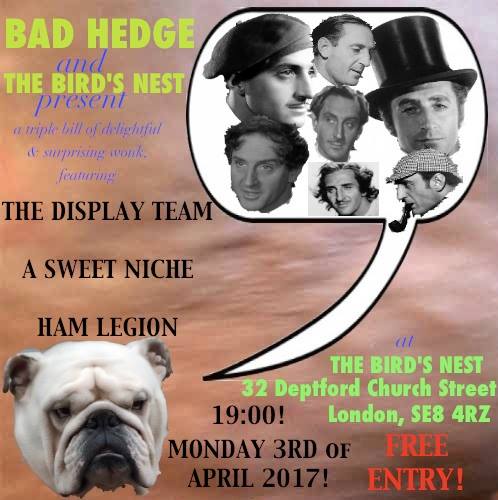 Bad Hedge presents:
 Wiltons Music Hall presents:
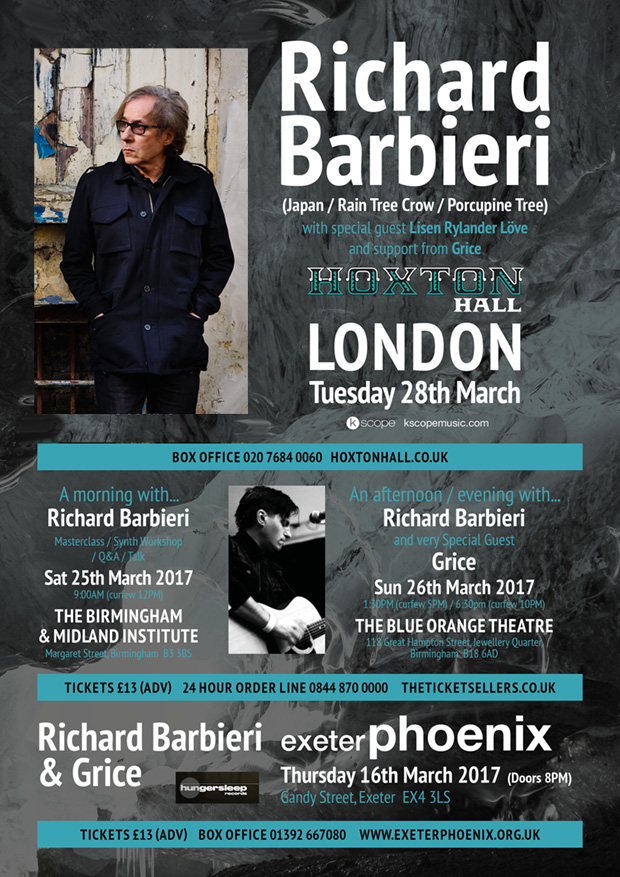
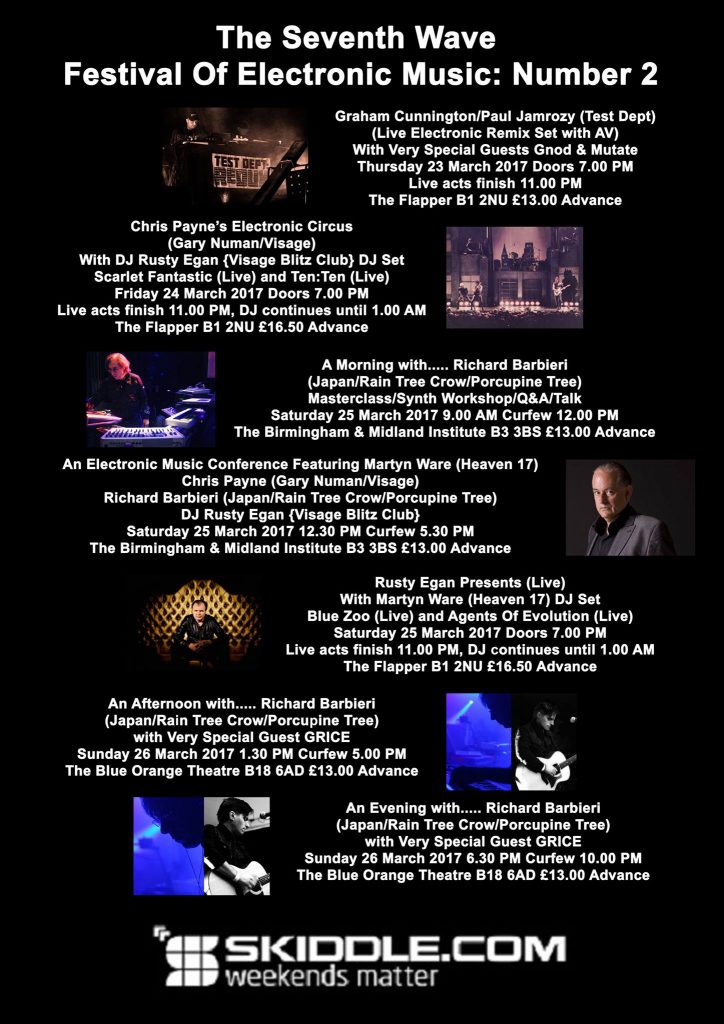


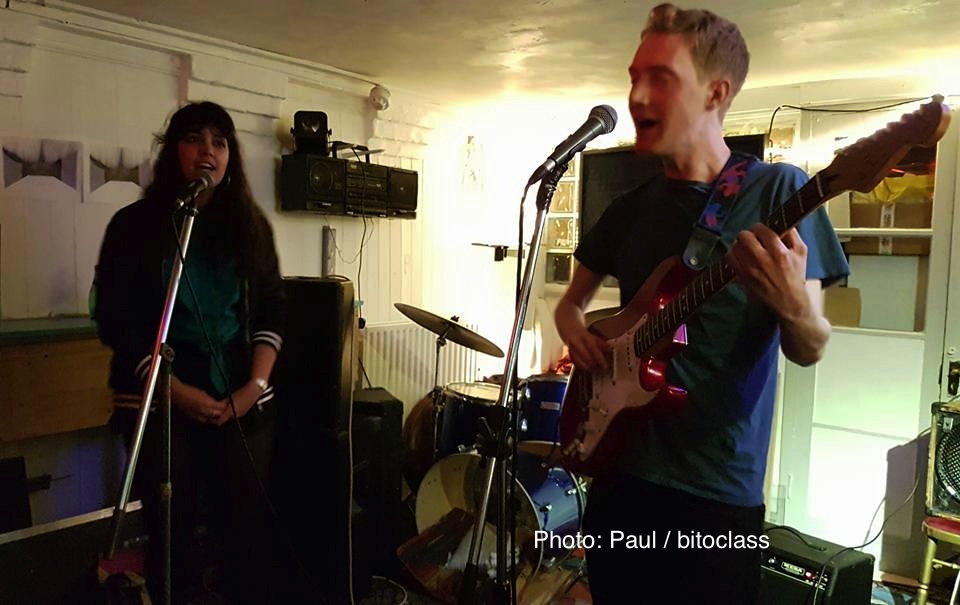


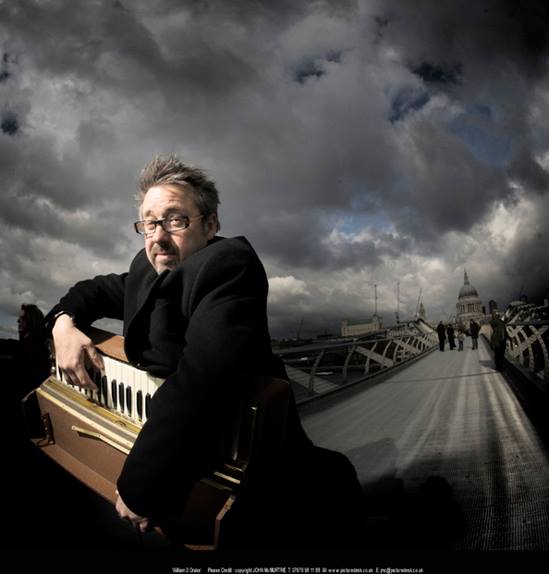
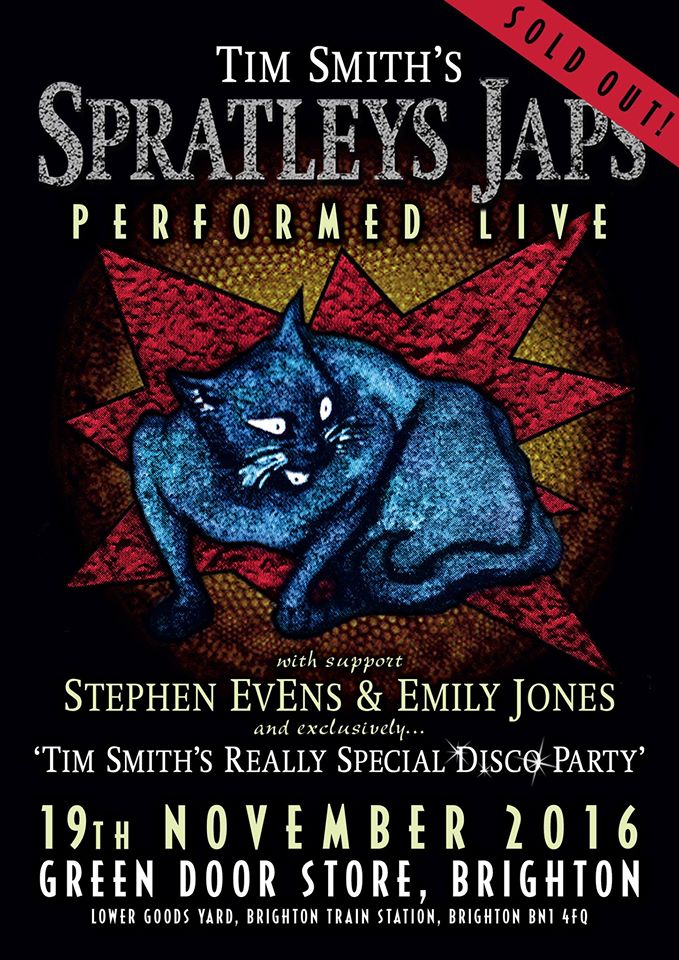


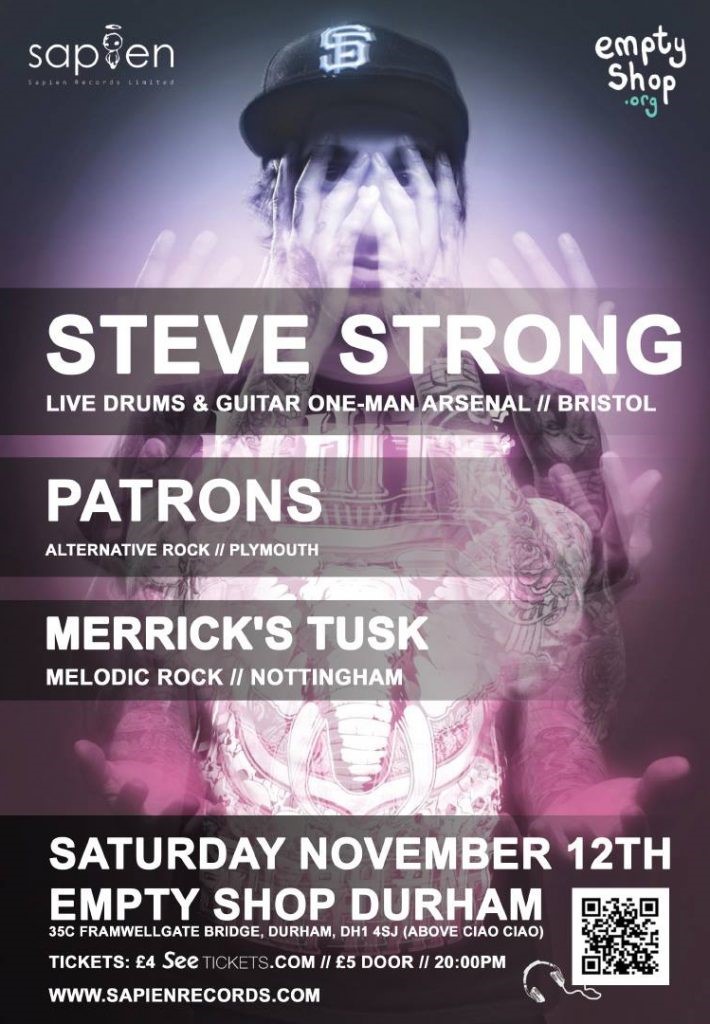


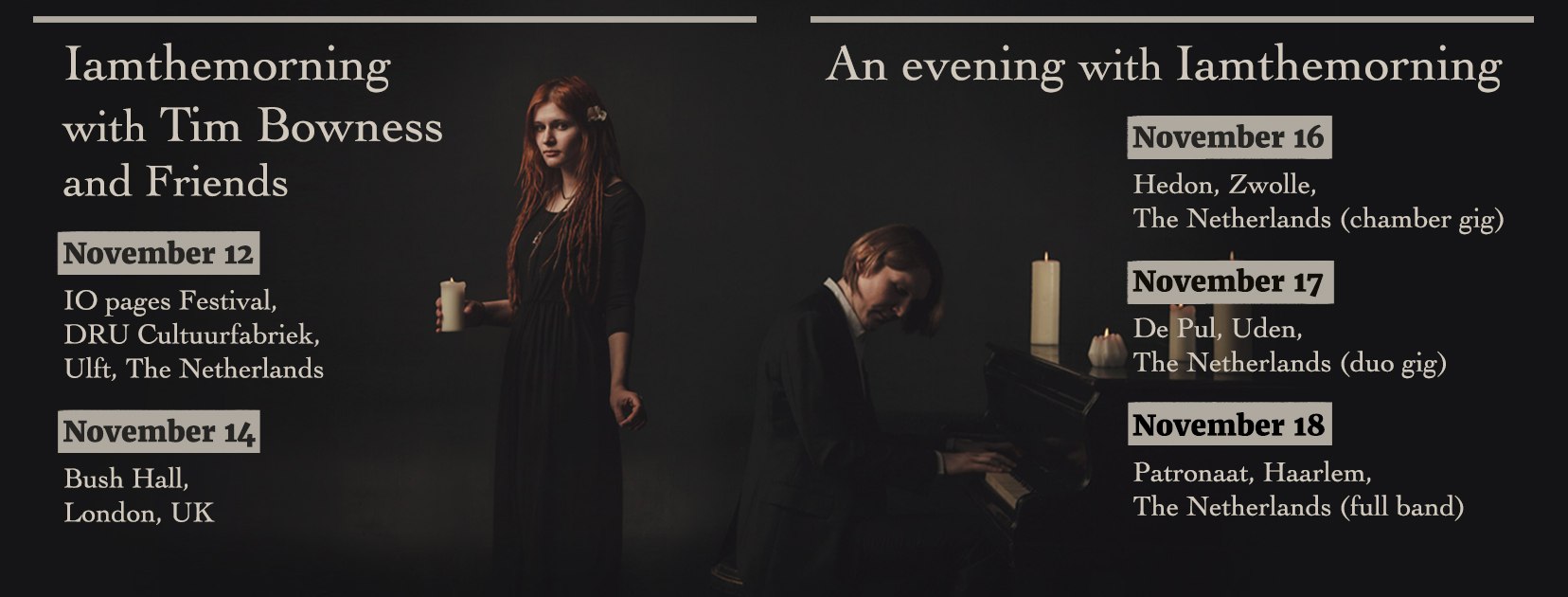
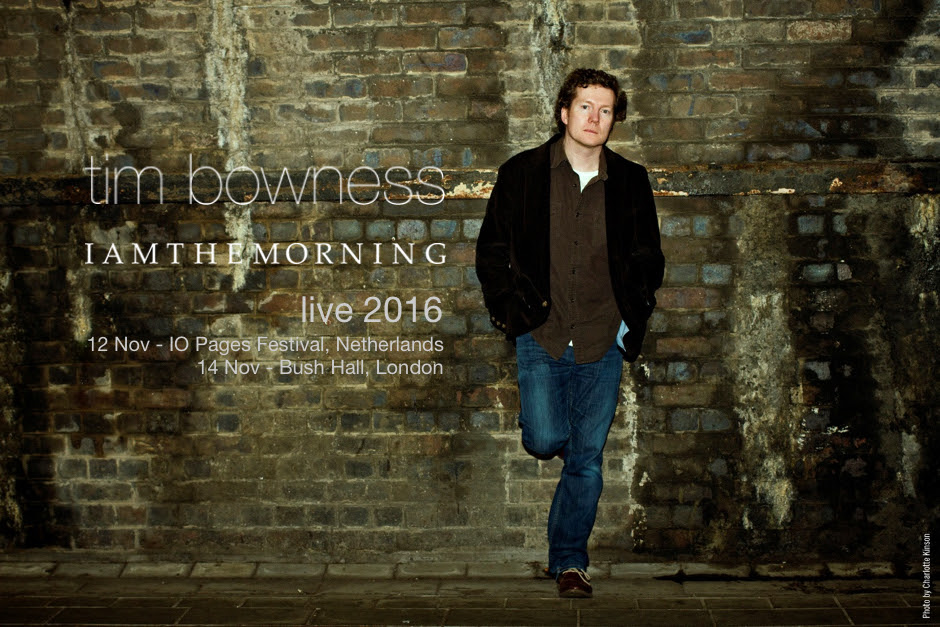

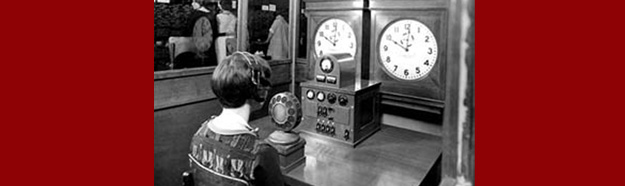
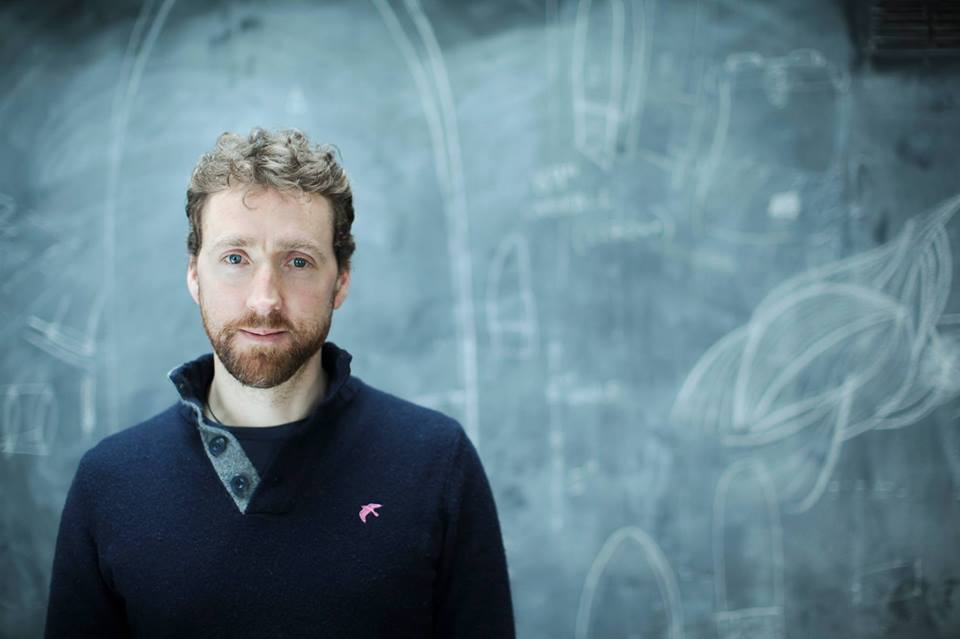
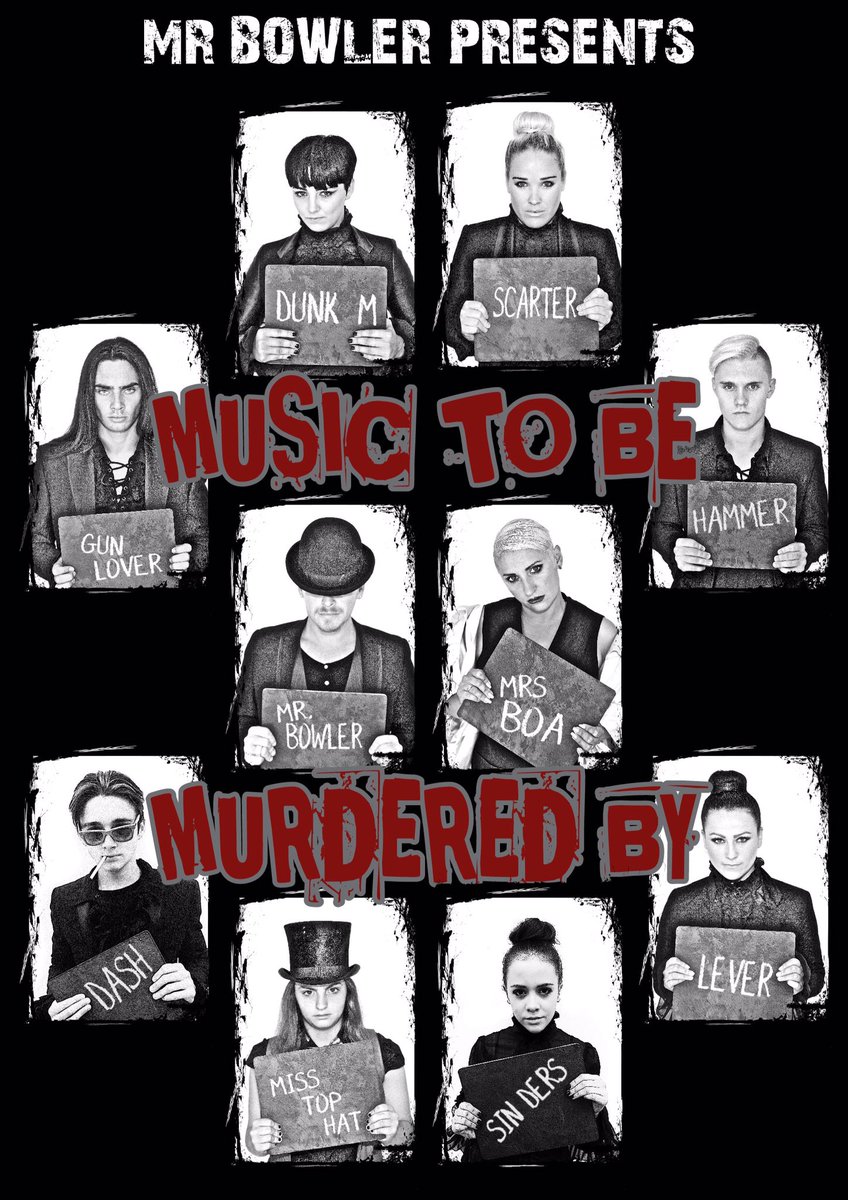



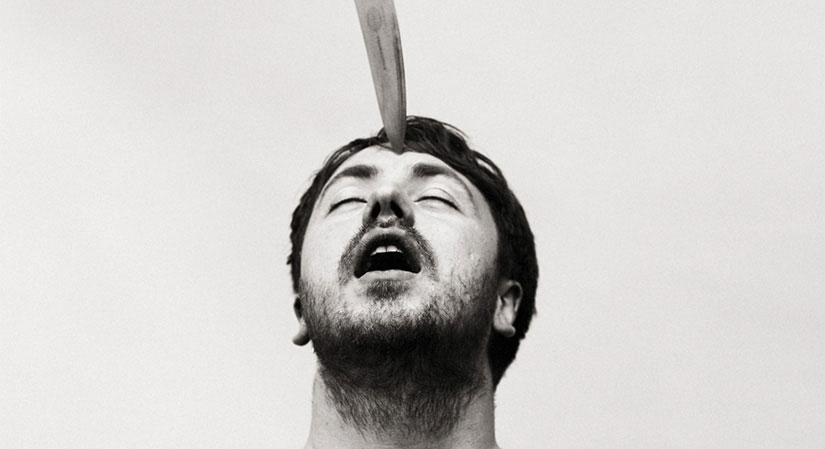






 Misfit City